
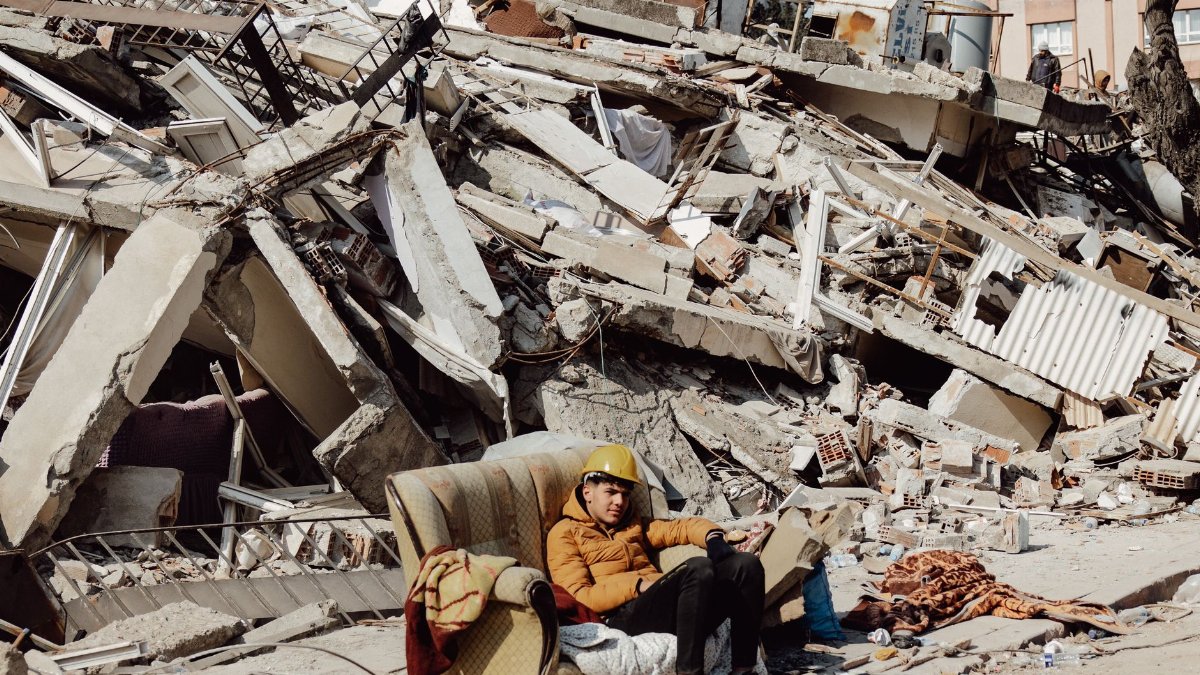
At 10:17 a.m. on a Thursday in October, classrooms go quiet, office chairs roll back, and people in kitchens lower themselves beside a table leg. For one practiced minute, Washington earthquake preparedness Shakeout turns an ordinary morning into a statewide rehearsal for a disaster that will not send a calendar invite. The drill is brief. The risk it stands in for is not. Scientists have spent decades mapping the faults under this region, and emergency managers have spent just as long trying to turn that science into muscle memory. The question the morning poses is simple and uncomfortable. If the floor moved right now, would you know what to do before the thought even finished forming?
A minute that is meant to feel ordinary
The Great Washington ShakeOut is the local chapter of a global drill held each fall. Schools, hospitals, businesses, and households register and, at a set moment, practice the same protective action. Organizers at the Earthquake Country Alliance publish participation counts and guidance at shakeout.org/washington. The point is not theater. It is repetition. People who have dropped under a desk once are more likely to do it when the motion is real and the noise is worse than any drill can imitate.
In a typical year, millions of people along the West Coast take part. Washington’s share includes students who treat the exercise as a fire drill with a different posture, and warehouse crews who have to think about what falls from racks. The shared clock matters. A region that practices together is a region whose institutions have at least agreed on the first move.
The ground under this state is not finished moving
Washington sits above a complicated geologic machine. The Cascadia subduction zone, where the Juan de Fuca plate slides beneath North America, runs offshore from northern California to British Columbia. The U.S. Geological Survey describes that boundary, and the earthquakes it can produce, in public explainers at usgs.gov. A full rupture could reach magnitude 9, last several minutes, and be followed by a tsunami along the outer coast.
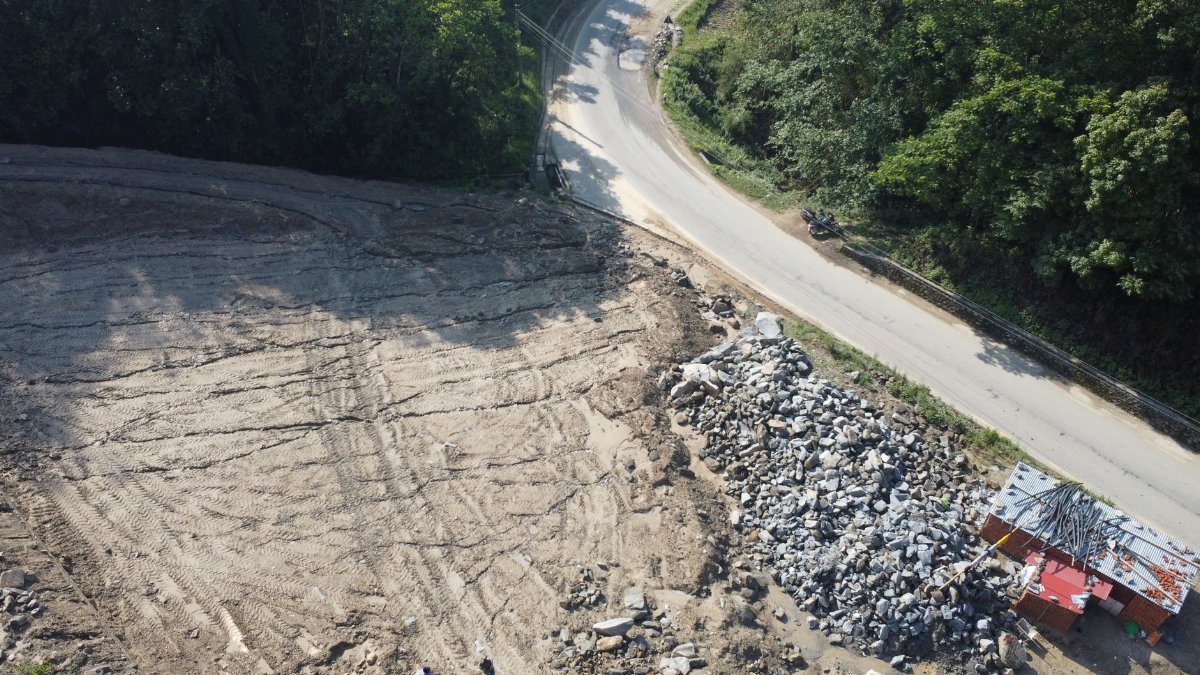
Inland faults add a different kind of threat. The Seattle Fault, the Tacoma Fault, and others in the Puget Sound lowlands can produce sharp, shallow shaking that arrives with almost no warning and can damage older brick buildings, bridges, and lifelines even if the offshore zone stays quiet. Preparedness here is not a single scenario. It is a stack of them.
What the drill actually asks you to do
The action has three parts, spoken in classrooms as drop, cover, and hold on. You get down so you are not thrown. You cover your head and neck under a sturdy table or desk. You hold on so the shelter does not walk away from you as the floor shifts. If there is no table, you drop next to an interior wall and protect your head with your arms. You do not run for a doorway. Modern doorways are not stronger than the rest of the frame, and a threshold is a good place to be hit by a swinging door.
Outdoors, the advice changes. Move away from buildings, power lines, and trees, then drop and cover. In a car, pull over, set the brake, and stay inside until the shaking stops. On the coast, once the shaking ends, the next decision is elevation. If you are in a tsunami zone, you walk inland or uphill without waiting for an official all clear that may never arrive in time.
Why waiting to see what happens is the wrong instinct

People freeze. They look for their phone. They try to stand in a doorway because someone told them that in 1975. Those habits cost seconds, and seconds are the whole budget. Strong shaking from a nearby crustal quake can peak before a person has crossed a room. The drill exists to replace debate with a motion the body already knows.
Washington earthquake preparedness Shakeout also exposes the things a slogan cannot fix. A warehouse with unsecured racks will still shed inventory. A house with a water heater that is not strapped will still flood the garage. The minute under the table is the start of readiness, not the end of it.
Schools carry more of the culture than any poster
For many families, the only earthquake training they will ever receive arrives home in a backpack. Teachers walk students through the count. Custodians check that exit paths are clear. Administrators file participation numbers that, in aggregate, become the state’s public signal that the drill happened. That signal is useful. It is also easy to overread. A school that drills well may still sit on soils that amplify shaking, or beside a bridge that will not be usable afterward.
Parents who treat the day as a prompt, rather than a completed task, tend to do the more useful work at home the same evening. They ask where the family would meet if phones fail. They put sturdy shoes and a flashlight by the bed. They learn which neighbor has a medical need and which one has a radio.
What scientists can say, and what they will not promise

No one can tell you the day. They can tell you the setting. Research summarized by the U.S. Geological Survey and by university consortia such as the Pacific Northwest Seismic Network, at pnsn.org, puts the odds of a very large Cascadia earthquake in the next fifty years in a range that planners treat as too high to ignore. Smaller, damaging quakes on local faults are a separate and ongoing possibility.
That uncertainty is not a reason to wait for a clearer forecast. Earthquake early warning, delivered in this region through the ShakeAlert system described at shakealert.org, can sometimes give seconds of notice when a quake starts far enough away. Those seconds help if you already know the motion. They do not replace a strapped water heater, a family plan, or a school that has practiced.
The quiet work that outlasts the siren
After the minute ends, the useful questions are domestic and a little dull. Is the bookcase anchored? Are heavy objects off high shelves over the bed? Do you have water for several days, a way to turn off the gas if you smell it, and copies of prescriptions that do not live only on a pharmacy app? The Washington Emergency Management Division keeps household guidance at mil.wa.gov/earthquake, including how to register for alerts and what a home kit should hold.
Renters have fewer structural options and no less risk. Asking a landlord about water heater straps and foundation bolts is a reasonable conversation. So is knowing two ways out of the building and where you would go if the building is not safe to reenter. Readiness is partly gear and partly a short list of decisions made before adrenaline writes them for you.
Cities that have already paid the tuition

Nisqually, in 2001, was a reminder rather than a catastrophe on the scale Cascadia could bring. It cracked facades, closed the airport control tower for a time, and sent a generation of engineers back to older buildings. Other cities on other faults have supplied harsher lessons. Unreinforced masonry fails. Soft story apartments pancake. People are injured by falling contents more often than by the dramatic collapse that movies prefer.
Those lessons travel. Seattle, Tacoma, and smaller cities have spent years on retrofit programs, bridge work, and school upgrades. Progress is real and incomplete. A drill day is one of the few moments when that unfinished public project becomes visible to people who do not read capital budgets.
The coast has a second clock
For communities from Ocean Shores to the Long Beach Peninsula, the earthquake is only the first problem. A Cascadia rupture can send a tsunami shoreward in minutes, not hours. Evacuation maps, posted by local emergency management and linked from state tsunami pages, are worth knowing on a calm afternoon. Washington earthquake preparedness Shakeout, for those towns, is incomplete if it ends under a table and never continues uphill.
Visitors complicate the picture. A beach town on a sunny October weekend holds people who have never seen a blue evacuation sign. Drills, hotel posters, and staff who can point to high ground are part of the same preparedness culture as a school counting to sixty under desks in Spokane or Yakima, where tsunami is not the threat and building damage is.
Workplaces discover their weak points in public
An office that participates has to decide who is responsible for visitors, how to account for people afterward, and whether the server room and the first aid kit survived the imaginary quake. Manufacturers learn whether their drill plan assumes everyone can hear an announcement over machinery. Hospitals practice moving patients who cannot drop and cover in the ordinary way. These are unglamorous discoveries. They are also the ones that change outcomes.
Employers sometimes treat the drill as a compliance box. Employees notice. A company that stops the line, explains the steps, and then fixes the shelf that nearly fell during the practice has taught something a mass email cannot.
Communication will be worse than you expect
After a large earthquake, cell networks clog or fail. Text messages often get through when calls do not. A family plan that depends on everyone calling the same person at the same moment will stall. Agree on an out of area contact, a neighborhood meeting spot, and a rule that children stay at school until a known adult arrives. Those agreements are the part of Washington earthquake preparedness Shakeout that does not fit inside sixty seconds, which is why the sixty seconds should send you home with a list.
Battery powered radios still matter. So does knowing the local emergency radio station before you need it. Social media will fill with rumor faster than official channels can answer. A plan that includes one trusted source, written down, ages better than a plan that assumes the phone will be a calm librarian.
Insurance, buildings, and the bill that arrives later
Standard homeowners policies generally do not cover earthquake damage. Separate earthquake insurance exists, with deductibles that surprise people who only read the brochure after a scare. Whether it is worth the premium depends on the building, the soil, and the household’s ability to absorb a loss. That is a financial conversation, not a slogan, and it belongs next to the retrofit question rather than instead of it.
Renters insurance has the same gap unless earthquake coverage is added. Documenting belongings before a disaster is tedious and useful. None of this replaces the physical act of protecting your head. It determines whether the months after the shaking are merely hard or financially ruinous.
What to remember when the minute is over
The drill ends. Email resumes. Children go back to fractions. The value of the morning is whatever remains in the body and in the house. Drop, cover, and hold on. Move uphill on the coast after the shaking if you are in a tsunami zone. Strap the heavy things. Keep water. Agree on a meeting place. Check on neighbors.
Washington earthquake preparedness Shakeout will come around again next October, and the faults will not have waited for the invitation. The state cannot schedule the earthquake. It can schedule the practice, and it can ask, without melodrama, whether the people who stood up from under their desks are any more ready than they were at 10:16. That is a fair question for a Thursday. It is also the only kind of question a drill is built to answer.