
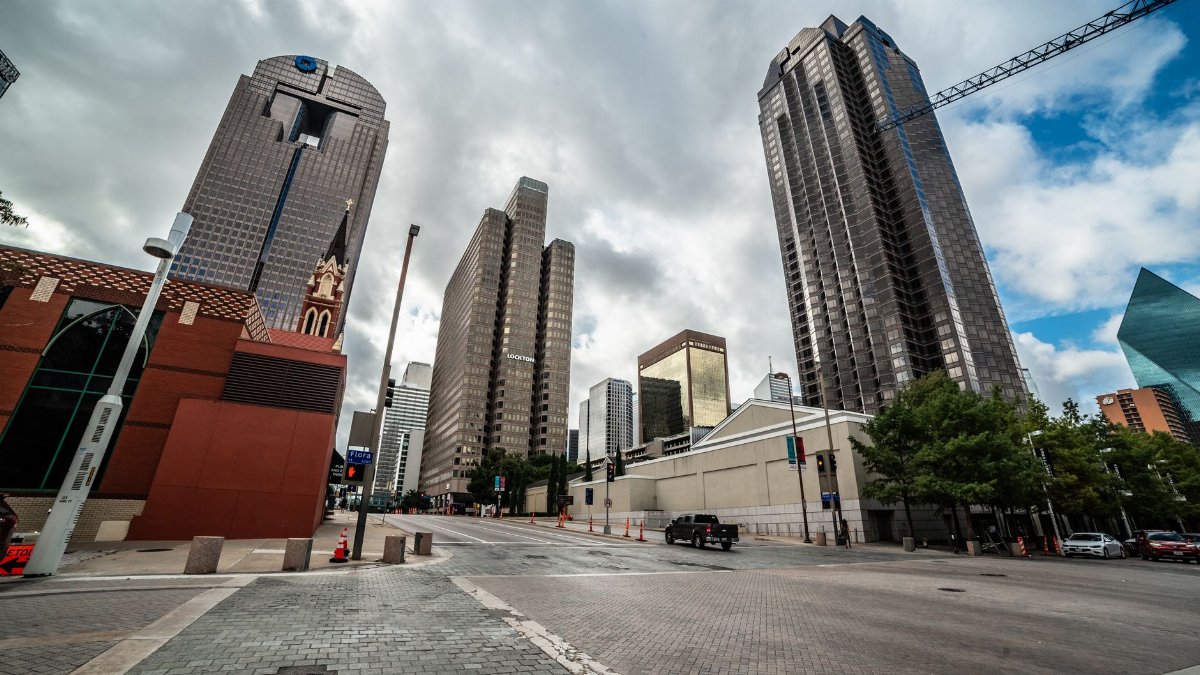
On a weekday afternoon the sidewalks around Thanks Giving Square still fill and empty in waves, office workers cutting toward lunch counters while tour groups pause for photographs of the chapel spiral. The towers look occupied from a distance. Up close, too many lobbies feel hushed, and too many ground floor windows stay papered over. That gap between a famous skyline and a thinner street life is exactly why city leaders keep returning to a Downtown Dallas comeback plan, a bundle of public projects and private conversions meant to make the core a place people live in, not only visit.
A core that never really emptied

Dallas did not lose its downtown the way some older industrial cities did. The banks, law firms, and corporate headquarters that defined the district for decades are still there, even if hybrid work has thinned the Tuesday crowd. Hotels still book convention weeks. The Arts District still draws evening audiences. What changed is the margin. When a large employer consolidates floors, or when a landmark tower changes hands, the shock shows up fast in restaurants, dry cleaners, and the small retail that depends on foot traffic five days a week.
An editorial argument that the district is down but far from out rests on that distinction. Decline is real in occupancy and in the mood of some blocks. Collapse is not the right word. The question is whether public investment and private adaptation can turn unused office space into homes, students, and visitors who stay after dark.
What officials mean by a comeback
The Downtown Dallas comeback plan is less a single ordinance than a direction of travel. City Hall, Downtown Dallas Inc., and major property owners have spent recent years lining up a convention center overhaul, campus expansions, and incentives for turning obsolete towers into apartments. The bet is familiar in American downtowns: if you add residents, the street retail follows, and if you add a reason to visit on weekends, the hotels and restaurants survive the quiet weeks between big events.
Supporters describe a path toward a 2036 vision in which the core is denser, more residential, and less dependent on a nine to five office cycle. Critics hear a slogan that could paper over slow leasing and expensive public subsidies. Both readings can be true at once. A plan is a sequence of decisions, not a guarantee.
The convention center as a civic wager
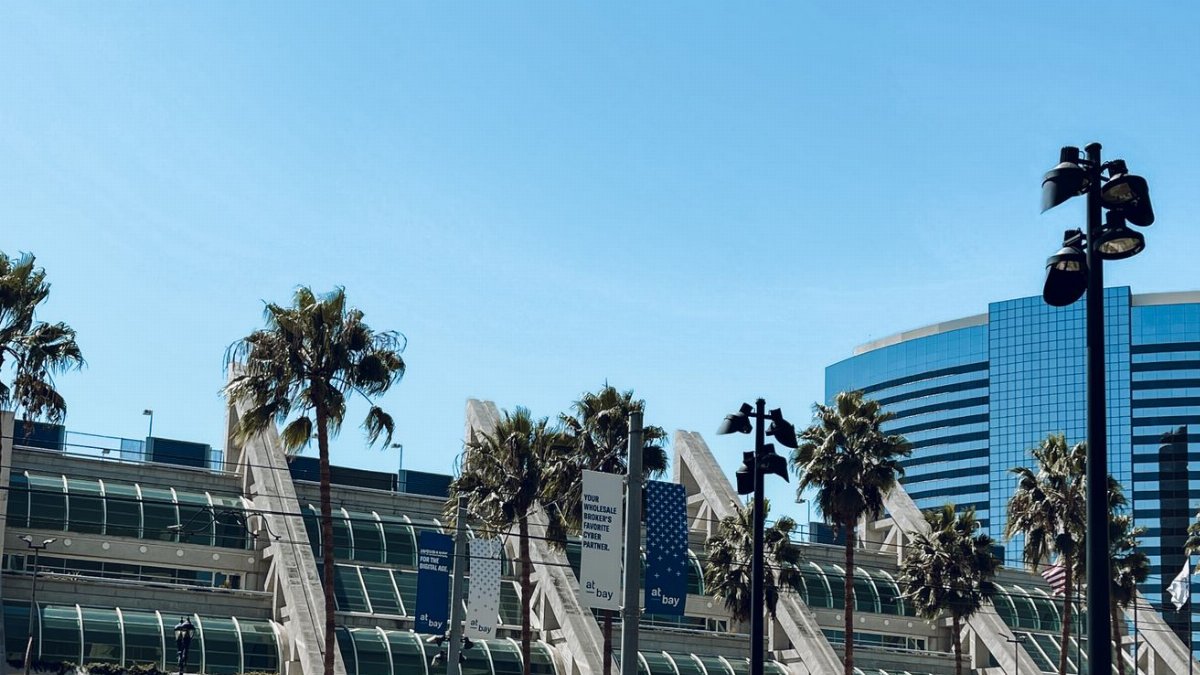
The Kay Bailey Hutchison Convention Center is the largest physical piece of that wager. Dallas has treated a modernized convention complex, and the land around it, as a way to keep the city competitive for national meetings while opening blocks that have long felt sealed off from the rest of downtown. A rebuilt or reconfigured center is not glamorous civic poetry. It is concrete, loading docks, and hotel room nights. Those room nights pay for jobs that do not require a downtown address on a business card.
The risk is timing. Convention business is cyclical, and cities across the country are spending heavily on the same customer. If the new space opens into a softer market, the public will still be paying debt service while private owners wait for the spillover that was promised. That is an argument for honest milestones, not for walking away from a facility the city already depends on.
Campuses that keep the lights on at noon
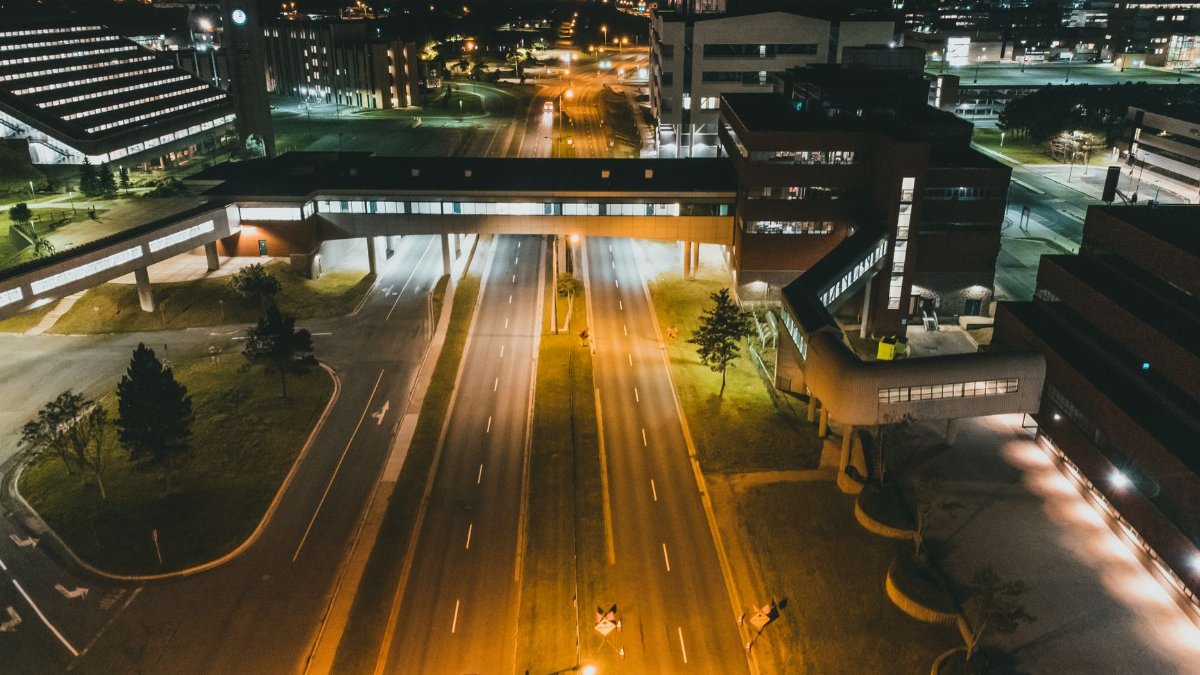
Office workers are no longer a reliable noon crowd. Students and medical staff can be. Expansions tied to universities and health institutions give downtown a population that shows up on a schedule the market does not set. A campus does not replace a corporate headquarters. It does something offices increasingly fail to do: it puts people on the sidewalk at hours when a sandwich shop can make payroll.
Dallas has watched other cities learn this lesson in public. A single academic building will not revive a district. A cluster of classrooms, labs, and housing within walking distance of transit can change which blocks feel safe and busy. The editorial case for the core depends on treating those campuses as neighborhood infrastructure, not as trophies photographed on groundbreaking day.
Towers learning to be homes
The most hopeful private story is conversion. Older office buildings with awkward floor plates are poor competitors for the newest glass towers and surprisingly plausible apartment houses. Kitchens, plumbing stacks, and windows that actually open are expensive to insert. They are still cheaper, in many cases, than demolishing a sound structure and starting over, and they keep a taxpaying building on the roll.
Conversions only work if the math survives interest rates and if the city does not pretend that every vacant floor is a future loft. Some buildings will remain offices. Some should come down. The useful standard is simple: does the project add residents who can walk to a grocery, a clinic, and a train, or does it add units that look good in a rendering and sit half leased above a dark street?
The AT&T real estate shadow
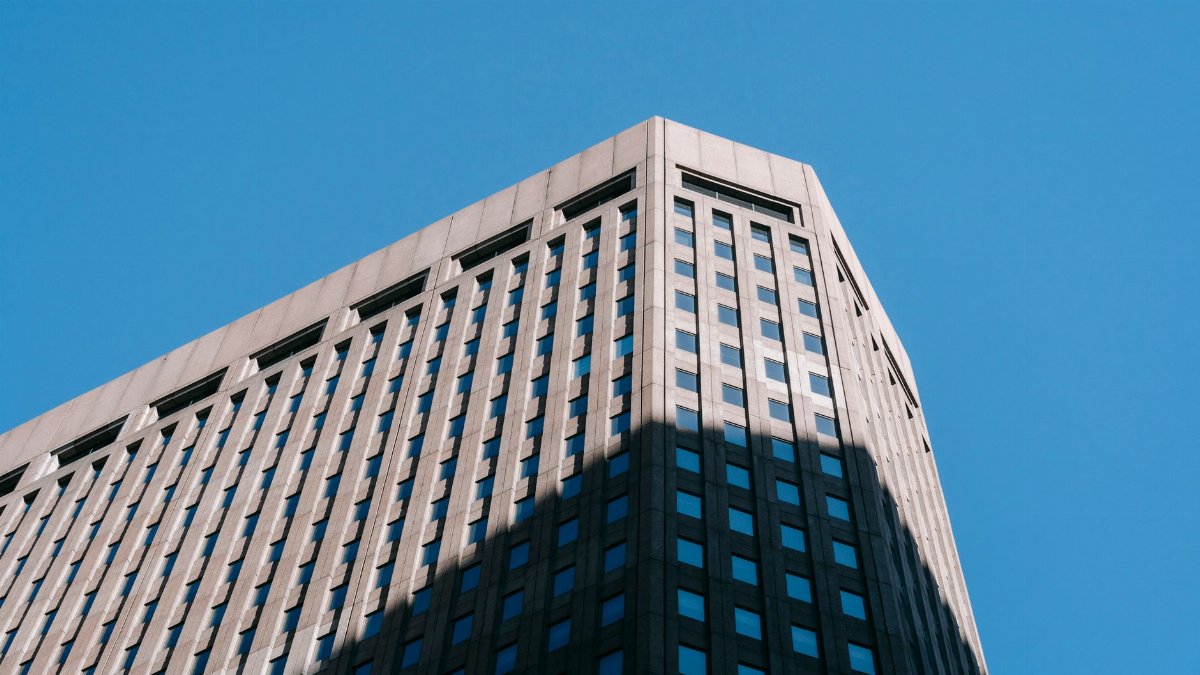
No downtown conversation in Dallas stays abstract for long once AT&T enters it. The company’s real estate footprint has shaped blocks, leases, and civic expectations for years. When a firm of that scale reassesses how much space it needs, landlords feel it, and so do the small businesses that counted on those badges at the lobby turnstile. The Dallas Morning News editorial page has treated that reassessment as a stress test for the wider district, not as a single corporate subplot. The original argument is here: Dallas downtown, AT&T and the real estate question.
A fair reading neither blames one employer for a national shift in office use nor shrugs off the local damage. Large tenants leaving or shrinking should trigger a public inventory of what the city can still control: permitting speed for conversions, transit frequency, and the basic upkeep of sidewalks and parks. Waiting for the next headquarters announcement is not a strategy.
Safety, cleanliness, and the evening test

Residents will not move in, and visitors will not linger, if the walk from a parking garage to a restaurant feels unpredictable. Crime statistics matter, and so does the ordinary disorder that never makes a headline: broken lights, empty storefronts used as informal shelters, and blocks where there is simply no one around after six. Compassion and enforcement are not opposites. A downtown that cannot keep a public plaza usable fails both the people who live outside and the people the city hopes will live upstairs.
The evening test is stricter than the lunch test. A district can look successful at noon and deserted at eight. The comeback claim should be judged after dark, on a weeknight that is not attached to a Mavericks game or a convention welcome reception.
Who captures the gain

Growth downtown has a history of arriving unevenly. Incentives that make a tower conversion pencil out can also bid up nearby rents before a grocery or a school arrives. Service workers who staff the hotels and arenas already commute long distances because housing near the core is scarce or priced beyond a kitchen wage. A plan aimed at 2036 that adds only luxury units will have thickened the skyline without thickening the civic bargain.
That does not mean every project must be subsidized housing. It does mean the public side of the ledger should be visible. If taxpayers help unlock a site, the return ought to include homes at more than one price point, space for neighborhood retail, and a street design that does not treat pedestrians as an afterthought. Urban development, the unglamorous category this story actually belongs to, is a distribution question as much as a design question.
Transit and the walk between projects
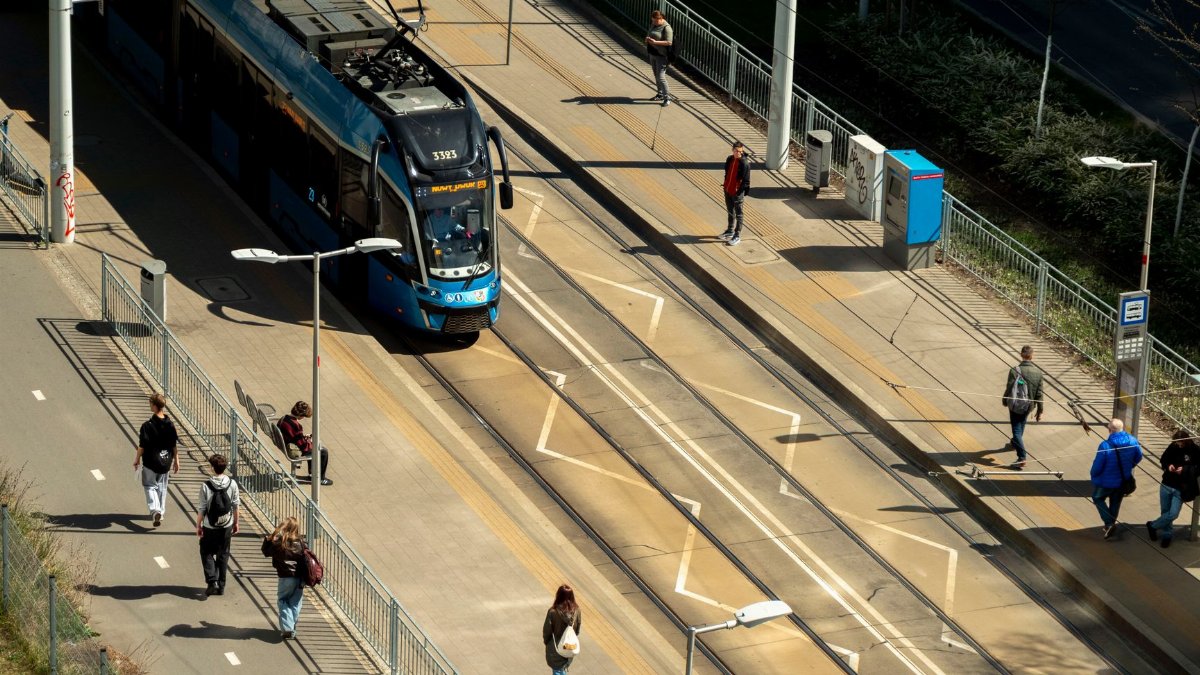
Dallas already owns a rail spine that many peer cities spent decades trying to build. The weakness is the last stretch: platforms that feel isolated, frequencies that make a spontaneous trip impractical, and destinations that do not connect on foot. A convention center, a campus, and a converted tower can sit within a mile of one another and still function as separate islands if the walk between them is hostile.
Filling those gaps is cheaper, politically, than announcing another landmark. Trees, lighting, crossings, and active ground floors do not photograph as well as a ribbon cutting. They decide whether the Downtown Dallas comeback plan is a map of projects or a place a person can cross without a car.
A long horizon with short tests

Vision language stretched to 2036 can anesthetize accountability. Ten years is long enough for several mayors, several interest rate cycles, and several corporate reorganizations. Residents should not be asked to wait until the end of that horizon to know whether the bet is working. Useful tests are nearer. Are conversion permits moving? Are new residential units actually occupied? Do hotel tax receipts and small business openings move together, or does one rise while the other stays flat? Is the convention project on a budget the public can still explain?
Those measures will not capture everything that makes a downtown feel alive. They will expose a plan that exists mostly in slide decks. Dallas has the assets to avoid that fate: a central location, institutions willing to expand, and a stock of buildings that can be reused. Assets are not momentum.
An argument for patience with a deadline

The editorial posture worth keeping is neither boosterism nor requiem. Downtown Dallas is down in the specific sense that matters to daily life: fewer reliable office crowds, more uncertainty around flagship tenants, and blocks that have not yet found a second use. It is far from out because the physical city is still there, the public projects are not hypothetical, and private owners have reasons to convert rather than abandon.
Patience is justified only if it comes with dates. A Downtown Dallas comeback plan that cannot say, in plain language, what should be finished, leased, or visibly busier within the next few years is a mood, not a program. The core has been written off before by people who confused a slow season with a permanent exit. The more interesting work is narrower: count the residents, walk the blocks after dark, and insist that the next round of investment show up on the street, not only in the rendering.