
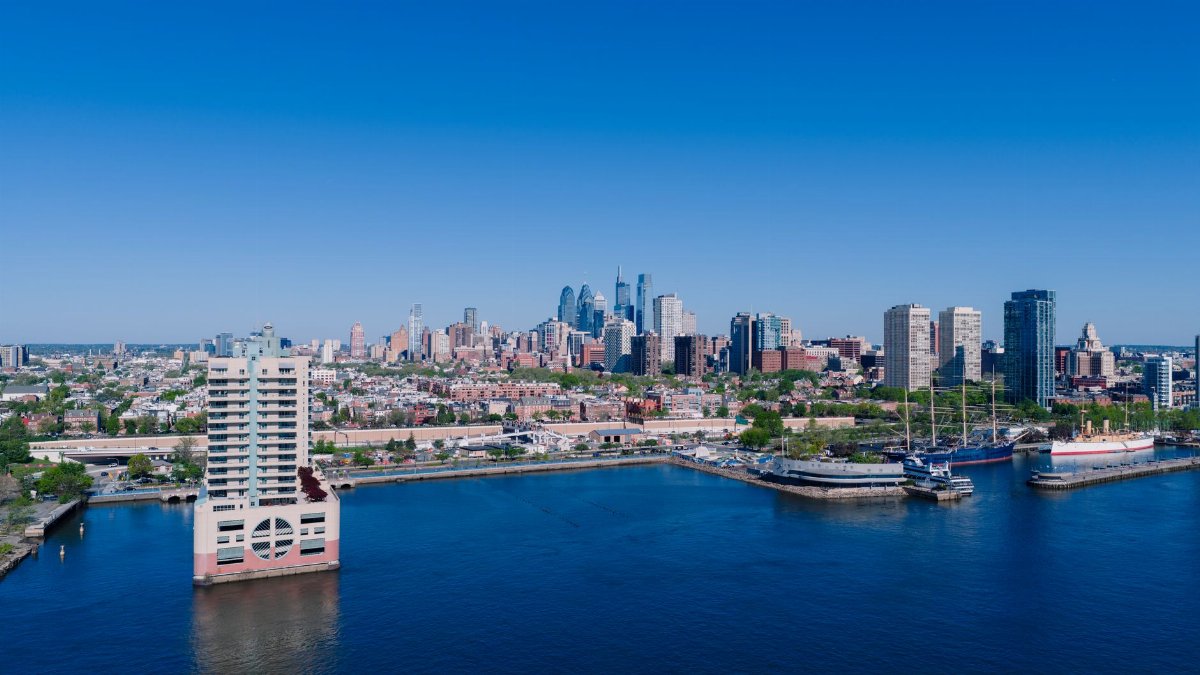
On a gray morning along the Delaware, the kind of light that flattens cranes into silhouettes, Pennsylvania’s governor described a bet large enough to reorder the city’s working waterfront. The figure attached to that bet, Philly port $837M Shapiro, is meant to signal both ambition and a political claim: that public money can still pull private capital toward a harbor many shippers treat as a side door to larger East Coast hubs. Nearly doubling port jobs is the promise attached to the announcement. Whether the docks can absorb that growth without bruising the neighborhoods beside them is the harder question, and it will not be settled by a podium.
A waterfront promise with a very large number
Gov. Josh Shapiro has framed the Port of Philadelphia as ready for $837 million in public and private investment. In the telling that accompanied the announcement, $371 million in state funds is the lever. The rest is supposed to arrive as private spending and federal support, a stack of commitments that, if it holds, would nearly double employment tied to the port.
Large round numbers travel well in politics. They also invite a slower reading. A port is not a single building. It is a chain of berths, yards, gates, rail spurs, truck routes, and labor agreements. Money announced at a microphone becomes steel, pavement, and payroll only after designs, permits, bids, and schedules survive contact with the river and the calendar.
For a broad audience outside the shipping trades, the useful question is simple. What, exactly, is being bought, and who is expected to pay for the parts the state does not control?
Where the state money is supposed to go

State officials have presented the $371 million as the public share that makes a larger package possible. In port finance, that role is familiar. Public agencies often pay for the pieces private operators will not fully fund on their own: deeper or better maintained access, stronger wharves, bigger container yards, gate improvements, and connections to highway and rail.
Those projects are unglamorous and slow. A crane can be photographed. A reinforced berth mostly disappears into the water. Yet without the hidden work, the visible machines sit idle or move less cargo than their nameplates suggest. The state’s case rests on that logic. Spend early on the bones of the terminal, and private operators will spend later on equipment, warehouses, and service contracts.
Readers should treat the split as a plan, not a receipt. Until contracts are awarded and private partners sign binding commitments, the $371 million is a direction of travel. Directions can change when legislatures revisit budgets or when construction bids come in higher than the sketches.
The jobs claim and who it is for

The most human part of the announcement is the jobs figure. Nearly doubling port employment would matter in a city where good wages with benefits are not evenly spread. Longshore work, maintenance, trucking, warehousing, and the clerical jobs that keep a terminal honest have long been a route into the middle class for families in South Philadelphia and beyond.
Doubling a workforce is not the same as doubling opportunity for people who already live nearby. Ports hire through established hiring halls, seniority systems, and contractor rolls. New volume can mean more shifts for people already on the list before it means new names. Training pipelines, apprenticeship slots, and honest outreach decide whether growth reaches neighborhoods that have watched trucks pass for decades.
The shorthand Philly port $837M Shapiro will be repeated in campaigns because jobs are easier to remember than berth lengths. The test is duller. Count paychecks a few years from now, and ask whether they are full time, seasonal, or contracted out at lower wages a mile inland in a warehouse that never appears in the waterfront photo.
Why this port thinks it can take more cargo
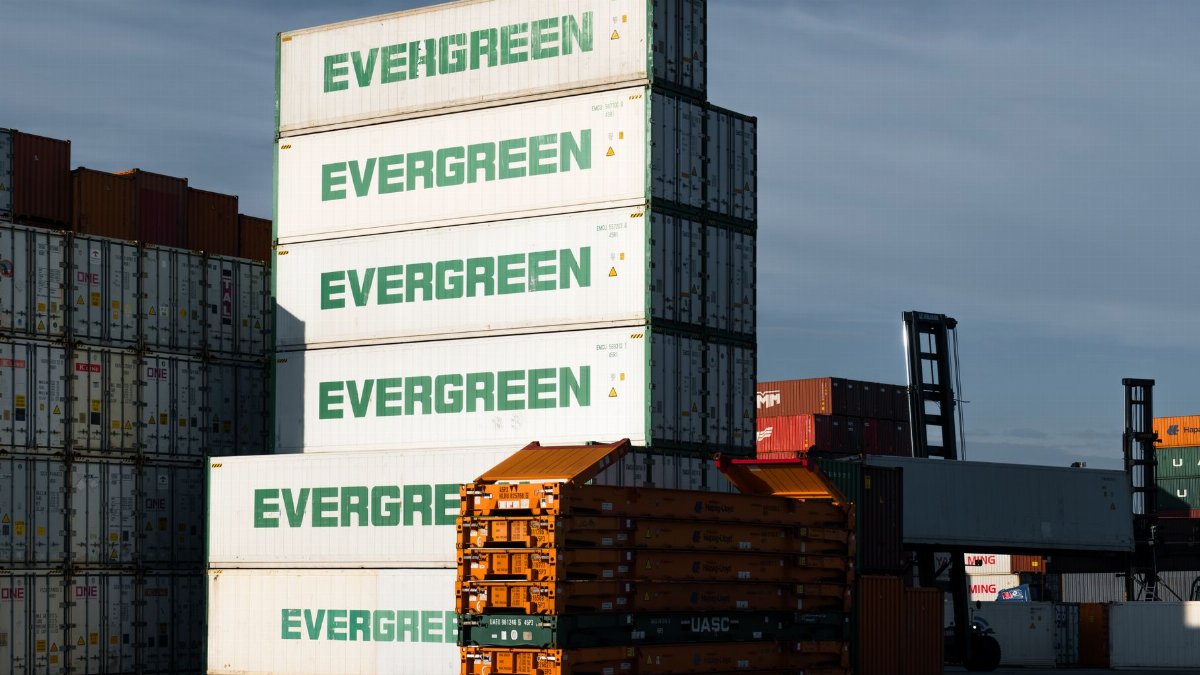
Philadelphia sits on a river that has carried commerce since the city was a colonial port. Geography still helps. The Delaware offers access to a dense consumer market, and the region already has distribution sheds, highways, and a labor pool that knows how to move freight. Shippers care less about civic pride than about time, cost, and whether a box clears the gate without a surprise.
East Coast ports have spent years competing for cargo that once defaulted to a handful of giants. Some of that competition is healthy. Some of it is a race to subsidize the same ships. Philadelphia’s argument, implicit in the governor’s pitch, is that it can take a larger share if the terminal can handle bigger calls and turn them faster.
Speed is not only a matter of cranes. It is customs staffing, chassis availability, rail windows, and the patience of truck drivers who lose a day in a queue. Investment that ignores those bottlenecks buys capacity on paper and congestion in practice.
Private capital and the hope it follows

The private share of an $837 million story is the part governors cannot command. Terminal operators, shipping lines, and real estate firms invest when they see volume, reliable labor relations, and a return that beats putting the same money in another harbor. A state check can improve the odds. It cannot guarantee the follow through.
That is why the phrase Philly port $837M Shapiro functions as much as a political brand as an accounting entry. It bundles money the commonwealth can appropriate with money it hopes to attract. Blending those categories is common in economic development. It is also how announcements grow larger than the cash already in hand.
Private investors will look at lease terms, who controls the gates, and whether labor and management can agree on manning and automation without a long stoppage. They will look at flood risk and insurance. A river port that cannot say clearly who pays when the water rises will find capital more cautious than the press release.
Federal dollars and the fine print

Federal support is the third leg. Washington has put unusual sums into ports, bridges, and freight rail in recent years, often through competitive grants rather than automatic checks. Winning those grants takes applications, local match, and a project that fits whatever priority Congress last wrote into law.
A state announcement that counts federal money before it is awarded is a forecast. Forecasts can be reasonable. They are not deposits. If a grant slips, the package shrinks or the state is asked to fill the gap. Either outcome changes the politics of the original promise.
There is also a national context worth keeping in view. Many ports are asking for the same pool of funds. Philadelphia’s bid will be judged against channels, rail yards, and terminal projects elsewhere. Being the home governor’s priority does not make a project the federal government’s priority.
The neighborhoods that live with the trucks

Growth at a port is not only a labor story. It is a street story. More boxes usually mean more trucks, more idling, more noise at odd hours, and more wear on roads that were not built as freight corridors. Communities along the approach routes already know the bargain: jobs on one side, diesel and dust on the other.
A serious expansion plan says how many additional truck trips the gates will generate, at what hours, and on which streets. It says whether rail can take a larger share so that growth does not land entirely on neighborhood blocks. It says who pays for paving, for buffers, and for air monitoring that residents can read without a lawyer.
Skipping that conversation does not make the conflict disappear. It postpones it until construction is underway and trust is harder to rebuild. The people who live closest to the port are not an audience for a ribbon cutting. They are part of the operating environment.
Shippers, schedules, and a crowded coast

Cargo does not owe Philadelphia loyalty. Beneficial cargo owners route boxes toward the port that delivers them cheapest and most predictably to a warehouse door. A new crane helps. A reputation for missed windows hurts for years.
The coast is crowded with ambitious terminals. Some have deeper water. Some have more direct rail to the interior. Philadelphia’s advantage, if the investment lands as described, would be proximity to a huge local market and a chance to peel off cargo that does not need to travel farther up or down the seaboard.
That is a plausible niche. It is not a guarantee of dominance. Shippers will wait to see dwell times, not speeches. If the port can turn vessels and clear gates with fewer surprises, the private money the governor is counting on becomes easier to explain to a boardroom. If it cannot, the cranes become expensive scenery.
What skeptics hear in a round number

Skeptics have heard port promises before. They will ask whether $837 million is new money or a relabeling of projects already in the pipeline. They will ask how much is cash, how much is bonding, and how much is a hope pinned to a future grant cycle. They will ask what happens to the jobs claim if automation reduces the hands needed per box even as volume rises.
Those questions are not hostility to the waterfront. They are the ordinary discipline of public finance. The package described as Philly port $837M Shapiro should be published in a form a citizen can audit: project list, cost, schedule, funding source, and the employment method behind the doubling claim. If the method counts induced jobs in distant warehouses, say so. If it counts only people on the terminal, say that too.
Transparency will not thrill everyone. It will make the announcement harder to inflate and harder to dismiss. That is a fair trade for $371 million in state funds.
A longer wager on the Delaware
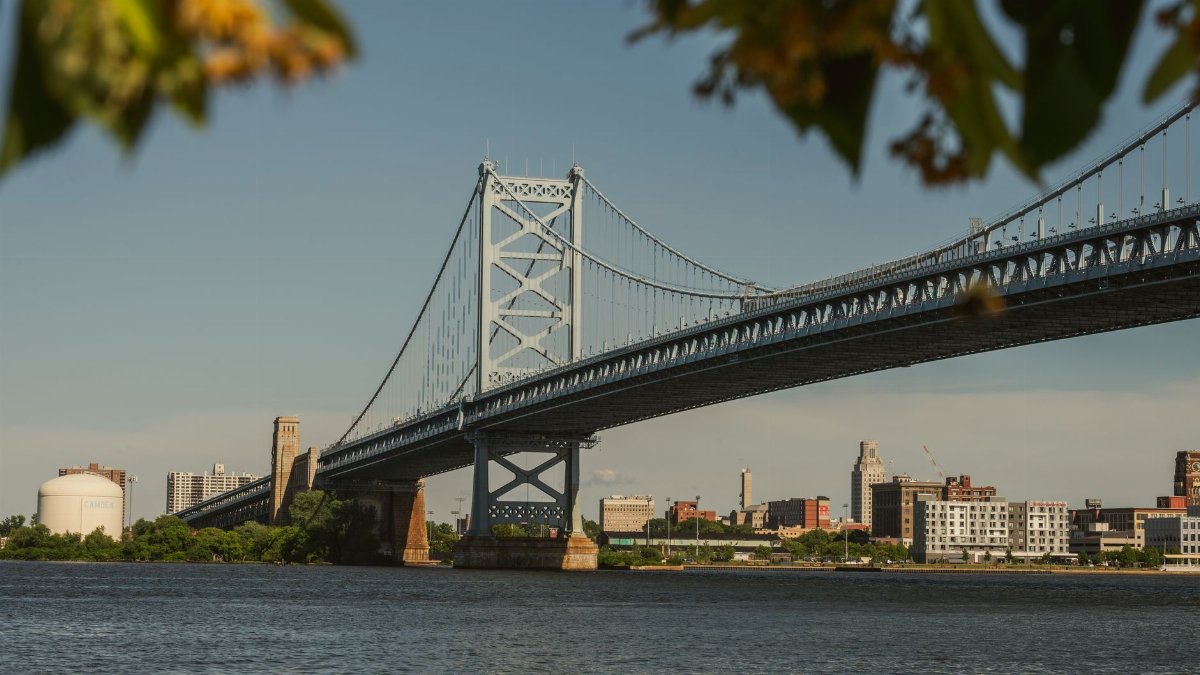
Ports reward patience and punish slogans. The Delaware has outlasted every governor who has stood beside it. What lasts from this moment will be the contracts, the concrete, and the habits of a workforce that either grows in a way families can feel or does not.
Shapiro is asking Pennsylvanians to see the port as an economic engine worth a very large public bet, with private and federal partners expected to meet the state partway. The headline number, Philly port $837M Shapiro, will fade. The ledger will not. If the state money buys real capacity, if private capital actually arrives, and if the job gains are broad enough to justify the trucks and the cost, the announcement will look like governing. If the pieces come apart, it will look like a number chosen because it sounded complete.
The waterfront does not grade on intention. It grades on whether ships call, whether gates clear, and whether the people who live and work beside the river are better off when the cameras leave. That is the standard worth applying to every dollar in the pile, public or private, before anyone treats the doubling of jobs as a fact rather than a hope still tied to the tide.