
On a gray afternoon along the lakefront, union halls and church basements in Cleveland are already counting folding chairs. Volunteers argue over parking maps. A former president is coming back to a state that once treated his visits like weather events, and the news that Obama campaigns Ohio Democrats has given October a sharper edge than the usual midterm lull. He is scheduled to appear on October 24 with Sherrod Brown and Amy Acton, a pairing that joins a senator known for economic populism to a physician whose public standing was built in a crisis. For readers who remember 2008 and 2012, the announcement feels familiar. For campaigns trying to hold a difficult map in 2026, it feels like a wager.
A calendar that suddenly matters
Campaigns live by dates, and October 24 is now one of them. The appearance is not a casual drop in. It is a planned joint event in Cleveland, close enough to early voting rhythms that organizers hope the pictures travel farther than the room. Staff members on both sides of the aisle understand the choreography. A former president arrives, local candidates stand beside him, and the evening is edited into clips before the crowd has found its cars.
What is different this time is the company. Sherrod Brown has spent a career arguing that trade, wages, and dignity are not abstractions. Amy Acton comes to politics from medicine and from the long public argument over how a state should protect its people. Putting those two figures on one stage with Barack Obama is a bet that Ohio voters still respond to a mix of shop floor language and clinical calm.
Why Cleveland still draws the caravan
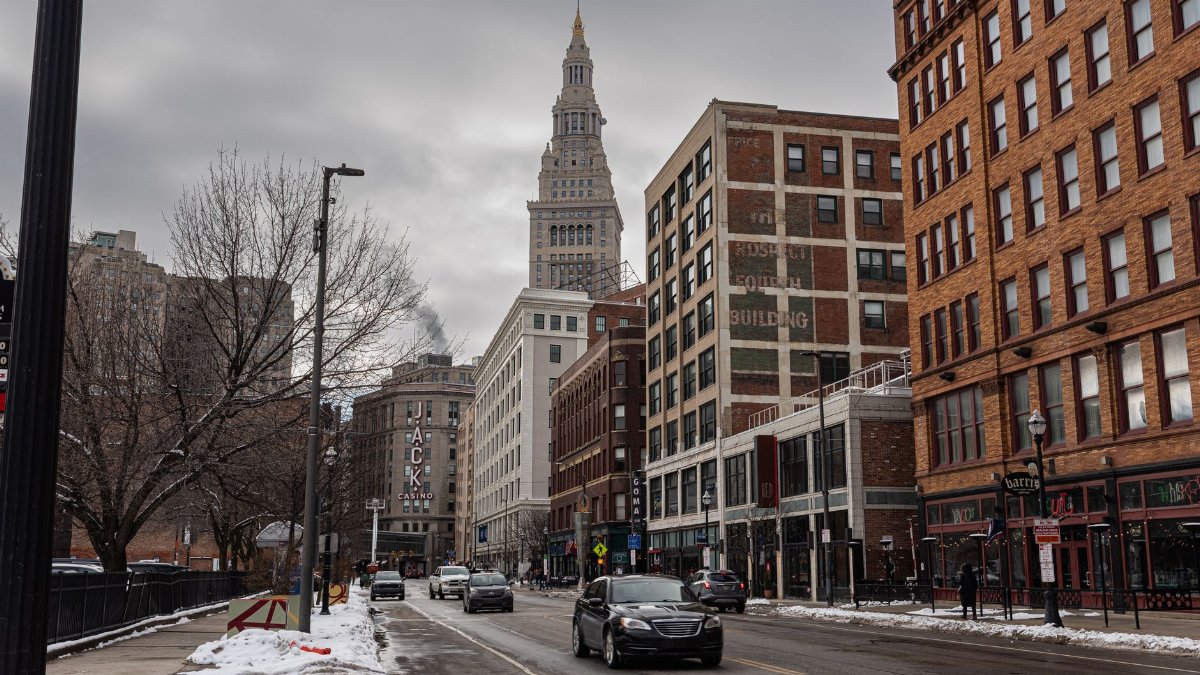
Cleveland is not a sentimental choice, though sentiment has a vote. The city sits inside a media market that reaches suburbs, mill towns, and Black neighborhoods whose turnout can decide close statewide races. It is also a place where political memory is thick. People can tell you which gym hosted which rally, which winter felt hopeful, which autumn felt like a door closing.
Democrats have learned, sometimes painfully, that a lake city cannot carry a state by itself. Rural counties and exurban rings have moved right, and no speech erases that shift in an evening. Still, parties return to Cleveland because density matters. A full hall here can seed volunteer lists across Cuyahoga County and into the counties that ring it. When the buses leave, the work is less glamorous: phone calls, church announcements, rides to the polls.
Sherrod Brown and the argument about work
Brown’s politics have always been easier to describe on a factory floor than in a donor salon. He talks about trade deals, overtime, and the insult of being told that a community’s decline was inevitable. In a cycle when national Democrats are again accused of speaking only to professionals, his presence is meant to signal that the party still wants the votes of people who punch a clock.
Obama and Brown have not always been identical in style. One rose as a writer of broad American sentences. The other built a brand on rumpled persistence and a canary pin. Together they can cover two emotional registers: aspiration and grievance without cruelty. Whether that combination still persuades Ohio independents is the open question. Many of those voters have heard both men before. Familiarity can be an asset or a reason to stay home.
Amy Acton and trust after crisis

Acton’s name still carries the pandemic for many Ohioans, and that memory is not neutral. Some remember a doctor who tried to explain risk in plain language. Others remember mandates, fear, and a sense that experts had claimed too much authority over daily life. Any joint appearance will have to live with both memories.
Her value to a ticket is not only biographical. Campaigns struggle to talk about care, hospitals, and aging parents without sounding like a brochure. A physician on stage can make those subjects concrete. She can also widen the evening beyond the usual partisan script, which matters in a state where many households contain both a union retiree and a nurse who works nights. If the rally becomes only a reunion of the already convinced, her presence will have been wasted.
What a former president still supplies
Obama no longer commands a government, and that limit is also a kind of freedom. He can praise without managing a bureaucracy. He can scold his own party, lightly, and still be cheered. He can remind younger voters of a time they mostly know from video. The risk is nostalgia that flatters the speaker more than it moves the listener.
People who have staffed his later rallies describe a practical effect that is easy to underestimate. His name fills seats that a Senate candidate cannot fill alone. Those seats become data: new volunteers, small donors, addresses in precincts that looked quiet in September. In that sense, when Obama campaigns Ohio Democrats, the speech is only half the product. The other half is the list built at the door.
A state that stopped being a coin flip

Ohio was once the nation’s favorite tiebreaker. That reputation has faded. Republican strength in statewide offices, a rightward drift outside the largest cities, and cultural fights over schools and identity have made Democratic victories feel exceptional rather than expected. Pretending otherwise would be a form of campaign poetry.
Yet exceptional is not the same as impossible. Close races still turn on a few points, and a few points can be found in Cleveland, Columbus, Dayton, and the smaller cities where Black voters, younger renters, and intermittent Democrats decide whether politics is worth an hour. The October 24 event is aimed at those intermittent citizens. Regular partisans do not need a former president to remember their duty. The uncertain ones might need a reason that sounds like respect rather than panic.
Rallies as civic ritual
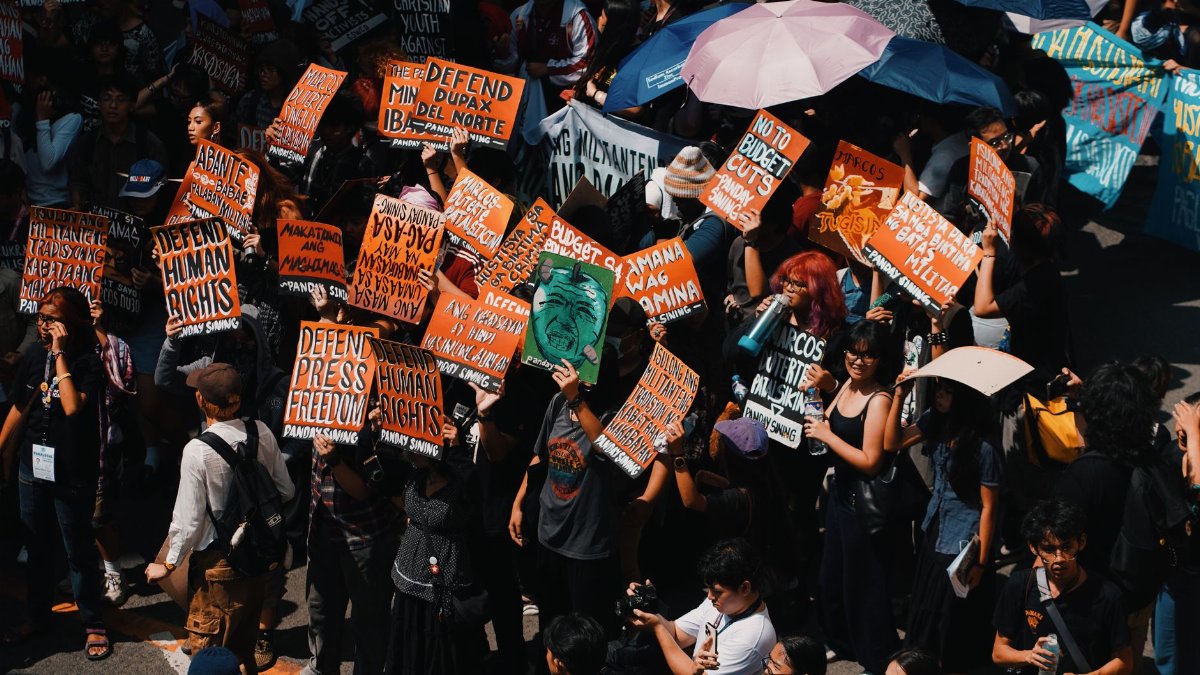
There is a spiritual dimension to mass politics that secular coverage often skips, and it is not confined to churches. A rally borrows the grammar of worship: gathering, music, testimony, a shared hope that individual worry can be lifted into common purpose. In Ohio, actual congregations still shape that grammar. Black churches, Catholic parishes, evangelical fellowships, and storefront ministries all teach people how to stand together and how to doubt together.
Democrats who ignore that landscape misread the state. Many voters hear campaign language through a moral filter long before they hear it through a partisan one. They ask whether a candidate seems to honor work, family, honesty, and the vulnerable. Obama has always been fluent in that register, sometimes to the irritation of activists who want sharper edges. On a Cleveland stage he is likely to return to responsibility, neighborliness, and the idea that self government is a daily practice. Those themes are not decorations. In a category of public life where meaning matters as much as messaging, they are the message.
The quiet rooms after the applause
The more interesting politics may happen away from the cameras. County chairs will use the visit to settle feuds. Labor leaders will ask for time. Faith organizers will want a line they can repeat on Sunday without sounding like operatives. Acton will meet nurses who still argue about 2020. Brown will meet workers who like him and distrust the national party that now stands behind him.
I have sat in enough of those side rooms, over years of covering campaigns, to know that the real negotiation is rarely about a slogan. It is about whether people believe they will be remembered on November 4 as well as October 24. A former president can open a door. He cannot live in the precinct. Local Democrats know this, which is why the best of them treat celebrity as kindling rather than as firewood.
Money, media, and the week that follows

A high profile visit changes a budget. Advertisements can point to a moment. Small dollar appeals can quote a sentence. Opponents can cut the same video into a warning about coastal influence, even when the speaker is a man from Chicago who has been coming to Ohio for nearly two decades. Both uses are predictable. Neither decides the race by itself.
What reporters should watch is the week after the rally, not the rally. Do volunteer shifts fill? Do local news stories linger past a single cycle? Do Brown and Acton sound more confident, or merely more surrounded? National attention is a solvent. It can dissolve apathy, and it can also dissolve a campaign’s own voice if every answer becomes a reference to the guest who already left town.
Memory of earlier Octobers

Older Ohioans can map Obama’s visits onto their own lives: a first vote, a lost job, a child who later moved to Columbus or left the state entirely. Those private timelines sit underneath public polls. They explain why some people will drive an hour for a glimpse and why others will change the channel. Politics is cumulative. A speech in 2026 is heard through every speech that came before it.
Younger voters lack that archive. For them the former president is a figure from their parents’ stories and from classrooms that still assign his earlier addresses. Reaching them requires less memoir and more present tense: rent, wages, climate, the fear that institutions are performed rather than believed. If the Cleveland program is only a reunion, it will comfort the middle aged and miss the people who have never had a political home.
Limits of one evening

No honest account should inflate what one appearance can do. Ohio’s political terrain was built over years of organizing, court fights, economic change, and cultural sorting. A former president does not redraw it between dinner and the late news. Republicans will answer with their own events, their own definitions of faith and freedom, and their own claim to be the party of work. Voters who have moved right for cultural reasons will not be argued back by charisma alone.
There is also fatigue. Americans have been asked, repeatedly, to treat each election as a final exam in national character. Some respond with intensity. Others respond by protecting their attention. A campaign that respects that fatigue, and still asks for a specific action, is more likely to be heard than one that offers only uplift.
How to read the pictures
When the photographs arrive, they will be easy to misread. A diverse crowd, a raised hand, a candidate looking grateful: these images confirm what supporters already feel. They do not count ballots. The useful questions are plainer. Who was in the room that had not been in a room like it this year? Which counties sent buses? Which lines from the speech were repeated, unprompted, by people who do not work in politics?
If Obama campaigns Ohio Democrats and the only result is a pleasant memory, both parties will draw the lesson they prefer. Democrats will say the base is alive. Republicans will say nostalgia is not a coalition. The more interesting result would be quieter: a few thousand people who leave with a job to do, and a ticket that sounds like Brown and Acton rather than like a guest appearance.
The moral stakes people actually name
Ask Ohio voters what they want from public life and the answers often sound spiritual even when the speaker never enters a sanctuary. They want to be told the truth. They want work that confers worth. They want children safe, elders cared for, and a politics that does not treat neighbors as enemies for sport. Those desires do not map neatly onto a party. They do explain why campaign visits still draw crowds in an age of clips and cynicism.
Obama’s gift, at his best, has been to treat those desires as adult rather than naive. Brown’s gift has been to attach them to paychecks and trade policy. Acton’s gift, if the evening allows it, may be to attach them to health and to the ordinary courage of people who kept showing up for strangers. A rally that holds all three notes would be worth the folding chairs. A rally that holds only one would be another loud night.
What remains after the lights dim

By the morning of October 25, Cleveland will look like itself again. The extra traffic will thin. Pastors will return to ordinary announcements. The test will belong to the campaigns, not to the guest. History is unkind to parties that rent enthusiasm and fail to build habits.
Still, it would be a mistake to sneer at the visit in advance. In a distrustful time, people gathering in person to hear an argument about their common life is not nothing. It is one of the few remaining civic habits that asks bodies, not just opinions, to show up. Whether Obama campaigns Ohio Democrats into a real shift, or only into a bright evening, will be settled later, in quieter rooms, by citizens who were never on the stage.