
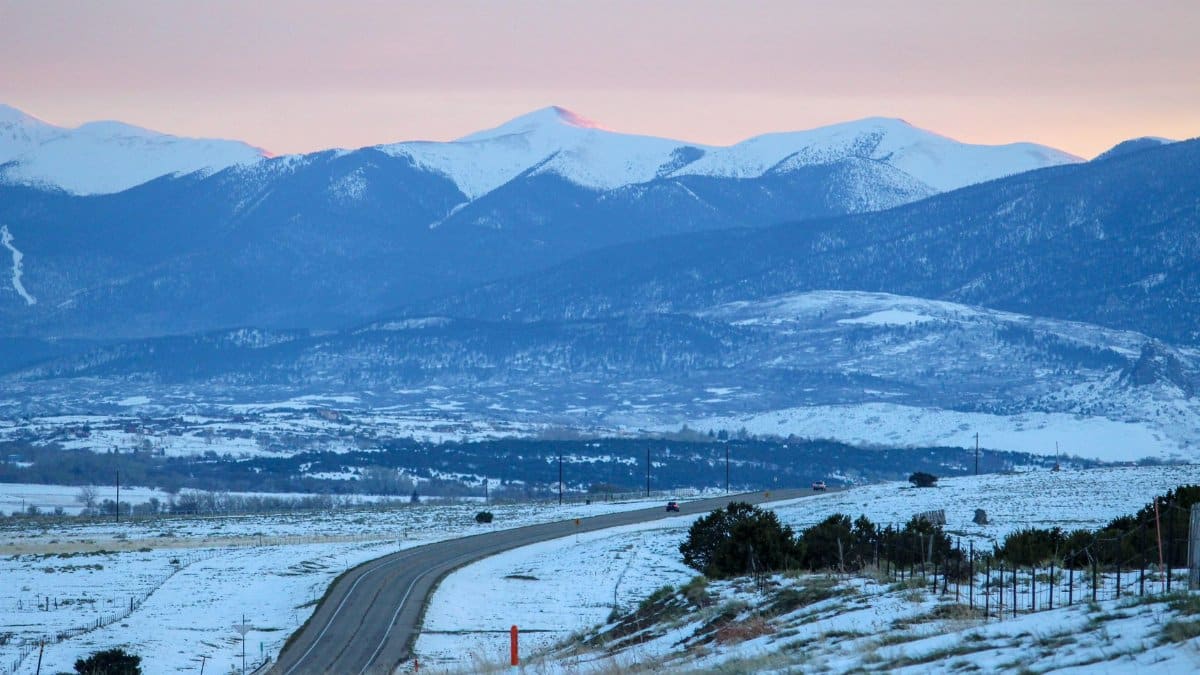
In the high peaks of the Rockies last season slopes that usually gleam white under winter skies stood bare and brown prompting skiers and scientists alike to confront a stark new reality. A recent analysis from researchers in the state showed that the Colorado snow drought experienced in the 2025 to 2026 season was made four times more likely because of climate change. This event serves as a warning for what lies ahead in the American West as temperatures continue to rise and weather patterns shift in lasting ways.
Understanding the Recent Drought Event
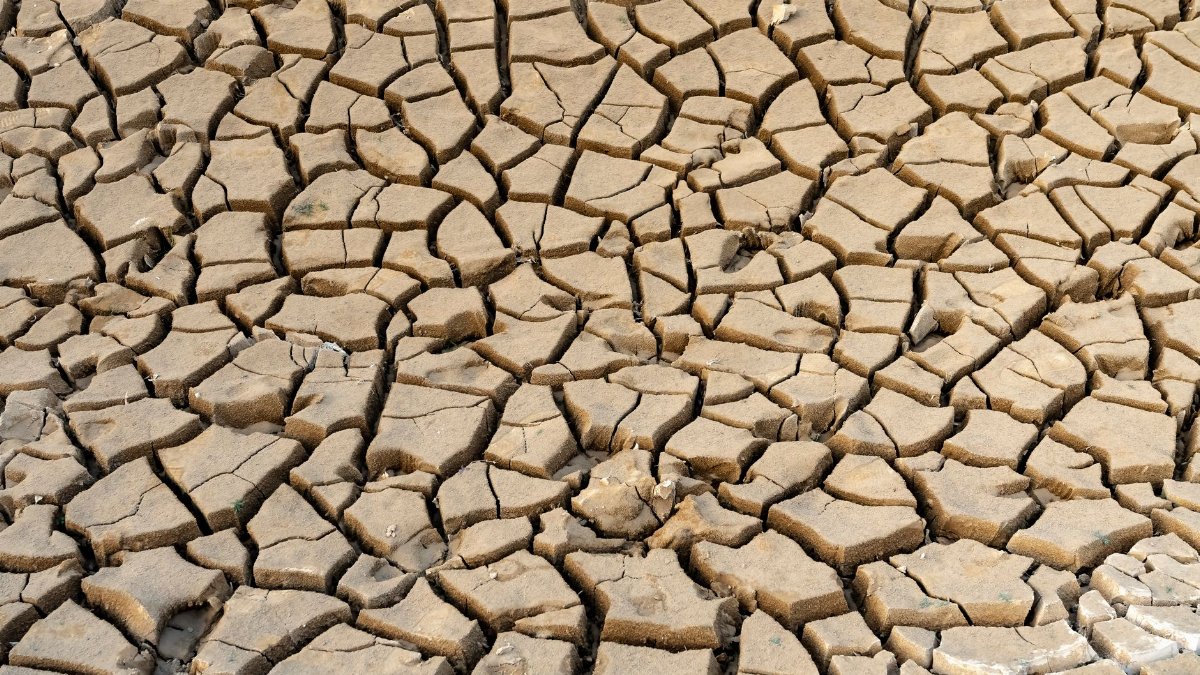
Researchers examined snowfall records across multiple basins and found that the absence of snow aligned with broader warming trends rather than random variation. The study used climate models to compare current conditions with those from earlier decades. Results indicated that human driven temperature increases played a central role in reducing snow accumulation during critical months.
Regional Variations Across the West
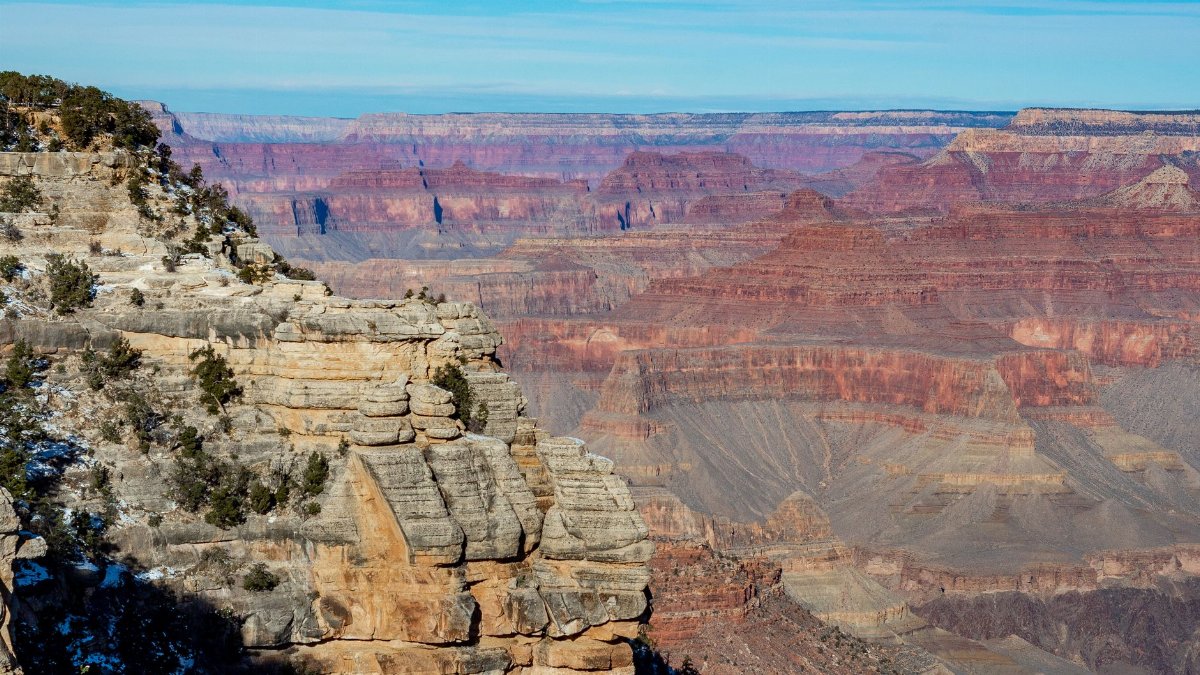
While Colorado faced sharp declines other western states showed similar patterns though with differences in timing and intensity. Areas at lower elevations suffered the most as rain replaced snow more often. Higher elevations retained some cover but still fell short of historical averages by wide margins.
Effects on Winter Recreation
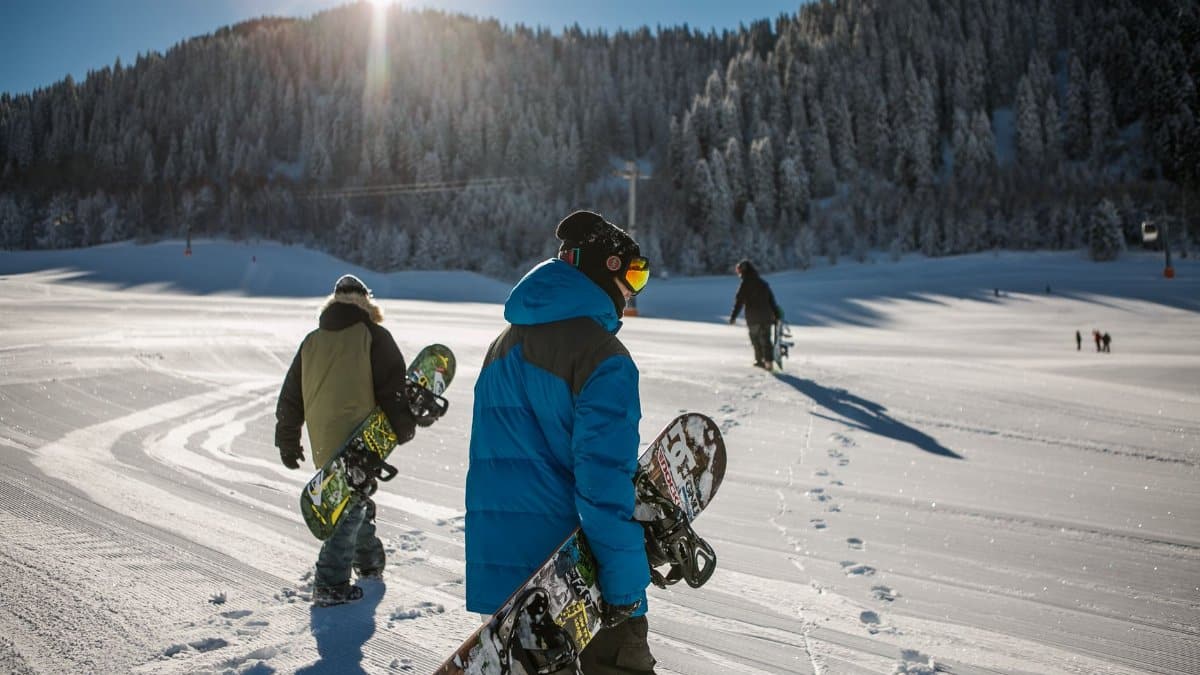
Ski resorts reported shortened seasons and reduced visitor numbers as natural snow cover failed to develop. Operators turned to snowmaking equipment more frequently which raised costs and strained water supplies. Local economies tied to tourism felt the pressure as jobs in hospitality and guiding services declined.
Consequences for Water Supplies
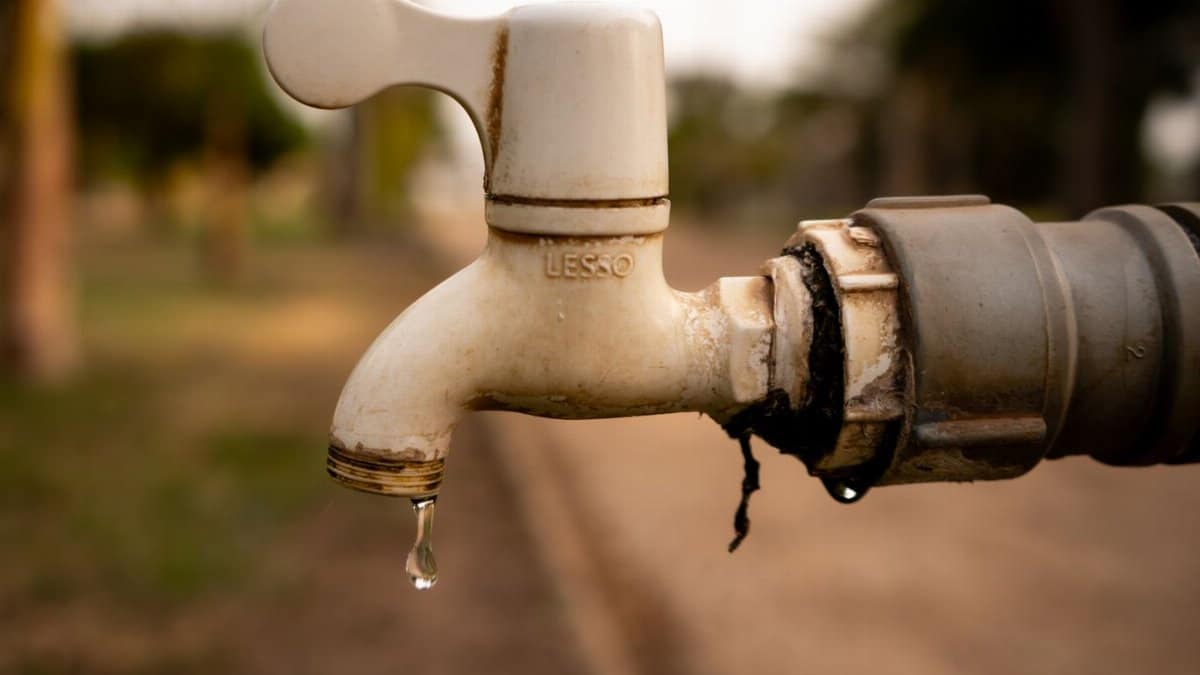
Snowmelt provides a major portion of water for rivers and reservoirs that serve farms cities and power plants. With less snow stored in mountains spring runoff arrived earlier and in smaller volumes. Planners now examine storage options and conservation measures to offset future shortfalls during dry periods.
Changes in Forest and Wildlife Patterns
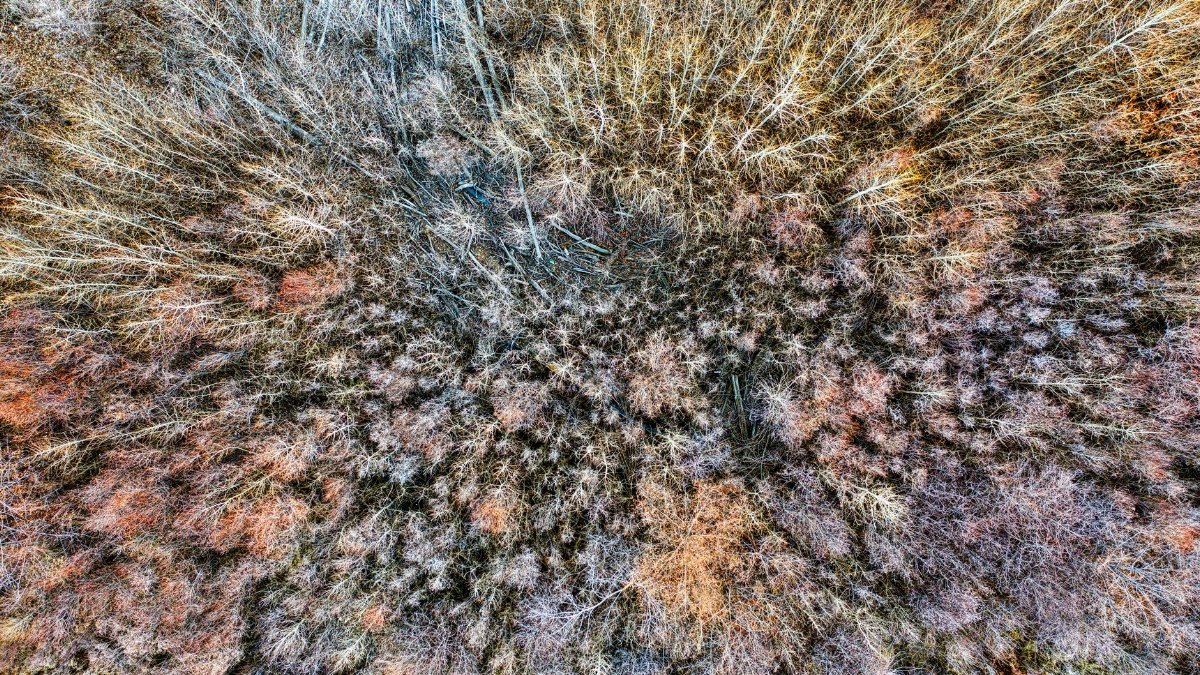
Reduced snow affects soil moisture and plant growth which in turn influences habitats for deer elk and smaller mammals. Forests face higher risks from pests and fires when winter insulation is thin. Scientists track these shifts to predict long term ecosystem adjustments.
Community Responses and Adaptations

Towns throughout the region have begun revising emergency plans and promoting water efficient practices among residents. Some areas explore new crops or irrigation techniques suited to drier conditions. Collaboration between state agencies and private groups has increased to share data and resources.
Looking Toward Midcentury Conditions

Projections from the same research team suggest that similar snow droughts could become far more common by the middle of the century under continued warming. Odds may rise by factors of ten or more depending on emission levels. These estimates underscore the need for proactive steps in infrastructure and land management.
Broader Implications for National Policy

The findings add weight to discussions about emission reductions and support for renewable energy sources. Federal funding for climate research and adaptation projects may grow as evidence mounts. Western states seek greater input in national strategies that address shared challenges like water allocation.