
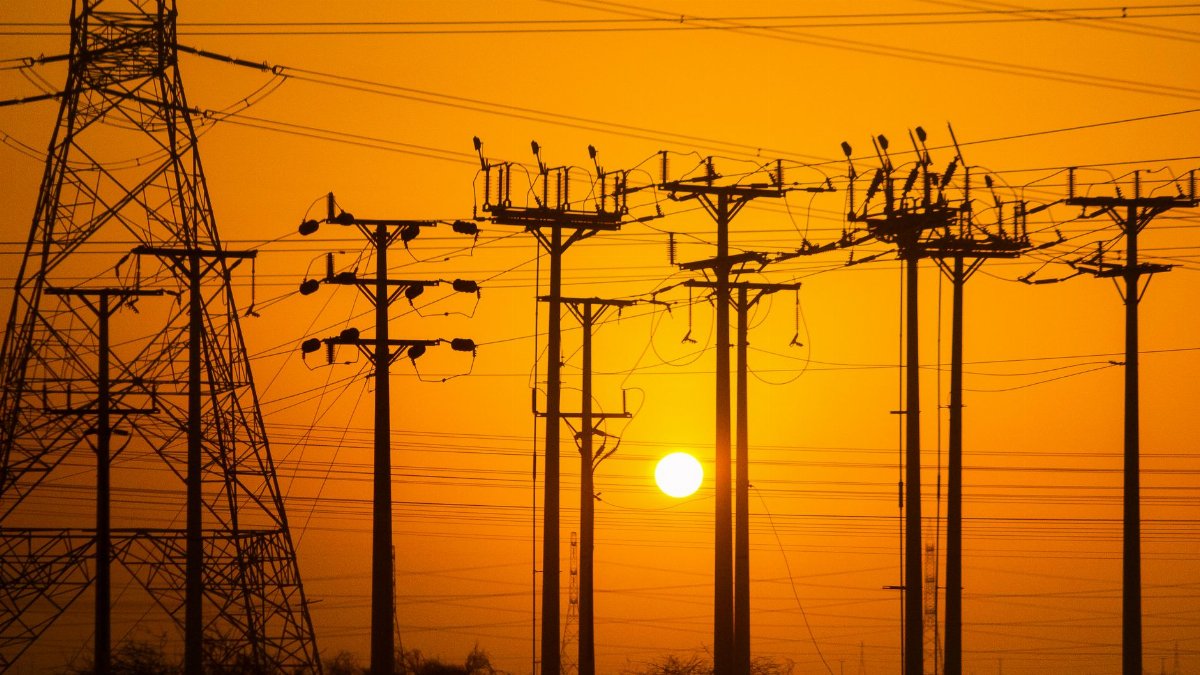
On a January evening in a Minneapolis bungalow, the electric bill often lands with the same quiet weight as the snow on the steps. Heat pumps hum. Lights stay on later. For households that already track every dollar, the next notice from the utility is not an abstract policy fight. It is a number that decides whether the grocery list shrinks. Into that ordinary anxiety comes the Xcel Minnesota rate freeze proposal, a plan that would hold electric rates steady for two years while the company draws on federal tax credits tied to battery projects.
What the filing actually seeks
Xcel Energy, the dominant electric utility for much of Minnesota, has asked state regulators to pause increases in base electric rates through 2028. The company presents the pause as a stretch of predictability after a run of cases that lifted monthly charges. A freeze is not a cut. Customers would still pay for the kilowatt hours they use. Fuel adjustments, conservation charges, and other riders can still nudge a total even when the base price holds still. A family that adds a second electric vehicle, or a shop that runs a night shift, can owe more money without any change in the posted rate.
The request is also a bet on timing. Large utilities rarely stop building. They file, they spend, and they return to the commission when the books no longer match the rates. A two year pause asks regulators to accept that some of those costs can wait, or can be covered by money that does not come straight from Minnesota meters.
Where the 82 million would come from
The financial hinge is federal tax policy. Under the plan described in recent Minnesota reporting, Xcel would apply 82 million dollars in federal tax credits associated with battery projects toward the goal of keeping rates flat. Tax credits are not checks mailed to a kitchen table. They reduce what a company owes the federal government. If regulators agree, that relief can offset costs that would otherwise be recovered from customers.
That structure is easy to miss in a headline about a freeze. The Xcel Minnesota rate freeze proposal treats the credits as a bridge across a period when the company still wants to add storage to the grid. Without those credits, the same capital plan would press more directly on bills. With them, shareholders and customers share a different arithmetic, one that depends on tax law remaining intact and on the projects qualifying as the company expects.
Bills that stay flat and bills that do not

Flat rates sound simple until a household opens the full statement. The energy charge is only one line. Fixed customer charges, taxes, and program fees sit beside it. Winter use in Minnesota is not a gentle curve. A cold snap can double consumption in a week. If the price per unit does not rise, the bill can still climb because the house used more power to stay habitable.
Low income customers feel that math first. Assistance programs and budget billing can smooth the shock, but they do not erase it. A pause in base rates may keep a bad year from becoming a worse one. It does not, by itself, redesign a system in which heating, cooking, and now driving all pull from the same meter. Regulators will be asked whether a freeze that looks generous on a press release still leaves vulnerable households exposed when January arrives.
Batteries as the quiet engine of the deal
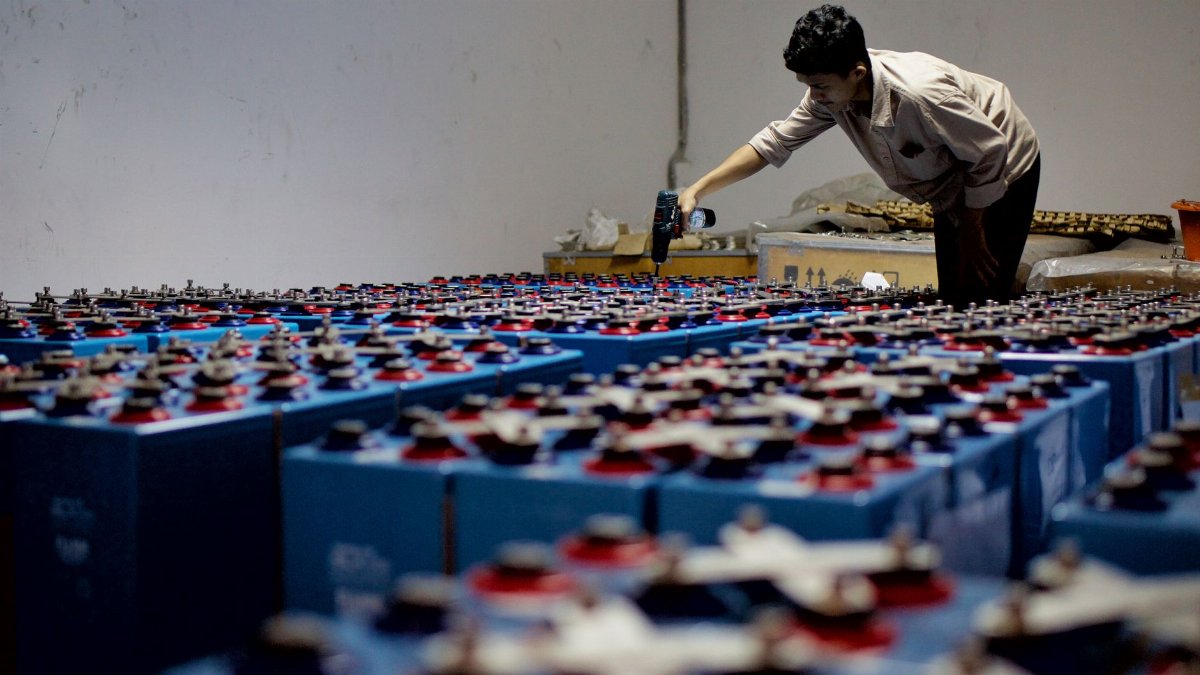
Storage is the physical project behind the tax story. Batteries do not generate electricity. They hold it, then release it when demand spikes or when wind and solar output dips. For a northern grid, that job is less glamorous than a new turbine and more urgent than a slogan. Evening peaks, plant outages, and transmission limits all become easier to manage if stored energy can be called in minutes rather than hours.
The credits exist because federal policy has tried to speed that buildout. Xcel is not alone in chasing them. Utilities across the country are pairing storage with renewable contracts and telling commissions that tax benefits can soften the rate impact. Minnesota’s version is specific: a defined sum, a defined pause, and a promise that customers will see the benefit as stability rather than as a one time rebate. Whether 82 million dollars is large enough to carry two years of ambition is a question the filing must answer in exhibits, not in adjectives.
A commission that still has to say yes

None of this is self executing. The Minnesota Public Utilities Commission decides what rates are just and reasonable. A company proposal is an opening brief, not a verdict. Staff, the attorney general’s office, large power users, and consumer groups will test the assumptions. They will ask whether the credits are certain, whether the battery costs are prudent, and whether a freeze hides increases that will arrive in a lump after 2028.
Hearings can look technical and still turn on plain questions. Who benefits if the projects slip? Who pays if tax law changes in Washington? Is the company forgoing a rate case it would otherwise win, or is it asking customers to finance a public relations pause? Those questions are the actual work of regulation. The Xcel Minnesota rate freeze proposal will live or die in that record, not in the first news cycle.
Advocates who want more than a pause

Consumer advocates tend to welcome any plan that stops an immediate hike, then look for the catch. A freeze can be a ceiling or a delay. If capital spending continues and is merely parked until the next case, customers may face a steeper climb later. Groups that represent residential users often argue for bill credits, stronger low income discounts, or a clearer sharing of tax benefits rather than a simple hold on the base rate.
Environmental groups face a different tension. They generally want storage and cleaner generation built quickly. They also do not want clean energy branded as an endless excuse for higher bills. A deal that uses federal credits to shield customers can align those goals for a while. It can also become a template in which every new project arrives with a promise of temporary calm and a less visible promise of future recovery. Skeptics will read the fine print for both.
Factories, data centers, and other large loads
Residential customers are the public face of a rate story. Industrial and commercial users often move the dollars. A factory, a hospital campus, or a data center can consume as much power as a small town. Those customers negotiate, intervene in cases, and sometimes threaten to leave a service territory if rates drift too far from neighboring states.
Minnesota has courted energy intensive employers while also trying to decarbonize. A two year pause may help that sales pitch. It may also frustrate large users who believe they already subsidize other classes, or who want time of use designs that reward flexible operations. If the freeze applies unevenly across classes, the politics will sharpen fast. The commission has spent years on cost allocation fights. This filing will not erase that history.
Winter peaks and the promise of storage

Reliability is the argument utilities reach for when the bill debate turns sour. Minnesota winters are not theoretical. Polar air, ice on lines, and gas plant constraints have all tested the region. Batteries will not replace a fleet. They can, in the right locations, cover short gaps, support voltage, and reduce the need to fire up the most expensive plants for a few hours.
Customers are right to ask for proof. A credit on a tax form does not keep a neighborhood lit. Only equipment that is built, interconnected, and maintained does that. Regulators should want construction schedules, performance guarantees, and a plain account of what happens if a project is late. The public interest is not served by treating storage as a moral good that excuses weak execution. It is served by equipment that shows up when the temperature drops.
Politics around a temporary calm

Utility rates have become a kitchen table issue in legislative races, city councils, and governor’s offices. Leaders like to announce relief. They like it less when the relief depends on a federal credit that a future Congress could narrow. The pause through 2028 sits on a political calendar as much as an engineering one. It offers incumbents a period in which they can say bills are not rising because of a new base rate case.
That calm is real if the commission approves it and if no other charge fills the gap. It is also fragile. Fuel prices, storm restoration, and new mandates can all reopen the conversation. A company that wins a freeze and then seeks a series of special riders will teach the public to distrust the word pause. Trust, once spent, is expensive to buy back at the next hearing.
How this moment compares with recent cases
Minnesota rate cases have grown longer, more technical, and more political as the grid adds renewables, retires older plants, and hardens against weather. Settlements have often split the difference between company requests and intervenor cuts. A freeze is a different creature. It asks parties to agree not only on a number but on a holiday from the usual cycle.
History suggests holidays end. Deferred costs have a way of returning with interest, figurative or literal. The useful comparison is not whether this filing is kinder than the last increase. It is whether the company has shown a credible path for the years after the holiday, and whether customers are being asked to applaud a delay they will finance later. Commissioners who remember the last settlement fight will read this record with that memory intact.
What customers can watch for next

The practical advice is unglamorous. Read the docket, not only the summary. Watch whether the 82 million dollars is a firm figure or a ceiling that shrinks if projects slip. Watch whether any rider is excluded from the freeze. Watch the proposed effective dates and the definition of base rates. Those details decide whether a household budget can actually plan.
Public comment still matters, even in a process dominated by lawyers. Commissioners notice when ordinary customers describe a bill in concrete terms. They also notice when comments repeat a slogan without engaging the filing. A grounded letter about winter use, medical equipment, or a small business margin does more work than a generic demand to reject everything.
The years after the pause ends

Every freeze contains a sequel. If the commission approves the plan, 2028 will arrive with a new question: what rate is justified once the bridge of tax credits has been used? Batteries placed in service will have a depreciating book value. New generation contracts will have a price. Demand from electrified heat and transport may be higher. The company will almost certainly return with a case that looks familiar.
The honest frame for the Xcel Minnesota rate freeze proposal is therefore modest. It is a proposal to trade a near term hike for a structured use of federal credits and a promise of storage on the system. It is not a permanent solution to energy affordability, and it is not a verdict on whether the broader buildout is wise. Those judgments belong to the commission, and then to the customers who will live with the result when the pause is over.
A narrower kind of relief

There is a temptation, in energy politics, to treat any pause as victory or any utility filing as capture. Neither reading fits the facts on the table. A two year hold, financed in part by 82 million dollars in credits for batteries, can be a responsible use of federal policy. It can also be a way to postpone a harder conversation about who pays for a grid in transition.
Minnesota has the institutions to force that conversation into the open. The Xcel Minnesota rate freeze proposal deserves a full hearing, a skeptical reading, and a clear order that customers can understand without a law degree. Predictable bills are a public good. So is a record that shows exactly how that predictability was bought, and what it will cost when the calendar turns.