

In a quiet stretch of road winding past historic cemeteries and studio lots, a transportation plan once meant to improve safety for cyclists has become the latest flashpoint in Los Angeles politics. Mayor Karen Bass pulled back from installing protected lanes along Forest Lawn Drive following complaints from nearby homeowners about traffic flow and emergency access. The episode has drawn sharp words from other elected officials and set the stage for Bass cancels Forest Lawn bike lanes Raman criticism to shape conversations ahead of upcoming votes on city mobility projects.
Origins of the Proposed Lanes

Forest Lawn Drive sits in a corridor where daily commutes mix with tourist traffic and studio deliveries. City planners had identified the stretch as suitable for added protection after reviewing collision data from the past five years. The design called for physical barriers separating bicycles from cars in both directions. Early outreach meetings drew modest attendance until word spread that parking spots might be reduced in some sections.
Local Opposition Gathers Force

Residents along the route formed a petition drive that collected several hundred signatures within weeks. They argued that narrowing travel lanes would slow response times for fire and medical crews heading to nearby neighborhoods. Some also worried about delivery trucks losing space to maneuver during peak hours. These points reached the mayor office through direct letters and calls from district representatives.
Bass Decision and Immediate Aftermath

After reviewing the feedback, the mayor directed staff to halt further design work on the Forest Lawn segment. The announcement noted that alternative safety measures such as improved lighting and signage would be studied instead. Supporters of the original plan expressed disappointment while opponents welcomed the pause. This sequence of events prompted renewed focus on Bass cancels Forest Lawn bike lanes Raman criticism as a measure of leadership priorities.
Raman Public Response
Council member Nithya Raman issued a statement questioning the reversal and urging a return to data driven safety upgrades. She highlighted recent crashes involving cyclists and called for renewed public meetings that include input from bike commuters. Her remarks added to a growing list of differences between the two officials on street design issues across the city.
Impact on Daily Cyclists

People who ride the corridor for work or exercise now face continued exposure to fast moving vehicles without physical separation. Some have shifted to parallel streets that lack even basic markings. Local advocacy groups report an uptick in calls from riders seeking alternate routes that feel less exposed.
Broader City Transportation Goals
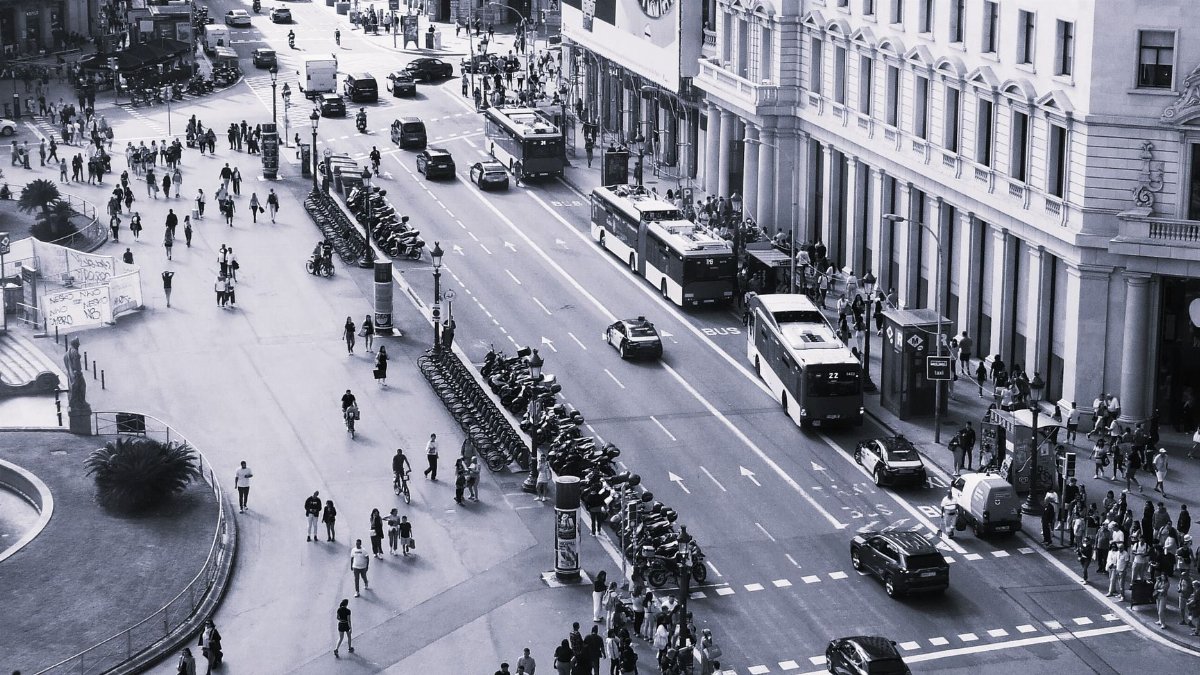
Los Angeles continues to pursue an ambitious network of protected lanes under earlier adopted plans. The pause on this one segment raises questions about how future projects will handle similar resident concerns. Officials must balance safety targets with practical concerns over access and parking in established areas.
Political Context for the Mayor Race

With municipal elections approaching, transportation choices are likely to surface in candidate forums. Observers note that Bass cancels Forest Lawn bike lanes Raman criticism could serve as a reference point when voters weigh records on infrastructure delivery. Both leaders have emphasized different aspects of equity and safety in past public appearances.
Lessons from Similar Projects Elsewhere

Other cities have adjusted lane designs after initial opposition by adding turn pockets or adjusting barrier placement. Those adjustments sometimes preserved enough support to move forward while addressing access worries. Los Angeles staff may examine those examples as they consider revised options for the corridor.
Next Steps for Forest Lawn Drive

City engineers have been asked to model several lower cost interventions over the coming months. Public workshops are expected to resume once preliminary sketches are ready. The outcome will influence how similar corridors are approached in the months ahead.
Public Safety Data Review

Police collision records show a handful of incidents involving cyclists along the drive in recent years. Advocates point to these numbers when pressing for physical protections. City analysts continue to monitor the segment while exploring ways to reduce conflicts without major reconfiguration.