
On a Saturday night when college football usually offers a clean story, the Sam Houston Bearkats loss WKU left a more complicated picture. The Bearkats stayed winless in Conference USA play after a home defeat to Western Kentucky, and the offense never found a reliable way to put points on the board. For a program still settling into a new league, the result felt less like a single bad evening and more like a question that will follow the team into the next week. Fans in Huntsville came looking for a spark. They left with another reminder that conference football punishes hesitation, missed chances, and drives that stall before they become points.
A home night that never turned

Home games are supposed to simplify the task. The crowd is familiar, the routine is known, and the field does not require a long bus ride or a late hotel checkout. None of that guarantees points. Western Kentucky arrived with enough discipline to keep Sam Houston from turning field position into a sustained attack. Drives that began with promise ended in punts, short field goals that never came, or sequences in which the Bearkats needed one more conversion and did not get it.
That pattern matters more than any single play. A home loss in conference play is not only a mark in the standings. It is a missed chance to bank a result while the schedule is still young enough to be repaired. Programs that stay winless through the early conference weeks spend the rest of the season chasing, and chasing changes how coaches call games and how players carry themselves between snaps.
Why the scoreboard told the real story
The title of the night was not mystery. It was production. Sam Houston remains winless in Conference USA play because the Bearkats could not generate points at home against Western Kentucky. That sentence is blunt, and it is also the fairest summary available without dressing the evening in excuses. Offense is a collective craft. It asks the line to hold, the quarterback to see the field on time, the receivers to win at the catch point, and the run game to keep the defense honest. When several of those pieces arrive a beat late, the scoreboard stays quiet.
Quiet offenses create a second problem. The defense is asked to win low scoring games, which sounds noble until the opponent strings together one clean drive and the margin becomes permanent. Western Kentucky did not need a spectacular night to leave Huntsville with the result. It needed to be cleaner in the moments that decide possessions. Sam Houston, by the look of the evening, was not.
An offense still searching for an identity
Every offense wants a signature. Some teams lean on a power run and play action that follows from it. Others spread the field and live on timing. The Bearkats have not yet shown a version of either approach that travels inside Conference USA. Against Western Kentucky, the struggle was not a lack of effort. It was a lack of finishes. Moving the ball between the twenties is not the same as scoring. College defenses are built to bend in the middle of the field and then tighten near the goal line, where windows shrink and one missed assignment ends the series.
Identity also shows up in third down. A team that converts often enough can hide imperfect early downs. A team that does not convert gives the ball back and invites the opponent to play with a lead. The Sam Houston Bearkats loss WKU fit that second pattern. Possessions felt short. The crowd never settled into the rhythm of a team that believes the next snap will produce points. Belief is not a statistic, but it is visible, and it was hard to find once the game settled into a grind.
What Western Kentucky brought to Bowers Stadium
Western Kentucky has spent years as a program comfortable with tempo, quarterback play, and the idea that offense can be a weapon rather than a hope. Even on nights when the Hilltoppers are not at their most explosive, they tend to understand what they are trying to do. That clarity is an advantage against a host still learning how conference Saturdays feel. Clarity does not require trick plays. It requires eleven players who know the call and trust the next one.
For Sam Houston, the visitor was a measuring stick as much as an opponent. Conference USA is not a single style of football. It is a collection of programs with different resources, different quarterback rooms, and different ideas about how to steal a road win. Western Kentucky has enough of a track record to arrive expecting to execute. The Bearkats are still collecting evidence about what their own standard should be. Evidence collected in a loss is useful only if it changes the next week of practice.
The particular pain of staying winless

Winless is a harsh word because it erases the almost. Almost conversions, almost stops, almost home nights that tilt the other way. In a conference race, almost does not travel. The standings record wins, and a team with none in league play has no cushion when November arrives. Sam Houston does not need a poet to explain that. The players know the column. So do the coaches who will be asked, fairly, what the offense is supposed to become.
There is a difference between a bad loss and a revealing one. A bad loss can be an outlier, a night of turnovers or a special teams mistake that warps the score. A revealing loss shows a problem that was already present. Offensive struggle against Western Kentucky looked revealing. It matched the larger conference picture rather than contradicting it. That is harder to file away as one rough Saturday.
How a crowd hears an offense that cannot score
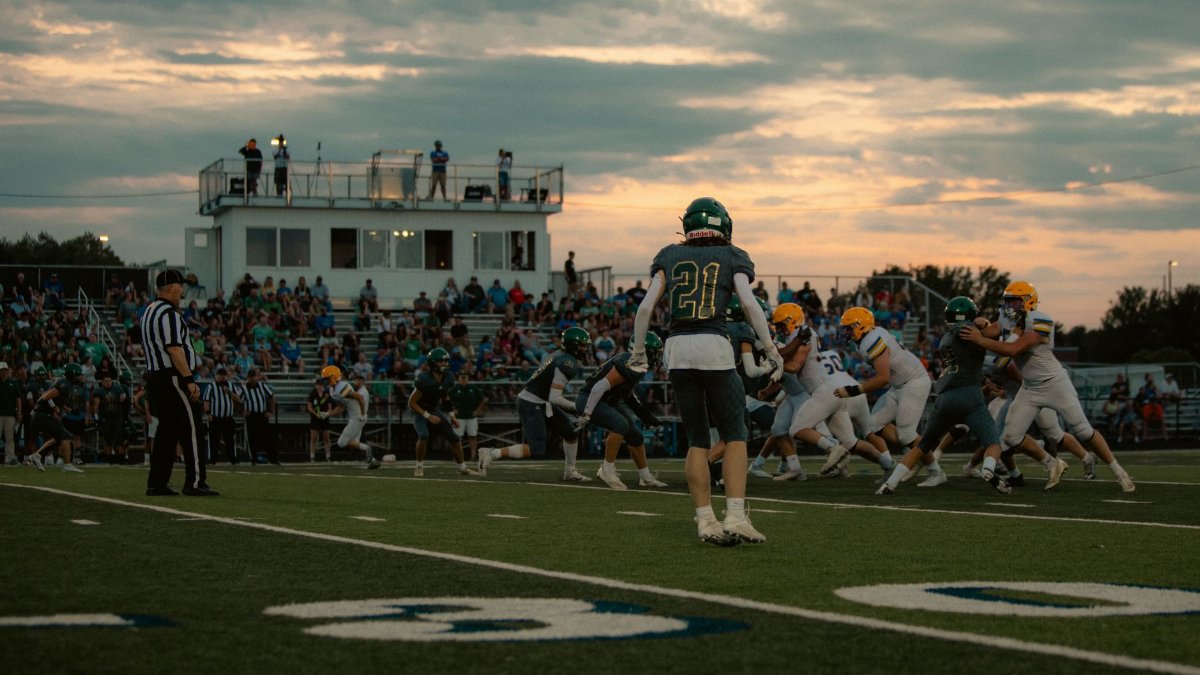
Huntsville has invested in this program through a move up in classification and into a new conference. Investment creates patience, and it also creates a sharper ear. Fans can forgive a defense that bends if the offense answers. They have a more difficult time with empty trips into scoring range. The sound in a stadium changes when a drive dies. It is not anger at first. It is a thinning of noise, a collective recalculation of what the night might still offer.
That sound is part of the sport, and it is not cruelty. It is feedback. College football towns talk through the week in offices, in church parking lots, and at kitchen tables. After the Sam Houston Bearkats loss WKU, those conversations will not linger on a single missed tackle. They will linger on why points were so hard to find at home. Programs hear that talk whether or not they admit it. The useful response is not a speech. It is a clearer plan for how the next opponent will be attacked.
Coaching choices when the points will not come

Coaches live in a narrow corridor on nights like this. Call the same concepts and risk looking stubborn. Abandon them too early and risk looking lost. The middle path is adjustment without panic: a different personnel group, a simpler route, a run that forces the defense to declare its fit. None of those choices guarantee a touchdown. They do signal that the staff sees what the defense is taking away.
From the outside, it is impossible to know which calls were available and which protections failed. That uncertainty should temper any rush to blame one position. What can be said is simpler. The offense did not generate enough points to win a home conference game. Until that sentence changes, schematic debates are secondary. Players still have to block, throw, catch, and finish. Scheme is only as real as the snap that follows it.
Conference USA is a different weekly test

Moving into a new league is often described as a milestone, and then the milestone becomes a schedule. Each Saturday asks whether the roster, the depth chart, and the preparation match the opponent in front of you. Western Kentucky is one answer. Other Conference USA teams will offer different ones. Some will try to run the ball and shorten the game. Some will spread Sam Houston out and hunt explosives. A winless start means the Bearkats have not yet found an answer that holds for sixty minutes.
That does not make the program a finished story. It does make the next month more urgent. League races reward teams that steal one game they were not supposed to steal. They punish teams that wait for the offense to announce itself. Waiting is a luxury Sam Houston no longer has if the goal is a respectable conference record rather than a long explanation of how close the games felt.
What the players can still control

Standings are public. Practice is not. The part of this loss that can still be useful lives in film and in the habits that film exposes. Late eyes in protection. Routes that settle instead of breaking. Runs that bounce outside when the crease was inside. These are ordinary football problems, and ordinary problems are the ones good teams actually fix. Spectacular problems make headlines. Ordinary ones decide whether a season bends back toward competitiveness.
Players also control how they speak about a night like this. Blame is easy and rarely accurate. So is the empty promise that everything will be fine. The more credible tone is specific. We did not finish drives. We did not convert when the field got short. We let a home crowd watch an offense search instead of impose. Specific language is the beginning of specific work. The Sam Houston Bearkats loss WKU will fade as a headline. The habits that produced it will not fade unless someone names them.
A measuring stick rather than a verdict

It is tempting, after a loss that keeps a team winless in conference play, to write a verdict. Verdicts are cleaner than football. Football still has weeks left, and weeks are where programs either repeat themselves or interrupt the pattern. Western Kentucky showed what a more settled offensive idea can do on the road. Sam Houston showed what happens when points do not arrive to support whatever the defense managed to hold together.
The fair reading sits between panic and comfort. Panic ignores the fact that conference seasons are long and that one home night does not define a roster. Comfort ignores the fact that the offensive problem has now shown up in the only games that sort the league. Neither posture helps a quarterback on third down. The useful posture is attention: to protection, to play calling that matches the players on the field, and to the simple demand that drives end in points more often than they end in punts.
How the next Saturday should be judged

The next opponent will bring a new set of looks, and it will be easy to treat that game as a fresh start. Fresh starts are a fan comfort. For the staff, the better standard is continuity. Did the red zone looks improve? Did third down become less of a coin flip? Did the run game create the play action that this offense seems to need? Those questions can be answered without waiting for a perfect stat line.
Judging only the final score would also miss the point, even though the final score is what the standings keep. A win that hides the same empty possessions would be a postponement. A loss that includes sustained drives and finish would at least suggest the problem is moving. The Bearkats need the points first. Style can follow. Conference USA will not pause while an offense finds its voice.
What Huntsville should take from the night

A college town does not abandon a team after one conference loss, and it should not pretend the loss was only bad luck. The honest takeaway is narrower and more useful. Sam Houston was at home. Western Kentucky was good enough. The Bearkats offense did not generate the points required to change either of those facts. That is a football problem with football remedies, not a mystery and not a moral failing.
Supporters can hold two ideas at once. They can believe the program belongs in this league, and they can admit that belonging is proved on Saturdays, not in announcements. The Sam Houston Bearkats loss WKU proved that the offensive standard is not yet where a home conference win requires it to be. The weeks ahead will show whether that sentence was a low point or a description that keeps repeating. Football is patient with nobody, and the scoreboard in Huntsville already made that clear.