
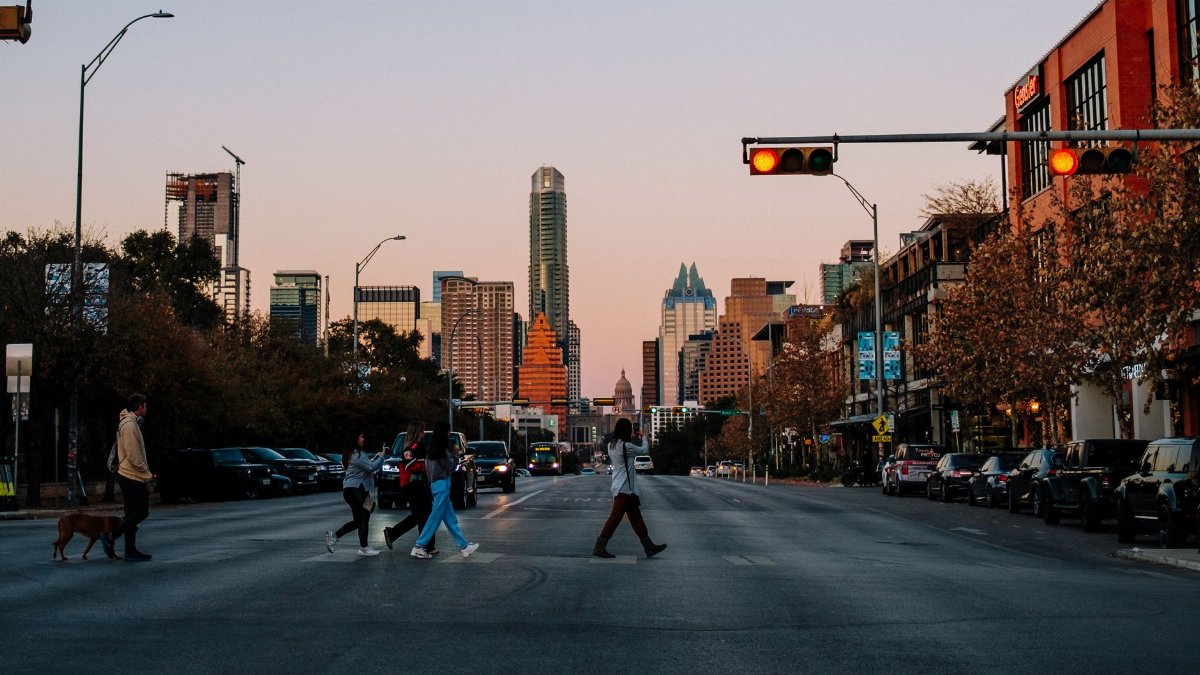
The light holds amber a beat longer than the driver expects, and the car in the next lane commits anyway. Horns follow. In North Texas that moment is ordinary, and it is also how a routine commute becomes a police report. State crash files and city traffic work keep returning to the same trouble: Dallas Plano dangerous intersections concentrate risk where wide roads, short gaps, and impatient turns meet. Anyone who drives between the two cities already knows the feeling. The map looks familiar. The stakes do not.
Why these crossings keep injuring people
An intersection is a contract written in paint and timing. When that contract is unclear, drivers fill the gap with habit. Dallas and Plano share a landscape of arterial roads built for speed and later asked to serve shopping, schools, and dense job centers. The result is a set of crossings where several lanes, protected and unprotected turns, and long pedestrian distances all compete for the same few seconds of green.
Engineers talk about conflict points, the places where paths can cross. A simple four way stop has few of them. A multilane signal with dual left turns and a free right has many. Most severe urban crashes are not mysteries. They cluster where those conflict points meet higher speeds and where drivers must judge a gap they cannot quite see.
What official crash files can and cannot tell you

The Texas Department of Transportation keeps crash records that cities and reporters use to spot repeat sites. The public gateway is on the agency site at txdot.gov. Those files are essential, and they are also incomplete in the way all police reports are incomplete. A midyear extract, including any list covering January through August 2026, will miss late filings, and it will not explain why a site is bad. Volume, speed, signal timing, and land use all sit outside the raw tally.
Treat rankings as a starting map, not a verdict. A crossing with many fender benders may be less lethal than a quieter site where speeds are higher. Dallas Plano dangerous intersections look different once injury crashes are separated from property damage only events. That distinction should lead any serious reading of the data.
Plano growth pressed old roads into new work
Plano spent decades adding jobs along corridors that were once fringe highways and farm to market routes. Legacy area offices, retail at major corners, and neighborhoods set back behind sound walls all feed the same signals. Preston Road, Independence Parkway, Coit Road, and the approaches to the Dallas North Tollway carry a mix of local trips and regional through traffic. Those users do not share the same expectations.
A commuter trying to hold a speed and a parent turning into a school queue are solving different problems in the same box of asphalt. When development outruns the original design, cities add lanes or lengthen greens. Sometimes that helps throughput and worsens the turn. Plano has invested in signal coordination and spot improvements, yet growth keeps rewriting the demand. The dangerous sites are often the successful ones, the corners everyone needs.
Dallas still runs on a grid built for another era
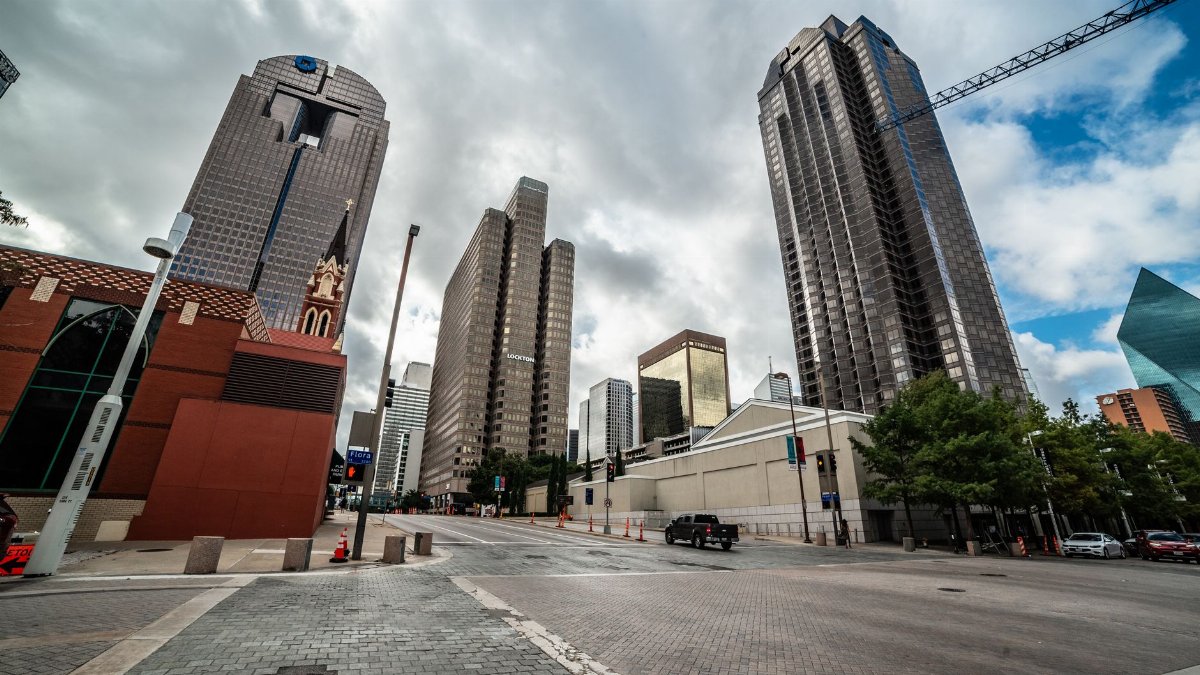
Dallas has a tighter street grid in older neighborhoods and a freeway skeleton that dumps traffic onto frontage roads and major arterials. Central Expressway, Northwest Highway, LBJ frontage, and Harry Hines Boulevard generate crossings where ramp merges sit close to signals. Drivers who have just left a high speed facility are still calibrated to freeway pace when the first light appears.
That mismatch shows up in rear end chains and in side impacts when someone tries to beat a short gap. Dallas Plano dangerous intersections are not only a suburban story. Inside Dallas, bus routes, freight, and neighborhood cut through traffic share corners that were never given much room to fail safely. A mistake at 25 miles per hour and a mistake at 45 are not the same event, even if the police code looks similar.
Left turns remain the hard geometry

Unprotected left turns ask a driver to find a gap across two or three lanes of oncoming traffic, often with a glare of headlights or a line of vehicles waiting in the opposing turn bay. National safety agencies, including the National Highway Traffic Safety Administration at nhtsa.gov, have long flagged intersection crashes as a leading urban harm. The local version is familiar: a permitted left on a wide arterial, a yellow trap, a driver who looks left and misses the motorcycle or the car in the far lane.
Protected only left phases remove that gamble. They also eat green time, which is why agencies hesitate on corridors already failing their delay targets. The trade is real. Delay is annoying. A right angle hit at speed is not. Where crash history is stubborn, the protected phase is usually the honest fix, even if the evening news will hear complaints about a longer cycle.
Signals, speed, and the red light gamble
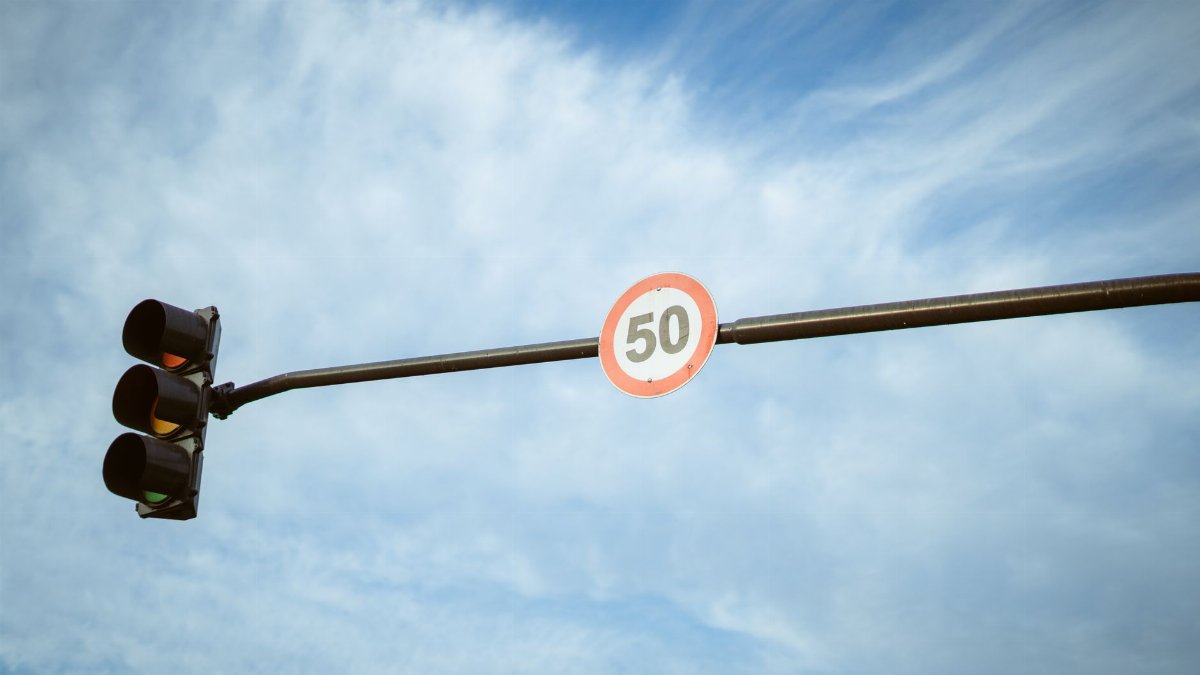
Red light running is easy to moralize and harder to design away. Long cycles encourage the last second dash. Short yellows, or yellows that feel short because approach speeds are high, do the same. Dilemma zones, the stretch where a driver can neither stop comfortably nor clear the intersection, are a known engineering problem. Ignoring them and then blaming only the driver produces the same crash the next month.
Speed management matters as much as the signal head. A road signed and built for 45 will be driven faster than a road that feels like 35, regardless of the number on the placard. Dallas Plano dangerous intersections often sit on streets whose width signals permission. Narrower lanes, better lighting, and approaches that force a small speed drop before the stop bar change the physics before they change the sermon.
People outside cars are still an afterthought
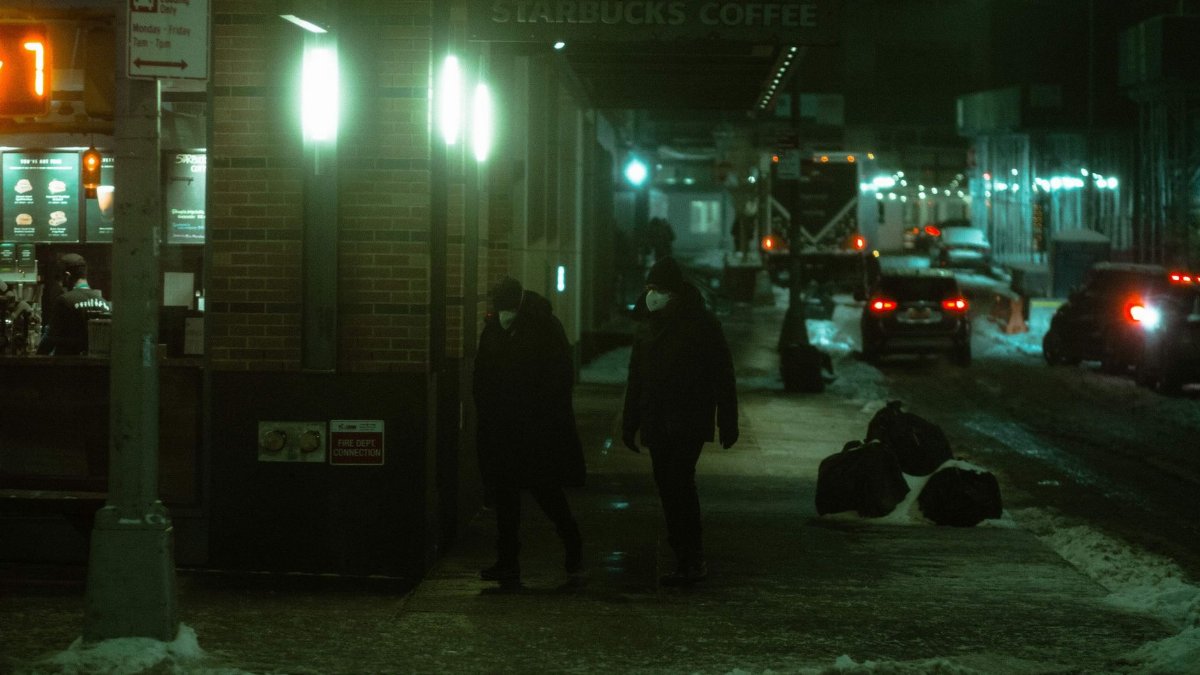
Many of the worst crossings for drivers are worse for people walking or riding. Crossing six or eight lanes on a timer set for vehicle throughput means a pedestrian is still in the roadway when the conflicting movement gets a green, or is stranded on a median never meant as a refuge. Plano and Dallas both have corridors where sidewalks exist but the corner radius is so wide that turning drivers never really slow.
Leading pedestrian intervals, tighter corners, and median refuges are not boutique ideas. They are standard tools. They fail when agencies install them at one corner and leave the next mile unchanged, or when a beg button is placed where a person with a stroller cannot reach it. Safety for people outside cars is part of intersection safety, not a separate program for a quieter grant cycle.
What cities have already tried
Both cities have years of signal retiming, red light cameras in some eras and not in others, and targeted rebuilds after a bad run of crashes. Coordination across city lines is harder than a single council vote. A driver does not experience a jurisdictional boundary. The tollway, a state road, and a city arterial can meet at one node with three owners. Dallas Plano dangerous intersections often live in that seam, where no single agency feels the full delay or the full harm.
Useful projects tend to be dull. They add a protected turn, move a driveway away from the corner, lengthen a turn bay so queues stop blocking the through lane, or ban a movement that the crash file will not stop recording. Ribbon cuttings prefer new interchanges. The quieter fixes save more people.
How to read a ranking without being misled

If a list names top crash sites for a partial year, ask three questions. Is the count raw crashes or crashes per vehicle? Are injuries separated from scraped bumpers? Does the site include freeway mainlanes or only the surface crossing? A frontage road node can dominate a ranking because it is really three intersections stapled together.
Compare the list with what you see at 5 p.m. Queues that block the box, drivers turning from the wrong lane, and pedestrians stranded mid crossing are field evidence the spreadsheet only hints at. Residents often know the corner before the analysts do. The data should confirm that knowledge, not replace a site visit.
Design choices that still decide the outcome

Sight distance is not abstract. A sign, a bush, a queued truck, or a crest can hide the vehicle that matters. Access management, the unglamorous limit on driveways near signals, prevents the extra conflict that no signal timing can fully absorb. Roundabouts, used carefully and not as a fad, cut severe right angle crashes on lower speed approach roads, though they are a poor fit for every freeway ramp terminal.
Lighting and pavement marking sound minor until you drive the same corner in rain at dusk. Faded stop bars and dark crosswalks are a maintenance failure with a body count. Agencies that fund capital projects and starve restriping are choosing a risk profile whether they admit it or not.
What a driver can do before the rebuild arrives
Personal caution is not a substitute for design, and it is not nothing. Approach wide arterials as if the green will be contested. Do not enter on a stale yellow if the far side is already stacked. When turning left on a permitted phase, wait for a gap you could explain to a skeptical passenger, not a gap you hope will work. Cover the brake when a car in the next lane is inching forward at the red.
Phone use at these corners is a force multiplier. The geometry already demands full attention. A glance at a map while the light changes is how a familiar route becomes the crash you thought happened only to other people. If a crossing on your commute appears again and again in local reports, change the route when you can. Predictability is a safety feature.
A regional habit worth retiring

North Texas has treated intersection danger as a series of bad drivers and bad luck. The pattern is too stable for that story. Dallas Plano dangerous intersections are the product of roads asked to do too much, of turns left unprotected because delay scores louder than injuries, and of growth that arrives faster than the rebuild. The files will keep filling until the design catches up.
Watch the corners you already distrust. Ask your city which sites lead the injury list, not only the delay list. And when a project promises a faster green without touching the conflict that keeps sending people to the hospital, treat that promise as incomplete. The intersection will still be there tomorrow morning, amber light and all, waiting to see who honors the contract.