

On a Tuesday morning outside a Cleveland suburb, the numbers on a gas pump climbed before the nozzle was back in its cradle. Moments like that rarely make a chart and almost always make a memory. The government reading described in markets as US inflation 3.7 percent September 2026 arrived as a reminder that the long cooling in prices has not finished its work. Prices posted their largest monthly gain in five months, with gasoline and services doing much of the lifting. For households already stretching a paycheck across rent, food, and a commute, the figure is less an abstraction than a confirmation that relief has been uneven, late, and easy to argue about as midterm campaigns fill the air.
What a 3.7 percent reading means in plain terms

Inflation, in the form most voters encounter, is the Consumer Price Index, a broad basket of goods and services priced month after month by the Bureau of Labor Statistics. A year over year rate of 3.7 percent means that basket costs that much more than it did a year earlier. It does not mean every item rose by that amount. Eggs can fall while insurance rises. A used car can cheapen while a haircut does not. The headline is an average wearing a single suit.
Context matters more than the decimal. The Federal Reserve has long described a 2 percent pace as consistent with stable prices. US inflation 3.7 percent September 2026 sits well above that aim, even if it is far from the searing peaks of the early 2020s. Economists watch both the yearly rate and the monthly change. A hot month can be noise. A hot month that arrives after several cooler ones can also be a warning that progress has stalled. The latest report, with the biggest monthly increase in five months, leans toward the second reading.
Readers should also separate the level of prices from the rate of increase. Even if inflation slows, the grocery total does not rewind to 2019. A slower rise on a higher base still feels expensive. That distinction, obvious at a checkout and muddy in a speech, is where much of the public frustration lives.
Gasoline and the monthly jolt
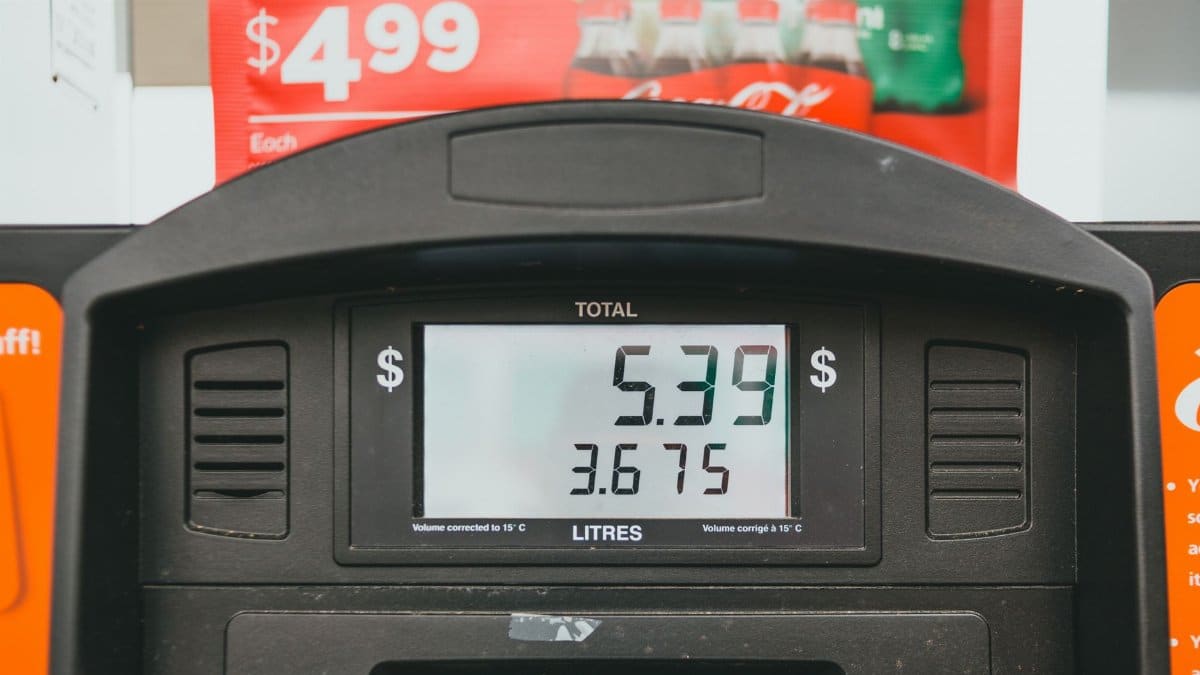
Energy is the loud instrument in the inflation orchestra. Gasoline is bought often, priced in plain sight, and quick to move when crude oil, refinery trouble, or seasonal demand shifts. Because the index weights a fill up heavily in the monthly change, a jump at the pump can shove the whole report higher even if other categories are calm. The latest month fits that pattern. Officials and private economists pointed to fuel as a main driver of the gain, alongside services that have been stubborn for years.
The politics of a pump price are older than this cycle. Drivers do not need a press release to know what a tank costs. They compare it with last month, with last summer, and with whatever a candidate promised on a debate stage. A single month of higher fuel does not rewrite the energy market. It does rewrite the mood. Households that drive long distances for work, school, or elder care feel the swing first. Urban residents who rely on transit feel it later, through fares, delivery fees, and the cost of goods that travel by truck.
Analysts caution against treating one fuel spike as a new trend. Oil can retreat as fast as it rises. What matters for the broader index is whether higher energy seeps into airline fares, shipping, and the prices businesses feel confident passing on. That pass through is slower and harder to see, which is why a noisy energy month still deserves a second look rather than a shrug.
Services that refuse to cool on schedule

Goods inflation, the part tied to sofas, appliances, and imported products, has been the easier chapter of this story. Supply snarls eased. Retailers discounted what they had over ordered. Services have been the harder chapter. Shelter, medical care, insurance, restaurant meals, and repairs depend on wages, rents, and local scarcity more than on a container ship. Those costs move with a lag. A lease signed last year still shapes this year’s shelter reading. An insurer that reprices a book of policies does not reverse course because one month of goods prices looked tame.
US inflation 3.7 percent September 2026 reflects that mix. Gasoline supplied the spark. Services supplied the floor. Together they kept the yearly rate elevated at a moment when many forecasters had hoped to be talking about a glide path rather than a setback. Shelter remains the heavy weight inside services. When rents for new tenants soften, the official measure can take many months to catch up, because it samples a wide stock of leases rather than only the listings on a website this week.
That lag cuts both ways. It can make inflation look worse than the newest leases suggest. It can also hide pressure that has not yet shown up in the index. Anyone promising a clean victory over prices on the basis of one category is selling a simpler economy than the one families inhabit.
The receipt versus the headline

National averages flatten a country that does not shop from the same aisle. A homeowner with a fixed mortgage and a paid off car experiences 3.7 percent differently from a renter facing a renewal and a commute measured in gallons. Retirees on a largely fixed income notice medical premiums and property insurance. Parents notice child care, sports fees, and the quiet inflation of a school year. Regional energy mixes matter. So does whether a household eats most meals at home.
I have spent enough time in grocery parking lots, notebook in hand, to know that people do not quote the index. They quote the brand they stopped buying. They mention the diner breakfast that crossed a mental line. They talk about a repair they postponed. Those stories are not a substitute for the data. They are the reason the data lands with force. When the official number confirms the receipt, trust in institutions rises a little. When the two diverge for long stretches, suspicion fills the gap, and no footnote about basket weights will close it.
Income matters as much as geography. Higher earners can trade down within a category or delay a purchase. Lower earners often cannot. A larger share of their budget sits in food, fuel, and shelter, the very places this report looked least comfortable. That is why a single national percentage can be both accurate and incomplete.
Wages, work, and the slow repair of buying power

Prices are only half of a household ledger. Paychecks are the other half. Through much of the recent inflation burst, wages for many workers rose quickly in dollar terms and still lost ground once prices were subtracted. Later, as inflation cooled faster than pay growth in some sectors, real buying power began to heal. The healing has not been universal. Leisure and hospitality workers, warehouse staff, nurses, and teachers have not shared one trajectory. Job switching, once a fast route to a raise, cooled as hiring slowed in parts of the private economy.
A renewed pickup in inflation complicates that repair. If pay gains stay steady while prices accelerate again, real wages slip. If employers respond to cost pressure by hiring more cautiously, the labor market can soften even as the grocery bill stays high. That combination, softer job prospects and stubborn prices, is the outcome policymakers most want to avoid. It is also the outcome campaigns will describe in the starkest language available.
None of this requires a claim that workers caused the problem. Services inflation and wage growth are related, not identical. Productivity, profit margins, housing supply, and energy shocks all sit in the same story. A fair account keeps those causes in view instead of hunting for a single villain.
The Federal Reserve and a narrower path
For the central bank, the report narrows an already narrow path. Rate cuts are easier to justify when inflation is gliding toward 2 percent and the job market is merely cooling, not cracking. A setback in the price data argues for patience. Holding rates high for longer can restrain demand and keep expectations anchored. It can also pinch borrowers, slow housing, and raise the odds of a sharper slowdown if officials misread a temporary energy jump as a lasting reignition.
Officials have said for years that they care about the whole path of inflation, not one print. Markets still trade the print. Mortgage rates, credit card rates, and the cost of financing a small business respond to expectations about what the Fed will do next. Households feel those rates as a second inflation, the price of money itself. A family that finally sees a slightly cheaper appliance may still face a loan that makes the purchase unwise.
The honest description is uncertainty, not drama. One month does not dictate a policy meeting. A pattern would. If subsequent reports show services easing and energy reversing, the setback can be filed as noise. If they show broad gains, the case for easier money weakens. Voters will not wait for that sequence to form an opinion. They are forming it now, at the pump and in the aisle.
Midterm elections and the politics of the grocery aisle
Price levels are poor material for subtle argument and excellent material for a thirty second ad. With midterm elections near, both parties will claim authorship of whatever looks favorable and assign blame for whatever does not. The party in power will stress how far inflation has fallen from its peak and how many jobs remain. The opposition will stress that 3.7 percent is still too high, that monthly momentum just worsened, and that families remember the cumulative rise more than the recent cooldown. Both claims can be true in pieces. Neither claim pays the bill.
US inflation 3.7 percent September 2026 will be quoted in that fight, sometimes with care and sometimes as a blunt instrument. Candidates rarely explain index weights. They talk about bacon, rent, and gasoline because those are legible. There is a civic risk in that shorthand. It can turn a complicated release into a morality play. It can also force Washington to treat cost of living as a first order issue rather than a talking point that expires when markets calm down.
History suggests inflation, when it is salient, moves votes more reliably than many cultural arguments that dominate cable news. People can disagree about distant policy and still share a receipt. Campaigns that ignore that fact tend to sound detached. Campaigns that exploit it without a credible plan tend to sound cynical. The electorate, older on average in midterm years and often fixed in its housing costs or painfully exposed to them, is well equipped to notice the difference.
A quieter strain on routine and morale

There is a dimension of persistent prices that economic releases capture poorly. Budgeting becomes a daily ritual of small refusals. Couples postpone a trip. Congregations stretch a food pantry. Adult children move back in, or parents skip a medication copay to cover a utility bill. None of that is a spiritual crisis in the grand sense, yet it wears on the ordinary search for steadiness. A household that cannot predict next month’s costs has a harder time planning a wedding, a retirement, or a weekly meal with neighbors.
Community institutions feel the same squeeze. Schools, clinics, houses of worship, and local charities buy fuel, insurance, and food at the same elevated level as everyone else. When donations lag prices, services shrink. The loss is not only material. It is the loss of rooms where people gather without having to calculate every plate. In a year already thick with political noise, that quieter erosion deserves a place in the story beside the index.
Journalism can note this without turning a price report into a sermon. The point is modest. Elevated inflation is an economic fact and a social mood. Ignoring the mood does not make the fact more precise. It makes the coverage less true to how people live.
What shoppers and voters may watch next

The next several releases will tell whether September was a bump or a turn. Watch energy first, because it can reverse and flatter the monthly number or extend the pressure. Watch shelter, because it moves slowly and carries great weight. Watch services excluding energy, the category central bankers treat as a cleaner signal of underlying heat. Watch wages and jobless claims beside those prices, because a stable labor market gives the Fed room and a weakening one takes room away.
Consumers can do less with that list than commentators pretend. They can compare unit prices, delay a large purchase, and ask employers for clarity on pay. They cannot set crude oil or rewrite lease law before November. What they can do is insist that the debate stay attached to evidence. US inflation 3.7 percent September 2026 is a specific claim about a specific month. It should be repeated accurately, placed next to the monthly gain, and not inflated into a prophecy.
For now the evidence says prices remain elevated, the latest month moved the wrong way, and gasoline plus services explain much of why. That is enough to matter at a kitchen table and enough to matter on a ballot. It is not enough to declare that the long fight over inflation has been lost or won. The pumps, the leases, and the next report will keep the argument open, which is another way of saying the country is still living inside the number rather than past it.