
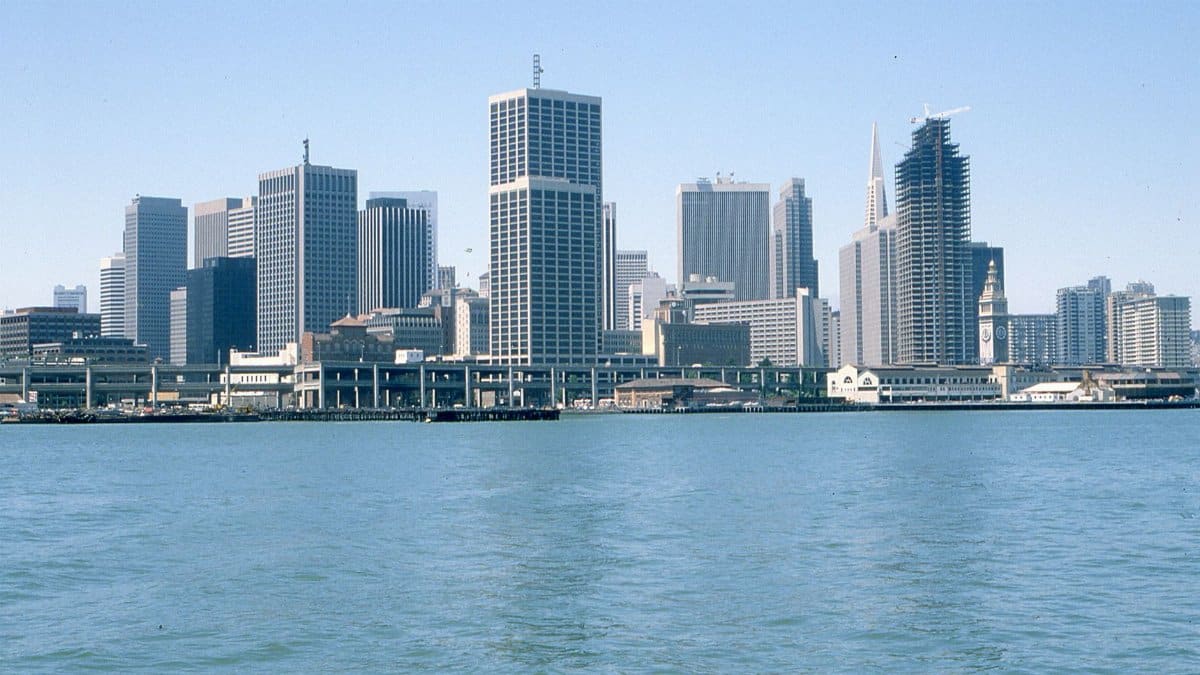
On a bright October morning along the northern waterfront, the bay refused the calm that postcards promise. Water climbed the rocks at Crissy Field, slipped toward low streets, and left San Francisco with a mark that mariners and city crews will remember. The SF October high tide record fell by a wide margin, not by a slim edge, after a gauge had already appeared to set the monthly ceiling the day before.
A gauge that rewrote the month

The reading that drew attention came from the Crissy Field gauge, a familiar sentinel for anyone who tracks the rise and fall of the bay near the Golden Gate. Officials and weather desks described the crest as 1.73 feet above average, a departure large enough to turn a routine tidal cycle into a civic event. Averages exist so that unusual days can be recognized. This one did not nudge the line. It cleared it with room to spare, which is why the phrase wide margin belongs in the first sentence of any honest account.
Gauges do not dramatize. They count. That plainness is their value. When a station with a long local memory posts a number this far from the October norm, the conversation shifts from curiosity to consequence. Parks staff, ferry operators, and residents in low neighborhoods all read the same figure and asked different versions of the same question: where will the water go when the next cycle peaks?
The day before was already a record

What made the episode stranger was sequence. The prior day had itself been treated as a new October high. Records are supposed to stand for a while, at least longer than a single night. Instead, the bay returned and wrote over its own fresh mark. For people who follow tides the way others follow baseball standings, the second crest felt almost impolite. Nature does not wait for the ink to dry.
That back to back pattern matters for public understanding. A single spike can be filed as a fluke. Two extraordinary highs in succession suggest a setup that lasted, a combination of astronomical pull and local water conditions that did not release its grip overnight. The SF October high tide record is therefore not a lonely statistic. It is the second chapter of a short, sharp story.
Tiburon wakes to water in the streets
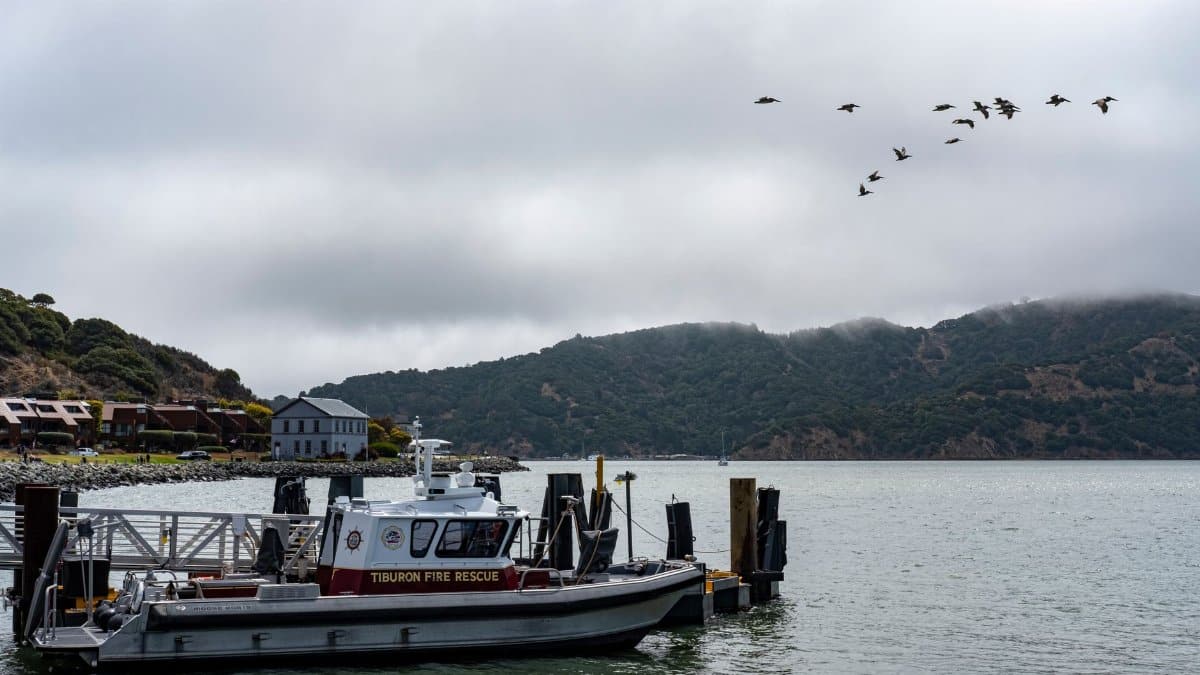
Across the bay, Tiburon felt the practical meaning of the number before most commuters had finished coffee. Flooding reached streets and low properties in a town whose identity is bound to the water. Residents who live with winter king tides know the choreography: move the car, check the garage, watch the corner where the road dips. October is early for that ritual to feel urgent. The calendar said autumn leisure. The pavement said otherwise.
Local flooding is rarely cinematic. It is a sheen across asphalt, a blocked driveway, a shopkeeper sweeping silt from a threshold. Those small scenes add up. They also reveal which blocks were built a little too close to an older shoreline, and which drainage paths cannot keep pace when the bay decides to linger at the top of its range.
Mill Valley and the creeks that answer the bay
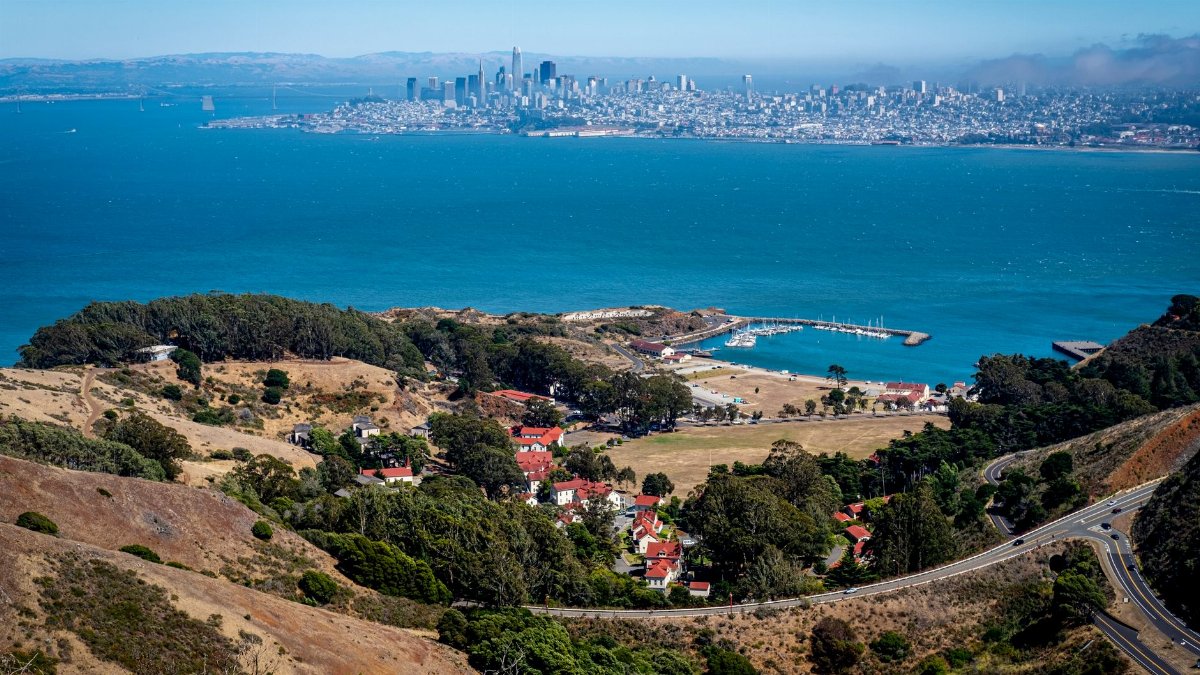
Mill Valley faced a related but distinct problem. In a valley town, high bay water does not always arrive as a wave from the horizon. It can arrive as a refusal. Creeks that normally empty toward Richardson Bay meet a tide so high that outflow slows or reverses. Water that should leave town stays, spreads, and finds the lowest lawns and lanes. Flooding in Mill Valley during this episode fit that older geography more than any sudden storm narrative.
Neighbors compared notes in the way bay towns always have, by text and by standing at the curb. Some remembered worse winters. Others said they had not seen October behave like this. Memory is an imperfect instrument, which is why the gauge exists. Personal recollection sets the mood. The instrument sets the record.
Why October can still surprise a maritime city
San Francisco likes to think it understands its tides. Ferry horns, mudflats, and the long curve of the Embarcadero train the eye. October, though, sits in a deceptive slot. Summer fog has thinned. Winter storms have not fully arrived. People plan walks, races, and waterfront events as if the bay will cooperate. A record high in that month punctures the assumption that trouble waits for January.
Astronomical tides follow the moon and sun with a regularity that tables can predict months ahead. What tables cannot fully domesticate is the margin by which a real crest exceeds the expected line, or the way wind, distant ocean setup, and a higher modern baseline stack on top of a predictable peak. The SF October high tide record sits at that intersection of the knowable and the excessive.
Moon, sun, and a bay that starts higher
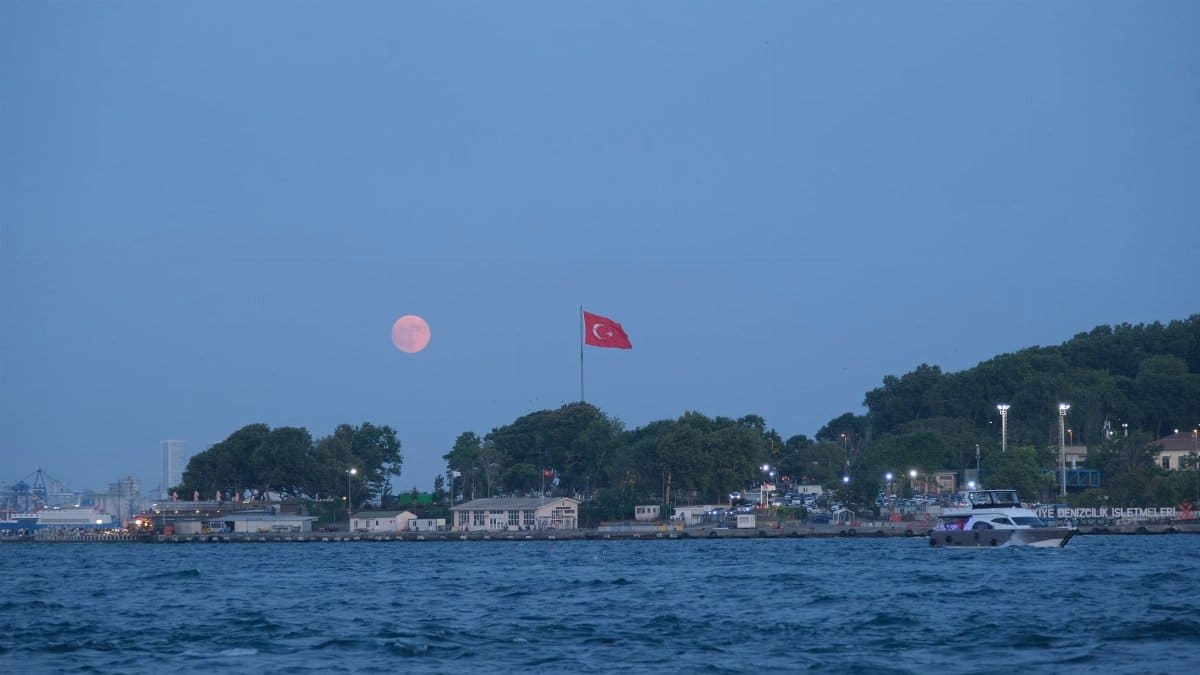
King tides, the informal name for the highest astronomical highs, arrive when lunar and solar gravity align and the moon is especially near. They are not climate by themselves. They are a recurring appointment. Climate enters the story as the floor under that appointment. A bay whose average level has crept upward over decades will express the same celestial geometry as a higher absolute crest, and as flooding in places that once stayed dry at the peak.
Scientists and city planners have said versions of this for years without needing a single October to prove the physics. Still, a visible record helps a broad audience feel the arithmetic. When the Crissy Field gauge sits 1.73 feet above average, the abstract trend acquires a sidewalk. People do not need a lecture to notice wet shoes.
How crews and neighbors prepared

Preparation in a tide city is mostly unglamorous. Sandbags appear. Park paths close for an hour. Parking signs get fresh attention. In Tiburon and Mill Valley, the useful work happened at the scale of a household: elevating what can be lifted, accepting what cannot, and keeping an eye on children near suddenly unfamiliar water. Public agencies watch forecasts and issue advisories. Private citizens execute the plan, or discover they never quite had one.
The prior day record gave the region a warning that the second crest might not be milder. That is a gift, even when the gift is inconvenient. Surprise is more dangerous than repetition. A city that has already moved cars once can move them again. The strain shows up later, in fatigue and in the quiet cost of lost hours, not always in headlines.
What the waterfront looked like to ordinary eyes
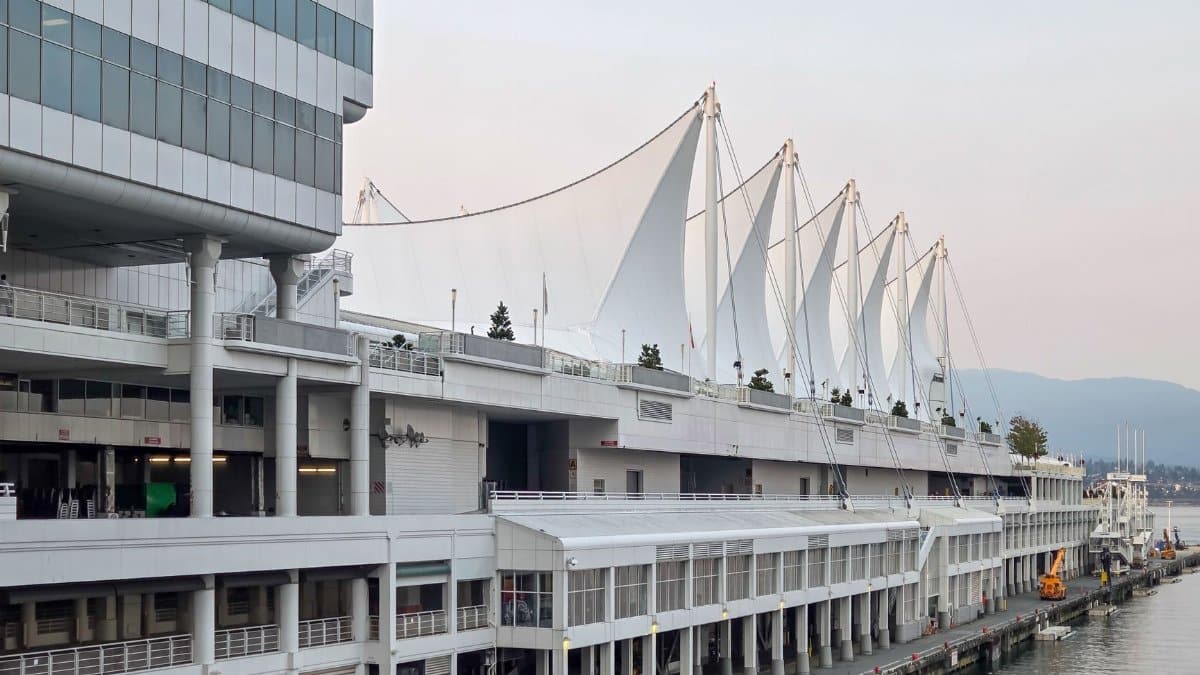
Along Crissy Field, the usual walking crowd met a shoreline that had borrowed extra beach. Logs and wrack sat higher than habit expects. Photographers framed the bridge against water that seemed to have stepped forward. None of that spectacle replaces the gauge, but spectacle is how a record enters civic memory. People remember the picture, then learn the number.
Ferry riders noticed a different detail: pilings with less freeboard, ramps at steeper angles, a sense that the landing floated nearer the deck than it should. Marin commuters heading toward flooded blocks carried the story home in damp cuffs. The SF October high tide record was not confined to a sensor hut. It was distributed across errands.
Fill, marsh, and the memory of an older bay

Much of the developed edge of San Francisco Bay stands on fill or on land reclaimed from marsh. That history is not a footnote. It is the reason a high tide can feel personal in a downtown or a suburban lane. Where wetlands once spread the energy of a crest across a wide, spongy plain, pavement now offers a hard stop. Water finds the remaining low points with tedious accuracy.
Restoration projects around the bay try to give some of that plain back, not as nostalgia but as infrastructure. A marsh that can flood on purpose protects the street that should not. One October record does not redesign the shoreline. It does illustrate why those projects are argued in planning rooms and bond measures, and why delay has a visible price when the tide runs high.
Questions residents are asking without panic

After the water receded, the questions were practical. Will the next king tide series match this one? Which corners in Tiburon need a longer term fix rather than another morning of cones? Can Mill Valley creeks be given more room without pretending the valley can be rebuilt overnight? Is the October average itself shifting, so that future departures start from a higher base?
Honest answers are partial. Forecast offices can flag upcoming peaks. Engineers can rank streets. No one can promise that a wide margin will not appear again, or that it will. What residents can demand is clarity: publish the gauge context, say what above average means, and avoid treating a record as either apocalypse or trivia.
A careful reading of one extraordinary tide

It is tempting to load a single crest with every argument about the future of the coast. Resist that. The SF October high tide record is a fact about a month, a place, and a margin. It shows that the bay can exceed recent October experience by 1.73 feet at Crissy Field, and that it can do so the day after another record. It shows that Tiburon and Mill Valley still flood when that happens. Those are enough claims. They do not require embroidery.
They also do not require shrug. A wide margin is information. Cities that treat it as a curiosity will meet the next one with the same wet streets. Cities that treat it as a measurement will ask where the water went, which drains failed, and which habits of building no longer match the bay they actually have.
Awe without exaggeration

There is a quieter response available, one that does not compete with the data. Standing at Crissy Field while the tide holds high, a person can feel how small a morning walk is beside a basin moved by moon and ocean. That feeling is old in every maritime culture. It is not a substitute for seawalls, marsh restoration, or better warnings. It is a reason those tools get built by people who still bother to look.
Spiritual language sometimes wanders into weather stories and embarrasses the facts. Used sparingly, it only names a true proportion. The bay is older than the gauge, older than Tiburon’s lanes and Mill Valley’s creekside homes. The record belongs to us because we measured it. The water belongs to a system that will keep its appointments whether or not we are ready.
What to watch when the tables turn again

The next useful act is ordinary attention. Note the predicted peaks. Compare them with what the Crissy Field gauge actually prints. Walk the same corner in Tiburon on a moderate day and on a high one. Watch whether Mill Valley’s low paths clear as fast as they used to. Records become civic knowledge only if someone keeps the comparison alive after the photographs fade.
San Francisco has a new October high tide mark, set by a wide margin after a prior day record, with flooding in Tiburon and Mill Valley as the human evidence. The SF October high tide record will be cited when future crests arrive, as a benchmark rather than a legend. The bay, for its part, has already moved on to the next hour. The city gets to decide whether it has.