
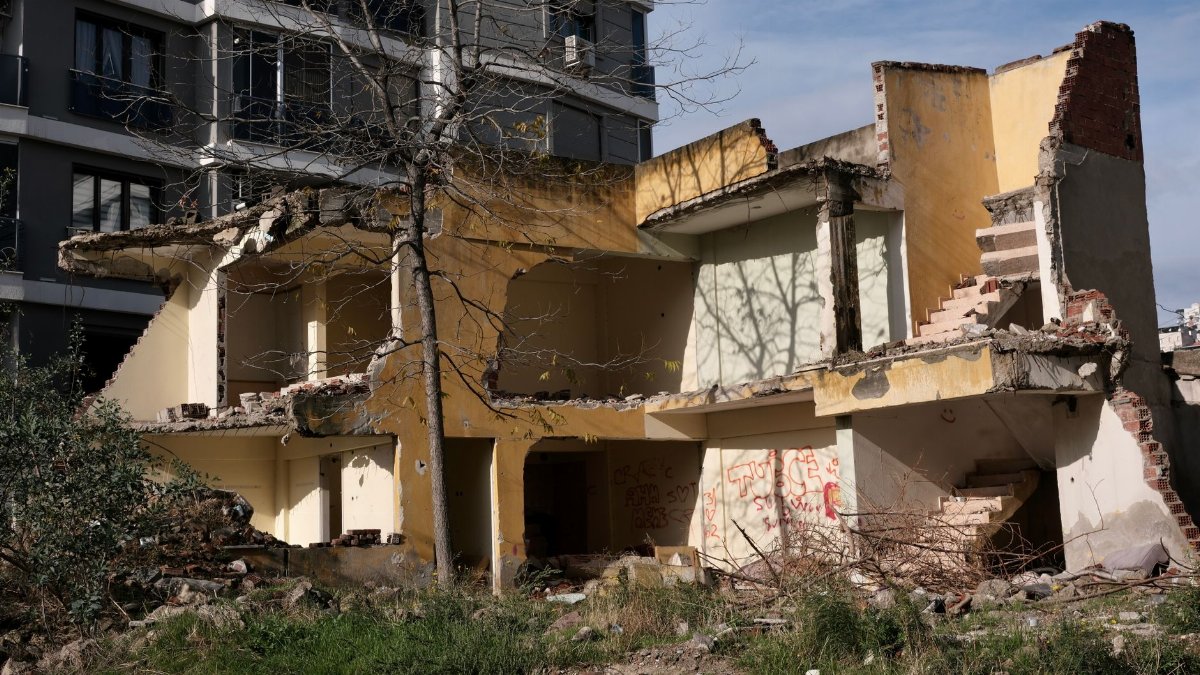
Before sunrise had fully cleared the rooftops, neighbors on a narrow Chelsea block heard a crack that did not belong to ordinary street noise. Within minutes, part of a brick front had fallen away, and the address at 38 to 40 Orange Street was no longer a place anyone could safely sleep. City officials later confirmed that nine residents had been moved out after inspectors deemed the building structurally unsafe. The Chelsea Orange Street collapse, partial rather than total, still emptied apartments and left a familiar corner looking suddenly fragile. People stood across the pavement in slippers and coats, watching dust settle on a sidewalk they use every day.
What the street looked like after the fall
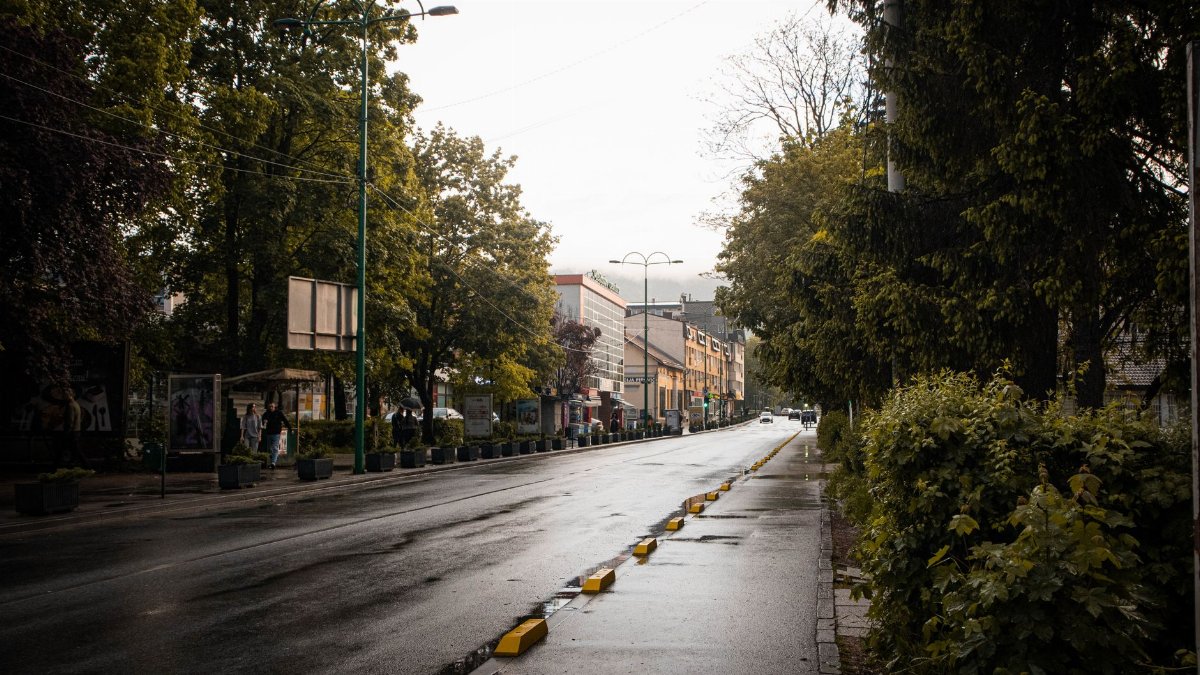
Orange Street is not a boulevard. It is a tight urban corridor of older brick, parked cars, and front doors that open almost onto the curb. After the facade gave way, the usual clutter of a residential block took on a different meaning. Loose masonry, a torn edge of wall, and an open wound in the face of the building made the ordinary look provisional. Fire crews and building officials closed the immediate area while they decided whether the damage was a surface failure or a sign that floors and party walls could no longer be trusted.
Witnesses described a sound more like a heavy shelf coming down than like an explosion. There was no report of a fire, and early accounts did not point to a gas event. The danger was gravitational and structural: weight, age, weather, and whatever hidden weakness had been working inside the wall. For people who live above storefronts and beside triple deckers, that distinction matters less in the first hour than the simple fact that home is suddenly off limits.
Partial failures can be harder to read than a building that has clearly come down. A wall can shed its outer layer and still stand, or it can shed that layer because the frame behind it is already moving. Inspectors have to choose caution when the difference is not obvious from the sidewalk. In Chelsea, that caution meant relocation rather than a quick return with a warning to avoid one room.
Nine people with nowhere to sleep that night
Nine residents is not a large number in a city of tens of thousands, and it is everything to the people who had to leave. Displacement at that scale rarely makes a national headline, yet it rearranges a week, a job schedule, a school morning, and the small inventory of a life kept in drawers. Some residents may have had family nearby. Others may have had only a bag packed in a hurry and a phone number for a city office that opens later than fear does.
American cities have learned, sometimes badly, that the first night after an order to leave is when trust is won or lost. A cot in a gym is shelter. It is not rest. A hotel voucher is better, and still temporary. The question that follows any order to vacate is not only whether the building can be saved. It is whether the people who lived there will be able to come back, and on what terms, if repairs take months rather than days.
Chelsea has a long memory of housing pressure. Rents are high relative to wages in much of the region north of Boston, and a sudden loss of even a handful of units lands on a market that already has little slack. When nine people leave one address, they do not vanish into spare rooms that were waiting for them. They enter a search that other families are already losing.
Why a facade can fail without the whole building falling
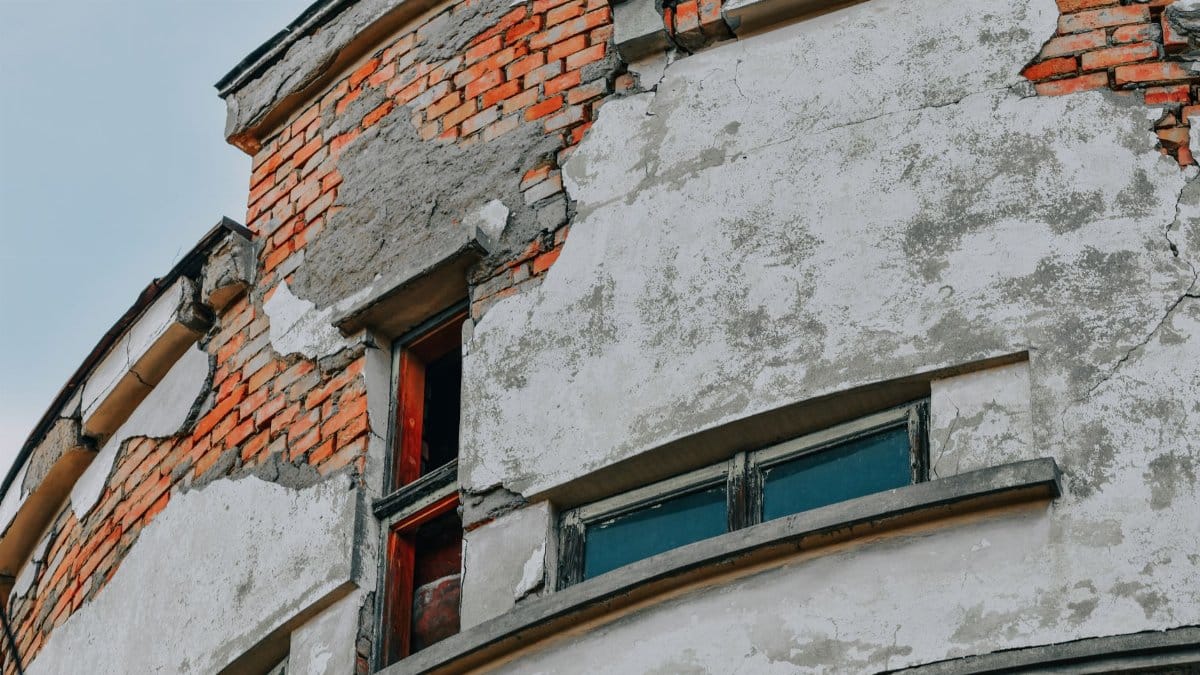
Older masonry buildings often wear an outer skin of brick that is tied, more or less well, to the structure behind it. Over decades those ties can rust. Mortar can wash out. Water can freeze in joints and pry courses apart a fraction of an inch each winter. A parapet, a cornice, or a section of veneer can then separate under its own weight, especially after heavy rain or a sharp change in temperature. From the street the result looks sudden. In the wall it has usually been slow.
Engineers distinguish between a veneer failure and a failure of the load bearing frame. The first can still kill a passerby. The second can make every floor unsafe. After the Chelsea Orange Street collapse, the public fact that mattered most was the official judgment that the building was structurally unsafe, not merely unsightly. That phrase is a legal and practical threshold. It authorizes orders to leave. It also starts a clock on shoring, fencing, and decisions about demolition or repair.
None of that process is theatrical. It is tape, plywood, steel posts if the remaining wall needs help, and a sequence of reports that most neighbors will never read. The visible symbol is the empty window and the blocked door. The invisible work is the argument, conducted in measurements, about whether the building still has a future as housing.
How cities decide a home is no longer habitable

In Massachusetts, local building and inspection officials carry the immediate authority to declare a structure unsafe. They work with fire departments when collapse risk, gas lines, or blocked exits are in play. A declaration is not a casual opinion. It is a finding that continued occupancy would expose people to harm that the city is not willing to gamble on. Once that finding is made, return is not a matter of resident preference. It waits on repairs, reinspection, and sometimes a licensed engineer willing to sign a letter that the danger has been removed.
Owners have duties that run in the other direction. They must secure the site so that brick does not reach the sidewalk again. They must address violations. They may face orders to repair or, if the cost and the damage do not justify saving the structure, to take it down. Insurance, mortgages, and the age of the building all shape what an owner can actually do in the weeks after a failure. A city can order action faster than a private balance sheet can fund it. That gap is where displaced tenants often wait.
Tenants, for their part, are not required to become amateur engineers. Their leverage is thinner: habitability rules, whatever lease they hold, and the practical help a city or a nonprofit can offer on short notice. When the official word is that the building cannot be occupied, the lease does not conjure a safe bedroom. It only frames later arguments about rent, deposits, and whether the tenancy survives the repairs.
The particular vulnerability of older urban brick
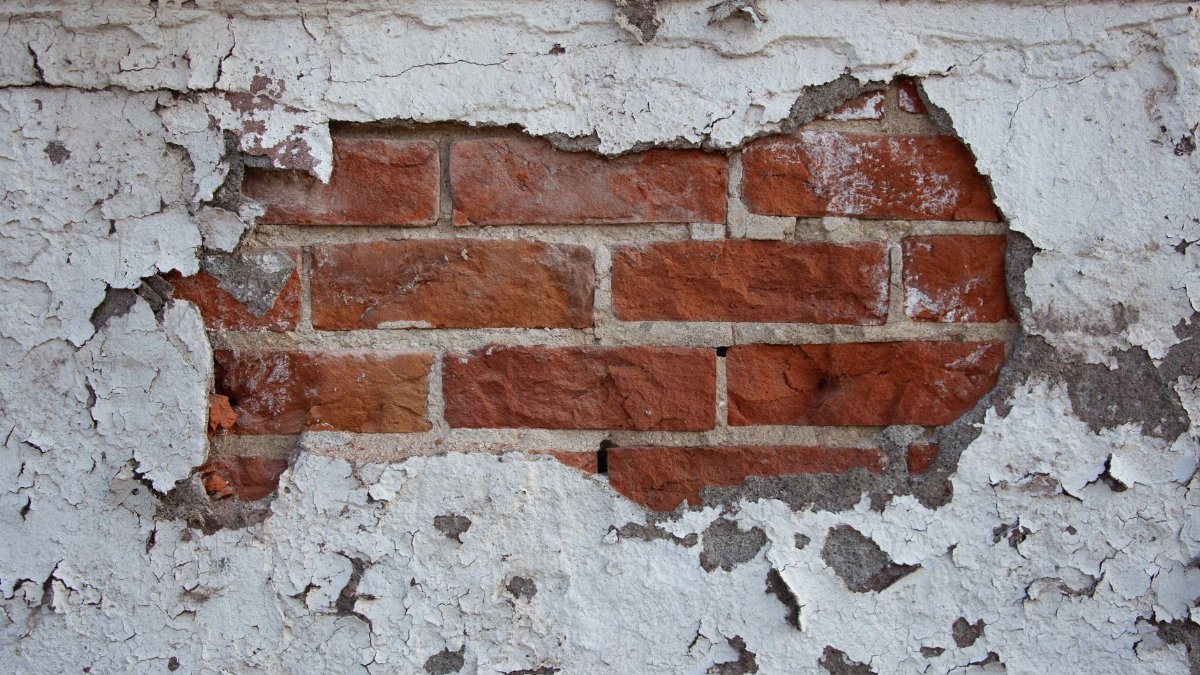
Much of Chelsea, like much of the inner ring around Boston, was built when brick was cheap, labor was local, and codes were thinner than they are now. Those buildings have housed generations. Many have been maintained with care. Others have been split, sold, neglected, or patched in ways that hide rather than solve water problems. A single failure does not indict every brick block in the city. It does remind residents that age is not the same thing as safety, and that safety is a maintenance practice, not a mood.
Climate adds pressure that the original builders did not have to price in the same way. Heavier downpours drive water into joints that once stayed merely damp. Freeze and thaw still do their old work, sometimes on walls that have already lost mortar. Deferred repointing is easy to postpone because it is expensive and, until the day something falls, invisible to a buyer walking through a freshly painted unit. The sidewalk is where that postponement becomes public.
Regional planners and housing advocates have argued for years that preserving older affordable buildings requires money for the unglamorous work: roofs, ties, lintels, fire separation, and the dull art of keeping water out. A collapse, even a partial one, is a brutal audit of whether that work was done. The Chelsea Orange Street collapse will be read by neighbors as a local shock. It can also be read as a sample of a wider condition, one address standing in for many that have not yet failed.
What relocation actually feels like

Official language prefers words like relocated and displaced. The lived version is more ordinary and more harsh. Someone looks for a toothbrush. Someone wonders whether the cat carrier is still inside. A shift starts in two hours and the uniform is in a closet behind a door no one is allowed to open. Children ask if they are going home after school. Adults answer with a sentence they do not fully believe yet.
In a city as compact as Chelsea, distance is social as much as geographic. Leaving Orange Street can mean leaving the block where a cousin lives two doors down, where a particular bodega knows an order, where a bus route matches a job in Everett or East Boston. Temporary housing across town, or in another municipality, breaks those small systems. The loss is not poetic. It is logistical, and logistics are how poor and working households stay afloat.
Public agencies can move quickly on the first day and then slow down as cases multiply and funding rules assert themselves. Red Cross style emergency help, city emergency management, and housing departments do not always share a single script. Residents experience that as phone trees and repeated explanations. The most useful help is specific: a bed tonight, a way to retrieve medication, a clear name for who decides when the building may be entered again for essential property.
Rumors, blame, and the hunger for a simple cause

After any sudden structural event, stories race ahead of reports. Neighbors trade theories about construction next door, about a roof leak last winter, about whether anyone complained and was ignored. Some of those theories may later prove fair. Some will not. The responsible posture, while inspectors finish their work, is to separate what is known from what is suspected. What is known, on the public record available in the first accounts, is limited: a partial collapse, a building judged unsafe, nine people out.
Blame will eventually need a factual home. If an owner ignored orders, that belongs in the record. If a city inspection regime missed a visible hazard, that belongs there too. If the failure was a kind of aging that no recent complaint would have fully predicted, the lesson is about prevention funding rather than about a villain. Jumping to a culprit before the wall has been opened up does not make the next building safer. It only fills the silence.
Journalists and residents share an impatience with that silence. Silence feels like evasion when your neighbor is sleeping somewhere else. Still, a premature story can harden into a myth that outlasts the engineering. The better public demand is not for a faster villain. It is for a timetable: when the report will be released, when belongings may be retrieved, and what standard will govern any return.
The block as a commons, not only a private parcel
A facade that falls does not fall only on private property. It falls toward a public way. That is why cities treat falling masonry as a civic emergency even when no one is hurt. The sidewalk, the parking lane, and the air above them are shared. An owner who cannot keep a wall on the building is, for that interval, imposing a risk on everyone who walks to a bus or pushes a stroller past the address.
That shared stake should shape the aftermath of the Chelsea Orange Street collapse. Fencing protects the next pedestrian. It does not answer who pays if units are lost for good, or how the city will watch other walls of similar age and similar neglect. Neighbors are entitled to ask whether complaint histories exist for nearby properties, and whether those histories are accessible without a specialist’s patience. Safety information that lives only inside a department is not yet a public good.
There is also a quieter commons: the expectation that a person can rent a room in an old building and not have to become an expert in wall ties. Regulation exists because that expectation is reasonable. When it fails at one address, the repair is not only steel and mortar. It is the credibility of the promise that someone with authority was supposed to be looking.
What residents can reasonably expect next
In the near term, the site will stay secured. Engineers will look at what remains of the outer wall and at the floors and connections that the outer wall was supposed to protect or adorn. The owner will be told what must happen before anyone sleeps there again. If the damage is confined and the frame is sound, repair is possible, though seldom quick. If the damage reaches bearing elements, the conversation turns toward shoring or removal, and the nine residents face a longer exile.
Residents should expect written notice rather than rumor about entry for essential items, about the status of utilities, and about whom to call if a voucher or a placement is not working. They should expect that rent obligations during a period of forced vacancy are a legal question, not a favor, and that local tenant aid groups can help translate that question even when a news story cannot settle it. They should also expect honesty if return is unlikely. False hope is a second displacement.
The city, if it is doing the work well, will treat this address as a prompt to look again at similar buildings, not as an isolated oddity to be forgotten when the plywood comes down. Pattern recognition is the unromantic part of public safety. One collapse is an emergency. A pattern of aging veneers, unanswered complaints, and understaffed inspection is a policy problem with a body count waiting in it.
Living beside the unfinished story
By the time the dust is gone, Orange Street will look almost like itself again, except for the scar and the empty windows. People will walk past on the way to work and glance up, the way people do after any local rupture, half curious and half unwilling to stare. The nine who left will be elsewhere, trying to reassemble mornings. The rest of the block will live with a new alertness to cracks, stains, and the small shifts in a wall that used to seem permanent.
Cities are full of buildings that have outlasted their first owners and their second. Survival is not the same as a guarantee. The Chelsea Orange Street collapse asks a plain question of a dense, older city: who is responsible for the difference between a wall that looks solid and a wall that is. The answer will not arrive in a single press statement. It will arrive, if it arrives, in repaired addresses, in inspections that happen before the brick moves, and in a refusal to treat nine displaced neighbors as a minor line in the metro brief.
Until then, the corner holds its quiet. Tape shifts in the wind. Someone still has a key to a door they cannot use. The street, which has seen worse days and ordinary ones, waits for the official word on whether this building returns to the inventory of home or leaves it for good.