
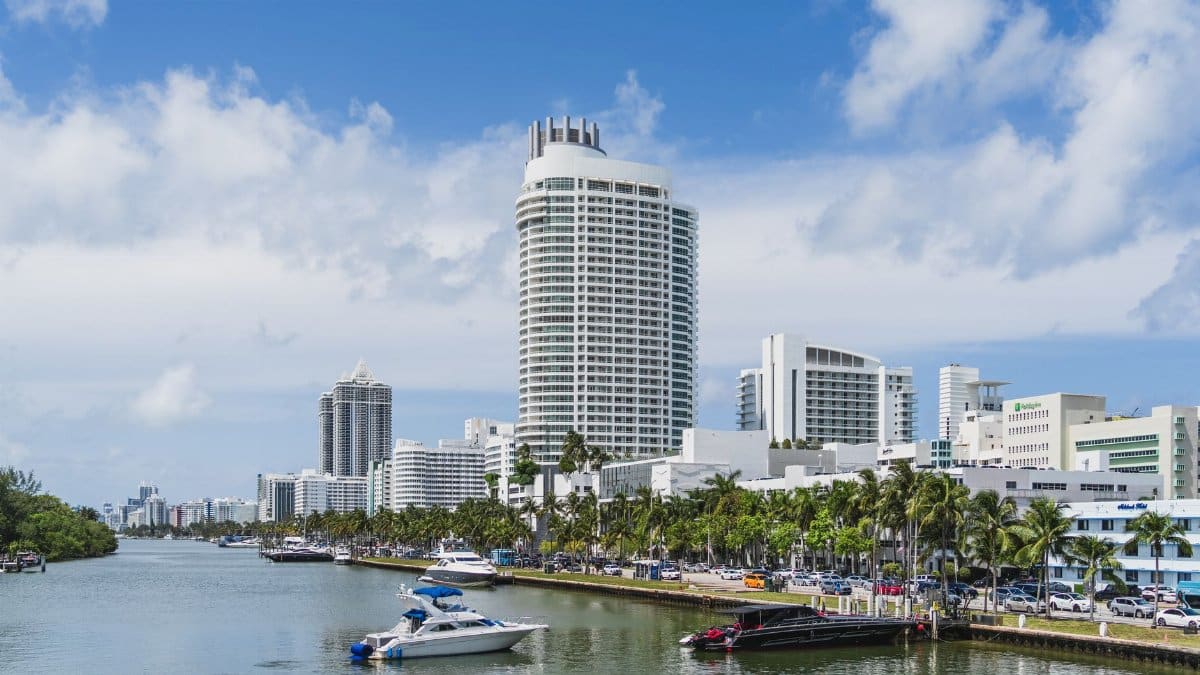
On a humid week when Miami voters were already sorting mailers from their kitchen counters, a short phone message tried to settle a fight over the waterfront in a single glowing screen. The Gabela Virginia Key marina text did not arrive as a dense legal notice. It arrived the way modern campaigns prefer to speak, in a burst that borrowed a commissioner’s name and pointed it toward a yes. Commissioner Miguel Gabela answered in public that the quotation was false, calling the blast a complete lie. That clash, small enough to fit in a pocket, now sits inside a much older argument about who gets to speak for the bay, the boats, and the people who pay for both.
A name used as a lever

Local campaigns have always hunted for a trusted voice. What changed is the speed. A text can reach thousands of phones before a commissioner has finished a meeting, and the recipient has no margin note, no opposing paragraph, and often no easy way to check the sentence that just landed. In this case, Gabela said a group urging a yes vote on the marina question put words in his mouth. He rejected the claim that he was supporting redevelopment of the Virginia Key marina through that referendum. The denial matters because a commissioner’s name still carries weight in a city where many residents know the docks better than they know the charter language.
Attribution is not a decoration. It is the whole product. If a voter believes an elected official has already blessed a plan, the ballot can start to feel like a formality. That is why a false quotation is more than rude politics. It rearranges the map of consent. People who might have waited, read, or asked a neighbor are nudged toward a conclusion that the official says he never offered.
What the marina question is really about

Virginia Key is not a blank lot with a pretty view. It is a thin piece of public land between the mainland and the Atlantic, holding a marina, park space, and a long memory of who was allowed onto Miami beaches and who was not. Any plan that touches slips, leases, or private operators touches public access, storm risk, and the price of keeping a working waterfront. Supporters of redevelopment arguments usually talk about aging docks, deferred maintenance, and the need for private capital. Critics talk about giveaways, lost control, and a bay that already carries too much pressure from boats, runoff, and sea level rise.
A referendum can clarify that fight, or it can bury it under a slogan. The useful question is not whether marinas should exist. They do, and working boaters depend on them. The useful question is who sets the terms, how long those terms last, and what the public keeps if a deal goes sour. Those details rarely survive a text message.
Why a denial had to be loud

Gabela’s response, as described in coverage by the Miami Herald, was not a hedged clarification. He treated the message as a fabrication. In a campaign, volume is part of the remedy. A quiet correction on a little watched feed will not catch the phones that already buzzed. Calling something a complete lie is a deliberate register. It tells supporters, opponents, and reporters that the dispute is not about emphasis. It is about whether the sentence was ever his.
That kind of language also carries a cost. It raises the temperature, and it invites the other side to answer in kind. Still, voters are better served by a sharp denial than by a fog of maybe. If the quotation is false, the record should say so in words a tired reader can understand after work.
How text campaigns bend a local race

The Gabela Virginia Key marina text sits in a familiar toolkit. Campaigns buy lists, slice them by neighborhood or party habit, and send a line that sounds like a neighbor rather than a committee. The format rewards certainty. There is no room for the lease length, the environmental review, or the vote count on the dais. There is room for a name and a verb: he supports, she opposes, they urge you to vote yes.
Scholars of political communication have long noted that source cues can outweigh arguments when attention is scarce. A reader who trusts Gabela may import that trust into a plan he rejects. A reader who distrusts him may do the reverse. Either way, the cue is doing work the facts did not earn. In a city election, where turnout can be thin and the ballot long, that shortcut is powerful enough to move a margin.
Virginia Key and the memory of the shore

Any honest account of this island has to hold two pictures at once. One is practical: pilings, fuel, pumpout stations, waiting lists for slips, and the dull arithmetic of what it costs to keep a marina safe. The other is historical. Virginia Key carries the story of segregation era beaches and of later fights over parks, festivals, and development pressure. Residents who hear marina and think only of yachts miss the people who fish from public edges, the workers who service boats, and the families who treat the key as a rare stretch of open coast.
Redevelopment talk often arrives dressed as modernization. Sometimes the docks really are failing. Sometimes modernization is a polite word for a longer private claim on public water. Voters do not need a sermon to tell the difference. They need documents, timelines, and officials who will sign their own sentences.
The ethics of a borrowed voice
There is a moral grain in this dispute that outlasts one referendum. To speak in another person’s voice, without consent, is a kind of theft even when no money moves. Civic life depends on a basic faith that the words attached to a name were chosen by that person. Break the faith often enough and every future message, true or false, starts to sound like noise. That erosion is not abstract. It shows up as people who stop reading, stop voting, or assume every alert is a trick.
I have watched local arguments curdle when campaigns decide that a useful impression is close enough to the truth. Close enough is how bad leases and bad laws get born. A commissioner can be wrong about policy and still be entitled to his actual position. Opponents can hammer that position. They should not invent it.
What voters can check before they tap
The practical defense is unglamorous. Read the ballot question itself, not the paraphrase in a text. Look for the city’s own notice, the commission agenda, and reporting that quotes officials in full sentences rather than in campaign fragments. If a message claims that Gabela supports the Virginia Key marina plan, compare it with what he has said on the record. If the two do not match, the message is not a shortcut. It is a distortion.
Campaigns will say voters are busy and that plain language requires compression. Compression is not the same as invention. A fair text can say a committee urges a yes and can cite a real vote or a real statement. It cannot conscript an opponent, or a skeptic, into the choir.
Money, maintenance, and the public slip

Beneath the messaging fight is a budget fight that Miami cannot slogan away. Marinas cost money to dredge, insure, and rebuild after storms. City owned facilities compete with private ones, and boaters feel wait lists as a daily insult. A yes campaign can argue that private capital will fix what taxes will not. A no campaign can argue that a rushed deal trades a permanent shoreline for a temporary repair. Both claims can be tested against numbers: projected rent, capital obligations, environmental conditions, and what happens if the operator walks.
Those numbers will not fit in the Gabela Virginia Key marina text, which is precisely the problem. The message tried to end the argument with a personality. The argument is about a contract with the water. Personality is not a substitute for terms.
A pattern larger than one commissioner

Miami politics has a reputation for sharp elbows, and text wars are only the latest elbow. Similar blasts have appeared in fights over zoning, sports facilities, and county tax questions, often in the final days when corrections cannot catch the first impression. The pattern is not unique to this city. It is simply vivid here because land, water, and identity sit on top of each other. When a yes group borrows a name, it is betting that speed will beat scrutiny.
Reporters, clerks, and rival campaigns are the partial antidote. So are voters who forward the message to the person named in it. That small act, asking the supposed speaker whether the words are his, punctures a tactic that depends on silence. Gabela’s public rejection did that work in the open. Others named in future blasts should do the same, even when the false praise would have been convenient.
Where conscience meets the ballot

Some readers will look for a spiritual frame in a political mess, and there is one available without incense or party hymns. Public speech is a form of promise. To put a false promise in a neighbor’s mouth is to treat people as means. Traditions that care about truth telling, from civic republicanism to ordinary religious ethics, land in the same place: do not bear false witness, especially when the witness is attached to power. A marina vote will not save a soul. A habit of honest attribution might save a city from governing by rumor.
That is not softness. It is a standard campaigns can meet tomorrow. Name your committee. Quote only what was said. Link the ballot language. Accept that some voters will still say no.
What the record should hold

The record, as it stands from the commissioner’s denial and from Herald reporting on the clash, is straightforward. A yes group sent a text about the Virginia Key marina question. The message presented Gabela as a supporter. He said that presentation was a complete lie. Until the group produces a real statement that matches the blast, voters should treat the quotation as void.
Void is not the same as irrelevant. The tactic reveals how the campaign hopes to win: not by walking people through piles, leases, and bay conditions, but by borrowing authority. That revelation is useful even to people who might favor new investment at the marina. If your side needs a counterfeit endorsement, the plan may not be as sturdy as the mailer claims.
After the buzz fades

Phones will move on. The island will not. Virginia Key will still need a marina policy that can survive a storm season and a public hearing, not just a push notification. Commissioners will still need to say, in their own voices, what they will vote for when the slogans end. Residents will still need slips, parks, and a shoreline that is not quietly converted into a private schedule.
The Gabela Virginia Key marina text should be remembered less as a curiosity than as a test. Did the correction travel as far as the claim? Did voters demand the ballot language instead of the buzz? Did the yes group retract, or did it simply send a softer version of the same idea? Those answers will tell Miami whether its waterfront arguments are still arguments, or whether they have become a contest to see who can speak first in someone else’s name.
A complete lie is a hard phrase. It fits when the speaker did not say the thing. The adult response is not to match invention with invention. It is to put the real position back on the table, in full, and let the marina question rise or fall on terms the public can actually read.