

On a gray afternoon in south Minneapolis, a woman paused at the curb and stared into a cavity wide enough to swallow a compact car. The plywood around it had warped. Orange fencing sagged where someone had leaned a bicycle. Neighbors call these openings Minneapolis water main holes, and for months they have been less a construction inconvenience than a daily fact of the street. People measure their walks around them. Children are told not to look too long. Drivers slow, then speed up again, as if the ground itself had become unreliable.
A street that no longer feels finished
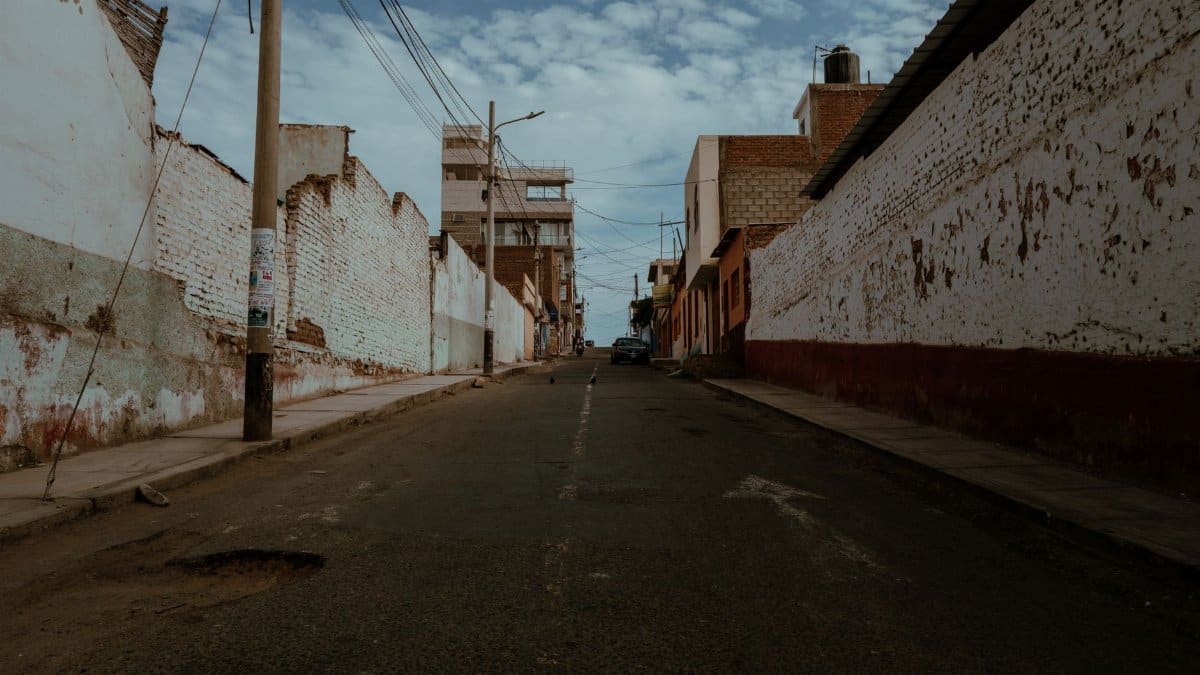
The holes are not subtle. Some sit near intersections where buses turn. Others open beside sidewalks that once felt ordinary, the kind of pavement people cross without thinking. Residents describe rims of broken asphalt, standing water after rain, and cones that migrate from one end of the block to the other. A few openings have been there so long that weeds have started in the grit along the edge.
What unsettles people is not only the size. It is the sense that a public street has been left in a half built state. In a city proud of its parks and its lake paths, an unfinished trench reads as neglect. Mail carriers step around it. Delivery drivers idle in the lane. At dusk the cavities look deeper than they are, and the fencing does little to soften that impression.
The long repair underneath the complaint

City crews and contractors have been replacing aging water mains across a stretch measured in many miles, part of a broader effort to keep drinking water moving through pipes laid generations ago. Breaks in old mains can flood basements, close lanes, and leave taps running brown. Engineers argue, with reason, that waiting for the next rupture is more expensive than planned replacement.
Residents who support the work still ask a simpler question. If the pipe is in the ground, why does the street remain open? The answer, when it comes, is usually about sequencing. Crews dig, set pipe, test pressure, then wait on paving, inspections, or the next segment of the line. To a person walking a dog at 7 in the morning, that logic is invisible. What is visible is a hole.
Months that turned into a season

Several neighbors say the openings near their homes have stayed unfilled through more than one season of weather. A project that was described as active began to feel paused. People remember when the saws first cut the pavement, when the excavators arrived, and when the noise stopped without the street returning. Memory of the start date varies. The feeling of delay does not.
That gap between announcement and restoration is where trust thins. Infrastructure work is slow by nature. Concrete needs time. Utilities cross one another in ways maps only partly capture. Yet a delay that is ordinary to a project manager can feel extraordinary to someone who passes the same cavity twice a day. The Minneapolis water main holes have become a calendar of their own, marked by how many times the cones were restacked and how many times they were not.
Safety that cannot be delegated to a sign
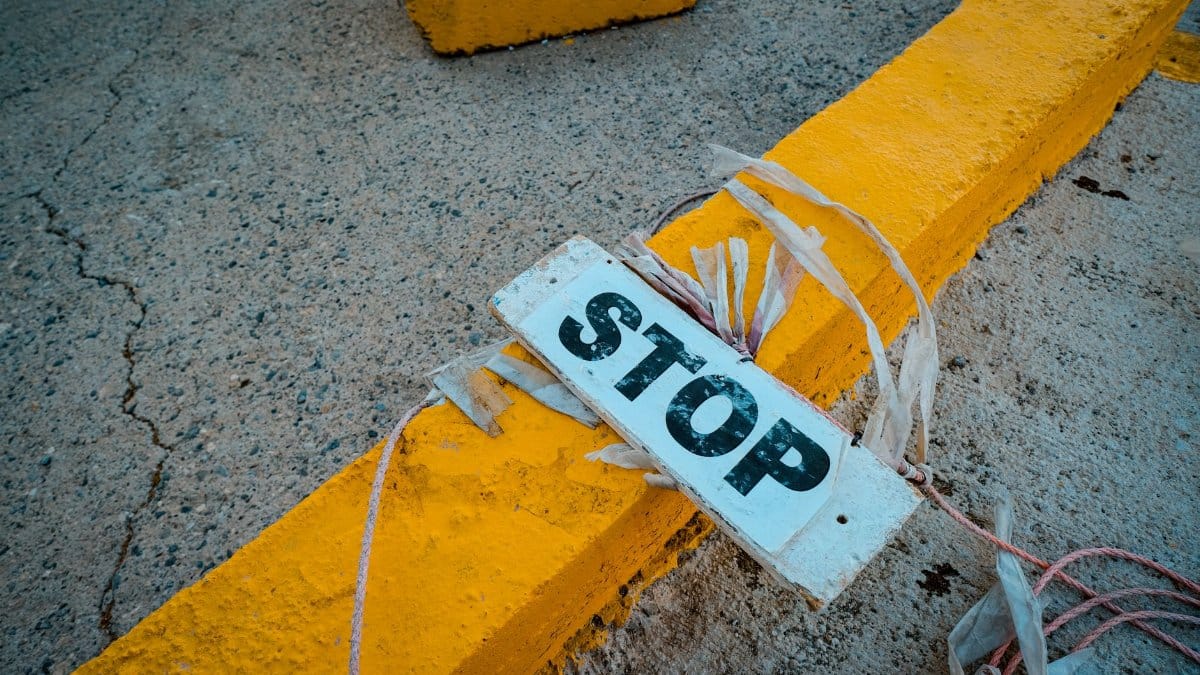
Parents talk about the holes the way they talk about busy crossings. A toddler does not read a detour notice. A person using a wheelchair cannot treat a narrowed sidewalk as a minor inconvenience. At night, lighting on some blocks is thin, and a dark opening beside a parked car is easy to miss until a wheel drops or a foot finds the edge.
Emergency access is another worry. Firefighters and paramedics already navigate tight residential streets. An open cut changes turning room and parking patterns. No one interviewed in casual sidewalk conversation claimed a catastrophe. They claimed a risk that should not have to be managed by luck. Fencing helps. It does not replace a restored surface.
Shops that live on the same block as the trench
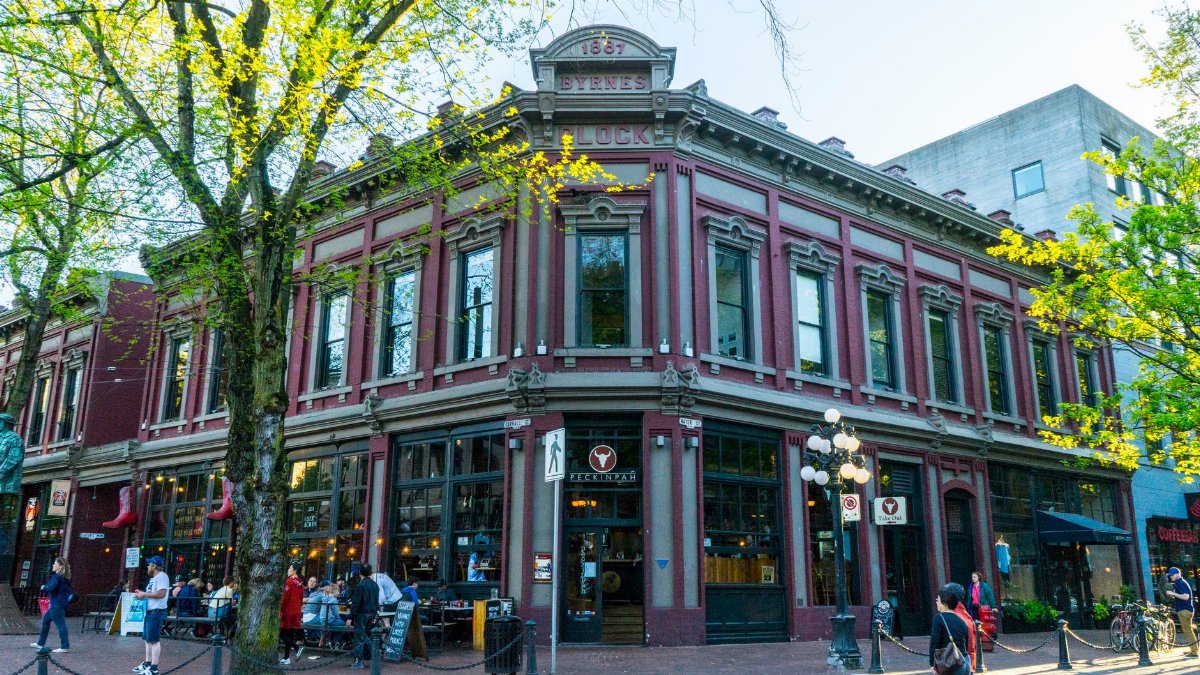
Small businesses feel the work in receipts. A cafe owner described regulars who stopped driving in because the lane beside the shop looked closed even when it was not. A hardware counter heard the same story from contractors trying to park. Foot traffic does not vanish all at once. It thins, then thins again, until a Tuesday that used to be steady becomes quiet.
Compensation and communication matter as much as the dig itself. When a city explains the schedule, shopkeepers can plan staffing and deliveries. When the schedule slips without a clear update, the hole becomes a rumor as well as a physical obstacle. Rumor is bad for a block that depends on people choosing to stop rather than pass through.
What officials tend to emphasize

Public works departments, in Minneapolis and elsewhere, usually stress three points. Old pipe fails. Replacement protects public health. Restoration follows inspection, not impatience. Those points are fair. Lead and corrosion, pressure loss, and main breaks are real costs, paid in flooded basements and boiled water advisories when prevention fails.
Fair points do not fill a street. Residents want dates they can trust, contacts who answer, and a visible sequence from open ground to new asphalt. They also want honesty when weather, supply, or a conflicting utility pushes a date. Silence reads as indifference even when the cause is a crowded capital plan. The phrase Minneapolis water main holes circulates in neighborhood chats precisely because official language has not kept up with what people see.
Weather as an accomplice and an excuse
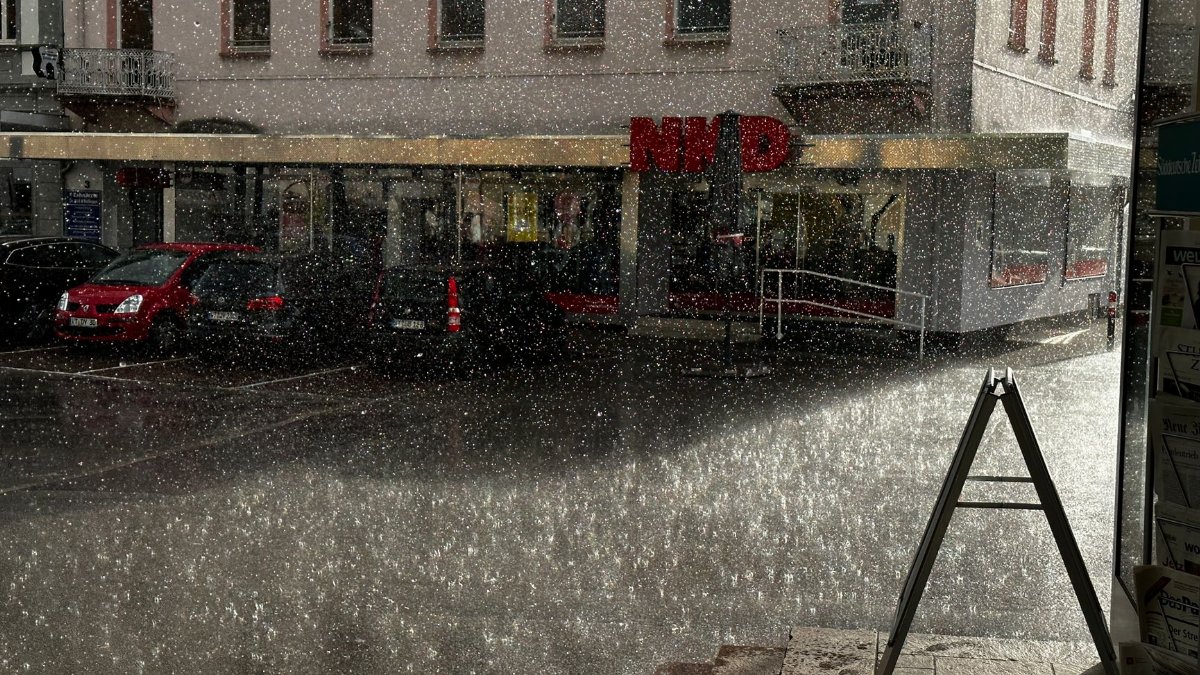
Minnesota seasons do not wait for paving schedules. Freeze and thaw widen cracks. Rain collects in low cuts and turns soil to slurry. Snow hides edges that were obvious in October. Crews cannot lay certain surfaces in deep cold, and residents know that. What they resist is the idea that winter explains every month of an open street.
A hole left through autumn becomes harder to secure once ice forms. Cones blow over. Plywood softens. Salt and sand migrate into the cut. By late winter the site can look abandoned even if a crew is scheduled for spring. Appearance is not the whole truth, but appearance is what a city owes people who live beside the work.
Neighbors who started keeping their own record
On some blocks, residents have become informal inspectors. They photograph the same corner each week. They note when fencing drops, when water stands, when a new cone appears without new pavement. A few have brought those images to ward meetings and to online groups that mix irritation with practical advice about alternate routes.
This is not vigilantism. It is the habit of people who believe a street is a shared room. When the room is left torn open, someone will start writing down the dates. That record can help a city if officials treat it as information rather than complaint. It can also harden into cynicism if every photo is met with a form letter.
The civic faith underneath the anger

There is a spiritual dimension to public works that rarely makes the budget hearing. A street is a promise that strangers can move together without harm. Water in the tap is a promise that the city remembers the body. When either promise frays, people do not only calculate risk. They ask whether they still belong to a place that keeps its word.
I have walked enough unfinished blocks to know the feeling is not unique to one neighborhood. Faith communities sometimes host the meetings where that feeling surfaces, because a church basement or a mosque hall is where neighbors already gather. The prayers, if any are said, are modest. Let the children pass safely. Let the workers finish. Let the ground be whole again. Those are not small requests. They are the ordinary liturgy of a functioning city.
Workers who are not the enemy of the block
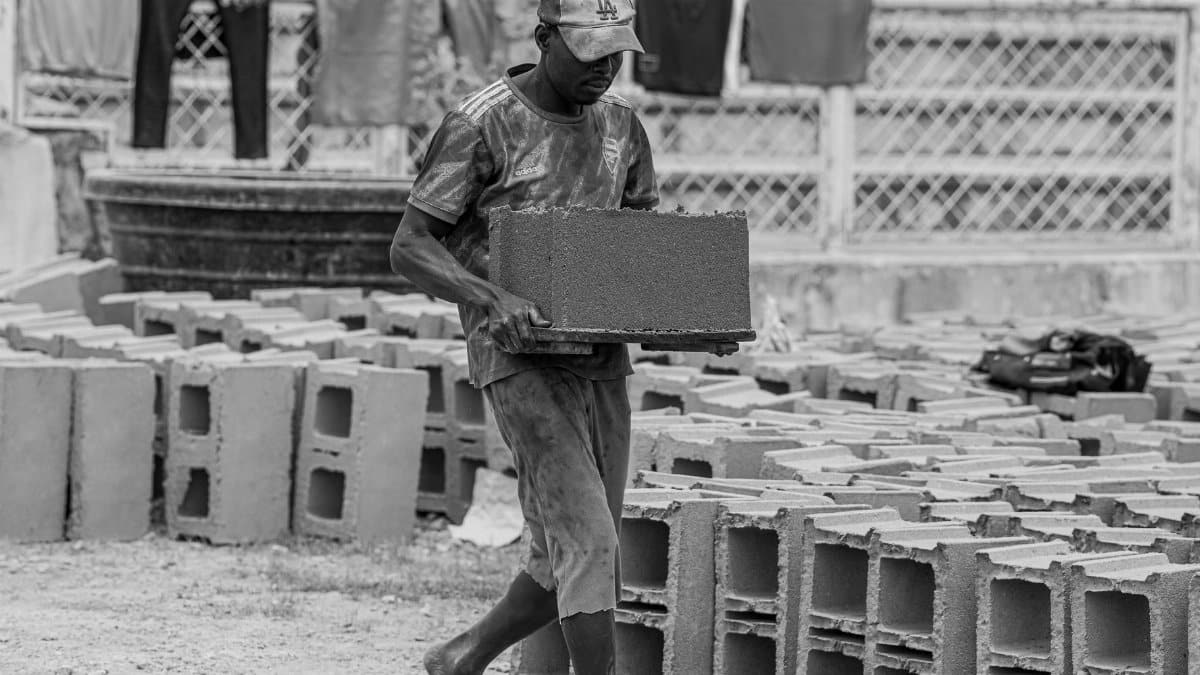
It is easy to aim frustration at the person in the truck. Most of the time that person did not design the schedule or choose which mile of pipe comes first. Crews work in traffic, in mud, and under deadlines set far from the curb. Residents who speak with them often hear the same constraint. Paving is a different contract. Inspection is a different day. The hole stays because the next trade has not arrived.
Respect for labor and impatience with delay can coexist. Thanking a crew does not require pretending the street is fine. Holding a contractor to a date does not require treating workers as villains. The Minneapolis water main holes are a management problem as much as a digging problem, and management is where accountability belongs.
Money, miles, and the order of repair

A multi mile replacement is a capital project, paid through rates, bonds, and the slow arithmetic of a utility budget. Priorities follow break history, pipe material, and the chance to coordinate with street reconstruction so a block is not torn up twice. That logic is sound on a map. On a single corner it can look arbitrary. Why this intersection and not the next. Why open now if paving cannot follow.
Transparency about that order would lower the temperature. Publish the sequence. Say which segments are waiting on tests. Say which are waiting on asphalt plants or on a second utility. People can tolerate a queue if they can see it. They tolerate a mystery poorly, especially when the mystery has a drop of several feet.
What restoration would actually change

Filling the openings would not erase every grievance about taxes or traffic. It would return a basic dignity to daily movement. A parent could cross without narrating the danger. A shop could put a sign in the window that is not an apology for the street. Night walks would lose one of their sharper anxieties.
Restoration also signals competence. Cities are judged less by the grandeur of their plans than by whether the last cone leaves. When Minneapolis water main holes remain month after month, the plan is still a plan. When the pavement knits closed and the water runs clear, the plan becomes a kept promise. That distinction is the whole of local trust.
A standard worth insisting on

No one serious argues against replacing failing mains. The argument is about duration, notice, and care for the surface people live on while the pipe is renewed. A reasonable standard is plain. Secure every opening as if a child will test it. Update every block when a date slips. Pave as soon as the tests allow. Do not let a necessary project become a landmark of delay.
Until that standard is visible on the asphalt, residents will keep telling the same story. They will point at the fencing. They will count the weeks. They will ask, with more weariness than drama, when the street will be a street again. The answer should not require a special kind of patience. It should require a city that finishes what it opens.