
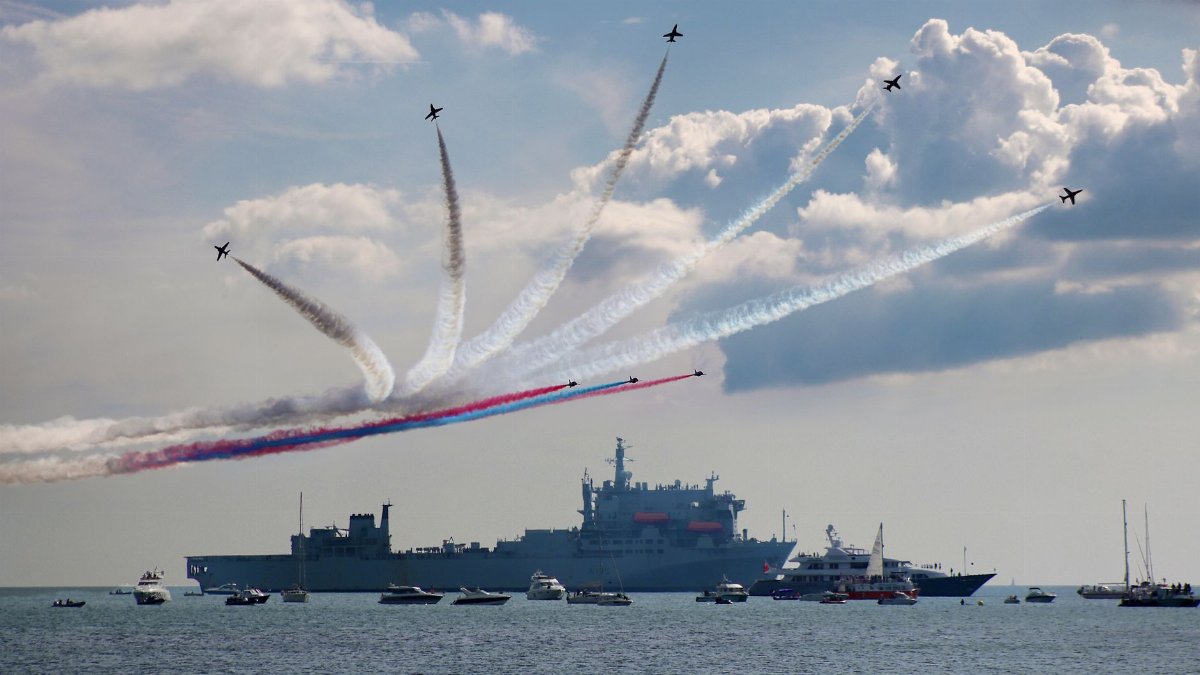
The departure board at San Francisco International Airport did not so much update as hesitate. Families with rolling bags stood in loose clusters near a domestic gate, watching morning times slide into afternoon while a low marine layer pressed against the glass. It was the second day of a celebrated air show, and the phrase travelers kept repeating was not about jets in formation. It was about SFO Fleet Week flight delays, the unglamorous counterpart to a spectacle meant to draw eyes upward rather than toward a flickering screen.
A weekend when the sky had two jobs
Fleet Week asks the Bay Area to do something slightly unreasonable and deeply loved. The region wants warships in the bay, precision flying over the water, and a normal Saturday of business trips, college visits, and connections to Asia and the East Coast. Those wishes share one finite resource: airspace above and around San Francisco International Airport, plus the runways that feed it.
On October 9 and October 10, 2026, the Federal Aviation Administration put a ground delay program in place for arrivals into SFO. The San Francisco Chronicle later tallied 457 delays tied to that stretch. Fog complicated the Blue Angels performance window, which meant the show and the airline schedule were negotiating with the same stubborn weather. None of this was a secret to people who fly the corridor often. It still landed as a shock to anyone who had booked a noon departure and treated the air show as scenery.
What a ground delay program actually changes
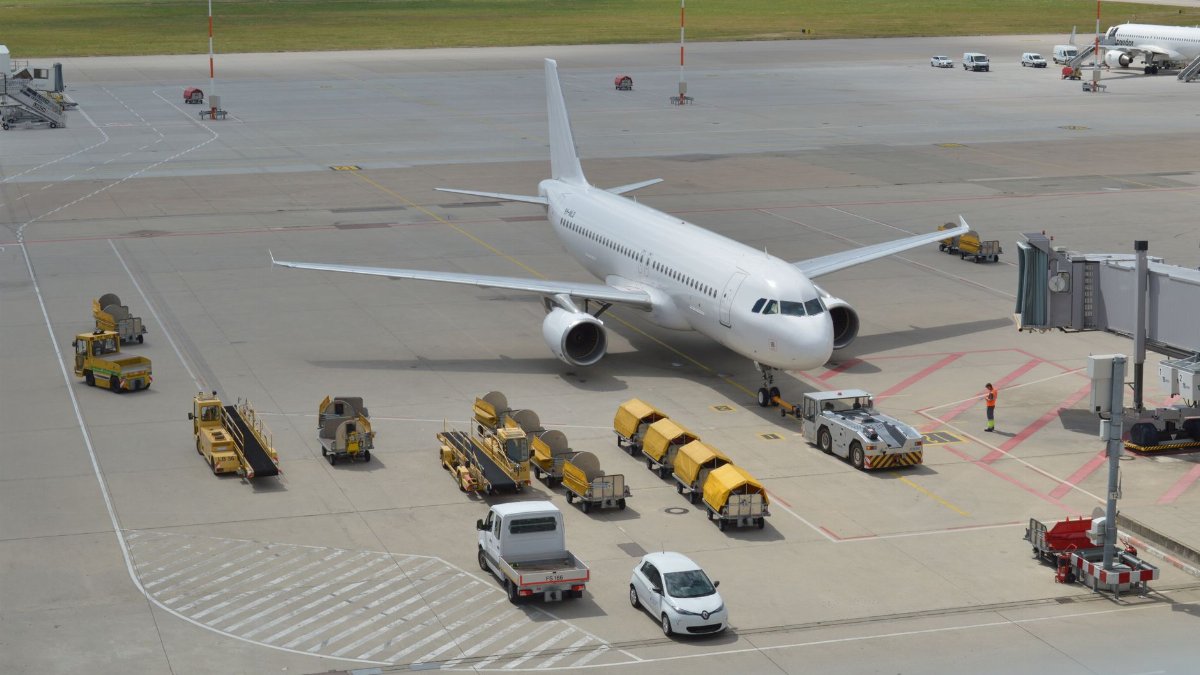
A ground delay program is not a poetic name for chaos. It is a traffic tool. When the airport cannot accept planes at the planned rate, because of weather, runway configuration, or temporary restrictions, controllers slow the flow at the origin. Aircraft wait on the ground in Denver, Dallas, or Seattle rather than circling the Bay in a stack that burns fuel and compresses safety margins.
For the passenger, the distinction is mostly academic. A hold at the departure airport still eats the connection, the dinner reservation, the last ferry, the speech someone was supposed to give. Crews time out. Gates fill with aircraft that arrived late and cannot turn. The program is orderly by design and disorderly in lived experience. That is why SFO Fleet Week flight delays feel personal even when the underlying decision is procedural.
Airlines do not invent these programs. They absorb them, then translate minutes into text messages that say your flight is delayed, then delayed again. The FAA manages the national system. The airport manages the concrete. The carrier manages the promise it sold you when you bought the ticket. When all three are constrained at once, the board fills with amber.
Fog, formation flying, and a closed slice of sky
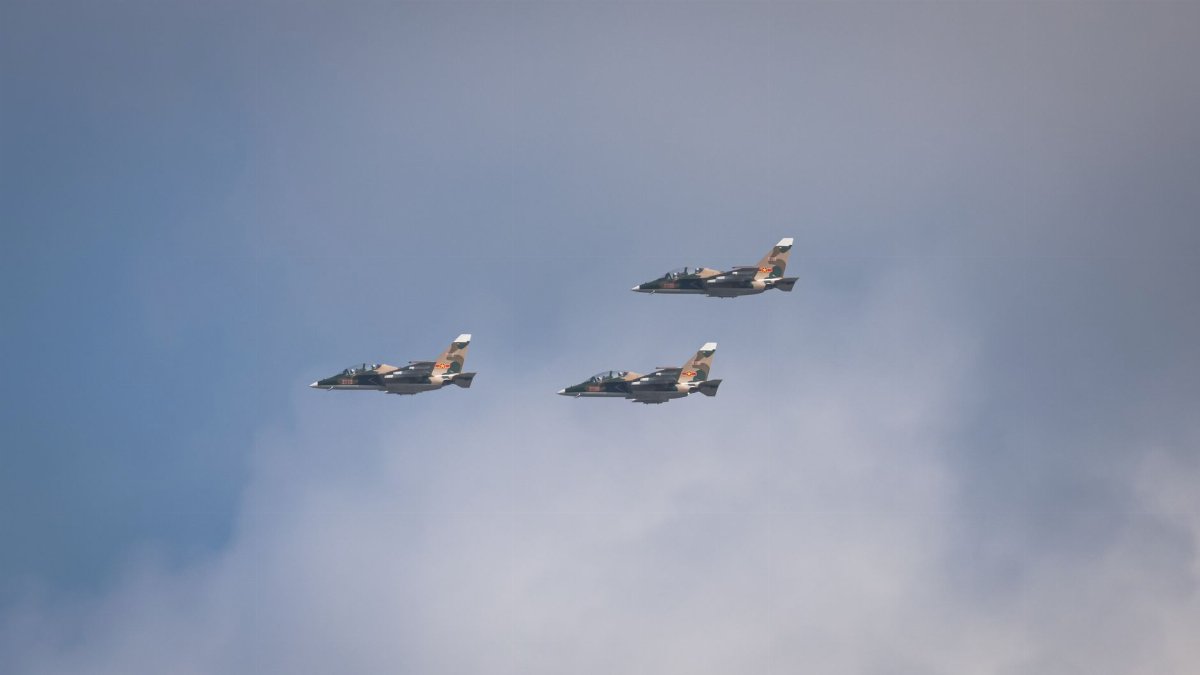
The Blue Angels are not a weather service. They need visibility, a defined box of airspace, and a schedule that crowds can plan around. October along the California coast often refuses that combination. A marine layer can sit on the deck in the morning, lift just enough to tease a performance, then settle again. Pilots who fly for the show and pilots who fly for United or Alaska are reading different manuals, but they are looking at the same ceiling.
When demonstration teams need a sterile area, commercial arrivals and departures are steered around it or held until the window closes. That is not a scandal. It is the terms of the permit. The friction appears when fog shrinks the useful hours and the commercial schedule has no slack left. A show delayed by weather does not politely return the airspace on the minute the program said it would. Recovery takes time. So do the arrival banks that SFO relies on in the late morning and again toward evening.
Why this airport feels the pinch more than most
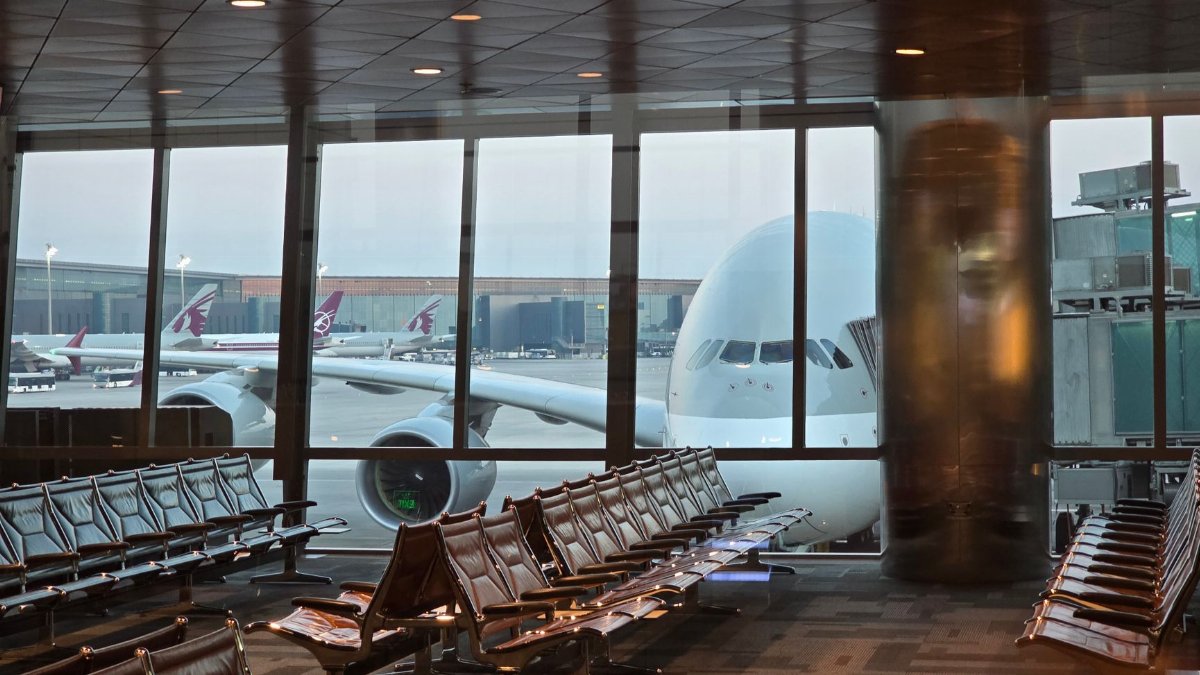
San Francisco International sits on a filled edge of the bay with limited runway options and a notorious relationship with crosswinds and low cloud. Parallel runways that look generous on a map become a single stream when visibility drops and wake rules tighten. Add a temporary restriction for an air show and the arrival rate falls in a way that ripples across the country, because SFO is not a spoke. It is a long haul gateway and a domestic hub for at least one major carrier.
Travelers sometimes compare the weekend with delays at other coastal cities and conclude that someone mismanaged a party. The fairer comparison is with any airport asked to host a major aerial event inside an already tight weather pattern. The party is real. The geometry is also real. Fleet Week did not invent October fog. It did choose, year after year, to stage elite flying in the same season when that fog is most reliable.
Four hundred fifty seven delays, and what the number hides
A count of 457 delays is large enough to dominate a local news cycle and small enough to misunderstand. It does not mean 457 aircraft sat useless on the ramp for an entire day. A delay can be twenty minutes or three hours. Some flights launched late and arrived only mildly behind. Others missed their banks entirely and pushed passengers onto the next morning. Cancellations, when they come, are a different statistic, often born from the same cause once crews and aircraft fall out of position.
The Chronicle figure, attached to the FAA ground delay program on those two October days, is best read as a measure of friction rather than a moral score. Still, friction at that scale is not abstract. It is a missed wedding rehearsal in the Richmond district, a refrigerated shipment that needed a truck instead of a belly hold, a pilot who would not legally finish the day. SFO Fleet Week flight delays enter the public conversation as an airport story. They leave it as a labor story and a family story.
The passenger who planned around the show and lost anyway
People who live here learn a folk calendar. Do not connect through SFO on the afternoon of the big performance if you can avoid it. Build a buffer. Fly Friday night. Take the train if the meeting is in the city and the flight is optional. That folklore failed plenty of travelers in 2026 because the disruption was not confined to a single aerial window. Fog and the ground delay program stretched the pain across two days, which is exactly long enough to defeat a clever itinerary.
I have stood in that terminal in other Octobers, not as a victim of destiny but as someone who thought a later flight was the safe flight. The later flight is only safe if the morning bank recovers. When it does not, the later flight inherits the debt. Veteran travelers know this and still get caught, because work does not always permit a Thursday departure and because optimism is a rational response to a city that usually makes the show work.
Hotels, ferries, and the weekend economy
Fleet Week is an economic event as much as a military courtesy and a public spectacle. Hotels on the water fill. Restaurants extend seatings. Charter boats sell views that no living room window can match. When flights stall, that economy splits. Some visitors never arrive, and their unused reservations become a quiet loss. Others arrive so late that they skip the waterfront entirely and sleep. A third group, already in town, treats the delay as an excuse to stay another night, which helps one ledger and hurts another.
Airport concession workers feel the shift in a more immediate way. A delayed bank means a crush at odd hours, then a lull when people finally leave. Rental car counters and ride hail queues lengthen in pulses. None of this cancels the value of the show for the region. It does argue for honesty in how officials describe the weekend. The jets are the advertisement. The ground delay program is part of the price.
How airlines talk when the sky will not cooperate
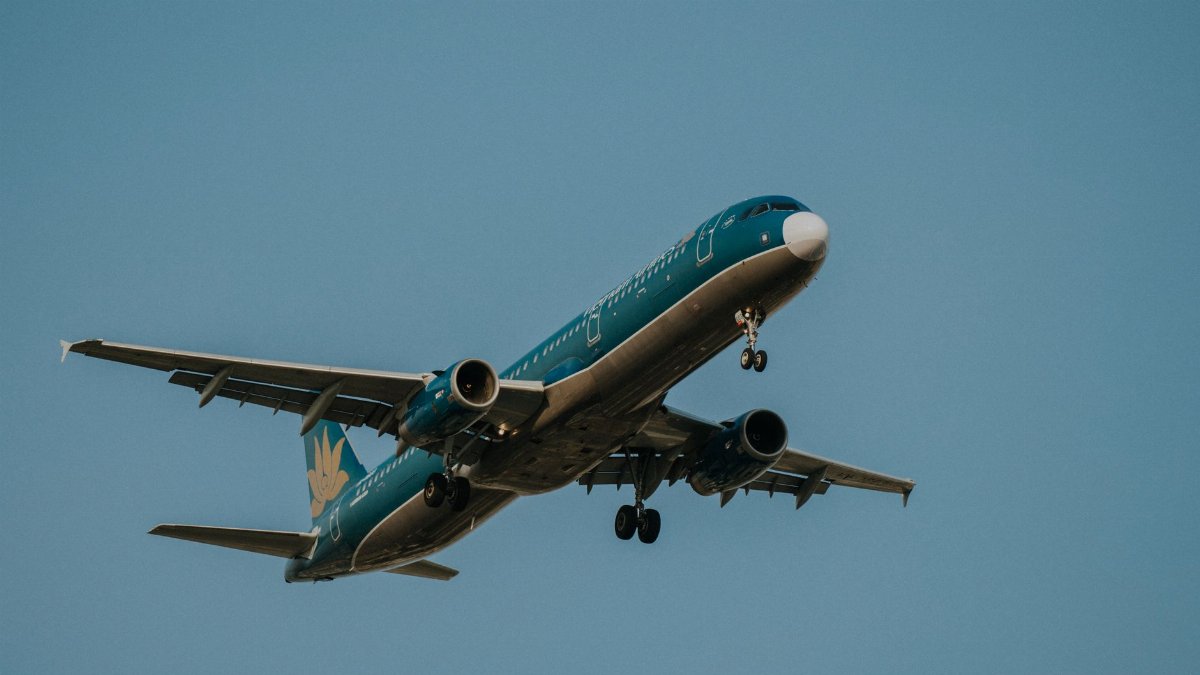
Carrier language in these moments is carefully bland, and passengers hate it for good reason. A text that cites air traffic control explains the mechanism and withholds the story. The story is that a public event, weather, and a constrained airport combined to slow the system. Travelers are entitled to that plainer account, even if compensation rules do not turn every weather and traffic delay into a voucher.
What airlines can control is the quality of the reroute. Extra staff at rebooking desks, honest estimates instead of rolling fifteen minute lies, and a willingness to put people on partner flights before the evening bank collapses all change the texture of the day. They do not erase SFO Fleet Week flight delays. They decide whether the delay becomes an anecdote or a grievance that lasts until the next election for brand loyalty, which for airlines is every purchase.
The civic bargain behind the spectacle
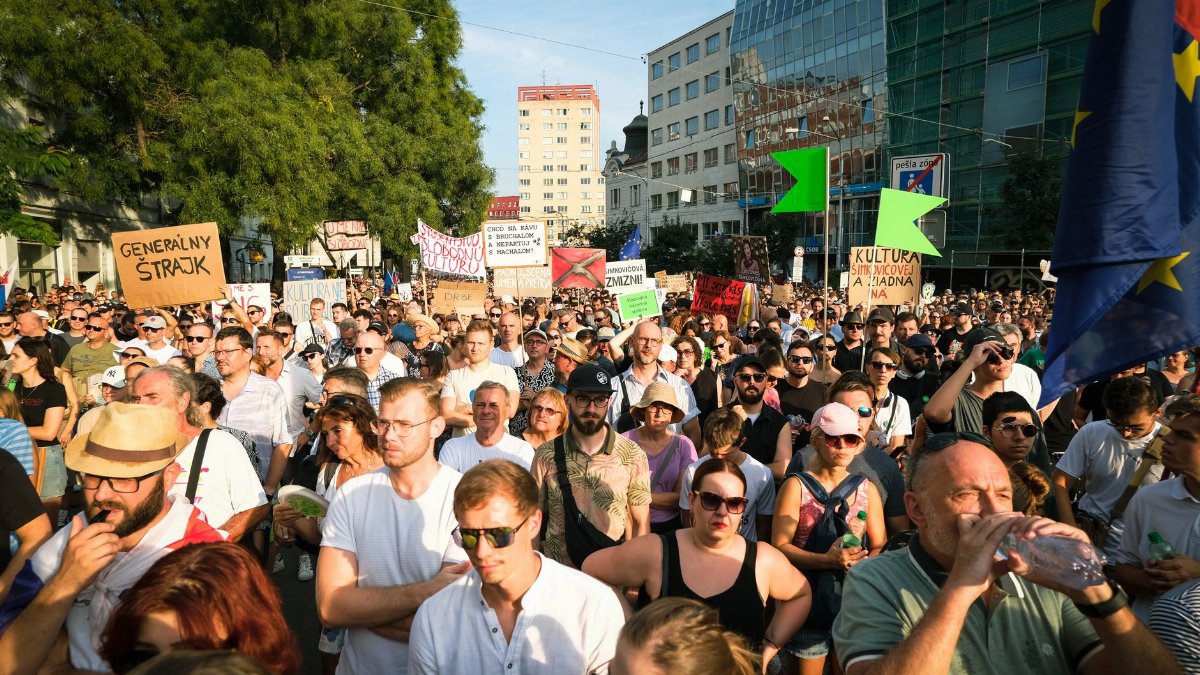
Fleet Week survives because the Bay Area wants it. Veterans and their families see recognition that is more than a speech. Children see aircraft they will talk about for years. The Navy and the city renew a relationship that is partly pageant and partly recruitment and partly memory. Criticizing delays is not the same as demanding that the show end. It is a request that the bargain be stated in full.
The full bargain includes temporary limits on commercial flying, a higher chance of fog interference in October, and a recovery period that outlasts the last pass over the bay. Cities that host marathons close streets and warn commuters for months. Aerial events deserve the same candor. A departure board full of revised times is not an accident that befell an otherwise untouched airport. It is a foreseeable consequence of sharing the sky.
What officials can say more clearly next October
Notice helps, but only if it is specific. Travelers need to know which hours are most exposed, not a general suggestion to allow extra time. Extra time is meaningless advice when the variance runs from a short hold to a missed transcontinental connection. Airlines and the airport authority can publish, in ordinary language, the historical pattern of arrival rates during show days and the conditions that trigger a ground delay program.
They can also separate myth from mechanism. The Blue Angels do not personally cancel your flight to Chicago. Fog does not personally ignore your tight connection. A reduced arrival rate, applied upstream, does both without malice. Clear language would not have prevented the 457 delays. It would have let more people choose a train, a different day, or a later meeting with their eyes open. That is a modest reform. Modest reforms are how airports keep public trust when the spectacular weekend goes sideways.
Weather that refuses to perform on cue
There is a temptation, especially in a region proud of its microclimates, to treat fog as a character with intentions. It is not. It is a temperature and moisture pattern that October repeats often enough to be a planning assumption. Performance teams already carry alternate plans, including delayed shows and abbreviated routines. Commercial schedules are less poetic and less flexible. An aircraft due in from the Midwest cannot hover in concept until the ceiling lifts.
The 2026 weekend illustrated the overlap at its least convenient. Fog issues around the Blue Angels narrowed the window in which the show could claim the sky cleanly, and the ground delay program extended the consequence to flights that never intended to watch anything but a jet bridge. Passengers who came for Fleet Week and passengers who came for a software conference stood in the same line. The sky did not sort them by purpose.
A practical memory for the next booking screen
If you must fly into or out of SFO on a future Fleet Week Saturday or Sunday, treat the itinerary as provisional. Prefer a single nonstop over a connection that dies if the first leg slips by an hour. Avoid the last flight of the night if missing it strands you. Watch not only your own delay but the arrival rate into the airport, because that number predicts your departure better than the scheduled clock. And if the trip is optional, Friday or Monday is not cowardice. It is respect for a system that will be asked to do two jobs at once.
None of this restores the hours lost on October 9 and October 10. It does refuse the idea that the disruption was a freak event no one could have described in advance. The description was available to anyone willing to say it out loud: an air show, a fog prone coast, a ground delay program, and an airport with little spare capacity. Put those pieces together and SFO Fleet Week flight delays stop looking like a surprise and start looking like a choice the region keeps making, mostly with its eyes open, sometimes with its departure board glowing late into the evening.
After the jets, the ordinary airport returns
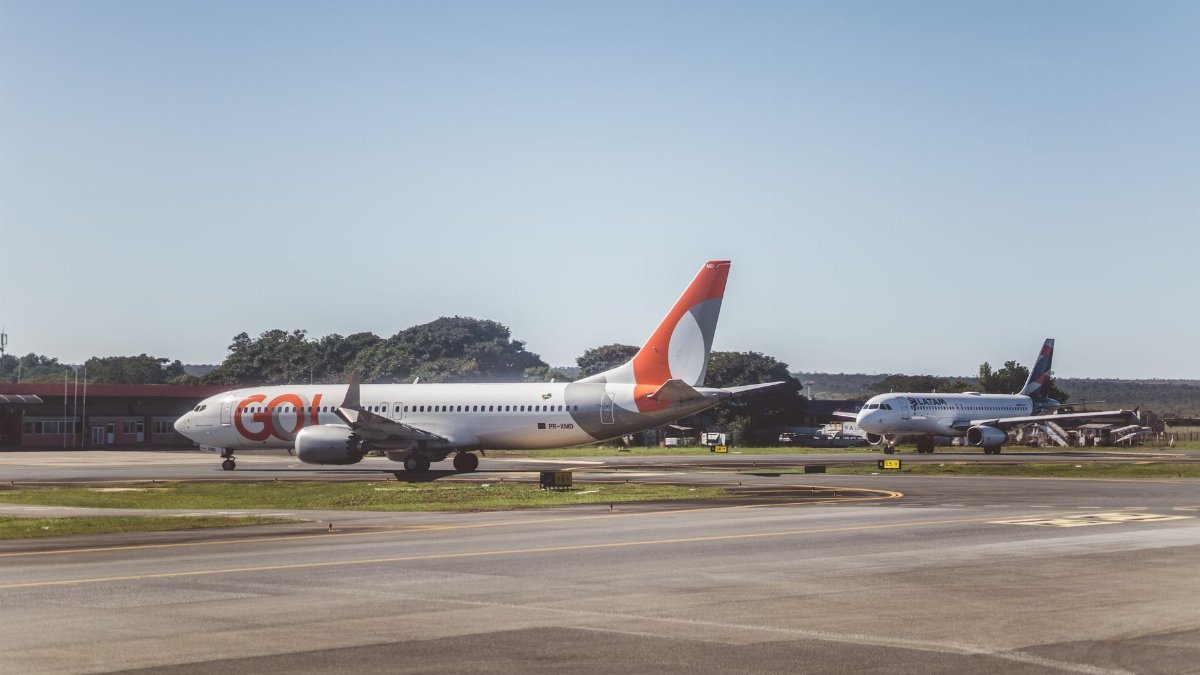
By the time the ships begin to leave and the demonstration teams pack their schedules for another city, SFO looks like itself again. The marine layer may still be there. The arrival rate recovers. Bags move. The story shrinks from a regional headline to a line on an expense report. What remains is a question of proportion. Hundreds of delays are not a reason to pretend the show has no public value. They are a reason to stop pretending the show is free.
A grown up civic culture can hold both thoughts. The flyover can still lift people who need lifting. The passenger in Terminal 2 can still be told, early and in plain speech, that the sky has been promised to someone else for a while. Until that candor is routine, the most accurate souvenir of the weekend will not be a photograph of a diamond formation. It will be the revised arrival time, and the long walk back to a chair that was only supposed to be temporary.