
On a gray Tuesday morning outside a South Seattle high school, backpacks thud against the pavement and a security aide waves students toward a single open door. The ritual is ordinary until someone mentions the machines that may soon stand beside that door. This week the Seattle School Board voted without a single no to test weapons screening at two high schools, a decision that puts Seattle schools metal detectors into a city argument that has been building for years. Parents who lost sleep after hallway fights want a harder line. Students who already feel watched want to know who the line is for. The pilot is small. The question it opens is not.
A vote that landed without dissent
Unanimity is rare in a district that argues about almost everything. Budgets, bus routes, and reading programs routinely split the room. Weapons screening did not. Board members approved a limited pilot that places screening equipment at the entrances of two high schools, with the stated aim of keeping guns and other weapons out of buildings where teenagers spend most of their waking hours.
The vote does not turn every campus into a checkpoint. It does not rewrite the student handbook overnight. It does authorize a trial that staff, families, and students will have to live with in real time, in real weather, with real backpacks and real late bells. In a city that prefers pilot programs to permanent decrees, that distinction matters. A trial can end. A habit is harder to unwind.
Why these two campuses
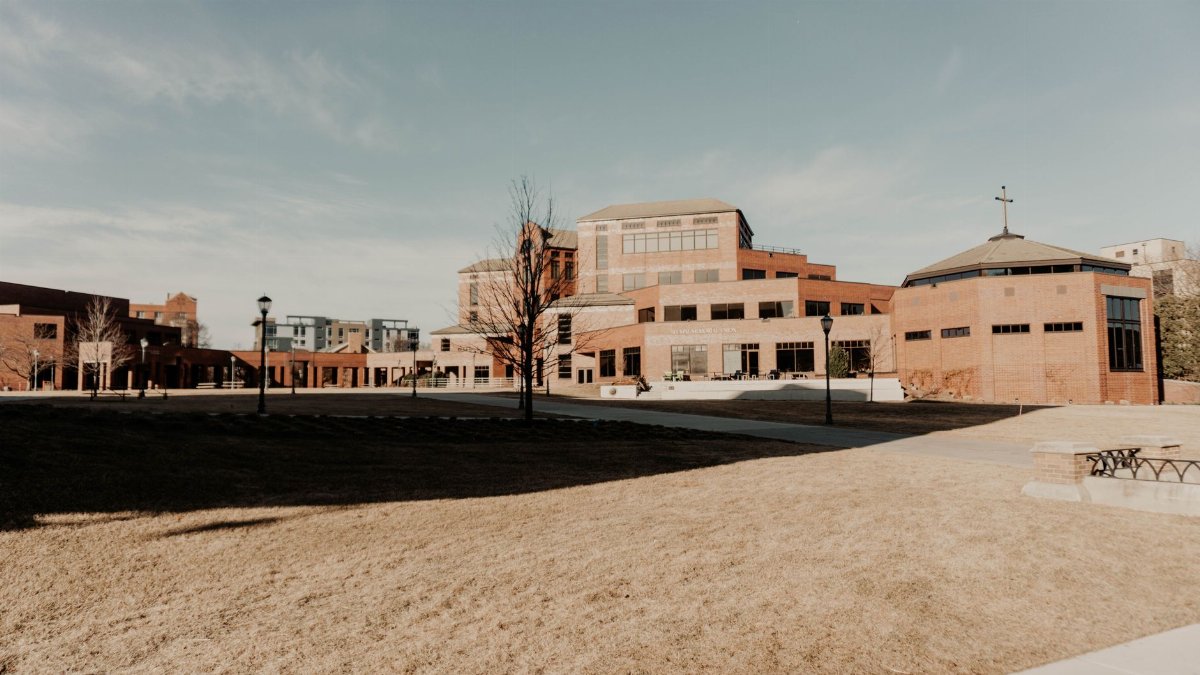
District leaders framed the choice as targeted rather than citywide. The two schools were selected because of safety concerns that administrators say have not yielded to counseling, restorative conversations, or extra adults in the halls. Supporters of the plan argue that waiting for a perfect citywide design would leave those buildings exposed while committees keep meeting.
Critics answer that selecting two schools also selects two student bodies for a kind of scrutiny their peers across town will not face. Geography in Seattle is never only geography. Neighborhood wealth, transit, and policing history travel with a student from the bus stop to the front door. A pilot that looks narrow on a map can feel broad to the teenagers who have to empty their pockets.
How the morning is supposed to change

Under the plan, students would pass through screening as they enter, much as fans do at a stadium, though a school is not a stadium and a Tuesday is not a playoff night. Bags may be checked. Items that set off an alarm would be inspected by trained staff. The hope, stated plainly by backers, is deterrence: a person who might have carried a weapon thinks twice, or is stopped before the weapon reaches a classroom.
The practical picture is less clean. High schools move hundreds of people through a few doors in a short window. Rain, late buses, and a fire drill can collapse that window. If lines spill onto the sidewalk, students stand in public longer, and the first lesson of the day becomes waiting. Seattle schools metal detectors will succeed or fail not only on whether they find a blade, but on whether the school day still begins with enough time to learn.
Students who already know the doorway
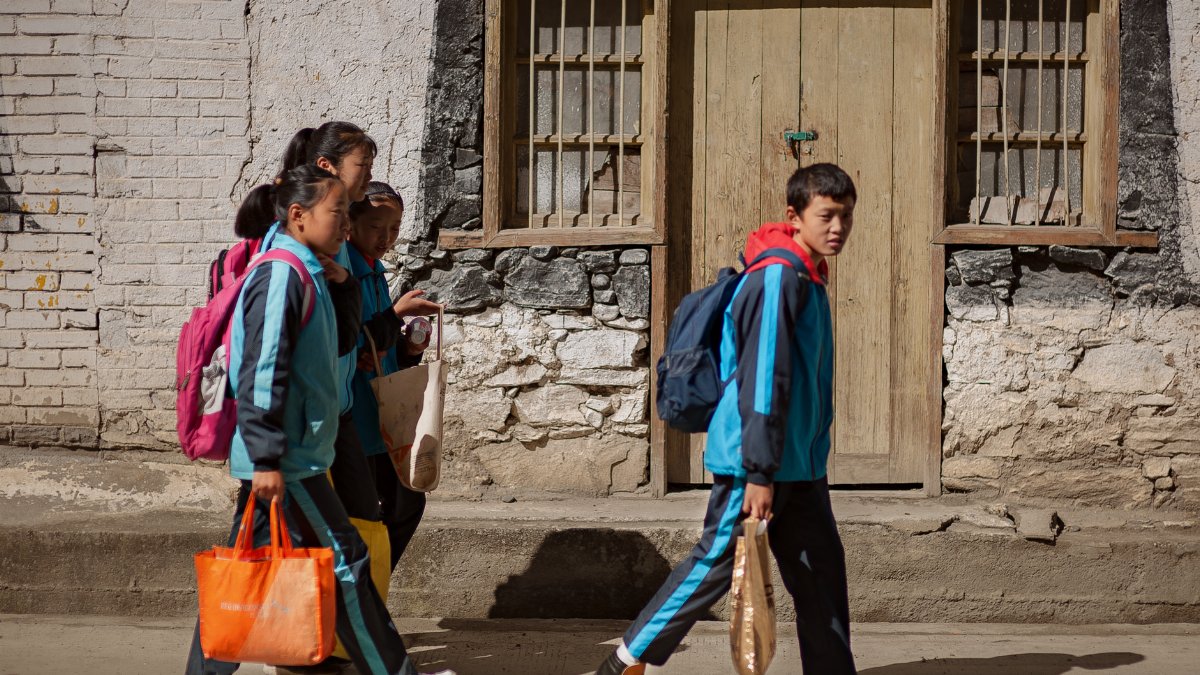
Ask teenagers what safety feels like and you rarely get a speech about equipment. You get stories. A friend who stopped using a certain stairwell. A teacher who notices when someone goes quiet. A rumor that moves faster than any adult email. Many students say they want fewer weapons in school. Many also say they do not want their ordinary morning treated as a suspicion.
That tension is the heart of the pilot. A detector can be experienced as protection or as accusation, sometimes by the same student on different days. Youth who already pass through other forms of security, on transit or near downtown, may read the school door as one more place where their body is a problem to be solved. Others, including students who have hidden in classrooms during lockdown drills, may read the same door as the first adult promise that has felt concrete.
Parents pulled in two directions

Parent meetings on this subject rarely stay polite for long, even when everyone in the room loves the same children. One group speaks from fear that is specific: a fight that turned into something worse, a text message at 10 at night, a news alert from another city. They hear talk of school climate and want a tool they can point to. They are not asking the district to become a fortress. They are asking it to stop pretending that words alone close a door.
Another group speaks from a different fear. They worry that screening will fall hardest on Black and brown students, on immigrant families, on teenagers whose backpacks already carry the weight of being watched. They remember decades in which safety language justified searches that did not make anyone safer and did make school feel smaller. Both fears can be honest. A unanimous board vote does not dissolve either one.
What a machine cannot read
A detector responds to metal. It does not respond to grievance, humiliation, untreated distress, or the status that makes one student think a weapon is power. Educators have said for years that the conditions around a fight matter as much as the fight. Crowded classes, thin counseling staff, and adults who do not know students by name create openings that no doorway device can close.
That is not an argument for doing nothing at the entrance. It is an argument against treating the entrance as the whole strategy. If the pilot becomes the visible symbol of safety while counseling offices stay understaffed, the district will have purchased a picture of seriousness rather than the slower work of knowing children. Families can tell the difference. So can teachers, who will still be the people in the room when a conflict starts three periods after the scan.
Money, minutes, and the adults at the door
Screening is not a plug in the wall. Someone has to stand there, trained, consistent, and calm when a teenager is late and embarrassed. Someone has to log what was found, call a parent, and decide when a forgotten tool for a shop class is not a threat. Those minutes cost money. So does equipment, maintenance, and the extra time buildings may need at the start of the day.
Seattle, like most large districts, is not swimming in spare funds. Every dollar at a doorway is a dollar not spent on a counselor, a classroom aide, or a bus route that gets a student to school before the scan even matters. Board members who voted yes will be asked, fairly, what they are willing to pause in order to staff this trial well. A cheap version of security is often the version that breeds resentment without producing safety.
Lessons other cities already paid for
Districts across the country have tried entrance screening, with results that refuse to fit a single slogan. Some report fewer weapons brought inside and a sense among staff that the building feels more predictable. Others report long lines, students who avoid school, and little clear change in the deeper pattern of fights and fear. Researchers and local watchdogs have warned that equipment can narrow a problem without shrinking it.
Seattle does not have to copy those cities, but it also does not get to pretend the experiment is new. The useful question is narrower. What will this district measure, in public, after a set number of months? Weapons recovered is one number. Absences, referrals that fall unevenly by race, minutes lost to lines, and student reports of whether they feel safer are others. If only the flattering numbers are published, the pilot will have taught the public to distrust the next one.
Race, trust, and who gets waved aside

Trust is the scarce resource here, more than metal or voltage. Seattle schools have spent years promising that discipline will not replay old patterns in which some students are corrected and others are escorted out. A detector does not have a bias. The people who decide when to search a bag, when to call police, and when to let a student through with a warning do.
If the two pilot schools serve communities that already feel over policed, the district owes those communities more than a press statement. It owes published rules, a complaint path that works, and data that a skeptical parent can read without a records request. Seattle schools metal detectors will be judged in living rooms, not only in board chambers. A teenager who believes the scan is fair may tolerate the inconvenience. A teenager who believes it is a ritual of disrespect will find a way around it, including by staying home.
The moral weight of a front door
A school entrance is a civic sentence. It says who belongs, how quickly, and on what terms. Faith communities and neighborhood groups in this city often speak about welcome as a practice, not a poster. That language belongs in this debate even if the vote itself was procedural. To welcome a child is to want that child alive at dismissal. It is also to refuse to treat the child as a threat before a word is spoken.
Those two duties can share a doorway if adults are honest about both. Safety without regard for dignity curdles into control. Dignity without regard for danger curdles into negligence. The pilot asks Seattle to hold both, in public, at two schools, while the rest of the city watches and decides what it is willing to normalize.
What the trial must answer
The board has given itself a chance to learn rather than to declare victory. Learning requires a clock. Families deserve to know how long the machines stay, who reviews the results, and what would count as a reason to stop. Students deserve a voice that is not a single listening session held after the equipment is already bolted down.
If the trial shows that entrances are calmer and that no group of students is carrying the burden alone, the argument for a wider use will be stronger. If it shows lines, mistrust, and no meaningful change in harm, courage will mean taking the machines down. Either outcome is more adult than leaving the devices in place because removing them would look like retreat.
A city still walking its children to the door
Seattle likes to think of itself as a place that solves hard problems with process. Process brought this vote. It will not walk a fourteen year old through a scanner on a wet morning. That walk belongs to principals, security staff, teachers, and parents who will decide, in small gestures, whether the new routine feels like care.
The headline is simple. Two schools. A unanimous board. A pilot. The life under the headline is not simple, and it should not be smoothed into a slogan about either toughness or tenderness. Seattle schools metal detectors are now part of the morning in a limited way. Whether they become part of the city’s idea of childhood depends on what adults are willing to count, to publish, and to change when the count comes back uncomfortable.