
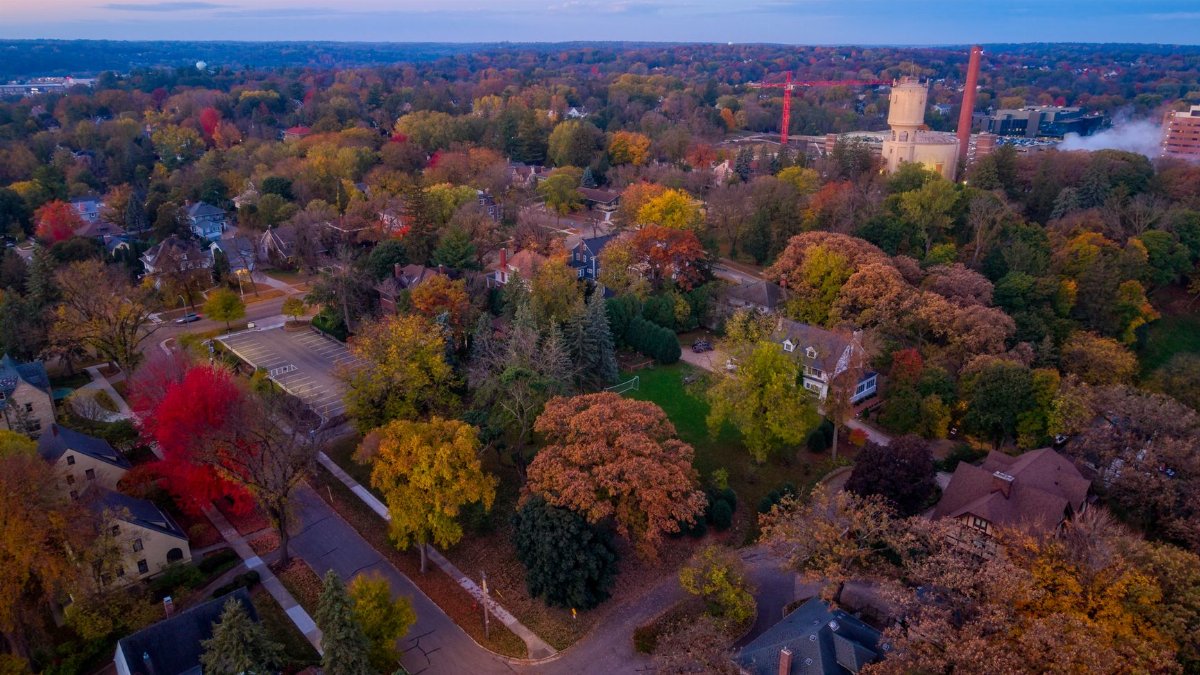
On a weeknight in a Minneapolis suburb, the campaign mail looks ordinary enough: property taxes, school scores, a promise to keep the streets safe. Then a television clip cuts through the room, and the conversation changes. For Minnesota Republicans Trump Somali has become a phrase that voters repeat with unease, not because every household follows every rally, but because the president’s language about Somali immigrants now sits inside races that were supposed to be about grocery bills and local control.
A suburban message under strain

Republican candidates in the Twin Cities ring have spent years trying to sound like neighbors rather than national combatants. They talk about crime statistics, classroom discipline, and the cost of housing. That pitch depends on a simple bargain. Voters who dislike the tone of national politics will still hire a Republican if the local offer feels practical. Trump’s latest attack on Somali immigrants tests that bargain in public. It asks candidates whether they will defend constituents who pray at mosques, run small shops, and send children to the same schools as everyone else, or whether silence is the safer path.
What the president put on the table
Trump has returned to a familiar theme, casting Somali immigrants as a burden and a threat rather than as Minnesotans with jobs, citizenship papers, and voting rights. The remarks travel fast. Clips move from cable news to group texts. People who never attend a rally still hear the charge at work. In a state where Somali Americans are visible in politics, medicine, trucking, and retail, the words are not abstract. They name a community that already lives next door.
Supporters hear a blunt case against immigration and against what they see as failed integration. Critics hear collective blame, the kind that treats an entire nationality as suspect. Campaign professionals hear something else as well: a message that may thrill a primary audience and complicate a general election map drawn through cul de sacs and office parks.
Demuth and the discipline of distance
Lisa Demuth, the leading Republican voice in the Minnesota House, has tried to keep her caucus aimed at governing. Her public posture, as reported in state political coverage, has been to separate the party’s legislative agenda from the president’s most sweeping attacks. That is not a full break with Trump. It is a tactical distance. She can criticize disorder, press for enforcement of existing law, and still refuse to treat Somali residents as a single villain in a speech.
Distance has a cost. Activists who want total alignment call it weakness. Suburban independents who want a normal politics call it the minimum. Demuth’s calculation is that Minnesota Republicans cannot win lasting power if every local race becomes a referendum on a presidential insult. The calculation only works if voters believe the distance is real.
Tafoya and the celebrity problem

Michele Tafoya arrives at the same problem from a different biography. A former sports broadcaster with a large public profile, she is fluent in the language of television and less practiced in the slow work of precinct politics. Name recognition helps. It also means every reaction is a clip. When she signals discomfort with Trump’s attack on Somali immigrants, she is speaking to donors, to women in the suburbs, and to Republicans who want a party that can recruit beyond its base.
She cannot outshout the president. Few state figures can. What she can do is refuse to repeat his framing. In a media market that still watches local news, a clear sentence can travel. So can a hedge. Voters tend to remember the hedge.
Why this community is not a talking point

Minnesota’s Somali population grew over decades of refugee resettlement, family reunification, and ordinary migration for work. Minneapolis remains the center, especially neighborhoods long associated with East African life, but families have moved outward as incomes rose. They buy houses in first ring suburbs. They open day cares. They argue about the same school levies as their neighbors.
Any honest account also includes strain. Poverty in some census tracts remains high. A small number of young men have been drawn into gangs or into overseas extremist networks, cases that federal prosecutors have pursued in open court. Those facts do not license a portrait of an entire people as criminals. They do explain why public safety is a live issue inside Somali households as well as outside them. Parents who fled war did not come to Minnesota to watch their children recruited by anyone.
The voters the party still needs
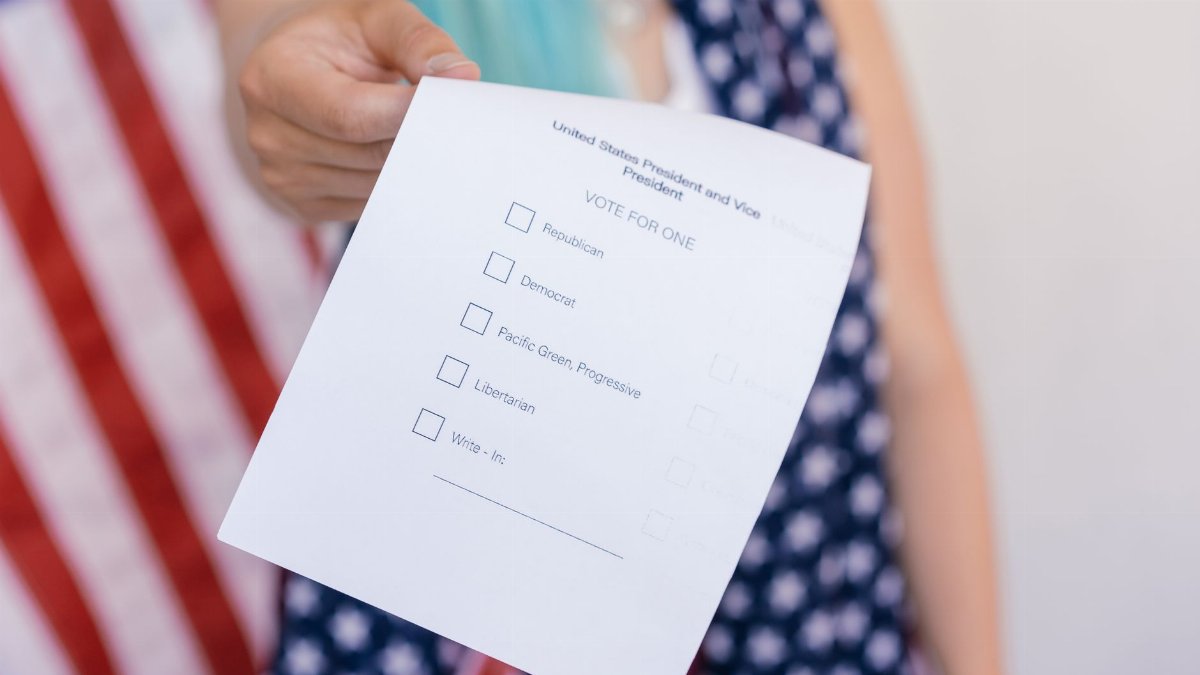
The suburban vote in Minnesota is not a cartoon of country clubs. It includes nurses on night shifts, Somali homeowners, Hmong entrepreneurs, and white retirees who split tickets. Many of them want immigration laws enforced. Many of them also recoil when a president speaks as if legal residents were invaders. Republican strategists know this split. They have polling, doorbell data, and the memory of races lost when national rhetoric drowned out a local candidate’s résumé.
The phrase Minnesota Republicans Trump Somali captures that collision in four words that do not belong together and yet now travel together. Candidates can pretend the collision is a media invention. Door knockers know better. At the porch, people ask a direct question: Do you agree with him or not?
Faith, neighbors, and a category the campaigns forget

Much of the argument is described as culture war. In practice it often runs through congregations. Lutheran churches sponsor refugee families. Catholic parishes share parking lots with Friday prayers nearby. Mosques host food drives that feed people who will never join the congregation. These institutions do not set party platforms. They do shape whether a harsh speech feels like policy or like an attack on someone a voter has met.
Republican candidates who speak only in the language of enforcement miss that moral vocabulary. Democratic candidates who speak only in the language of welcome miss voters who want order at the border and honesty about crime. The suburb in between is full of people who hold both instincts and distrust anyone who mocks one of them.
Integration is a record, not a slogan

Integration in Minnesota is uneven, which is another way of saying it is real. Somali Americans serve in the Legislature, on city councils, and in police and fire departments. English acquisition varies by age and by when a family arrived. Employment in health care and logistics is common. So are disputes over schooling, gender norms, and the pace of cultural change. Those disputes belong in public argument. They do not require a president to smear a nationality.
State Republicans who want a serious immigration position can talk about asylum backlogs, work authorization, and the duty to prosecute fraud in public programs. Minnesota has seen high profile prosecutions involving public funds. Those cases should be tried on evidence, defendant by defendant. Collective punishment by rhetoric does not tighten a single audit.
The silence that reads as consent
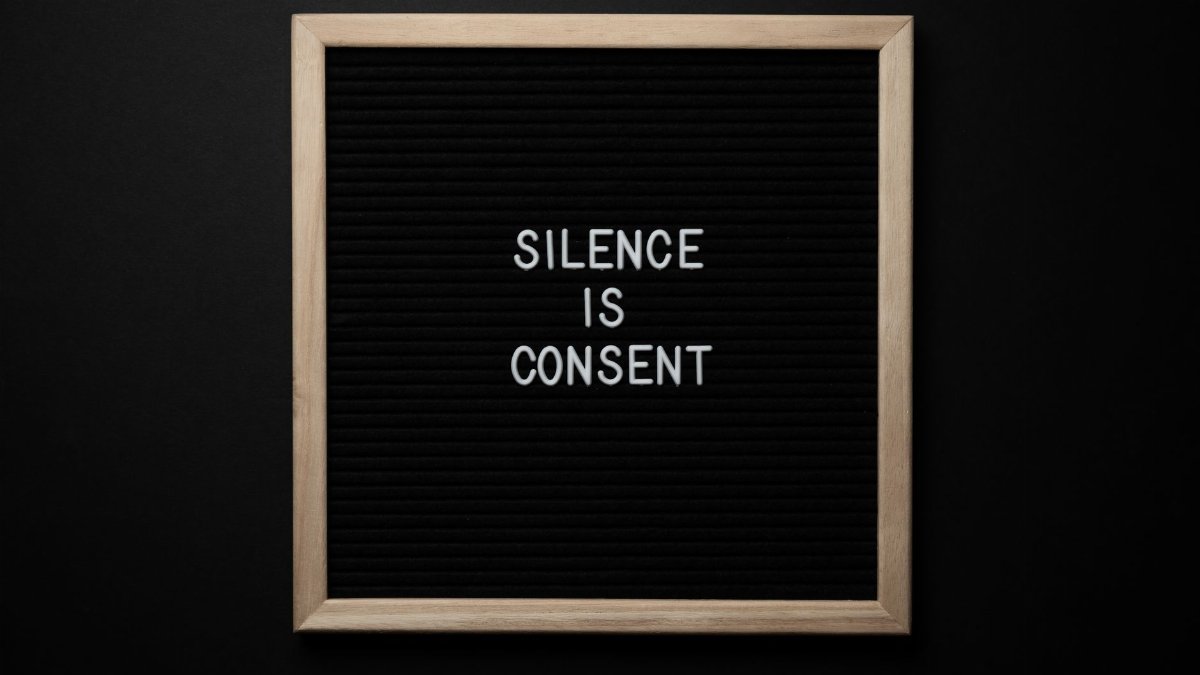
In campaigns, omission is a choice. A candidate who declines to mention Trump’s remarks hopes the news cycle will move. Sometimes it does. Sometimes a fresh clip arrives the weekend before absentee ballots drop. Operatives then discover that silence has already been interpreted. Somali voters hear abandonment. Some conservative voters hear disloyalty to the president. Persuadable voters hear a person who will not say what she thinks.
Demuth’s circle and Tafoya’s circle are testing different versions of a reply: condemn the insult, keep the policy, change the subject to budgets. The reply is coherent on paper. On a stage, with a microphone and a hostile question, it requires a spine. Voters can tell when a sentence has been lawyered into mush.
National party, local consequence

Trump remains the dominant figure in Republican politics. State parties that cross him pay a price in enthusiasm and in small dollar money. State parties that echo him pay a price in the places where margins are thin. Minnesota is one of those places. Statewide wins for Republicans have been rare. Legislative power depends on districts that look more like Eden Prairie and Woodbury than like a rally arena.
That is why Minnesota Republicans Trump Somali is not a search term invented by opponents alone. It is a description of a governing risk. If the party’s face in the state is a presidential attack on Somali immigrants, then every Republican on a suburban ballot inherits the face. Candidates can print their own mail. They cannot print a separate news environment.
What a cleaner argument would sound like

A cleaner argument is available, and it does not require anyone to praise open borders or to pretend that resettlement has been costless. It says that citizens are citizens. It says that crime is an individual act. It says that immigration policy is made in Congress and enforced by agencies, not by nickname. It says that Minnesota’s future includes Somali American families whether a rally likes that fact or not.
Such an argument will not satisfy people who want expulsionist theater. It might satisfy the larger group that wants competence. Republicans who intend to hold or expand power in this state will have to decide which audience they are willing to disappoint. The decision will not stay theoretical. It will show up in joint appearances, in written statements, and in whether a candidate looks at a Somali constituent and speaks to that person as a neighbor.
The week the clip arrived

Return to the living room where the mail still sits on the table. The homeowner may vote Republican on taxes and still forward the clip to a group chat with a single angry line. A Somali nurse on the same block may have voted for a Republican legislator once and may not do it again. Neither reaction is guaranteed. Both are plausible, which is why professionals are nervous.
Politics at this scale is repetition. If the next month brings more attacks and more careful distancing, the pattern will harden. If candidates speak plainly, some of the damage can be limited. None of that erases what has already been said from a presidential microphone. It only decides whether Minnesota Republicans treat Somali Minnesotans as part of the electorate they mean to represent.
A test that outlasts one news cycle

Elections reward clarity more often than consultants admit. The suburbs are not asking every candidate to denounce a party leader in sweeping terms. They are asking whether a local Republican can hear an attack on a Minnesota community and answer in a full sentence. Demuth, Tafoya, and the candidates who follow their lead are in that test now.
Minnesota Republicans Trump Somali will keep surfacing in headlines because the conflict is unresolved. One side of the party wants the president’s volume. Another side wants a pitch that can survive a conversation at a school concert. The residents caught in the phrase are not props. They pay taxes, bury their dead, and raise children who will remember how the state’s leaders talked when it would have been easier to look away.