
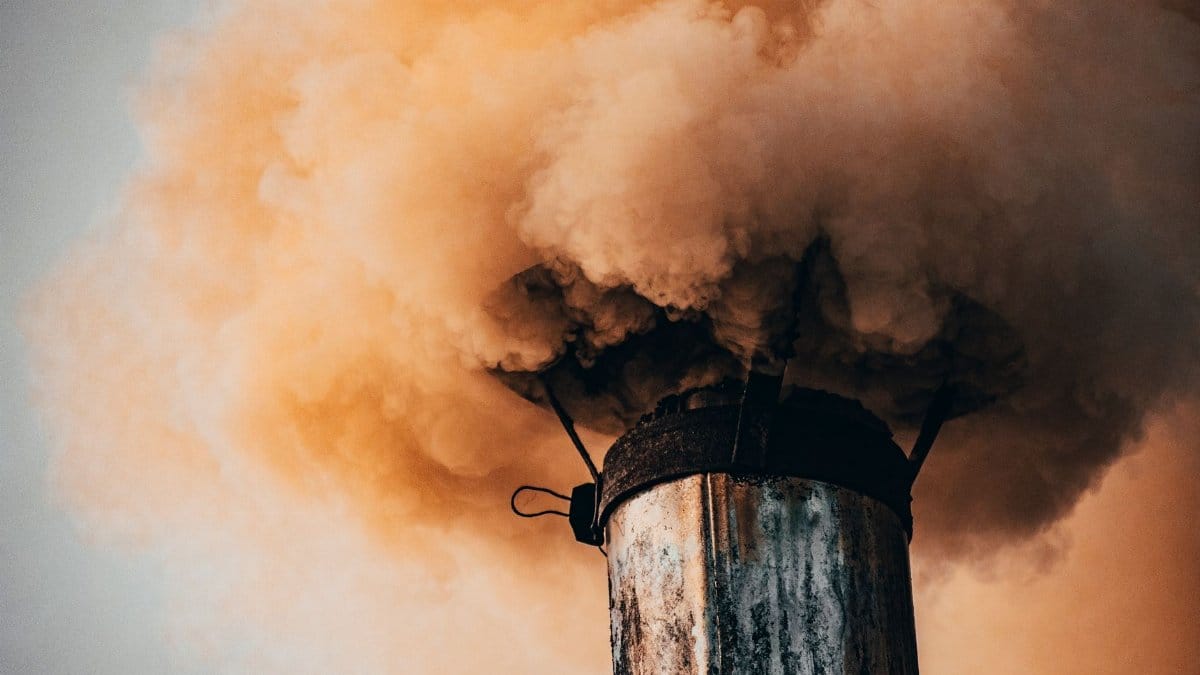
Saturday in southwestern Minnesota often arrives with a particular kind of light. The crops are down, the soil is loose, and a steady wind can lift fine particles until the horizon softens. Hunters, walkers, and farm families notice it first as grit on the tongue or as a haze that does not match the blue of a clean autumn sky. State officials have answered that haze with a Minnesota air quality alert for sensitive groups, a notice tied to blowing dust on the Saturday that also opens pheasant season.
A notice that changes the shape of the day

The Minnesota Pollution Control Agency issues alerts when pollution, smoke, or dust is expected to bother people with asthma, heart disease, or other conditions that make breathing harder. This notice is narrower than a statewide smoke event. It focuses on southwestern counties where dry ground and wind meet. For many healthy adults, a few hours outside may feel unpleasant rather than dangerous. For sensitive groups, the same air can mean tightness in the chest, a cough that will not settle, or fatigue that arrives earlier than the work would suggest.
Readers who want the official wording can consult the Minnesota Pollution Control Agency air page, which posts current alerts and explains how the state groups risk. The federal AirNow site offers a parallel view, useful when a regional pattern does not stop at a county line. A morning reading is a start, not a promise. Wind can build after lunch and lift a fresh veil of soil from fields that looked quiet at dawn.
Why dust behaves differently from smoke
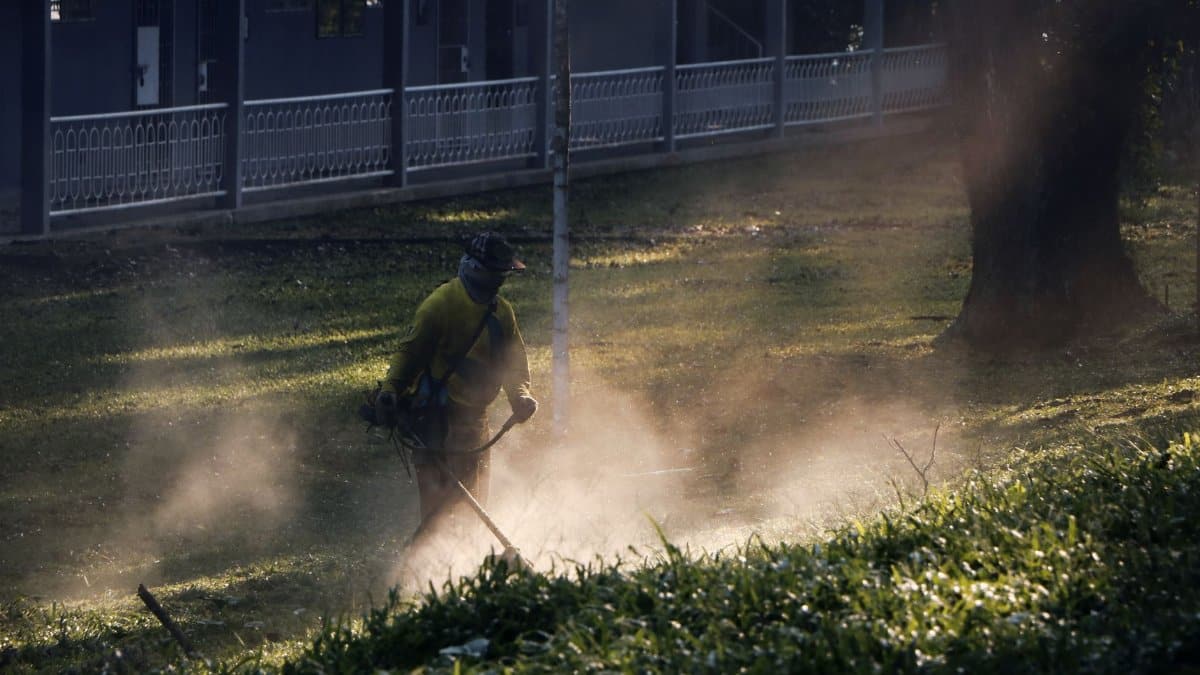
Wildfire smoke has become a familiar late summer story across the Upper Midwest. Blowing dust is older, more local, and easier to underestimate. It rises from fields, gravel roads, construction sites, and bare shoulders after harvest. Particles small enough to inhale can travel for miles, then drop when the air calms. Unlike a distant plume that tints the whole sky, dust can look like ordinary haze until someone with sensitive lungs feels the difference.
Farmers know this weather. So do coaches who shorten practice when the wind picks up along a county road. The alert gives that local knowledge a public form. It says the risk is not only a private hunch. It is measurable enough for the state to ask certain people to change their plans, even on a weekend built around being outside.
Pheasant season and the habit of going out
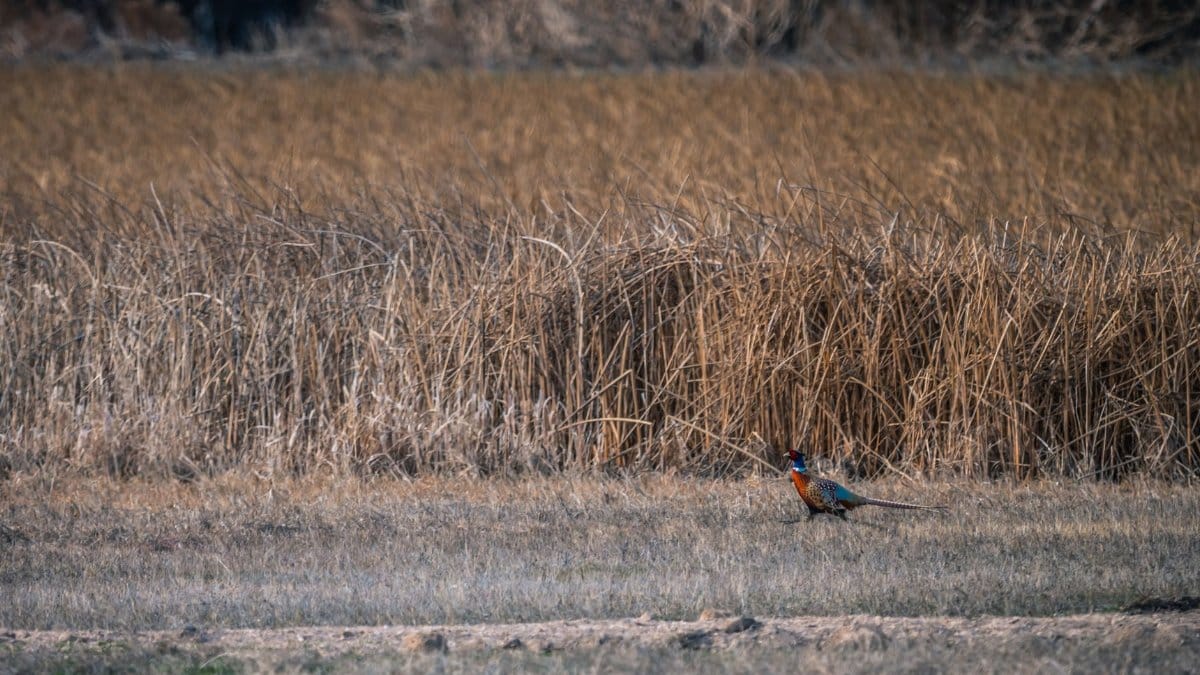
The opening of pheasant season is a civic ritual in much of rural Minnesota. Trucks line up before dawn. Dogs work the ditches. Families treat the weekend as sport and reunion at once. An air alert does not cancel that tradition, and officials are not asking every hunter to stay home. They are asking people in sensitive groups to limit prolonged or heavy outdoor exertion while dust is in the air.
That distinction matters. A short errand is not the same as hours of walking through stubble with a rising heart rate. Exertion pulls more air, and more particles, into the lungs. Hunters who live with asthma, older adults who join mainly for the company, and children who tag along for the morning are the people the notice is written for. A Minnesota air quality alert is a planning tool, not a verdict about who belongs in the field.
Who counts as sensitive

Public health language can sound bureaucratic until it names a neighbor. Sensitive groups typically include people with asthma or other lung disease, people with heart disease, older adults, children, and anyone who has felt symptoms on previous dusty or smoky days. Pregnancy often appears in cautionary guidance because breathing changes and because protecting the person who is pregnant also protects the developing child. Outdoor workers, including those on farms and road crews, may not lead every headline, yet they face longer exposure than someone who can step inside at will.
The practical test is simple. If you already use an inhaler, if stairs leave you winded on a clean day, or if dust has triggered symptoms before, treat the alert as meant for you. If you are healthy and the air merely looks dull, you can still choose less time outside. There is no prize for ignoring a forecast that was written to keep a clinic visit off the calendar.
How the air is judged
Minnesota relies on monitors, weather models, and reports from the field to decide when an alert is warranted. Fine particles are the main concern with blowing dust, because they can pass deep into the lungs. Coarser dust irritates eyes and throats and settles on cars and windowsills. Both can be present on a windy harvest day. An alert aimed at sensitive groups usually means concentrations are expected to reach a level where vulnerable people should reduce exposure, while others are asked to watch for symptoms and avoid unnecessary strain.
Conditions shift as wind speed changes. A clear morning can worsen by midday if gusts increase. Checking once, then checking again before a long drive or a hunt, is wiser than treating the first reading as permanent. News reports on this Saturday have carried the basic facts: blowing dust, southwestern Minnesota, sensitive groups, and the pheasant opener. The advice does not require a specialist. It asks for attention and a willingness to revise a plan.
Steps that actually help

The most effective step is also the least dramatic. Spend less time in the dust, especially while working hard. Move exercise indoors if a gym, a school hallway, or a living room can stand in for the road. Keep windows closed when outdoor air is worse than indoor air, and run a central system on recirculate if that option exists. People who must work outside can use a well fitted respirator rated for particles, take breaks in a clean vehicle or building, and watch colleagues for signs of distress. A thin cloth mask offers little protection against fine dust.
Schools and youth sports can move practice inside or cut it short. Congregations that host Saturday gatherings can remind older members that skipping the outdoor portion of an event is a reasonable choice, not a failure of commitment. In towns where weekend life unfolds in parking lots, church kitchens, and gravel lanes, small schedule changes protect people without canceling the gathering itself.
Symptoms worth taking seriously

Irritated eyes, a scratchy throat, and a mild cough are common in dusty air. More concerning signs include wheezing, chest pain, shortness of breath that does not ease with rest, dizziness, or an inhaler that seems not to work as usual. Those symptoms call for medical advice, and severe trouble breathing is an emergency. People with heart disease sometimes feel particle pollution as unusual fatigue or pressure rather than as a lung problem. Knowing your own pattern helps you act before a minor day becomes a clinic visit.
Pharmacies and clinics in rural towns already field these questions during smoke season. Dust days deserve the same respect. A Minnesota air quality alert is useful only if people treat symptoms as information rather than as something to push through until the truck is unloaded and the dog is fed.
The land after harvest
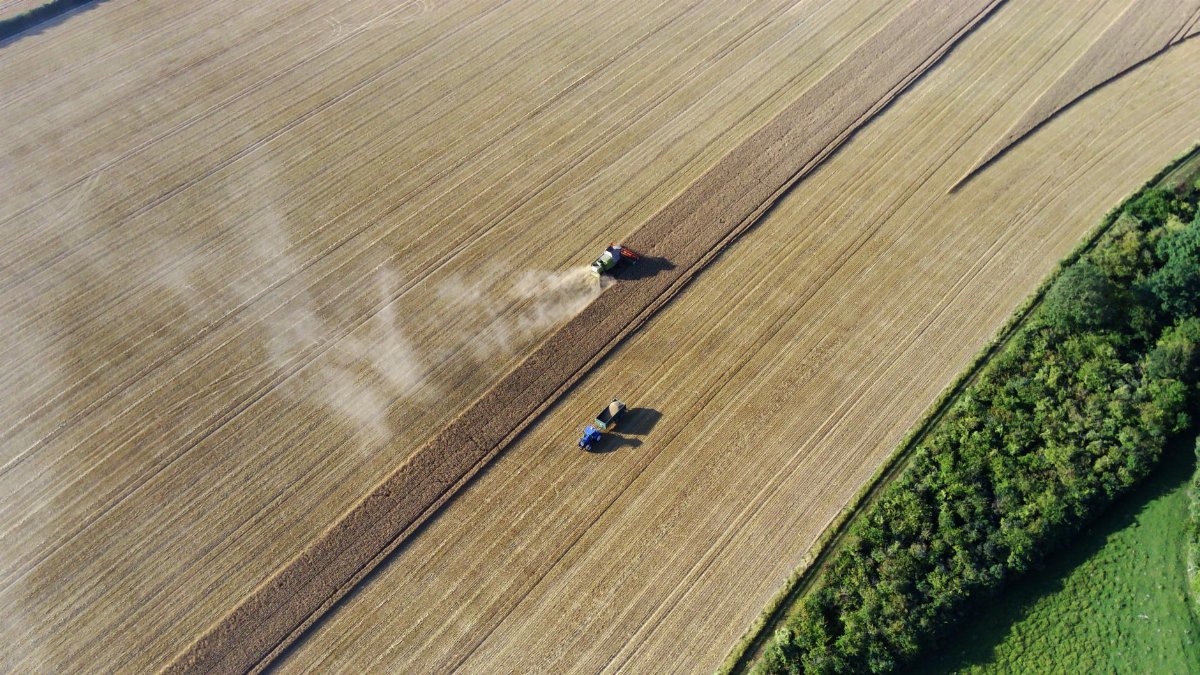
There is a longer story under the weekend notice. Harvest leaves soil exposed. Dry weeks make that soil easier to lift. Residents can see the sequence without a lecture. Bare fields, strong wind, and dust in the ditches are visible from any township road. A single Saturday does not prove a climate trend, but it does show how land cover and weather share one sky.
Soil conservation practices, including cover crops and reduced tillage, are discussed by agricultural extension services as ways to hold ground in place. They are not a same day fix for an alert already in effect. They are part of why some farms lose less soil when the wind rises. Public health and land stewardship meet here in a practical way. Cleaner air on a pheasant opener is connected to how fields are left when the combines finish, and to how communities talk about that choice in winter meetings as well as in hunting camps.
Neighbors, rituals, and the choice to stay in

Rural weekends carry a moral weather of their own. People show up. They help load dogs, bring bars to the church basement, and do not want to be the one who cancels. An air alert asks for a different kind of loyalty. Checking on an older relative before an afternoon in a blind, offering a ride so someone does not walk the gravel road, or moving a picnic inside is care that does not need a sermon to make sense. Faith communities in southwestern Minnesota already organize around harvest, hunting, and the start of the school sports calendar. Folding an air notice into that network is a small civic act.
I have stood in parking lots on mornings like this and watched people debate the sky as if it had a personality. Some trust their lungs. Some trust the forecast. The wiser habit is to trust both, and to let the more cautious person in the group set the plan. Pride is a poor filter on a day when the air itself is the variable.
What the next morning may bring
Dust alerts often ease when wind drops or when moisture returns to the ground. They can also linger if the pattern holds. Residents should look for an update from the state rather than assume the notice expires at dusk. Sunday hunts, outdoor church events, and youth games deserve a fresh check in the morning. If the alert is lifted, normal plans can resume. If it is extended, the same limits on prolonged exertion still apply.
Travelers crossing southwestern Minnesota can meet the haze even if they live elsewhere. Closing the windows and setting cabin air to recirculate reduces intake on the highway. Pets feel dust too. A shorter walk and fresh water after time outside are reasonable for dogs working the fields, and for the family animal that simply wants to follow everyone to the truck. Children who spent the morning in a ditch should wash faces and hands, change dusty clothes, and be watched for a cough that worsens after they come inside.
A clear standard for a hazy day
None of this requires panic. It requires proportion. The state has said sensitive groups should take care while blowing dust affects southwestern Minnesota. Healthy people can reduce heavy outdoor activity if they choose. Hunters can adjust routes, shorten days, or wait for cleaner air without abandoning the season. Parents can tie recess and sideline decisions to the forecast rather than to habit alone.
A Minnesota air quality alert is a public sentence with a private consequence. It lands in kitchens, truck cabs, and church entryways, where someone decides whether the day outside is worth the cost to a particular set of lungs. On this Saturday, with pheasant season opening under a dusty sky, that decision is the story. The fields will still be there when the air clears, and the people who needed the warning will be better served by a shorter day than by a stubborn one.