
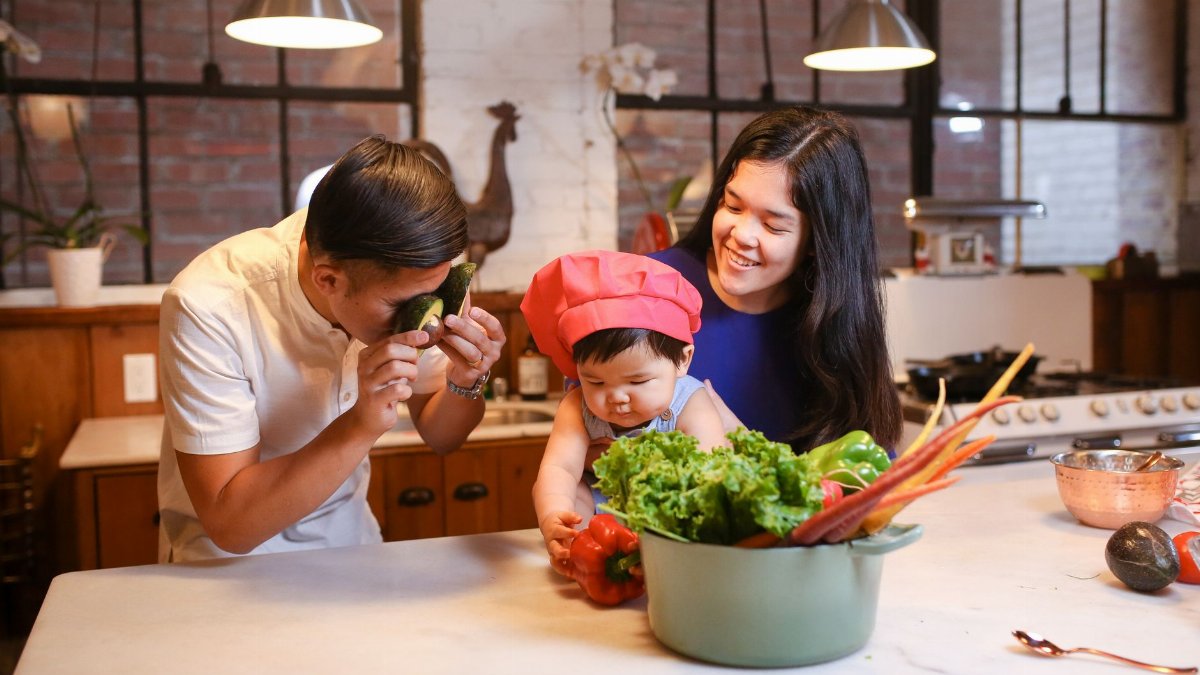
On an ordinary weeknight in Washington, the most powerful kitchen in the country was still a kitchen. Vegetables came in from a garden just outside the door, children asked what was for dinner, and a Chicago cook tried to make policy taste like something a family would actually eat. That cook was Sam Kass, and the news this fall is that his unusual path from private chef to public advocate has been recognized with the Sam Kass Julia Child Award. The honor, given in the name of the woman who taught America that French technique could live in a home kitchen, arrives as a judgment about influence rather than about a single restaurant or a single television hour.
A Chicago cook who ended up in the residence
Kass is a Chicago native, and that fact is more than a hometown boast. The city has long treated food as neighborhood business: taverns, corner markets, church suppers, and restaurants where a cook learns speed before fame. Kass came up through professional kitchens and then into a household that was about to become a national symbol. When Barack Obama was still a senator, Kass cooked for the family. When the family moved into the White House, he went with them.
Personal chefs usually remain invisible. Their job is pleasure, discretion, and the small diplomacy of a well timed meal. Kass did that work. He also stepped into a more public role than most cooks ever seek, talking about what children eat at school and what a garden on the South Lawn might teach a country that had grown casual about dinner. The leap was unusual. It was also, in retrospect, a preview of the career the new prize is trying to name.
What this particular prize is built to notice

The Julia Child Foundation for Gastronomy and the Culinary Arts has used its signature award to point at people who change American food life beyond one dining room. The Sam Kass Julia Child Award sits in that tradition. It is not a Michelin star and it is not a cookbook medal. It is closer to a public thank you for influence: the kind that shows up in cafeterias, in campaign language, in the way a parent thinks about a weeknight pan.
Julia Child became famous by refusing the idea that serious cooking belonged only to professionals in France. She stood at a counter, dropped things, laughed, and insisted that home cooks could learn. An award in her name carries that bias toward access. Honoring a former White House chef makes sense only if the measure is not luxury. The measure is whether more people, in more ordinary rooms, ended up with a better chance at a decent meal.
The garden and the campaign

During the Obama years, food policy had a face that was not a hearing room. Michelle Obama planted the White House Kitchen Garden and built the Let’s Move effort around childhood health, play, and better food in schools and communities. Kass was beside that work, first as the family cook and then as a policy adviser on nutrition. The garden was theater in the best sense: a visible argument that vegetables were not a lecture. Children could pull carrots. Cameras could watch. A country argument about obesity could, for a moment, look like dirt under fingernails.
Critics then and later said the effort leaned too hard on personal choice and too lightly on the companies and systems that shape those choices. That argument has merit. A garden does not rewrite farm subsidies, wages, or the price of produce in a neighborhood without a grocery store. Still, the public record of those years includes new attention to school meals, clearer talk about sugary drinks, and a generation of parents who heard a first lady treat cooking as civic work rather than as a private hobby. Kass was one of the people who translated that message from slogan into supper.
The awkward job of chef as adviser
A cook who advises presidents occupies a strange seat. Chefs are trained to please. Policy is trained to disappoint someone. Kass had to learn both languages. On one side were menus, seasons, and the pride of a plate that a child will finish. On the other were agencies, advocates, industry lobbyists, and the slow machinery of rules. The White House gave him a microphone that restaurant work never could. It also exposed the limit of any single adviser.
Americans like food stories because they feel solvable. Add a garden. Teach a skill. Share a recipe. The harder story is structural: who can afford time, who lives near fresh food, whose labor is underpaid in fields and kitchens, and which products are engineered to be irresistible. Kass did not invent those problems, and he did not retire them. What he did was refuse the split between the private plate and the public problem. That refusal is a large part of why a gastronomy prize can plausibly land on a policy résumé.
Life after the residence kitchen

He left the administration in 2014, still young for a figure who had already cooked for a first family and sat in policy meetings. The years since have been less ceremonial and, in some ways, more telling. Kass has continued to speak, write, and work in the wide field where food companies, technology, climate worry, and home cooking collide. Fame from the White House can freeze a person into a single anecdote. He has tried, with uneven public attention, to stay in the argument rather than in the photograph.
Readers who look up the Sam Kass Julia Child Award will find a career that moved between stove and statute. That movement is the story. American food culture often rewards the visible chef: the tasting menu, the television judge, the brand deal. It less often pauses for the person who spent years trying to make institutional food less careless. The prize is a pause of that second kind.
A food culture that argues with itself

The honor lands in a noisier decade than the one Kass entered at the White House. Eating is now a proxy war. One camp treats any talk of healthier school food as nagging. Another treats pleasure, meat, or tradition as a moral failure. Social media turns a grocery cart into a biography. Meanwhile, highly processed products remain cheap, fast, and everywhere, and diet related illness remains stubbornly common. Climate stress is rewriting what grows where, and restaurant workers are still fighting for wages that match the romance customers attach to dining out.
In that weather, a prize named for Julia Child can look quaint, as if the national task were still to master a sauce. It can also look timely. Child’s real lesson was not snobbery. It was competence shared in public, with humor, so that fear would not be the thing keeping people out of their own kitchens. Kass’s lesson, at his best, was related: the meal is personal, and the conditions of the meal are political. Holding both ideas at once is harder than picking a team.
Nourishment as a kind of attention
Food writing sometimes forgets that people do not eat only to hit a nutrient target. They eat to mark a day, to welcome a guest, to comfort a sick relative, to sit down when the rest of life will not slow. In that sense the table has always carried a spiritual charge, even for people who would never use the word. Gratitude, restraint, hospitality, and care for the body are old virtues. A modern kitchen just hides them under schedules and packaging.
I have covered enough food prizes to know how easily they flatter celebrity. This one feels different because so much of the honored work happened off camera, in the repetitive labor of feeding a family and then trying to bend a vast public system a few degrees toward the same care. That is not sainthood. Cooks are not clergy, and policy advisers are not prophets. But there is a moral grain in the work: attention to what sustains other people when no one is scoring the plate. A culture that loses that attention does not only get sicker. It gets lonelier.
The standard Julia Child left on the counter
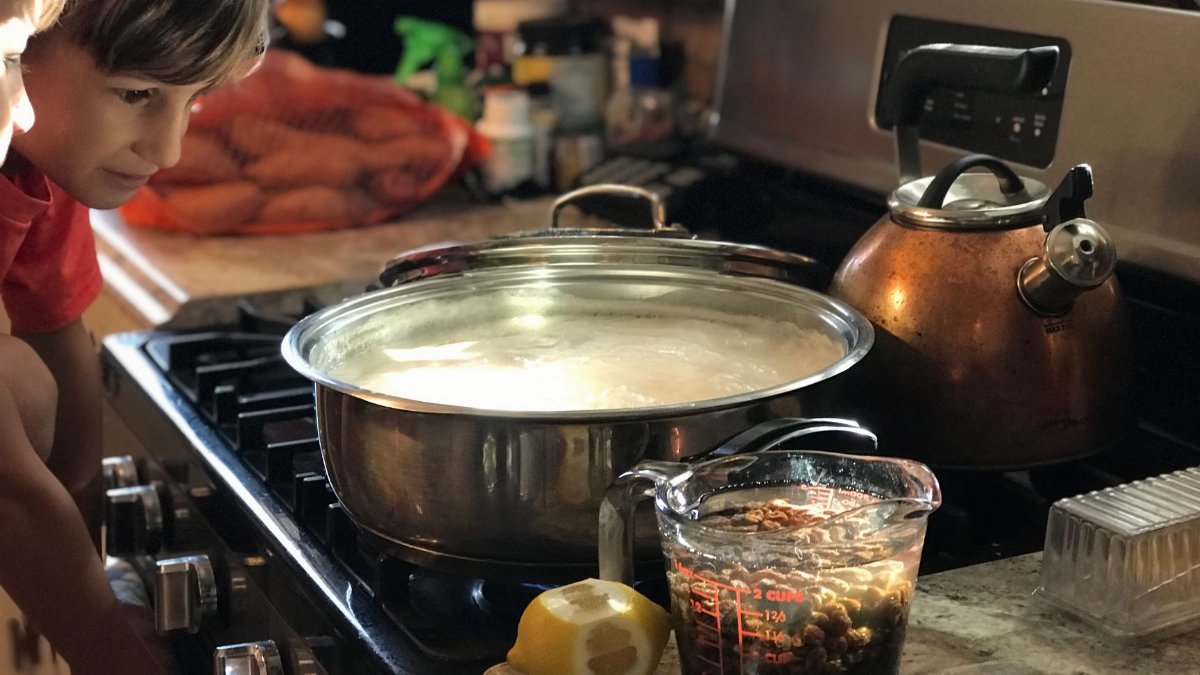
Child died in 2004, long before Kass became a household name among political obsessives and food policy wonks. She would not have recognized every tool of his later career. She would have recognized the underlying bet. She believed Americans could learn. She believed instruction should be generous. She believed that a nation of people who cook, even imperfectly, is harder to fool about what food is worth.
The foundation that bears her name has spent years handing its award to figures who extend that bet in new directions: teachers, chefs, writers, and advocates whose reach exceeds a single kitchen. Placing Kass in that line says something specific. Influence can look like a public television series. It can also look like a garden used as a classroom, a campaign that made parents argue about lunch, and a cook willing to sit with bureaucrats. Technique matters. So does the decision to spend technique on a public problem.
What the honor does not settle

Awards simplify. They have to. The Sam Kass Julia Child Award will not tell us whether school food is better this year than last, or whether the next administration will treat nutrition as a priority or as a culture war souvenir. It will not lower the price of fruit. It will not make a tired parent excited to chop onions at 7 p.m. Those outcomes depend on wages, housing, agriculture, industry, and the unglamorous habits of households.
What the honor can do is keep a certain kind of career visible. Young cooks watching the news might see that a life in food need not end at the pass of a restaurant. Public servants might see that flavor is not a frivolous detail in health policy. Readers in Chicago might feel a small, justified pride that one of their own carried a local instinct for feeding people into rooms where national habits get shaped. Pride is not a program. It is, sometimes, a reason to stay interested.
The meal after the headline
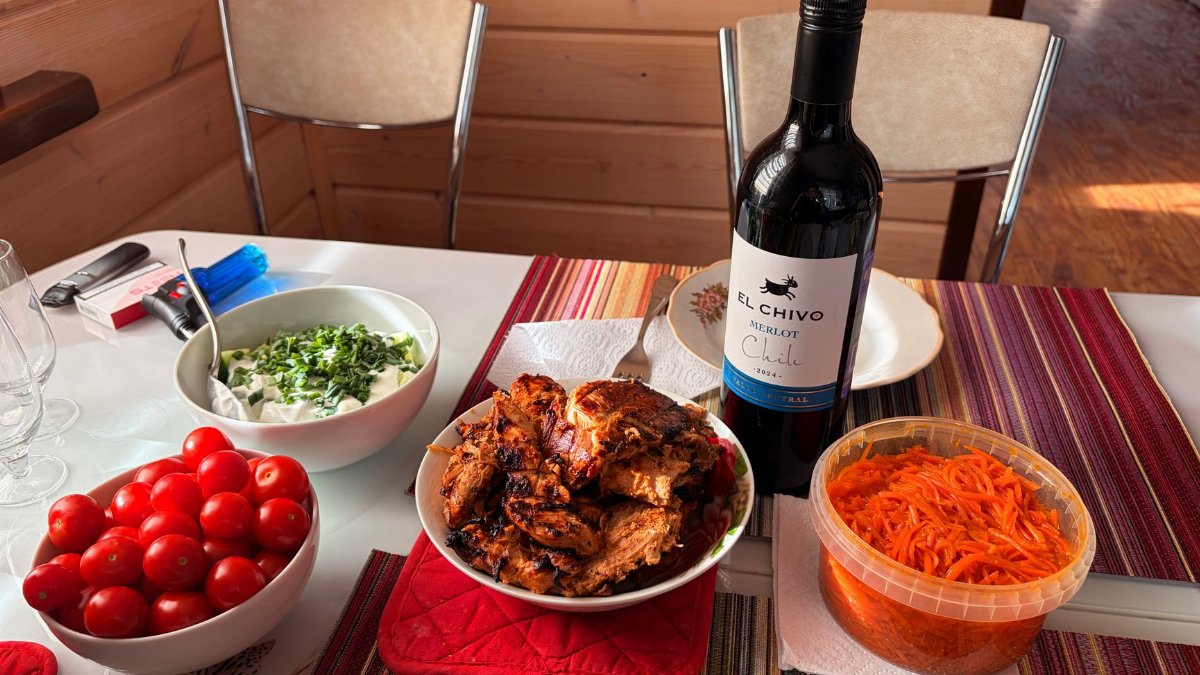
News of a prize lasts a few days. Dinner lasts longer. If there is a useful response to this recognition, it is not applause for a former White House chef and then a return to the usual scroll. It is a plainer question, the one Child kept putting in front of a camera and the one Kass kept putting in front of a government: who is being fed, by whom, and with what care?
Kass did not answer that question alone, and he did not answer it completely. The record shows a Chicago cook who treated a private kitchen as a public responsibility and then accepted the mess of trying to govern appetite. That is a rare résumé. It is also a reminder that American eating is still unfinished work, done one table at a time and, when we are lucky, in the open where the rest of us can learn.