
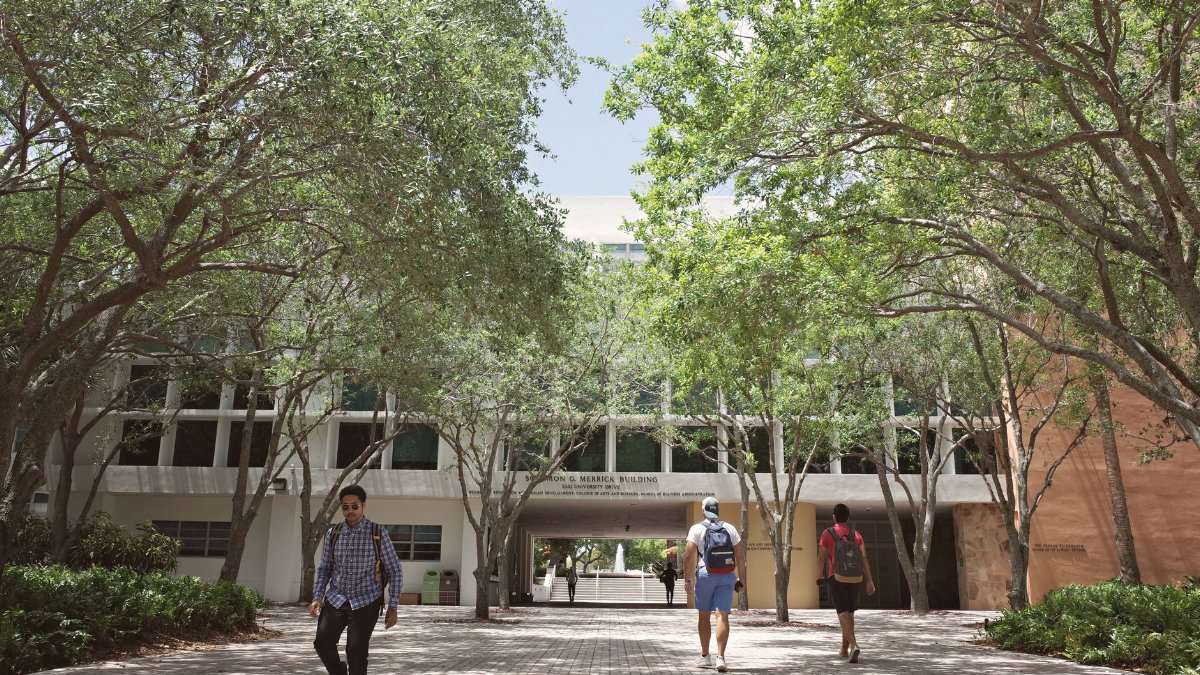
On a warm weekday evening in Coral Gables, the political season rarely arrives with the volume of a national campaign. It shows up in a forum at a community center, a stack of mail on a kitchen counter, and a conversation that turns, almost without warning, from dinner to zoning. Residents who can name every banyan on their block still pause over the smaller print of a commission race. Into that pause comes a familiar civic habit: Coral Gables election endorsements, the public judgments a newspaper offers when it decides which candidates deserve a reader’s closer look before November 3.
The quiet weight of a municipal ballot

Coral Gables does not govern itself by slogan. The city commission sets the tone for development, parks, historic character, budgets, and the daily friction between growth and the wish to remain recognizable. Those choices rarely trend beyond Miami Dade, yet they shape property values, street life, and whether a neighborhood still feels like the place people moved to protect. A municipal ballot can look modest beside a presidential year. It is not modest in consequence. A single vote on height, traffic, or a city manager search can outlast the news cycle that produced it.
That is why local endorsements still matter to people who otherwise ignore editorial pages. They are not magic. They are a compressed argument from an institution that has watched city hall longer than most campaigns last. For readers who work late, raise children, or simply refuse to treat politics as a hobby, that compression can be a starting point rather than a verdict.
Why editorial boards still choose names

Newspaper endorsements have lost some of the authority they held when a morning paper was the only shared briefing in town. Social feeds, candidate videos, and neighborhood chats now compete for the same attention. Even so, an editorial board performs a task most voters will not do in full. It interviews candidates, reads records, and publishes a preference under its own name. The Miami Herald has done that in these contests by backing Melissa Castro and Gonzalo Sanabria for the November 3 city commission races.
The act is opinion, plainly labeled. It is not a news report pretending to be neutral, and it is not a party sample ballot. Its value depends on whether the board explains its standards and whether readers can test those standards against what they already know. When that bargain holds, Coral Gables election endorsements function as one informed voice in a room that should contain many.
Two names and a public signal

Melissa Castro and Gonzalo Sanabria are now tied, in the public record of this campaign season, to the Herald’s recommendation. That pairing will be repeated on social media, quoted in mailers, and debated at kitchen tables. Some voters will treat the ink as confirmation. Others will treat it as a reason to look harder, especially if they already distrust legacy newsrooms. Both reactions are rational. An endorsement is a signal about judgment, not a transfer of the franchise.
What the signal cannot do is settle the city’s arguments by itself. Coral Gables has spent recent years in open conflict over how aggressively it should grow, how firmly it should defend its aesthetic rules, and how the commission should behave when members disagree in public. Those fights do not end because a newspaper picks a side. They pause only long enough for voters to decide who should carry them into the next term.
What a recommendation can honestly claim

A serious endorsement claims that, on the evidence available, one candidate is better suited to the office than the alternatives. It may cite temperament, command of the budget, willingness to listen, or a record of votes. It should not claim prophecy. Commissioners inherit lawsuits, storms, staff turnover, and development applications that no interview can fully preview. The best a board can offer is a reasoned bet.
Readers are entitled to ask what the bet rests on. Did the board prize experience over a fresh critique of city hall? Did it reward collegiality in a body known for sharp elbows? Did it treat preservation as a higher good than new housing, or the reverse? If those priorities are visible, the endorsement becomes useful even to people who reject it. If they are hidden behind adjectives, the piece is little more than a brand stamp.
The commission’s reach beyond the headline

City commission seats look small until you list the levers. Zoning interpretations, historic designations, police and fire budgets, pension obligations, and the selection of senior administrators all pass through a handful of elected officials. In a city as designed as Coral Gables, aesthetics are policy. A facade, a setback, a tree canopy, and a parking waiver are not decorations. They are decisions about who the city is for.
That is the practical context for any recommendation in these races. Voters are not choosing a mascot. They are choosing people who will sit through long hearings and still be expected to explain a yes or a no without hiding behind staff. The Herald’s preference for Castro and Sanabria will be read, fairly or not, as a comment on that kind of fitness. Residents should still examine agendas, votes, and public conduct for themselves.
Development, shade, and the fear of losing the city

Ask longtime residents what worries them and the answers often rhyme. Traffic that no longer matches the street grid. Buildings that feel imported from a denser downtown. A sense that rules bend for applicants with patience and lawyers. Ask younger residents and business owners and you may hear a different rhyme: housing that is scarce, commercial streets that need life after dark, and a process that can freeze reasonable change in the name of character.
Neither fear is imaginary. Coral Gables was planned, and planning creates expectations. It also creates pressure, because desirable places attract money. Endorsements that ignore this tension are incomplete. Endorsements that pretend one candidate can dissolve it are selling comfort. The honest question is which candidates will say no when no is required and yes when the comprehensive plan, not a donor, points that way.
Trust after a loud season at city hall
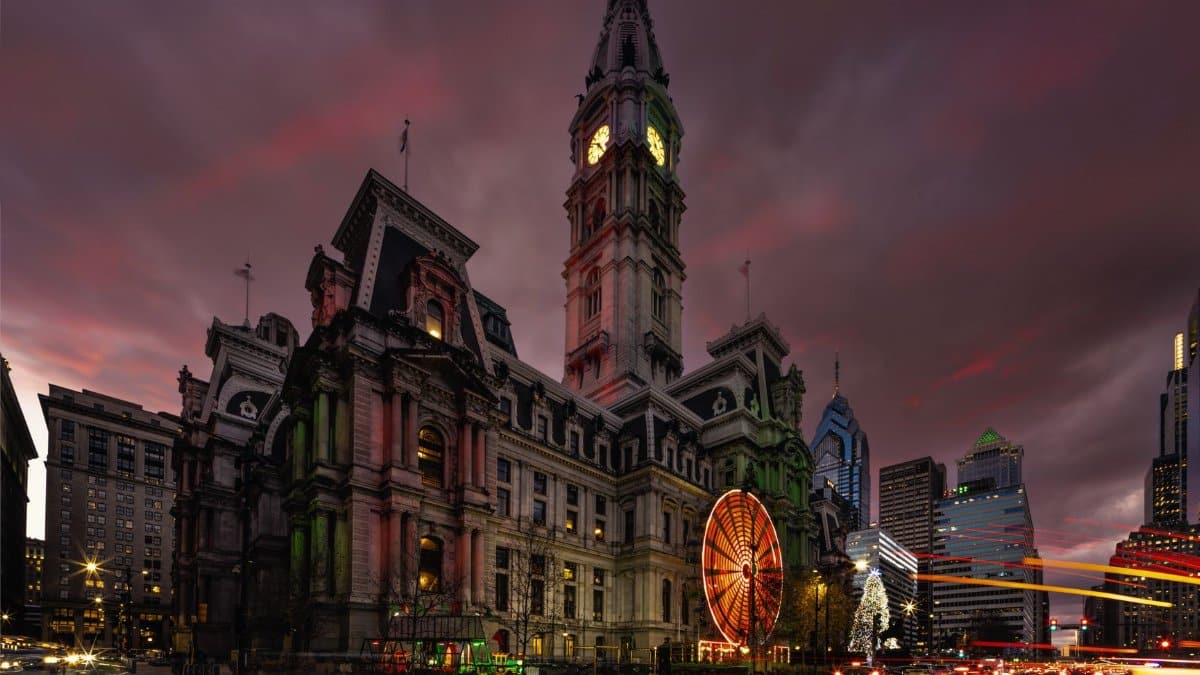
Local politics in Coral Gables has not been quiet. Commission meetings have drawn crowds, clips, and lasting grudges. Some of that heat is healthy. A city that argues in public is preferable to a city that arranges outcomes in private. Heat becomes corrosive when it replaces evidence, when every disagreement is treated as betrayal, and when residents stop attending because the room feels captured by factions.
Newspaper endorsements enter that climate with scars of their own. Many readers believe editorial pages lean one way and call it wisdom. Others believe any criticism of a favored official is a vendetta. The remedy is not to abandon recommendations. It is to read them as arguments that must survive contact with the record. A board that names Melissa Castro and Gonzalo Sanabria owes the city reasons. Candidates who accept or reject that judgment owe the city reasons too.
How to use an endorsement without surrendering the vote
A practical method is simple and unfashionable. Read the recommendation once for the conclusion and again for the criteria. Then set it beside a candidate forum, a sample of votes, and a conversation with a neighbor who does not share your block’s assumptions. If the editorial and the record point the same way, confidence can rise. If they diverge, the divergence is the story. That is where a voter’s own judgment earns its keep.
It also helps to notice what an endorsement does not mention. Silence on ethics, on fiscal reserves, or on how a candidate treats staff can be as telling as a paragraph of praise. Campaigns are skilled at offering the flattering slice. Editorial boards are not immune to that skill. Coral Gables election endorsements are most valuable when they include a cost, a doubt, or a condition, not only a crown.
Mail, money, and the short memory of a local race

By the final weeks, mailboxes fill with claims that a single vote saved the city or doomed it. Some pieces will quote the Herald as if the quotation were a seal. Others will warn that editorial support proves capture by insiders. Both tactics flatten a complicated choice into a logo. Money buys repetition. It does not buy proportion.
Voters can restore proportion by asking who paid for the message and what it omits. A commission race in a prosperous city attracts developers, residents’ groups, and professional consultants because the stakes are real. That fact is not a scandal by itself. It becomes a problem when undisclosed interests write the script and tired residents mistake frequency for truth. An independent recommendation can interrupt that script. It should not replace a look at campaign finance and public filings.
A smaller electorate with a larger duty
Municipal turnout often lags far behind presidential turnout, even among people who consider themselves engaged. The irony is sharp. The election few people discuss is the one whose winners will decide the street outside the house. In Coral Gables, a few hundred votes can separate a commissioner who slows a project from one who accelerates it. Abstention is a choice with winners.
That arithmetic gives editorial pages an outsized role, which is precisely why they should be humble and why readers should be alert. When fewer people vote, each published preference weighs more. The answer is not to muzzle opinion. The answer is a larger electorate. Neighbors who disagree about Castro, Sanabria, or anyone else still share an interest in a count that reflects the city rather than its most organized sliver.
Attention as a civic and moral practice

There is a moral register to this work that does not require a pulpit. Choosing local leaders is a form of stewardship. It asks whether residents will care for a place they did not build alone and will not occupy forever. Faith traditions and secular ethics meet on that point: power should be exercised with restraint, truth should not be bent for advantage, and the vulnerable, including renters, workers, and people without a lobbyist, should not be invisible in hearings about beauty and value.
Seen that way, reading an endorsement is not a ritual of deference. It is one exercise in attention. So is sitting through a boring agenda item. So is refusing a rumor that cannot be sourced. Coral Gables has the resources to govern itself well. Whether it does depends less on any single headline than on the patience of people willing to look past it.
Questions worth taking to the ballot

Before November 3, a voter can carry a short list that no mailer will print in full. Who has a record of reading the backup material, not only the talking points? Who can dissent without turning colleagues into enemies? Who will defend the city’s plan when a profitable exception comes dressed as inevitability? Who will admit error when a policy harms the people it was meant to serve? Those questions fit Castro, Sanabria, and every other name on the commission ballot.
They also fit the newspaper. Did the recommendation wrestle with tradeoffs, or did it sort heroes and villains? A reader who can answer that has already done more democratic work than a reader who forwards the headline and moves on.
After the ink dries

Endorsements fade quickly once results are posted. The winners inherit the same streets, the same budget pressures, and the same suspicious public. If Castro or Sanabria prevails, the Herald’s support will be remembered mainly by allies who want to claim momentum and opponents who want to claim bias. Governing will be less theatrical and more binding. Votes will accumulate. Promises will meet ordinances.
The healthier habit is to keep watching after the celebration. Coral Gables election endorsements can open a campaign. They cannot supervise a term. That supervision belongs to residents who return to meetings when the cameras leave, who compare this year’s vote to last year’s pledge, and who remain willing to change their minds when the evidence changes. A city that beautiful deserves that kind of unsentimental care. The ballot on November 3 is only the first page of it.