
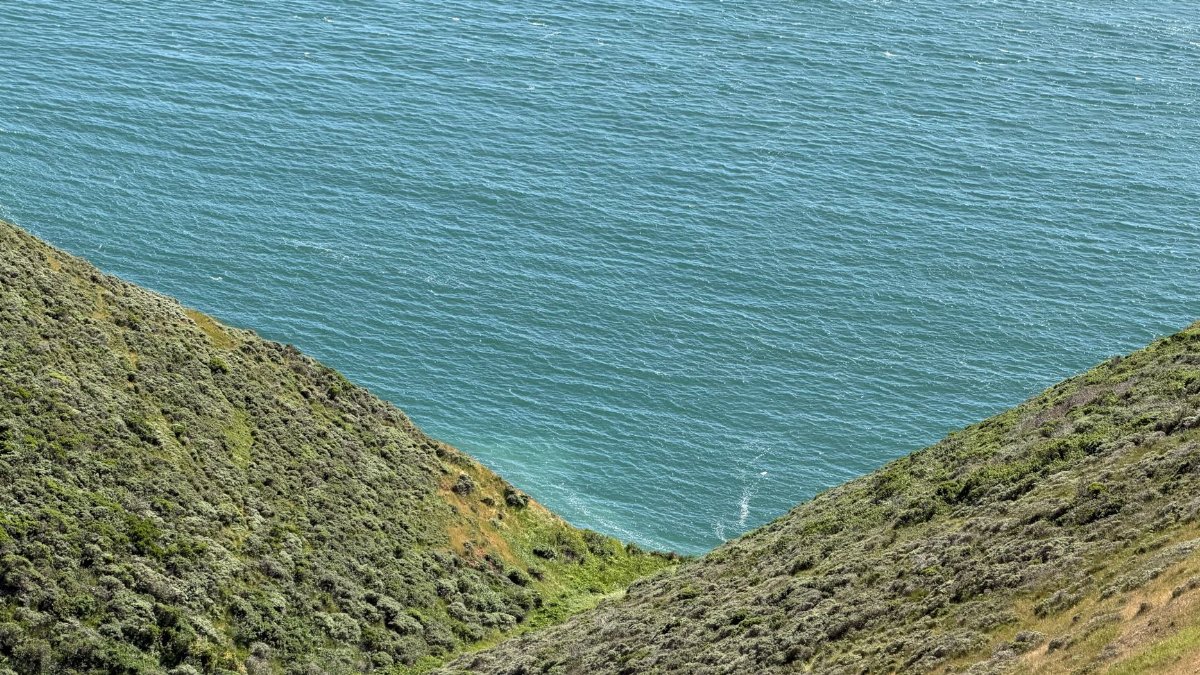
Before sunrise on a quiet slough south of Sacramento, the water looks still enough to hold the sky. Levees hold back fields that were once open marsh. Farther south, great pumps lift river water toward farms and cities that could not exist in their present form without it. That ordinary morning is also the setting of a fight now back in court. Environmental advocates have sued California over how it runs one of the largest water systems in the world, warning that current management could push the estuary into what they call an ecological tailspin. The California Delta water lawsuit asks judges to treat the decline of fish, wetlands, and water quality as a legal injury, not only a policy argument.
A landscape built to move water
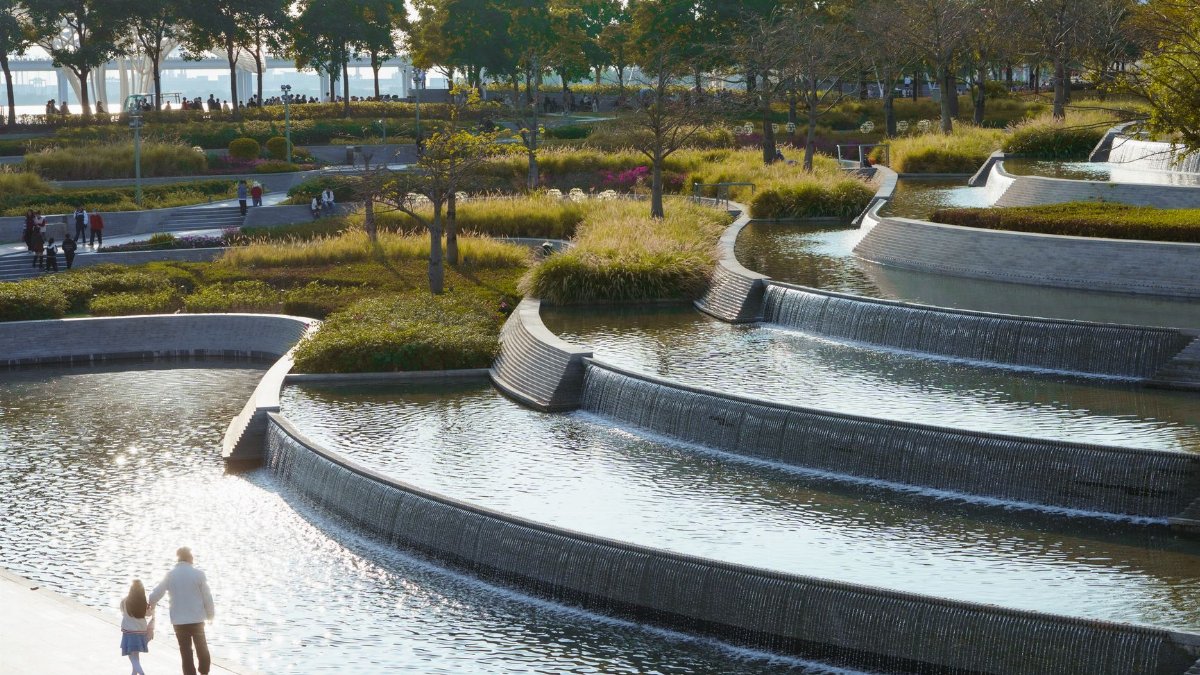
The Sacramento and San Joaquin Delta is not a single river. It is a braided meeting place of snowmelt, tide, farmland, and suburb, spread across a low basin east of San Francisco Bay. Two vast public systems, the State Water Project and the federal Central Valley Project, draw from it. Together they supply irrigation water for a huge share of the nation’s produce and drinking water for millions of Californians. Engineers praise the plumbing. Biologists describe a body of water asked to serve as habitat, highway, and reservoir at the same time.
The California Delta water lawsuit grows out of that contradiction. Advocates argue that export schedules, reservoir releases, and salinity controls have been managed for delivery first and for the living estuary second. They want a court to require tighter limits when fish are most vulnerable and when freshwater flows are too weak to hold salt back from the bay. In their telling, the state already has the science and the authority. What it lacks, they say, is the will to use both when a delivery schedule is on the line.
The warning of an ecological tailspin
The phrase in the advocates’ public appeal is stark. An ecological tailspin, as they describe it, is not one bad season. It is a slide in which each loss makes the next more likely. Fewer native fish mean a weaker food web. Weaker flows let salt creep inland. Warmer, slower water favors plants and predators that do not belong there. Once those shifts lock in, restoration becomes far more expensive and, in some reaches, nearly impossible.
Agency scientists have described versions of this risk for years in public reviews of Delta operations. The lawsuit tries to turn that worry into a duty. If the state knows the system is failing key species and still authorizes operations that worsen the harm, advocates say, it has crossed from hard choice into unlawful neglect. They are not asking a judge to redesign California. They are asking a judge to stop treating collapse as an acceptable cost of keeping the taps and the canals full.
Species that carry the case

Delta smelt, a small translucent fish found nowhere else, has become a symbol because it is so close to vanishing from the wild. Winter run and spring run Chinook salmon depend on cold, connected rivers that the same plumbing interrupts. Longfin smelt, green sturgeon, and migrating birds on the marsh edge appear in the broader record of decline. Each species has its own life cycle. All of them need water to arrive in the right place, at the right time, with the right chemistry.
Courts have heard versions of this story before. Biological opinions, incidental take permits, and water quality plans have been challenged, rewritten, and challenged again. What changes with each round is how close some populations now sit to functional disappearance. A lawsuit cannot restock a river. It can force the agencies that move the water to justify every acre foot they take when the fish are at their weakest. For advocates, that justification has worn thin.
Farms and cities on the other side of the tap
None of this is abstract to the people who receive the water. Growers in the San Joaquin Valley plan orchards, vines, and row crops around allocations that can swing from generous to meager in a single dry year. Urban suppliers from the Bay Area to Southern California treat Delta exports as a pillar of reliability, alongside groundwater, recycling, and stored Sierra snow. A court order that cuts exports in a dry spring would show up, months later, in fallowed fields, higher wholesale rates, and tense meetings of irrigation boards.
Water managers answer the lawsuit with a different map of risk. They argue that abrupt limits can strand crops already planted, push communities toward deeper groundwater pumping, and shift harm from one landscape to another. They also note that farms and cities have spent heavily on conservation, and that some urban agencies now use less water per person than they did a generation ago. In their view, the estuary is not ignored. It is managed inside a system that was built, by law and by politics, to serve more than fish.
How the pumps change a living estuary
The physical dispute is easier to picture than the legal one. When the great pumps in the south Delta run hard, they can pull fish, larvae, and the tiny animals those fish eat toward the screens. They can also reverse or confuse currents that salmon use as a map on their way to the sea. Freshwater that might have flowed out through Carquinez Strait is instead lifted into canals. Less outflow means the salt front moves upstream. Wetlands that need a seasonal pulse of floodwater stay drier, and the food that a spring tide would have stirred into the channels never quite arrives.
Defenders of current operations say modern screens, timed shutdowns, and habitat projects already reduce that harm. Advocates reply that those tools have not reversed the trend. They point to monitoring that still finds too few native fish, and to years when export targets held even as biologists urged restraint. The argument is less about whether anyone cares than about whether care, expressed as mitigation, has substituted for water the estuary itself still needs.
A legal path that keeps returning to court

California water law is a stack of statutes, contracts, and court decrees, some of them older than the freeways. The public trust doctrine says the state must protect shared resources such as fisheries and navigation. Endangered species laws limit harm to listed fish. Water quality law sets standards for salinity and flow. Project contracts promise deliveries to agencies that helped pay for dams and canals. Those promises collide. When they do, the collision often lands in federal or state court, where a judge is asked to decide which duty yields.
That is the setting of the California Delta water lawsuit. Plaintiffs typically seek an injunction, a revised operating plan, or a fresh environmental review. The state typically argues that it has already balanced the equal goals of reliable supply and ecosystem health, and that courts should not micromanage monthly pump settings. Whoever prevails in the first round should expect appeals. Delta cases rarely end with a single order. They end, if they end, in a settlement that rewrites the rules until the next drought tests them.
What state officials say in defense

State water leaders describe a system under strain from climate, law, and public expectation at once. Sierra snowpack, the historical savings account for California summer, is less reliable. Atmospheric rivers can dump a month of rain in days, then vanish. Operators must decide, in real time, whether to hold water for cities, release it for fish, or move it before flood risk rises. They say those calls are documented, reviewed, and often made with federal wildlife agencies at the table.
They also warn that litigation can freeze adaptation. A tunnel or canal realignment meant to draw water from a less harmful point in the estuary has its own opponents, who fear it will only make exports easier. Habitat restoration on subsided islands is slow, costly, and sometimes fought by neighbors. Officials argue that a courtroom victory for advocates could feel clean and still leave the estuary short of the projects, the funding, and the wet years it needs. The rebuttal from plaintiffs is simple: more process is not the same as more water in the river.
People who live where the maps get personal
Between the agency memos are towns, tribal communities, fishing families, and farmworkers whose lives track the hydrograph more closely than any briefing paper. Commercial and recreational salmon seasons have been closed or cut when runs collapse, idling boats from the Bay to the North Coast. Delta residents worry that changing salinity and levee stress threaten wells, roads, and the odd peace of a place that is both rural and industrial. Farmworkers in export dependent valleys lose hours when plantings shrink, a harm that does not show up in a fish count and should not be waved away.
Some of the moral language around the case is older than the statutes. Advocates speak of stewardship, of a duty to leave a living estuary for people who are not yet in the room. Growers speak of feeding a country and of promises the state already made. Both claims can be sincere. A court can rank legal duties. It cannot make the underlying scarcity feel fair. That is why these fights keep a civic temperature that technical water debates rarely reach.
Climate pressure on an already strained system

Heat and drought do not create the conflict, but they shrink the room for compromise. Warmer rivers hold less oxygen and give cold water fish fewer refuges below dams. A shorter snow season compresses the calendar in which operators can serve cities, farms, and migrating salmon. Sea level rise pushes salt farther into the Delta, so more freshwater is required simply to hold the line. In that future, yesterday’s operating rules can fail even if nobody changes a policy on purpose.
Advocates say this is exactly why delay is dangerous. A system near a tipping point has less slack for one more dry year managed the old way. Water suppliers say the same physics argues for storage, recycling, and careful exports, not for a blanket judicial limit that ignores a wet March when it finally comes. The climate, indifferent to both briefs, will keep setting the terms.
What a ruling could actually change

A win for the plaintiffs would not empty the canals. More likely, it would tighten the conditions under which pumps may run, demand a new analysis of cumulative harm, or send the state back to rewrite flow and salinity rules with less discretion. A win for the state would leave current operations largely intact and tell advocates to seek change in the Legislature, the water boards, or the next permit cycle. Either result will be read as a signal about how much ecological risk California is willing to legalize.
Settlements are the third path, and often the real one. They can trade export flexibility in wet periods for stronger protections in dry ones, fund habitat, and set triggers that do not require a judge to watch the gauges. They can also disappoint everyone, which is sometimes how you know a water deal in this state has touched the actual constraints. Whatever the California Delta water lawsuit decides, the estuary will still need cold water, connected floodplain, and outflow that reaches the bay. No opinion can manufacture those. It can only decide who must give them up, and when.
The choice behind the legal filings
Stand on a Delta levee at dusk and the fight can seem too large for a complaint. Ships move in the deepwater channel. Egrets work the borrow ditches. Somewhere south, pumps hum, and somewhere west, a city fills a glass from a tap that began as Sierra snow. The lawsuit is a demand that this ordinary miracle stop borrowing against the life of the place that makes it possible.
Readers far from California may recognize the pattern. A public system built for growth meets a landscape with limits, and the argument moves from the field to the courthouse. The California Delta water lawsuit is that argument in one of its largest forms. It will be briefed in acre feet and listed species. Under the citations is a plainer question. How much of a living estuary is the state prepared to spend so that the rest of California can keep living as it does now? The answer will not stay in the Delta. It will travel, with the water, to every field and city the pumps still serve.