

By the time the public address voice thanked people for coming, Lincoln Financial Field had already gone thin and strange. Families folded blankets. A man in a green cap stood with both hands on the rail and did not move. Philadelphia had owned the afternoon at the half and then watched it leave. The Eagles Rams 24-20 loss did not arrive as a single mistake. It arrived as a slow subtraction, the kind a stadium feels in the knees before the scoreboard admits it.
A building that knew the script and then did not

October 4 was supposed to be a home argument the Eagles could win with patience. The Linc does that work often. Noise piles on third down. The grass looks faster when the home team is ahead. For a while the familiar order held. Philadelphia led 20 to 10 when the teams went inside, a margin wide enough to calm a crowd and narrow enough to keep it honest.
What followed was not a riot of highlights so much as a change in temperature. Drives that had looked clean began to stall. Tackles that had looked sure began to slip. The Rams, guests in a building that rarely offers them comfort, found the quieter version of the game and played it. Football is a sport of sequences. Lose three of them in a row and a lead becomes a rumor.
The second half as a lesson in subtraction

Halftime leads are not trophies. They are invitations to keep doing the ordinary things: protect the ball, win the line of scrimmage, tackle in space, avoid the penalty that hands a rival a fresh set of downs. Philadelphia had the invitation and did not keep the appointment. Los Angeles scored the points that mattered after the break and left with a 24 to 20 result that will sit in the standings without explanation.
From the stands the change can look mystical, as if momentum were a weather system. Up close it is usually simpler and harsher. A missed fit in the run game. A throw that arrives a half step late. A third down that becomes fourth and a punt that flips the field. None of those moments is famous. Together they are how afternoons disappear.
Injuries as the other scoreboard
The final tally was only part of what people carried out of the gates. The Philadelphia Inquirer, in its account of the afternoon, put injuries beside the result, naming Saquon Barkley, Quinyon Mitchell, and Jonathan Greenard among the concerns that piled up at Lincoln Financial Field. That reporting is here: the Inquirer’s look at the loss and the bodies that paid for it.
A scoreboard can be rewritten next week. A hamstring, a shoulder, a knee cannot. Fans who have watched this sport long enough know the second ledger. It does not flash. It accumulates. The Eagles Rams 24-20 loss will be argued in bars. The injury list will be argued in training rooms, where argument is useless and time is the only honest medicine.
Barkley and the weight a city puts on one back

Saquon Barkley is not merely a ball carrier in this town. He is a theory of how an offense should feel: downhill, sudden, capable of turning a crowded box into open grass. When his name enters an injury conversation, the room changes. Coordinators start drawing plays they would rather not need. Parents in the upper deck start doing the grim math of carries and seasons.
It is too early, and too careless, to invent a diagnosis from a seat in the press box or a living room. What can be said is plainer. A team that leans on a back of his talent feels his absence in places the stat sheet does not label. Play action loses its threat. The quarterback holds the ball a beat longer. The crowd, which had been waiting for the burst, waits instead for a cart or a limp or a wave that says he will be back. Sometimes the wave never comes on the day itself.
Mitchell and the loneliness of the corner

Quinyon Mitchell’s job is one of the loneliest on the field. A cornerback is asked to run backward at full speed beside a man whose only task is to get free, then to turn and find a ball that may never arrive. When that player is hurt, the defense does not lose a name on a depth chart. It loses a promise that one side of the field can be trusted.
Trust is the hidden currency of a secondary. Safeties cheat toward the side they fear. Linebackers drop into zones they were not drawn to cover. The quarterback on the other sideline notices before the television graphic does. If Mitchell’s afternoon ended early, the Rams did not need a speech to understand the gift. They needed only the next snap.
Greenard and the edge that stopped arriving
Jonathan Greenard lives where games are often decided and rarely celebrated: the edge, that narrow alley between tackle and tight end where a pass rush either bends the pocket or vanishes into a block. Pressure is not a personality trait. It is a weekly negotiation with hands, hips, and leverage. Take the negotiator off the field and the quarterback’s clock gets longer.
Longer clocks are how comebacks are built. Not always with spectacular throws. Often with the ordinary throw that used to be impossible because a defender was already in the lap of the man throwing it. If Greenard could not finish what he started, Los Angeles gained something more valuable than a single sack avoided. It gained time, and time in the second half is a kind of field position.
What the crowd did with the quiet
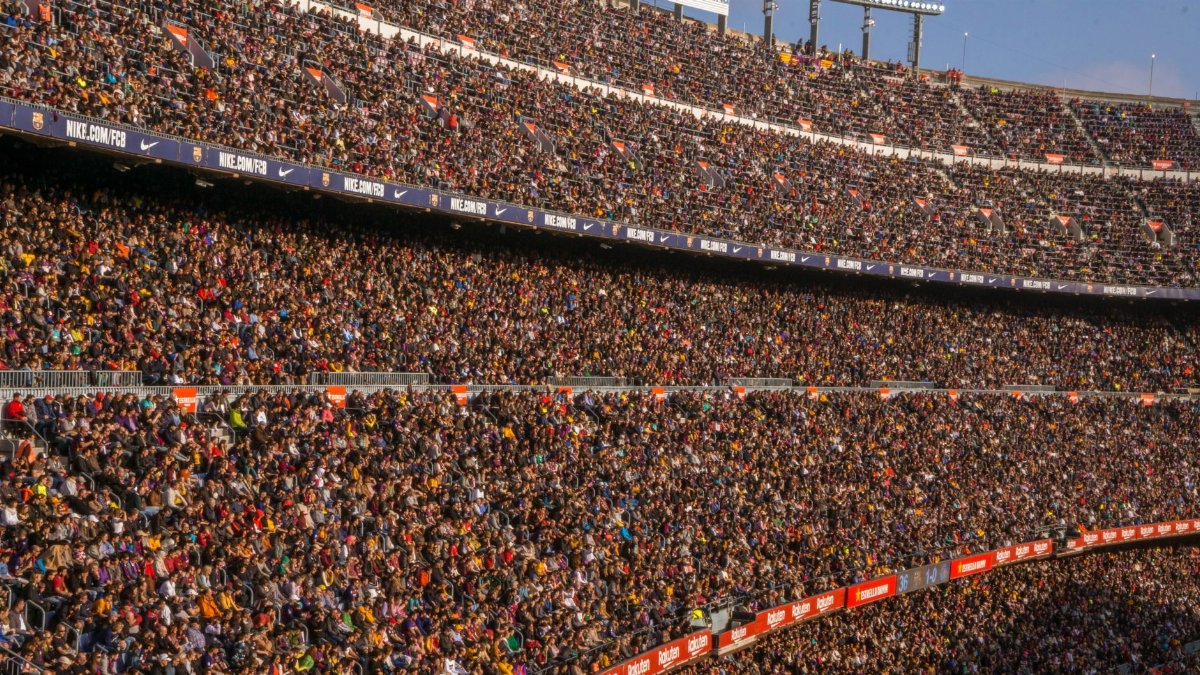
I have stood in enough stadiums to know that silence is not one thing. There is the silence after a touchdown by the visitors, sharp and offended. There is the silence after an injury, lower and more careful, as if noise itself might do harm. On this day both kinds moved through the Linc. People who had been loud at 20 to 10 became precise. They watched trainers. They watched the sideline. They watched the clock as if staring could slow it.
Philadelphia sports crowds are often described as harsh. That description misses the other habit, the one that shows up when a player stays down. Strangers ask each other what they saw. Someone mentions a church group that prays for the team without expecting the prayer to move the chains. Someone else says nothing and keeps a hand on a child’s shoulder. The spiritual life of a city is not only in sanctuaries. It is in the way a crowd refuses to cheer a rival’s gain when a home player is hurt.
Reading a loss without turning it into a parable

It is tempting, especially in a town that treats football as civic text, to make the Eagles Rams 24-20 loss mean more than a game. Endurance. Humility. The danger of believing a lead is a verdict. Those readings are available, and some of them are even true. They are also easy. A feature writer can drape meaning over any final score and call it wisdom.
The more honest reading is smaller. A good team had a good half and a bad half in its own building. Opponents who were supposed to feel the crowd instead felt a chance. Injuries made the chance larger. Week 4 is early enough that one result does not define a season and late enough that the body count already matters. Moral lessons can wait until the trainers have finished their work.
Faith, routine, and the Monday that follows

For many in the stands, Sunday is braided with worship even when the service happened hours earlier or will happen in a living room replay. That braiding does not require a sermon from the press box. It shows up as habit. The same people who sit through a long second half will sit through a long week of limited practices, vague injury descriptions, and the ordinary demand to be decent to the person beside them on the train.
Loss, in that older language, is not only defeat. It is the revelation of what was fragile. A 20 to 10 lead was fragile. A running back’s burst is fragile. A corner’s speed is fragile. An edge rusher’s first step is fragile. Recognizing fragility is not the same as surrender. It is the beginning of care, which is a more useful response than rage when the body is the thing that failed.
The film room and the room with ice baths
Somewhere in the building after the handshake line, two kinds of work began. Coaches will watch the second half until the mistakes have names. Trainers will watch swelling, range of motion, the small flinch that tells them a player is negotiating with pain. Those rooms do not share a vocabulary, but they share a deadline. The next opponent will not postpone itself because Philadelphia is sore.
Public patience is thinner than professional patience. Radio shows will want a culprit by Monday morning. A missed assignment is easier to narrate than a tendon. The mature account, the one the Inquirer began by putting injuries next to the score, resists that hurry. It asks readers to hold two facts at once: the Eagles Rams 24-20 loss was earned by the Rams, and it was shaped by who could not stay on the field for Philadelphia.
What a broad audience should take from one October afternoon

You do not need a season ticket to understand the shape of this game. A team led. A team did not protect the lead. Visitors left with the result they came to steal. Stars and role players alike discovered that availability is a skill no coordinator can install on a Wednesday. That is the whole story if you strip away the pageantry, and it is enough of a story.
There is also the human remainder, which a box score will not print. Parents explaining to children why the good guys did not win. Seasoned fans who have buried worse afternoons and will bury this one too. Congregations that will mention the injured in the same breath as the sick, without irony, because the body does not care what uniform it wore when it broke. Sport at this scale is entertainment. It is also a weekly reminder that strength is borrowed.
Leaving the Linc with the lights still on
The lights at Lincoln Financial Field stay up after the people leave. They do not adjudicate. They do not comfort. They simply mark the place where a 20 to 10 advantage became a four point defeat, and where Barkley, Mitchell, and Greenard became part of a different kind of headline. The Eagles Rams 24-20 loss will be clipped, argued, and filed under October. The players who could not finish will measure the week in treatment tables and cautious jogs.
Philadelphia has known louder collapses and quieter recoveries. What this one asks, if it asks anything, is attention rather than myth. Watch the film. Wait for the medical truth. Do not confuse a vanished lead with a vanished season, and do not confuse a standing ovation with a healed joint. The Rams go home with the win. The Eagles go home with work, and with the oldest sporting prayer there is: that the people who were hurt will be whole enough to try again.