
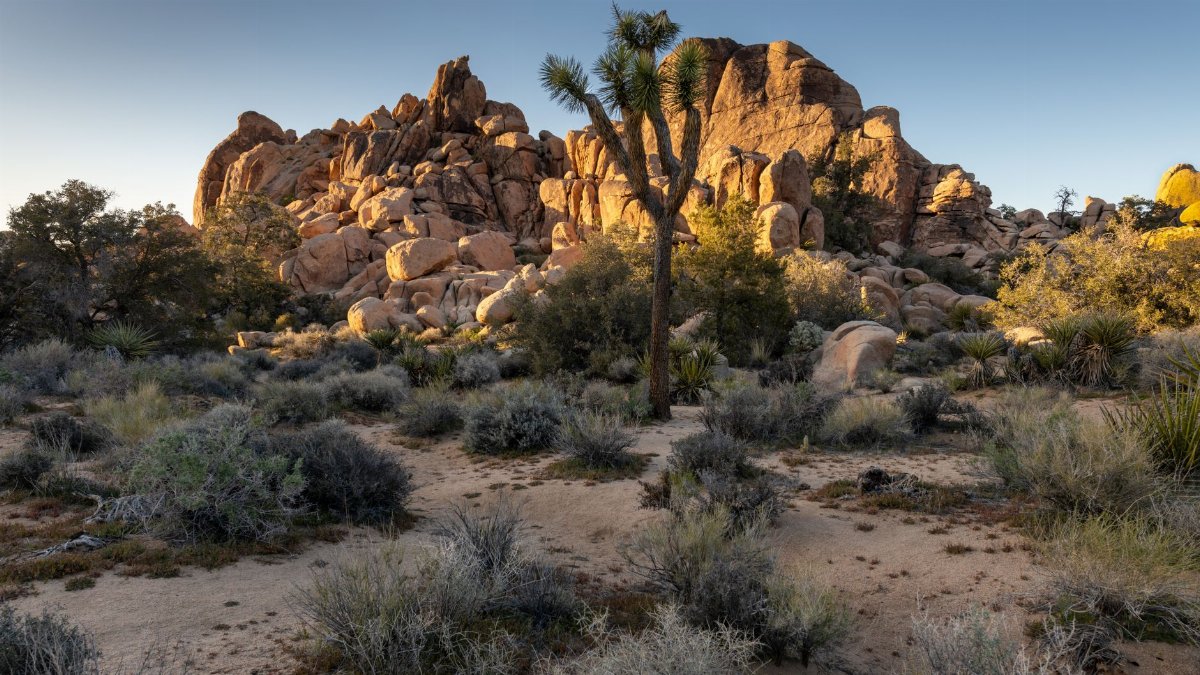
In the high desert east of Los Angeles, a funding freeze has landed with unusual force on a park that many Americans treat as a place of silence and renewal. Joshua Tree funding blocked by the Interior Department has halted work tied to nearly $1.2 million in local agreements, part of a wider hold on more than $25 million across the national park system. Rangers, partners, and visitors now face a season in which trail care, visitor education, and habitat projects may simply not happen. The decision arrives as crowds keep coming and the desert itself grows more fragile.
A pause that reaches past the gate
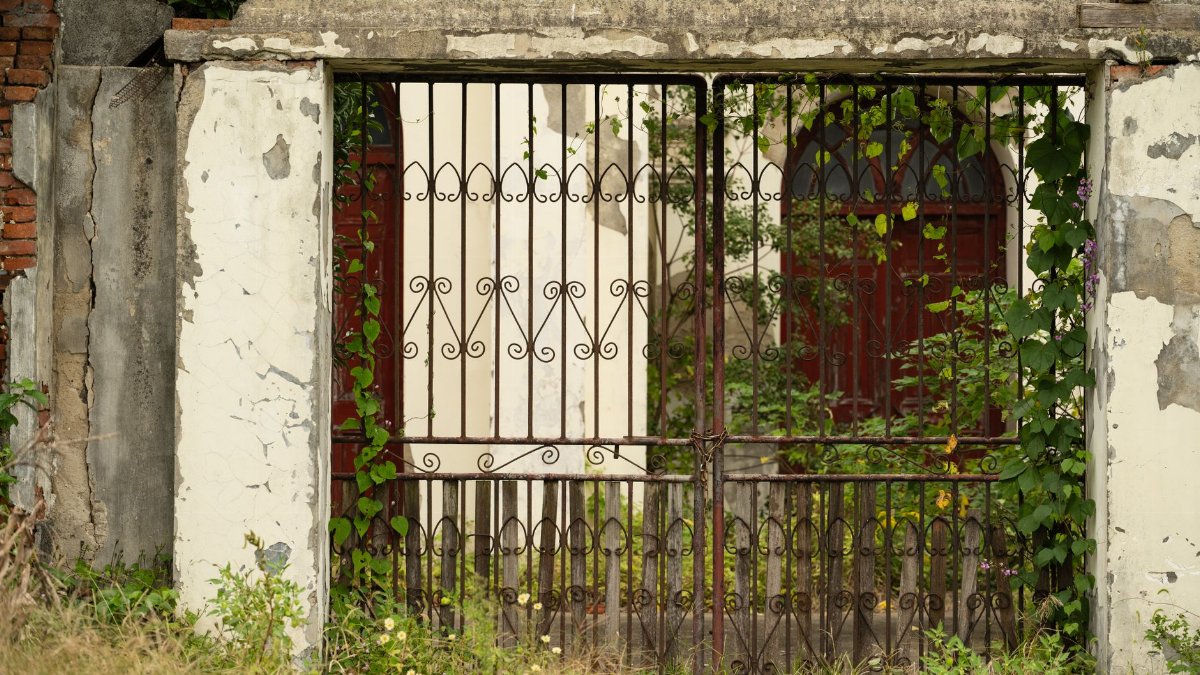
Joshua Tree National Park sits at the meeting of the Mojave and Colorado deserts, a landscape of pale rock, spare trees, and long views that draw hikers, climbers, and people who simply want a night away from noise. It is also a working public landscape, kept usable by a mix of federal staff and outside agreements. When those agreements stop, the change is not abstract. Bathrooms, signs, school programs, and habitat crews all depend on paper that now sits unsigned.
According to reporting in the Los Angeles Times, Interior halted ten park agreements connected to Joshua Tree and withheld a much larger sum from parks nationwide. The local figure, nearly $1.2 million, is modest beside a federal budget and enormous beside a trail crew or a seasonal education post. For a park that already stretches staff across a vast acreage, lost partnership money is not a rounding error. It is the difference between planned work and deferred work.
What the missing money usually buys

Park agreements of this kind often pay for tasks the government cannot staff alone. Think of volunteer coordination, interpretive walks, invasive plant removal, and repairs that keep popular routes from unraveling under boots and tires. None of that sounds glamorous. All of it is how a desert park stays open without grinding down the very ground people came to see.
Nearly $1.2 million will not build a new visitor center. It can, however, fund a year of partner labor, materials, and public programs that never appear as a single ribbon cutting. When that stream is cut, managers do not announce a dramatic closure. They cancel a contract, leave a seasonal slot empty, and tell a nonprofit to wait. Visitors notice later, when a restroom stays locked, a damaged sign stays down, or a school group finds no guide at the trailhead.
Ten agreements inside a national hold

The Joshua Tree share sits inside a larger action. Interior held back more than $25 million that had been headed toward national parks through similar agreements. Ten stopped arrangements at one park suggest a pattern, not a single dispute over a bad invoice. Parks from coast to coast rely on friends groups, tribes, universities, and local agencies to stretch thin appropriations. A freeze at that scale rearranges the season for many of them at once.
Joshua Tree funding blocked in this way also sends a signal to partners who front costs and hire people on the expectation that federal paperwork will clear. A crew lead cannot tell a seasonal worker to wait indefinitely. A small organization cannot carry payroll on hope. The national total makes the local loss easier to dismiss in Washington and harder to absorb on the ground, where ten agreements may be the entire partnership plan for the year.
Crowds that do not pause with the budget

Joshua Tree has spent years absorbing a surge of visitors who once treated the park as a remote weekend secret. Social media, relative proximity to Southern California, and a hunger for open sky turned pullouts into crowded lots. That popularity funds some concession activity, but it also multiplies trash, illegal parking, and wear on fragile soil. Partnership projects are one of the few tools managers have to meet people where they arrive and steer them toward less damage.
A funding hold does not lower the number of cars at the entrance. It lowers the number of people available to greet them. In a desert, small failures compound. A missed education talk becomes an off trail shortcut. A shortcut becomes a scar that lasts for years because crusted soil recovers slowly. The public still gets in. The land pays the unpaid bill.
The quiet reasons people drive out

This story sits, oddly and honestly, at the edge of spiritual life in America. Plenty of visitors do not come for a summit or a photograph. They come because the desert has a reputation, earned and marketed, as a place to think. Night sky programs, sunrise walks, and long silences between rock piles function for many people as a secular pilgrimage. Indigenous communities hold older and deeper ties to this country, ties that do not depend on a visitor season or a federal mood.
When care for that ground is postponed, the loss is not only ecological. It is cultural. A park that sells transcendence while letting basic stewardship lapse asks the landscape to perform a feeling the budget no longer supports. Joshua Tree funding blocked at the agreement stage makes that contradiction concrete. People can still stand on a ridge at dusk. They may do so in a park with fewer hands to protect the ridge from the next thousand pairs of shoes.
Partners waiting on a signature

Outside groups that work with parks live on timing. Grants, school calendars, and field seasons do not flex because a packet sits in an office. If a habitat window closes, the plants do not return for a makeup day. If a teacher cannot book a ranger led visit, the class goes elsewhere or goes nowhere. Leaders of these groups tend to speak carefully in public, because their next agreement depends on the same department that just stopped the last one.
That caution is its own cost. Communities around the park, from gateway towns to tribal governments to volunteer networks, lose a clear account of what stopped and why. Opacity breeds rumor. Rumor is a poor substitute for a published list of the ten agreements, the work each one covered, and the date each might resume. Transparency would not restore the money. It would let local people plan.
Habitat that keeps its own clock

Joshua trees are not a backdrop. They are slow growing plants under stress from hotter droughts, wildfire, and shifting ranges. Scientists and park staff have warned for years that recruitment of young trees is failing in parts of the park. Partnership projects aimed at monitoring, restoration, or public restraint around sensitive stands are among the least visible and most time sensitive uses of outside funds.
A delayed survey does not make a headline. It does punch a hole in a data record that managers use to decide where to limit access and where to focus care. Fire scars and drought do not wait for a budget thaw. Neither do invasive grasses that carry flame into country that once burned rarely. Holding more than $25 million across the park system may look like fiscal control. In a desert already near ecological thresholds, delay is a management choice with biological results.
Politics without a trail map

The halt lands in a political season when national parks are both beloved and used as symbols. Administrations of both parties have treated park funding as a way to signal priorities, sometimes by celebrating maintenance and sometimes by tightening the flow of grants and cooperative deals. Readers do not need a slogan to see the practical effect. Money that partners expected will not arrive on the old schedule, and Joshua Tree is one named casualty.
Measured reporting still has room for judgment. Public lands are not a favor extended by the government of the moment. They are a trust, paid for by taxpayers and visited by people who may disagree about almost everything else. Blocking cooperative agreements without a clear public rationale invites the suspicion that symbolism, not stewardship, is driving the file. Suspicion is not proof. Silence from the agency makes suspicion easier.
What a town feels when the park tightens
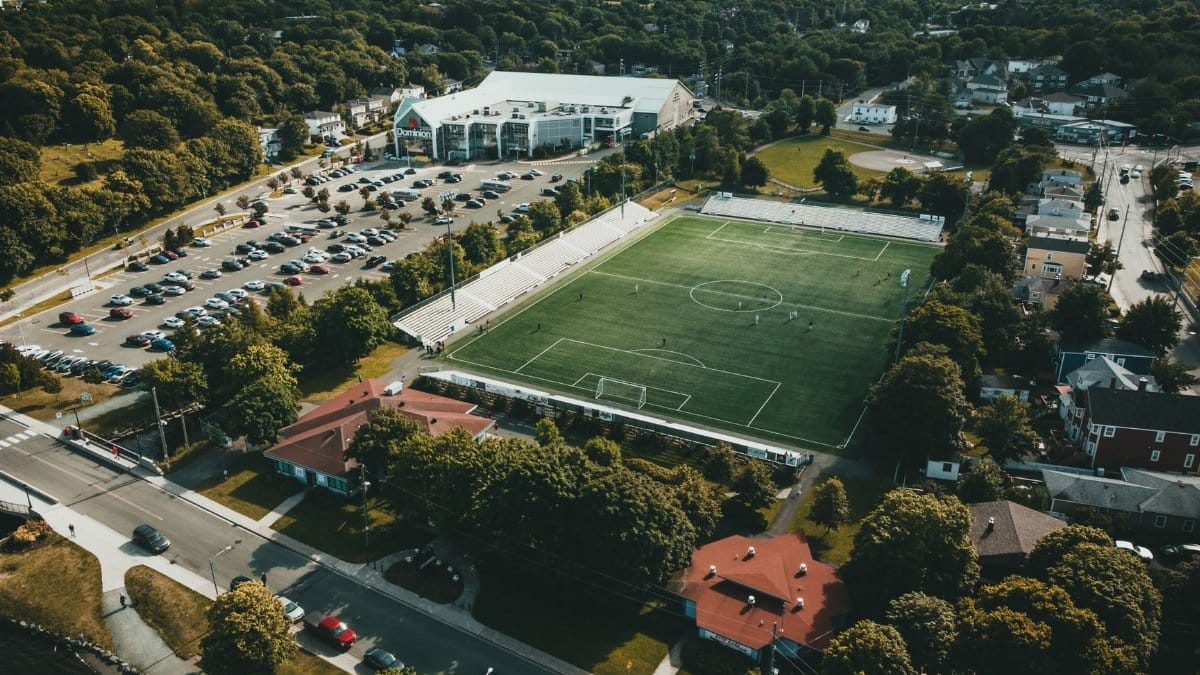
Gateway communities sell coffee, beds, and gas to people who come for the rocks and stay for the dark. A funding freeze is not a shutdown, and hotels will not empty because ten agreements stalled. The subtler hit is to the quality of the visit and to the jobs tucked inside partner organizations. A seasonal educator, a crew member, a contract monitor: these are local paychecks tied to federal paper.
Towns that already swing between boom weekends and quiet weekdays have little cushion for another uncertainty. When visitors encounter a park that feels less tended, some of them still post a sunset. Others decide the trip is not worth the traffic. Either way, the reputation of the place shifts by degrees. Reputation is slow to build in a desert famous for harsh light, and slower to repair once people decide the experience has thinned.
How to read the next official word
The useful questions are plain. Which ten agreements stopped, and what work did each cover? Is the hold a review with an end date, or an open ended block? Will the nearly $1.2 million be restored, redirected, or absorbed into a larger cut? How does the more than $25 million withheld from parks compare with the maintenance and staffing needs Interior itself has described in recent years?
Until those answers arrive, the honest picture is incomplete and still serious. Joshua Tree funding blocked at this scale is not a rumor about a distant budget line. It is a present constraint on a park that millions of people use as common ground, including people who go there to pray, to walk, or simply to be quiet. The trees will not file an appeal. The public can still ask, in daylight, what the pause is for and how long the desert is supposed to wait.