
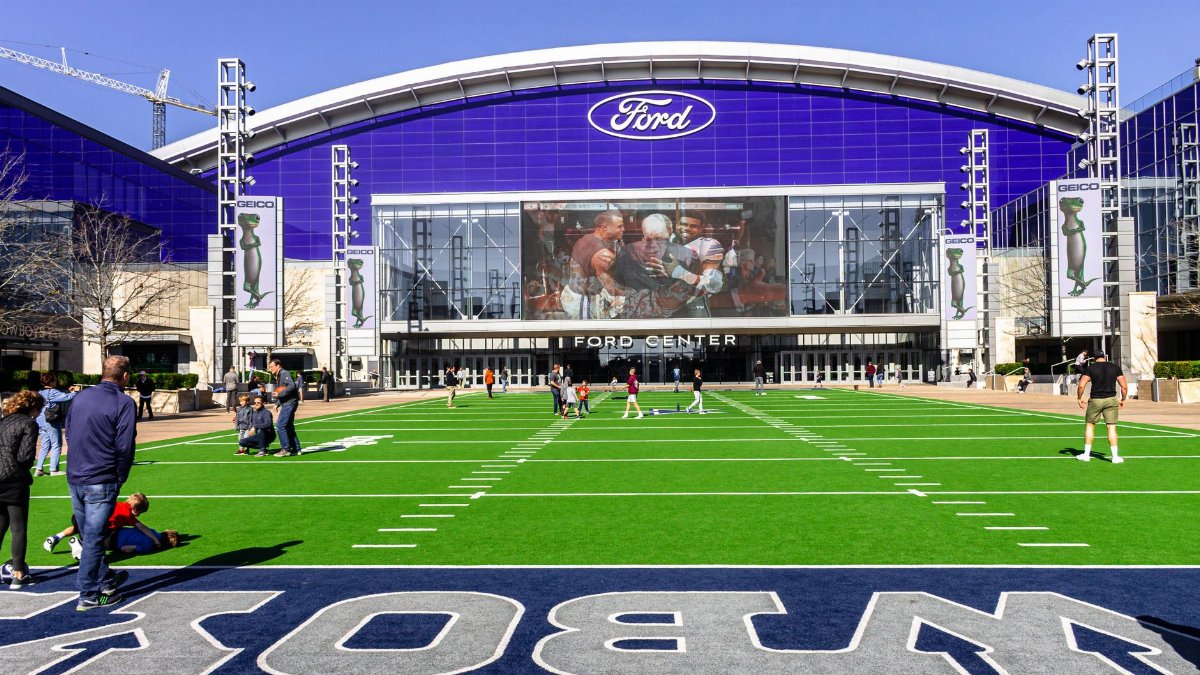
I was halfway through a Sunday recap when a colleague slid a phone across the desk and did not say a word. The screen carried a short item from Dallas, the kind of note that rearranges a season before the first snap. For years Tony Romo had been the voice many viewers trusted when the picture got messy, the former quarterback who talked through a replay as if he were still in the huddle. Then the sentence arrived, plain and final: Tony Romo leaves CBS. It did not come with a farewell booth shot or a montage of calls. It came as a mutual parting, reported after months in which he had already been absent, and it left a strange quiet where a familiar cadence used to be.
A booth that went quiet before the announcement

Broadcast careers rarely end with a clean last sentence. They thin out. A game is reassigned. A producer stops returning a call. Viewers notice the substitute before they notice the reason. In Romo’s case the absence had already done much of the work. By the time word spread that the network and the analyst had agreed to separate, the chair beside the play by play voice had been empty long enough that the parting felt less like a shock than like a caption placed under a picture everyone had already seen.
That lag matters. Sports television sells continuity. The same face, the same laugh, the same habit of spotting a coverage bust a half second before the rest of us do. When continuity breaks without explanation, the audience writes its own script. Some assume injury or family. Some assume a contract fight. Some assume the worst thing they last read. The network, for its part, often prefers a short statement to a long one. Silence is cheaper than a fight, and it leaves fewer sentences for lawyers to parse.
What the Dallas account actually reported

According to a report in The Dallas Morning News, the former Cowboys quarterback and CBS Sports mutually agreed to part ways. The item, published at the paper’s site, is the clearest public account of the split available as of this writing: https://www.dallasnews.com/sports/cowboys/article/ex-cowboys-qb-tony-romo-cbs-mutually-agree-part-22459729.php. Readers should treat that story as a news report, not as a court filing. It describes an agreed separation. It does not, on its face, walk through evidence, charges, or a negotiated exit package in any detail a careful reader could independently test.
That limitation is worth stating plainly. A mutual agreement is a phrase networks like because it closes a door without assigning a winner. It can mean a star chose to step back. It can mean a company decided the cost of keeping him had grown too high and both sides found language they could live with. From the outside, those two stories look identical. The phrase Tony Romo leaves CBS fits either reading, which is why it travels so easily and explains so little.
The absence tied to a July arrest
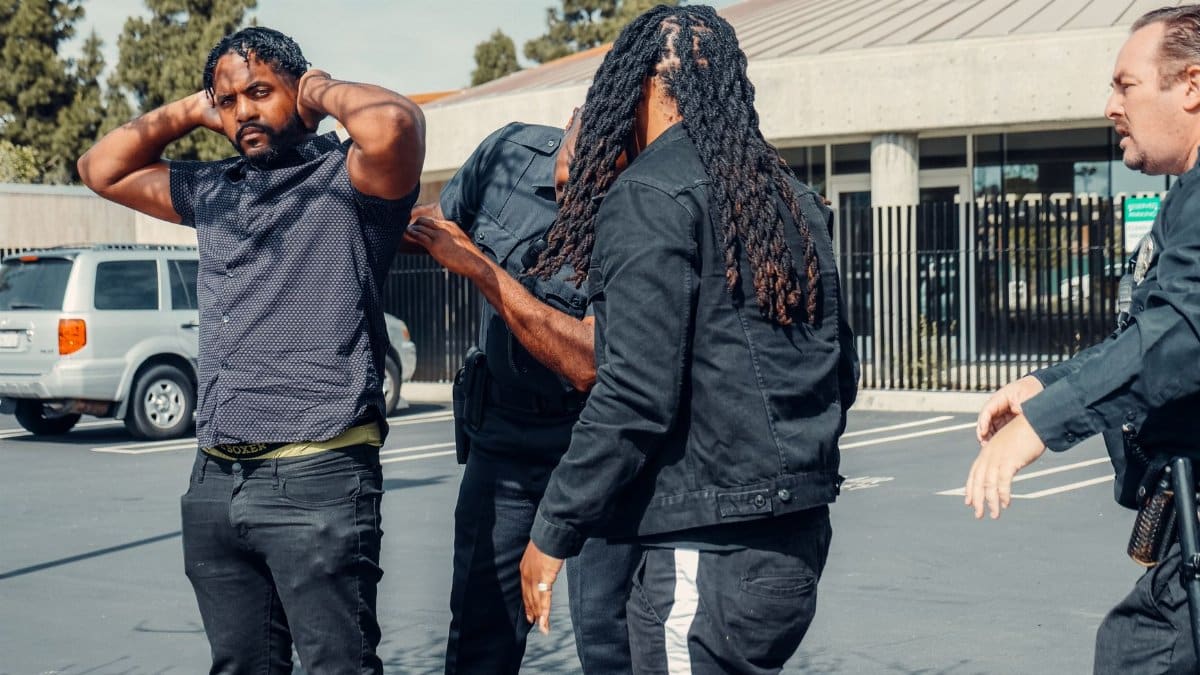
The same published account, echoed in the way the story has been summarized for readers, places Romo off the air since a July arrest in Milwaukee. I will not invent a charge sheet, a police narrative, or a quote he has not given. An arrest is not a conviction. It is a fact of process: a person was taken into custody, a record exists, and the rest belongs to courts, lawyers, and whatever the person chooses to say. Journalism that races ahead of that process does not inform. It performs.
Still, the calendar explains the booth. National football broadcasts do not wait for a docket to clear. A network that has sold a personality for a decade suddenly has a hole on the biggest weekends of the year. Producers fill it. Sponsors ask questions. League partners notice. By the time a formal parting is announced, the practical decision may already have been made in a series of smaller ones: who calls the next game, whose name stays on the open, whose face stays off the promo.
How a network weighs a voice against a headline

CBS built a substantial part of its modern football identity around Romo’s particular gift. He was not a former player reciting scout talk. He sounded like a man still solving the defense in real time, delighted when he was right, unembarrassed when the tape proved him wrong. That quality is rare, and rarity is what companies pay for. It is also what makes a split feel personal to people who never met him. They did not lose a colleague. They lost a Sunday habit.
Companies, though, do not manage habits. They manage risk, contracts, and the story other people will tell about them. A prominent analyst is both talent and brand surface. When that surface is associated with an arrest, even one unresolved in the public mind, executives run a grim arithmetic. What do affiliates think. What do advertisers think. What does the league think. What will the next game story be about, the play or the man in the booth. None of that arithmetic is spiritual. All of it is human, which is to say it is crowded with fear, loyalty, and the wish not to be the person who guessed wrong.
The quarterback viewers thought they knew
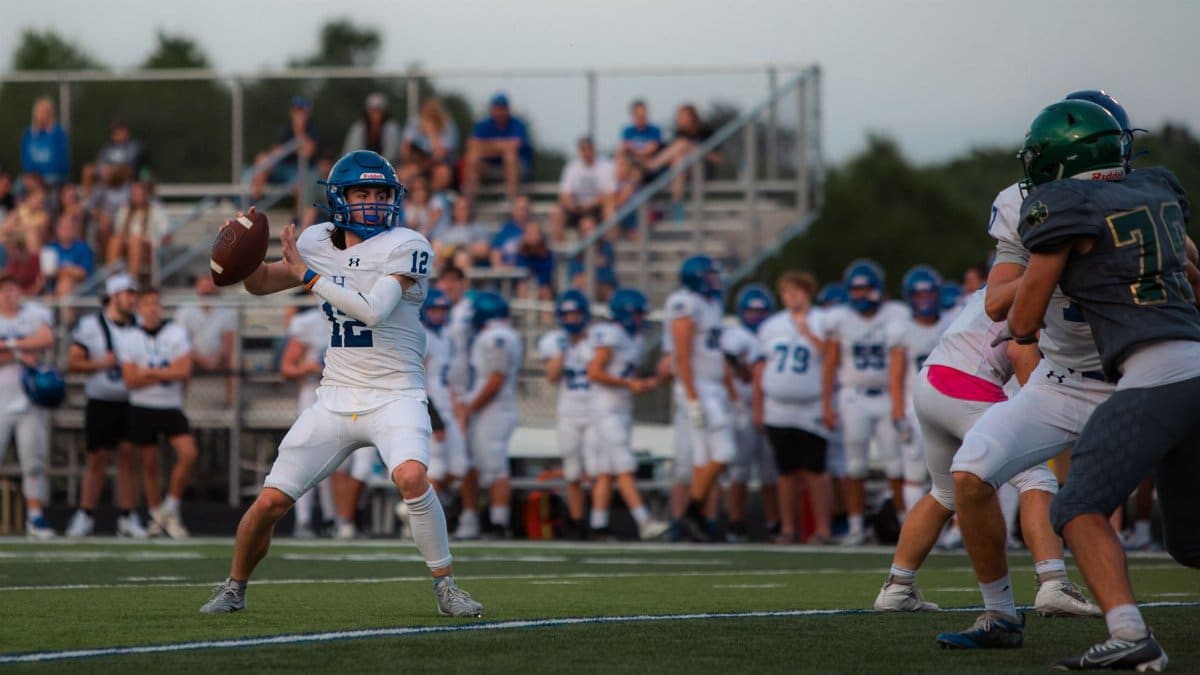
Romo’s first public life was in Dallas, where he was loved and blamed with the intensity only a starved franchise can generate. He threw beautiful balls and costly interceptions. He played hurt. He never won the championship the city measured every quarterback against. Then he crossed into a second life that, for a while, looked cleaner than the first. The booth rewarded the same instincts that had sometimes betrayed him on the field: anticipation, charm, a willingness to say the bold thing before the safe thing.
Second lives are fragile. Audiences grant them on the condition that the new role stay inside its frame. Analyst, not defendant. Teacher, not headline. When the frame cracks, people feel a small betrayal that has little to do with law and a great deal to do with the story they had agreed to believe. That feeling is not a verdict. It is a reminder that fame is a loan. The public can call it in without notice, and it rarely itemizes the interest.
What mutual language hides

Listen to the wording that traveled with the news. Agree. Part ways. Mutual. These are adult words, and they are also evasive ones. They protect both parties from having to narrate a rupture. They let Romo avoid a confession he may not owe the public. They let CBS avoid a firing it may not want to defend. In a culture that demands statements, the refusal to issue a rich one can look like guilt, or like dignity, depending on the reader.
I find the hunger for a statement more revealing than the statement we do not have. We want a moral caption. We want to know whether to keep the affection. That want is understandable and a little indecent. A man can be excellent at explaining zone coverage and still be answerable, elsewhere, for conduct that has nothing to do with football. The two facts do not cancel. They also do not fuse into a single easy lesson. When Tony Romo leaves CBS, the sentence satisfies a headline. It does not satisfy a conscience.
Judgment, mercy, and the Sunday congregation

There is a reason this story sits oddly well inside a conversation about spiritual life, even though it begins in a control room. Every week, millions of people gather around a broadcast the way an earlier generation gathered around a sanctuary: same hour, same voices, a shared ritual that asks very little except attention. When one of those voices is removed under a cloud, the congregation does what congregations do. It whispers. It sorts itself into the harsh and the soft. It looks for a text that will authorize the feeling it already has.
Mercy is not amnesia. It is not a demand that CBS keep a contract, or that viewers pretend they did not read what they read. It is a refusal to treat an arrest, or even a conviction if one ever comes, as the whole of a person, and a refusal to treat professional exile as the same thing as moral clarity. Churches have spent centuries failing at that distinction. Television will not succeed at it in a news cycle. The least a serious audience can do is notice the difference between wanting justice and wanting a cleaner broadcast.
The games will not wait

Football has no sabbath for personnel. The schedule is printed. The trucks roll. Someone will sit where Romo sat, and within a month many viewers will have adapted, because adaptation is the secret skill of fandom. They will praise the new voice for energy or fault it for trying too hard. They will forget, until a replay reminds them, how often the old voice saw the throw before the thrower did.
That speed is not cruelty so much as structure. A league sells the next game, not the last controversy. Networks follow. The person at the center of the split does not get that luxury. His name remains attached to a search result. His absence remains the most eloquent line in the story. If Tony Romo leaves CBS is the sentence history keeps, the sentences he might still offer, in a courtroom or in his own time, will have to compete with it.
What we still do not know
Honest writing stops where the documents stop. We do not have, in the public item that announced the split, a full account of negotiations, a medical explanation, a family statement, or a finding of fact. We have a separation, an absence that began around a July arrest in Milwaukee, and a career that had made Romo one of the most recognizable analysts in the sport. Anyone who fills the gaps with invented quotes or imagined meetings is writing fiction and calling it news.
Uncertainty is unsatisfying, which is why it gets so little airtime. It is also the only posture that respects both the audience and the man. Readers can hold two ideas at once: that a network is entitled to decide whom it puts on its air, and that a life should not be summarized by the worst morning in it until the facts are actually known. Holding both is harder than picking a side. It is also closer to the truth available today.
A vocation under a brighter light

Romo’s gift was interpretive. He translated chaos into sentences ordinary fans could use. That is a kind of ministry, if the word is not too grand for a game: standing between a confusing event and a crowd that wants to understand it. The irony is sharp. The man hired to explain is now the event that will not explain itself. The crowd, trained by his own style to expect a quick read, is left with a freeze frame.
Perhaps that is the useful discomfort. Not every story yields to the first replay. Some require patience, a better angle, and the humility to say the route is not clear yet. In that sense the parting is a small test of the audience he helped create. Can we watch without rushing the call. Can we care about the game and still refuse to turn a person into content. Those are not booth questions. They are older than television, and they do not get easier when the graphics come up.
What remains on the record

For now the record is short. A celebrated analyst and his network agreed to separate. He had been off the air. Published reporting has connected that silence to a July arrest in Milwaukee, without this article pretending to adjudicate it. Fans will argue about whether the voice can return somewhere else, on another network, in another season, under another set of conditions. That argument is premature, and it will happen anyway.
I keep returning to the phone on the desk and the quiet that followed it. Not outrage. Not triumph. Just the sense that a familiar room had lost one of its voices, and that no graphic could say whether the loss was temporary, deserved, or merely the price of a life lived where everyone can see. When Tony Romo leaves CBS, the industry moves on by Tuesday. The harder work, of telling the truth without inventing it, and of judging without consuming a man whole, stays with the rest of us.