
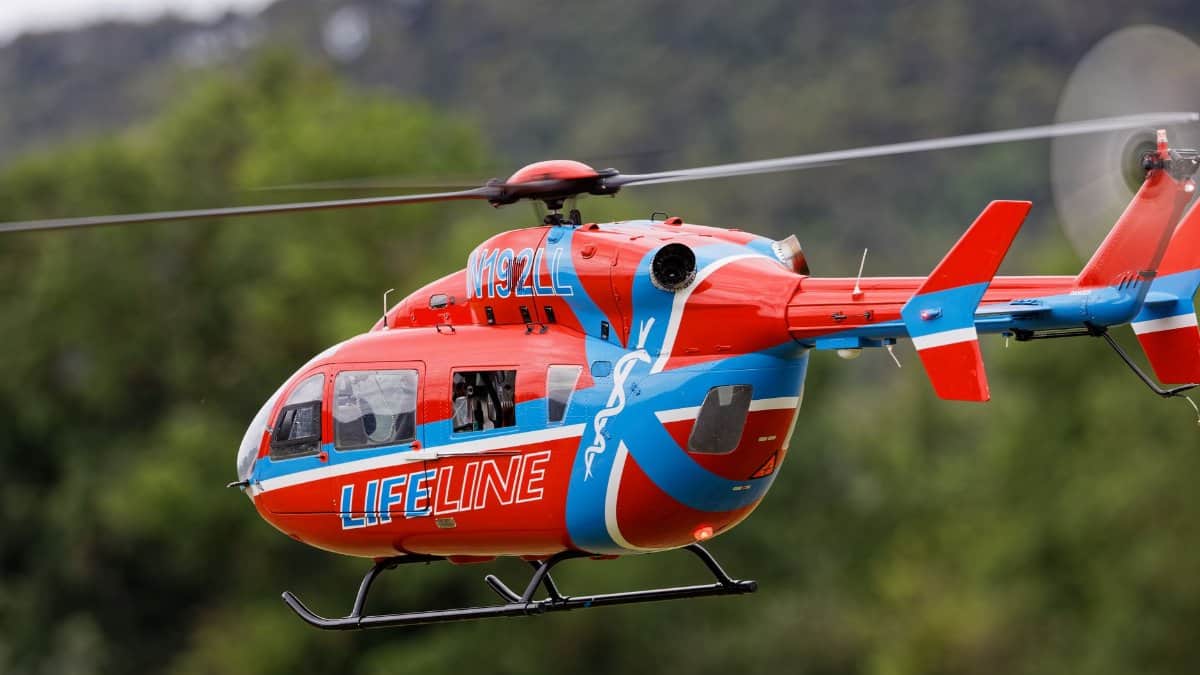
On a gray stretch of water southeast of Nantucket, the last official sweep ended without a survivor in sight. For 66 hours, cutters, aircraft, and volunteer eyes had traced a narrowing box of ocean after contact was lost with a medical flight bound from Bermuda toward Boston. The Coast Guard then suspended the search for six people, after crews reported a debris field. In newsrooms and living rooms, the phrase Bermuda Boston missing flight became a shorthand for a journey that began as care and ended as absence. What remains is not a mystery staged for television. It is a record of duty, weather, procedure, and families waiting for a sentence no agency can soften.
What the public record actually establishes

The essentials are spare, and that spareness matters. A medical flight left Bermuda with a destination of Boston. Six people were aboard. Communication was lost. A large search followed. Officials later described debris in the water off Nantucket and brought the active hunt to a close after 66 hours. Those facts do not, by themselves, name a cause. They do not identify which seat held the patient and which seats held the crew. They do not tell a reader whether a mechanical fault, weather, human error, or some combination sits at the center of the loss.
Journalism has a duty to keep that boundary bright. Early fragments travel faster than verified detail, and a missing aircraft invites invention. I have watched readers fill silence with theories that feel satisfying and explain nothing. The honest account, at this stage, is the account of a search that ran hard and then stopped, and of six lives that did not return with the boats.
Why a patient leaves an island by air
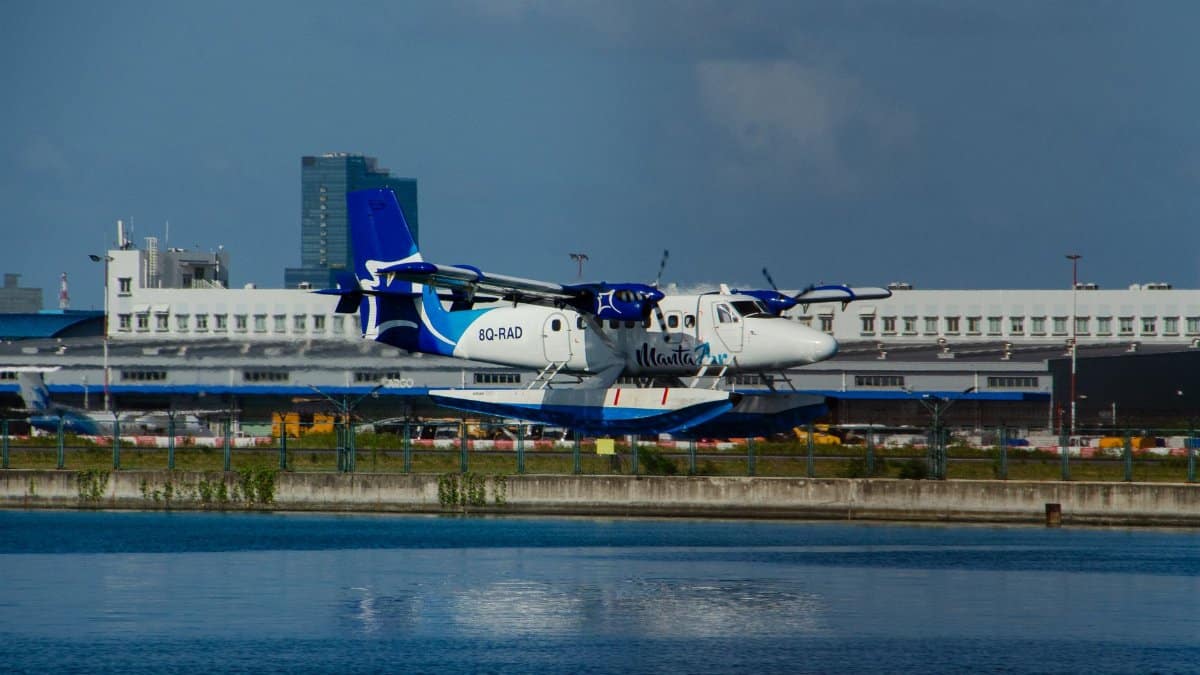
Bermuda is not remote in the romantic sense. It is a settled place with hospitals, clinicians, and a long habit of sending complex cases onward when local capacity is not enough. Boston, for many island families, is not an abstraction. It is a city of specialists, transplant teams, trauma bays, and the kind of second opinion that cannot be delivered by a video call. A medical flight exists because geography still sets limits that goodwill cannot erase.
That context changes the emotional weather of the story. This was not a vacation hop or a corporate dash between meetings. Someone was sick enough, or injured enough, that clinicians judged the air bridge necessary. Family members often travel with the patient. Pilots and medical attendants take the same risk as the person they are trying to save. When such a flight vanishes, the loss is doubled: the illness that prompted the trip, and the trip itself.
The route across open water
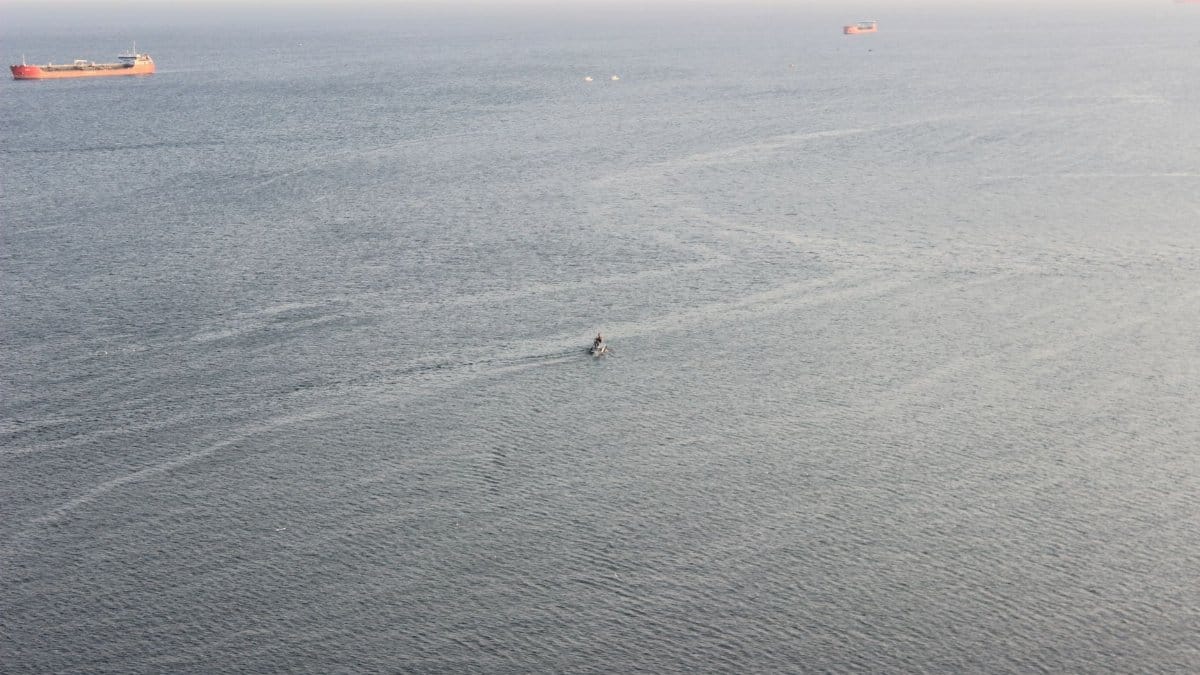
The line from Bermuda to Boston crosses open Atlantic water for most of its length. There is no string of alternate airports tucked under the wing the way there is on a continental route. Crews plan fuel, weather, and diversion points with that fact in mind. Passengers, if they are well enough to notice, see a long field of sea and then, if all goes well, the approach lights of a city that promised a different kind of care.
Loss of contact on that route is therefore not a minor radio glitch in the public imagination. It is a signal that the aircraft may already be beyond the reach of a quick turnback. Search planners draw boxes based on last known position, speed, heading, and the clock. Each hour without a sighting widens uncertainty. Each hour also lowers the odds that a person in the water can still be found alive, especially if survival equipment was not located early.
How a search is built

A coastal search of this scale is a choreography of assets rather than a single heroic boat. The Coast Guard coordinates cutters and aircraft. Other agencies and private pilots may join under direction. Patterns are flown so that the same patch of sea is not scanned twice while a neighboring patch is ignored. Lookouts work in shifts because human eyes tire, and tired eyes miss the small things that matter: a raft, a seat cushion, a glint that is not a wave.
Readers sometimes imagine that more time always means a better chance. In open water the relationship is harsher. Cold, fatigue, and the simple physics of a person in the sea set a clock that commanders cannot negotiate with. Continuing past the point where survival is no longer plausible spends crews, fuel, and attention that other emergencies may need. Suspension is not a shrug. It is a formal judgment that the active phase has reached its limit.
What debris can and cannot say

A debris field off Nantucket is evidence of a violent end to controlled flight, or at least of an aircraft that came apart and met the sea. It is not, on its own, a full explanation. Investigators, if wreckage can be recovered, look for parts that tell a sequence: whether engines were producing power, whether control surfaces were attached, whether fire marks predate impact. Without that slower work, the public has a location and a sorrow, not a verdict.
Families understand this distinction even when headlines compress it. Debris confirms that hoping for a radio call from a lost crew is no longer reasonable. It does not hand them a reason they can carry into a memorial. That gap is where rumor grows. Responsible coverage names the gap instead of decorating it.
The six and the people who wait

Six is a small number until it is your six. A medical crew is a tight unit: pilots who know the airplane, clinicians who know the patient, sometimes a relative who refused to stay behind. The Bermuda Boston missing flight story, as it moved through official updates, never became less personal for the households attached to those seats. Notification, when it comes, arrives in plain language. Search suspended. Debris located. We are sorry.
Communities around such losses often discover how many quiet dependencies a single flight held. A clinic in Bermuda loses colleagues or a patient it had prepared for transfer. A hospital in Boston prepares a bed that stays empty. Neighbors bring food because food is one of the few practical answers to a question that has none. The scale is national because the Coast Guard is national. The grief is local because grief always is.
Faith and the need to mark an absence

This news sits, for many readers, inside a spiritual frame even when officials speak only in operational terms. Houses of worship on both ends of the route have long practice with sailors, pilots, and families who live by weather. Prayer, in that setting, is not a claim that the sea will obey. It is a way of refusing to let six people become a statistic before their names have been spoken aloud in a room that loves them.
I do not think faith explains the crash, and I do not think a column should pretend that it does. What faith communities often do well is slower work: sitting with relatives, keeping a light on for a memorial when bodies cannot be returned, resisting the urge to declare a moral lesson before the facts exist. That restraint is a form of respect. It treats the dead as people rather than as symbols in someone else’s argument about fate.
Regulation, operators, and the questions that follow

After the search ends, another kind of attention begins. Air ambulance work is tightly scheduled and, in the United States and in many partner jurisdictions, closely watched. Operators carry duties around maintenance, crew rest, weather minima, and the decision to launch. None of those duties can be judged from a debris report alone. They can, and should, be judged later by investigators who have access to records the public does not yet see.
Readers are entitled to ask plain questions without dressing them up as accusations. Was the aircraft maintained to the standard its mission required? Did the crew have current information on conditions along the route? Were diversion options realistic if a problem appeared far from shore? Those questions belong to safety boards and to the companies involved. They also belong, in a quieter way, to every family that will board a similar flight next month because a specialist is still in Boston and the patient is still in Bermuda.
Why suspension is not the same as forgetting

When officials suspend a search, some listeners hear abandonment. The procedural meaning is narrower. Active looking for survivors has stopped because the chance of finding anyone alive has fallen below the threshold commanders use. Recovery of wreckage, if it continues, may shift to other agencies and to calmer seas. Insurance, certificates, and legal inquiries move on their own calendars. None of that restores the six. All of it can still matter for the next crew that files a similar plan.
Public memory is less orderly. The Bermuda Boston missing flight will be retold whenever another aircraft goes quiet over water, sometimes with details borrowed from this case and pasted onto that one. Accuracy is a form of care here. Mixing two tragedies because both involved a medical jet and a long stretch of sea does not honor either. It only makes the next family harder to inform.
Weather, season, and the limits of hindsight

Atlantic weather does not need to be dramatic to be decisive. A ceiling that looks manageable at departure can change. A wind that is merely inconvenient near the coast can be punishing offshore. Hindsight likes a single villain, a storm with a name or a part with a crack. Real flights fail, when they fail, inside a stack of small conditions. Writing that stack honestly means admitting what is not yet known rather than selecting the most cinematic layer.
That admission frustrates readers who want closure by nightfall. It is still the better bargain. A wrong cause, confidently stated, can steer regulators toward the wrong fix and can wound families who must live beside the error. Waiting for a preliminary report is not passivity. It is the minimum discipline a serious public deserves.
How to read the next update

The next meaningful update, if one comes, will probably be technical. It may describe a last radar position, a recovered component, or a company statement about the people aboard. Treat company statements as statements of interest, not as neutral science. Treat official timelines as the spine of the story until a safety board says otherwise. Treat social media posts that claim inside knowledge as unverified until a name, a document, or an agency stands behind them.
There is room, even so, for human reporting that does not wait on metallurgy. Who were the six, in the lives they actually lived? What did the transfer mean to the clinicians who arranged it? How are Bermuda and Boston marking the loss without turning it into spectacle? Those questions can be answered with interviews and with restraint. They do not require a theory of the crash.
A search window closes

The Coast Guard’s decision to end the 66 hour effort after debris was found off Nantucket closes one chapter and leaves others open. Six people who left Bermuda for Boston are not coming home on that airplane. The phrase Bermuda Boston missing flight will keep circulating because the route is familiar and the outcome is not. Familiarity is not understanding.
What can be said now is limited and still worth saying clearly. A medical flight existed because care sometimes requires a crossing. A search existed because the state does not shrug at a lost aircraft. A suspension existed because the sea sets terms. Beyond that, the respectful posture is attention without invention: names when families release them, causes when evidence supports them, and silence where silence is still the most accurate sentence available.