

On a weeknight in Dallas, a man can lose a paycheck on his phone before the dishes are dry, then discover that the state has almost nowhere to send him. Texas collects no dedicated public dollars for gambling treatment, even as betting products multiply and clinicians describe a widening Texas gambling addiction gap. Families are left to improvise. Churches take late calls. A handful of trained counselors try to cover a state of thirty million people.
A public problem with a private bill
Texas has long treated gambling as something that happens elsewhere, or as a moral failing best handled inside the home. That stance is harder to defend when wagers travel through apps, prediction markets, and offshore sites that do not ask whether the legislature has authorized them. The harm still lands in Texas emergency rooms, bankruptcy courts, and kitchen table arguments.
Advocates who work with people in crisis say the state puts no money into a formal treatment system for gambling disorder. There is no statewide clinic network built for this diagnosis, no public campaign on the scale of tobacco or opioid warnings, and no reliable pipeline that turns a frantic search into a funded appointment. The result is not the absence of gambling. It is the absence of care.
What clinicians mean by the gap

The Texas gambling addiction gap is not a slogan. It is the distance between need and capacity. Therapists who specialize in this work describe clients who have already emptied savings, borrowed from relatives, or hidden losses for months before they ask for help. By then, the clinical task is rarely a single conversation about willpower. It is debt, shame, insomnia, and often depression or alcohol use sitting beside the bets.
Standard talk therapy can help, but gambling disorder has its own patterns. Triggers are constant. A score, a market, a notification, a fantasy lineup. Without training in those patterns, a well meaning counselor may miss the financial secrecy or treat the betting as a side issue. People who finally call for help then hear that the next opening is weeks away, or that insurance will not cover the kind of care they need.
Prediction markets and bets that do not look like casinos

Older images of gambling still shape Texas politics. Slot machines. Card rooms. A weekend in Louisiana. The products now drawing concern look more like news and sports. Prediction markets let users stake money on elections, economic releases, and other public events. Sports books and daily fantasy contests turn ordinary games into a stream of in game wagers. None of this requires a trip across a state line.
Clinicians say these formats spread because they feel like information, fandom, or skill. A person can tell himself he is forecasting, not gambling. The account balance does not respect that distinction. When losses accelerate, the same person discovers that Texas has not built a public response equal to the speed of the apps. That mismatch is another face of the Texas gambling addiction gap.
Five counselors for a very large map

Training is the narrowest part of the story. Therapists report that only five counselors in Texas meet a widely cited best practice standard for treating gambling disorder. Five is not a network. It is a short list. Geography makes it smaller still. A family in the Panhandle, the Valley, or rural East Texas cannot treat a Dallas or Houston specialist as a practical option if work, children, and transportation already strain the week.
Telehealth can close some of that distance, and it should. It does not create funding, supervision, or enough trained people. A certificate on a website is not the same as a clinician who can sit with a client through relapse, family rupture, and the slow work of rebuilding trust with money. Without state support for training, the short list stays short.
Who pays when the state does not
Someone always pays. Often it is a spouse who finds the credit card statements. Often it is a parent who cosigns one more loan. Sometimes it is a congregation that quietly covers rent so a family is not evicted. Private therapists who do this work describe sliding scale slots that fill and then vanish. County programs built for substance use may stretch to include a gambling client, then hit a wall when the chart does not match their grant.
The National Council on Problem Gambling has long argued that states which profit from betting, or which allow it to flourish at their borders, should fund prevention and treatment in proportion to the harm. Its public materials, available at ncpg.org, describe helplines, counselor standards, and the case for dedicated revenue. Texas does not have that dedicated revenue. Residents who need care are referred outward, toward national hotlines and whatever local charity can answer.
Shame, faith, and the stories people will not tell
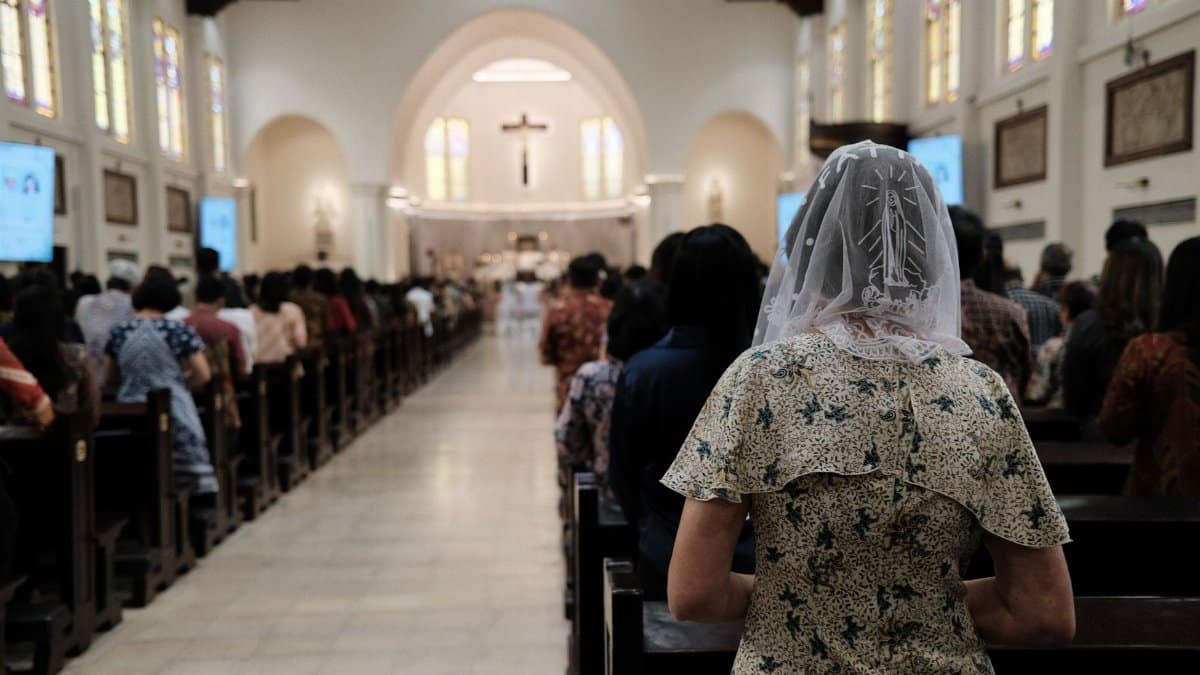
This subject sits inside spiritual life in a particular way. Many Texans hear gambling described as a sin long before they hear it described as a treatable disorder. That moral language can be clarifying. It can also seal a mouth. A person who believes he has failed God, his spouse, and his own standards may wait until the losses are catastrophic before he speaks to a pastor or a clinician.
Pastors and lay leaders are often the first adults who hear the truth. Some are skilled at pairing accountability with referral. Others have nowhere to refer. A prayer and a promise to stop are not a treatment plan when the phone still offers a bet at midnight. Faith communities can reduce the Texas gambling addiction gap by naming the disorder without spectacle, by refusing to gossip, and by building relationships with the few clinicians who know this work. They cannot be the entire system.
What neighboring approaches make visible
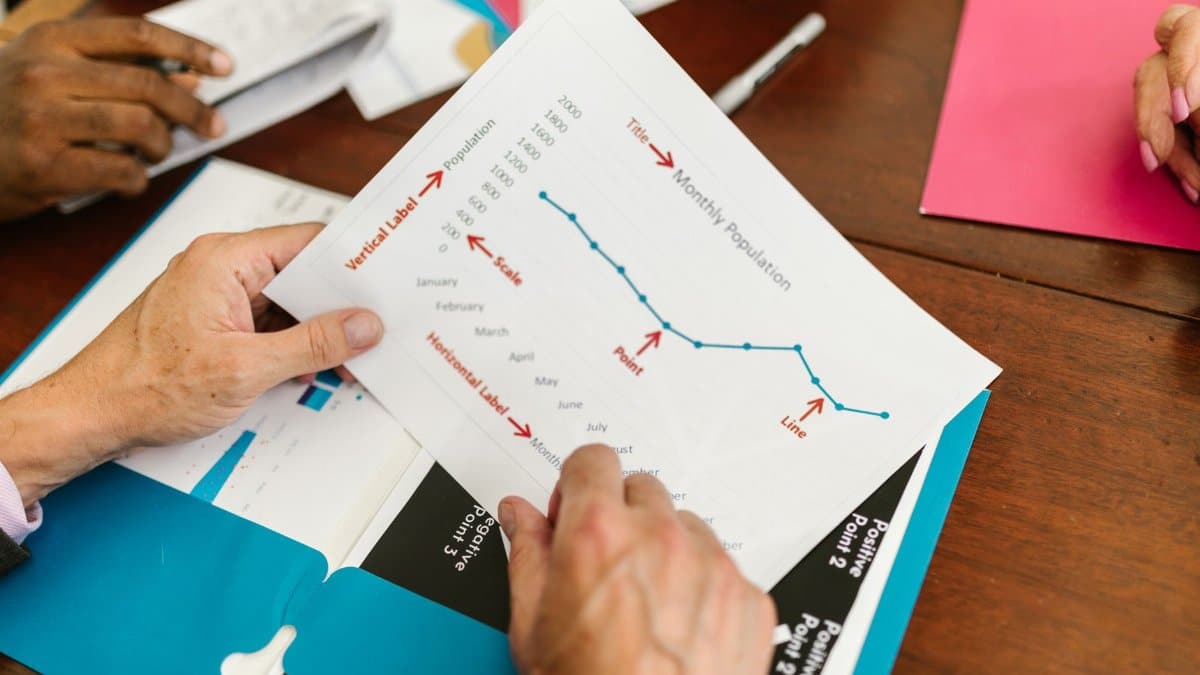
Other states are not models of perfection. Some expanded sports betting quickly and funded treatment as an afterthought. Still, the contrast is instructive. Where legislatures dedicate a slice of gambling revenue to counseling, public education, and research, a person in crisis has a number to call and a program that expects gambling cases. Where that dedication is missing, care depends on individual heroics.
Texas can study those arrangements without pretending that every betting expansion is wise. The relevant question is narrower. If residents are already being harmed by legal adjacent products, illegal apps, and trips to other jurisdictions, does the state owe them a treatment system? Clinicians interviewed in recent reporting answer yes. Budget writers have so far answered with silence.
The limits of willpower advice

Public conversation still drifts toward simple counsel. Delete the app. Hand your spouse the passwords. Stay busy. Those steps matter, and many recovery plans include them. They are not a substitute for assessment. Gambling disorder is recognized in psychiatric manuals as a behavioral addiction. People with it often describe urges that do not yield to a single resolution, especially when money stress and secrecy feed each other.
The Substance Abuse and Mental Health Services Administration discusses behavioral health conditions and treatment location through samhsa.gov. Its broader point applies here. Disorders that thrive in isolation get worse when the official response is a pamphlet and a wish. Texas asks families to supply the clinical infrastructure that other health problems are not asked to supply alone.
A budget choice, not a mystery

Lawmakers do not lack language for public health. They fund tobacco cessation, suicide prevention, and substance use treatment because those harms are visible and because constituencies demanded a response. Gambling harm has been easier to minimize. It can look like entertainment. It can look like a personal secret. It does not produce a single dramatic image that forces a hearing.
Closing the Texas gambling addiction gap would not require a new casino or a new moral theory. It would require money for counselor training, for a staffed helpline with Texas referral capacity, for rural telehealth, and for evaluation so the public can see whether the spending works. Those are ordinary budget lines. Their absence is a choice.
What help can look like before the legislature moves
People cannot wait on a future session to stop a spiral. The practical steps are unglamorous. Tell one trusted person the real number. Remove betting apps and block payment methods. Seek a clinician who will ask directly about wagers, not only about anxiety. Use a national helpline if a local specialist is unavailable. If faith is part of the household, tell a leader who can keep confidence and who will not confuse confession with a cure.
Those steps are damage control. They do not erase the structural fact that Texas puts no state money into gambling treatment while the opportunities to bet keep multiplying. Until that changes, the Texas gambling addiction gap will keep showing up as private ruin, measured one household at a time, in a state large enough to pretend the pattern is only a series of isolated mistakes.