

In a state where winter can freeze a diesel line and a campaign can turn on a single energy promise, a very large number is about to be attached to a very old idea. President Trump is expected to unveil a South Korean commitment worth $54 billion for gas development in Alaska, a figure that would dwarf most infrastructure announcements and land in the middle of a competitive Senate contest. The Alaska LNG South Korea deal is being presented as both a commercial breakthrough and a political signal, tying an 807 mile pipeline concept to buyers across the Pacific and to voters who have heard versions of this plan for decades.
A number built for headlines and for ballots

Fifty four billion dollars is not a routine export contract. It is a sum large enough to dominate a news cycle, to be repeated in campaign speeches, and to invite immediate questions about what is actually funded, what is merely pledged, and what still depends on permits, customers, and construction bids. Officials have described the announcement as South Korean investment in an Alaska gas project, with the political setting as plain as the commercial one. Alaska is home to a tight Senate race, and energy remains one of the few issues that can move independents, union households, and rural communities in the same week.
The White House has an incentive to show foreign capital arriving on American soil. Seoul has an incentive to show that it can secure fuel without relying on a single supplier or a single shipping lane. Between those incentives sits a project that has been studied, stalled, revived, and studied again. The unveiling will matter less as theater than as a test of whether a pledge can survive contact with engineering schedules and balance sheets.
What the Alaska project has always promised
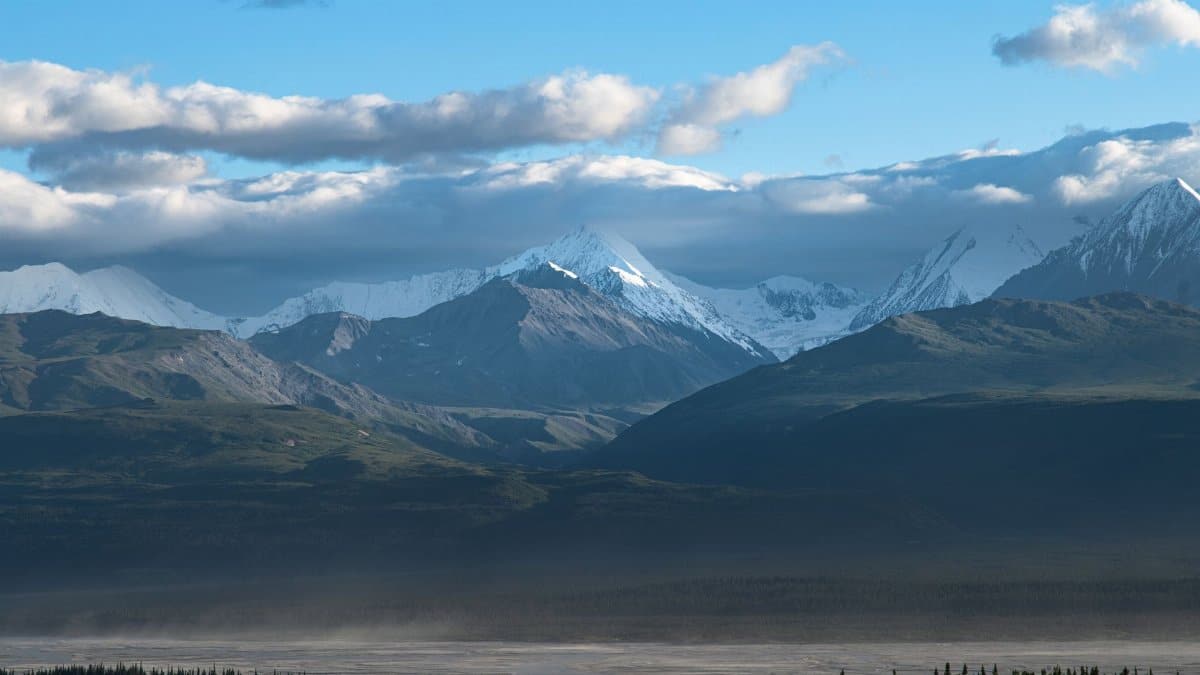
The core concept is familiar to anyone who has followed North Slope politics. Natural gas produced alongside oil in the far north would move south through a pipeline roughly 807 miles long, reach a liquefaction plant on the southern coast, and leave by ship as liquefied natural gas. Proponents argue that the resource is already known, that the route has been mapped in extraordinary detail, and that Asian utilities need long duration supply. Critics answer that the distance, the climate, and the capital cost have defeated earlier versions of the same dream.
Alaska LNG, as the effort is commonly known, has passed through state ownership debates, federal permitting, and changes in global gas prices. Each revival arrives with a new partner list and a new argument about strategic need. This time the argument is wrapped in alliance politics as much as in molecules. A South Korean role would give the project something earlier concepts often lacked: a named market with a government willing to put its reputation near the financing.
Why Seoul would write a check this large
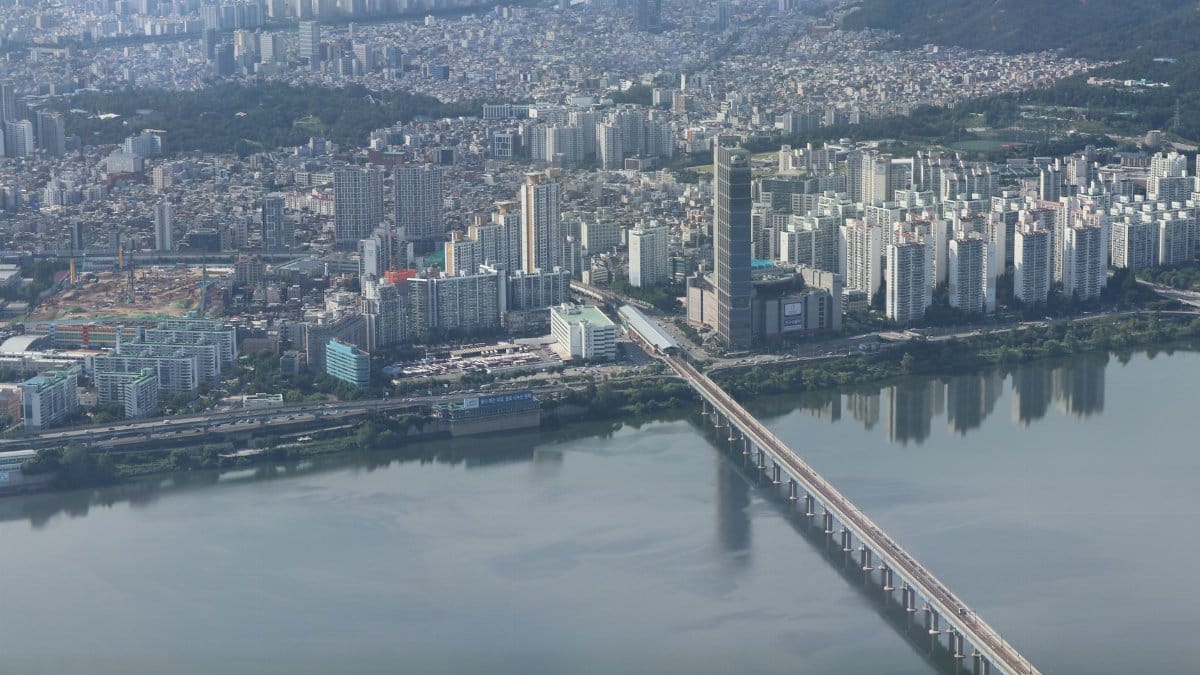
South Korea imports nearly all of the fuel that keeps its power plants, factories, and households running. LNG has been a pillar of that system, a bridge away from coal and a hedge while nuclear plants and renewables expand. Price spikes after the invasion of Ukraine reminded Seoul how quickly a comfortable supply picture can tighten. Diversifying away from a handful of exporters is not an abstract goal in that capital. It is an energy security brief.
A commitment on the scale now being discussed would also fit a broader pattern of allied industrial deals, in which investment announcements double as diplomatic gifts. Korean shipbuilders, engineering firms, and utilities could see work in steel, modules, and long term purchase contracts. None of that is automatic. A memorandum and a groundbreaking are different events. Still, the logic is intelligible: lock in a friendly supplier, support an ally’s resource state, and show domestic industry a pipeline of orders that does not depend only on Middle Eastern or Australian cargoes.
The Senate race that shares the stage

Energy announcements in Alaska are never only about energy. The state’s Senate contest is close enough that both parties treat federal attention as a resource of its own. A $54 billion unveiling offers the incumbent side a picture of jobs, construction wages, and proof that Washington has not forgotten the North Slope. Opponents can just as easily call it a photo opportunity that arrives before final investment decisions, before offtake contracts are firm, and before communities along the route have seen binding mitigation plans.
Voters in Anchorage, Fairbanks, and coastal towns have long memories of projects that were certain until they were not. That skepticism is not cynicism so much as experience. Campaigns will still use the number. The more durable question is whether the pledge changes the timeline that engineers, not spokespeople, control.
Jobs, steel, and the long wait for dirt to move

If the project were built as advertised, the employment story would be real. Pipeline spreads, camp construction, module fabrication, port work, and plant operations would employ thousands at peak, with a smaller permanent workforce afterward. Alaska labor unions have supported versions of the line for that reason. So have some borough governments that see property tax and harbor activity as a way to steady budgets tied to oil decline.
The catch is sequence. Front end engineering must be refreshed. Pipe mills must reserve capacity. Lenders must believe that buyers will take cargoes for twenty years or more at prices that repay the plant. Korean capital could shorten that sequence by reducing the equity gap. It cannot erase winter construction limits, nor the cost of building in a place where a delayed season is not a metaphor but a missed barge window. The Alaska LNG South Korea deal will be judged, in the trades, by whether it produces notices to proceed rather than another round of renderings.
Prices, competitors, and a crowded LNG market
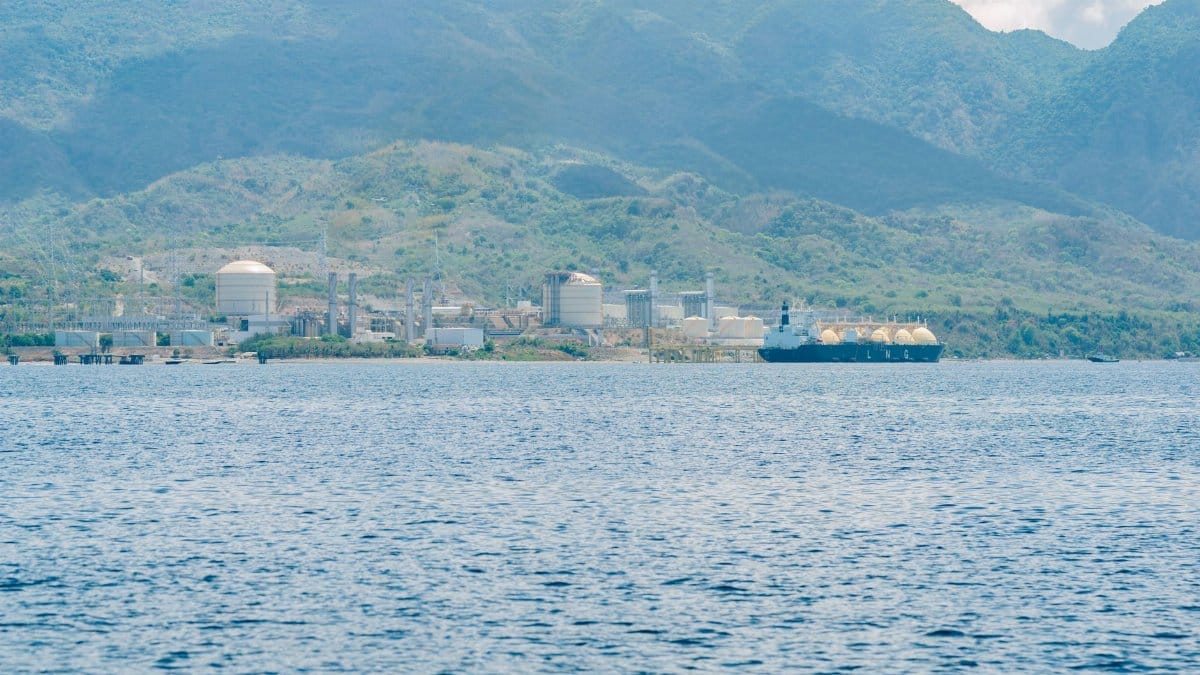
Global LNG is no longer a seller’s market in every month of every year. New export capacity from the Gulf Coast, Qatar, and elsewhere is arriving as Asian demand grows more unevenly than forecasts from a decade ago suggested. South Korean buyers are sophisticated. They compare delivered prices, contract flexibility, and shipping days. Alaskan gas has a geographic argument: the sail to Northeast Asia is shorter than the sail from the Gulf. It also has a cost argument that cuts the other way. Arctic pipelines and greenfield liquefaction are expensive, and expensive projects need either premium pricing or patient public support.
That tension will sit inside any serious reading of the $54 billion figure. Part of the sum may reflect construction. Part may reflect financing structures, related industrial pledges, or multiyear purchase commitments counted at face value. Journalists and investors should ask for the split. A headline total that mixes equity, debt, and offtake can be accurate and still mislead. The Alaska LNG South Korea deal deserves that scrutiny before it is treated as settled capital expenditure.
Land, consent, and the carbon ledger

No pipeline of this length crosses empty space. The route would pass lands and waters used by Alaska Native communities, commercial fisheries, and subsistence hunters. Earlier permitting addressed many of those issues on paper. Paper is not the same as consent renewed in a new political moment. Tribal governments and village corporations will want to know who carries risk if a river crossing fails, who is hired, and who is heard when schedules slip.
Climate politics adds another layer. LNG can displace coal in power systems and can also extend fossil fuel use deep into the century. Methane leakage, liquefaction energy use, and shipping emissions complicate the claim that any new export plant is automatically a climate solution. South Korea’s own climate targets make that debate unavoidable in Seoul as well as in Juneau. A deal celebrated as alliance statecraft will still be read by environmental groups as a large new fossil commitment. Both readings can be argued without pretending the other does not exist.
Permits, courts, and the federal role

Large energy projects in the United States now live partly in agencies and partly in courtrooms. Federal authorizations can be reopened, narrowed, or defended depending on who holds the White House and how judges read statutes on endangered species, air quality, and public land. An announcement from the president can accelerate coordination. It cannot, by itself, immunize a project from litigation or from a future administration with different priorities.
That uncertainty is part of what foreign investors price. Korean officials are not novices in American regulatory politics. Their willingness to stand next to this unveiling suggests they have been given assurances about permitting continuity, purchase support, or both. Those assurances should be described precisely when documents appear. Vague comfort is not the same as a financing close.
What a careful reader should watch next

The days after the unveiling will produce maps, job estimates, and statements of mutual respect. The useful documents will be duller. Watch for binding offtake volumes, for the share of Korean equity versus loans, for the identity of the engineering contractor, and for any state contribution that puts Alaska taxpayers beside foreign capital. Watch also for language about optionality. A pledge that can be resized, delayed, or redirected is not the same as a notice to proceed.
Shipping schedules matter too. If module fabrication is assigned to Korean yards, that is a tangible industrial link. If purchase contracts include destination flexibility, buyers are keeping an exit. Neither detail is a scandal. Both details tell you how much faith the parties have in the project’s costs.
Alliance politics without illusion

There is a respectable case for the project that does not require romance. The United States wants Asian allies less exposed to supply shocks. South Korea wants fuel and industrial work. Alaska wants a second act as oil production matures. A large investment announcement can serve all three if the contracts match the speeches. It can also become a cautionary file if the number was assembled to fit a visit rather than a construction budget.
I have covered enough resource announcements to know that the first day is the easiest day. The Alaska LNG South Korea deal will earn its name only if gas, steel, and signed volumes follow the podium. Until then it is a political fact and a commercial hypothesis, sharing a headline in a state where both kinds of facts can decide a Senate seat.
The distance between a pledge and a cargo

An 807 mile line does not care about campaign calendars. It cares about permafrost, river ice, weld quality, and whether the liquefaction trains are ordered before steel prices move again. South Korean engineers know that distance as well as anyone. Their presence, if it becomes more than a ceremonial stake, would be the strongest signal yet that this version of Alaska gas is meant to leave the slide deck.
Residents along the route will measure the announcement differently. Some will hear wages. Some will hear risk. National audiences will hear a story about alliances and fossil fuel strategy. All of those hearings are fair. The disciplined response is to keep the categories separate: what was promised, what was financed, what was permitted, and what was built. The Alaska LNG South Korea deal can be discussed seriously only when those categories stay distinct, even if the unveiling prefers to blur them into a single impressive sum.