

On a warm weeknight in North Dallas, a branch library stayed open past the hour when many readers expected the lights to dim. Parents finished homework help. A retired teacher renewed a stack of novels. Hours later, the City Council settled the question those patrons had been asking all summer. Dallas adopted a record spending plan, and the Dallas 6 billion budget kept library doors open by restoring 72 jobs that had been on the chopping block. The vote, reported by The Dallas Morning News, sets the course for the fiscal year that begins October 1. For a city of this size, a budget is less a spreadsheet than a map of what officials are willing to protect.
What the council actually decided
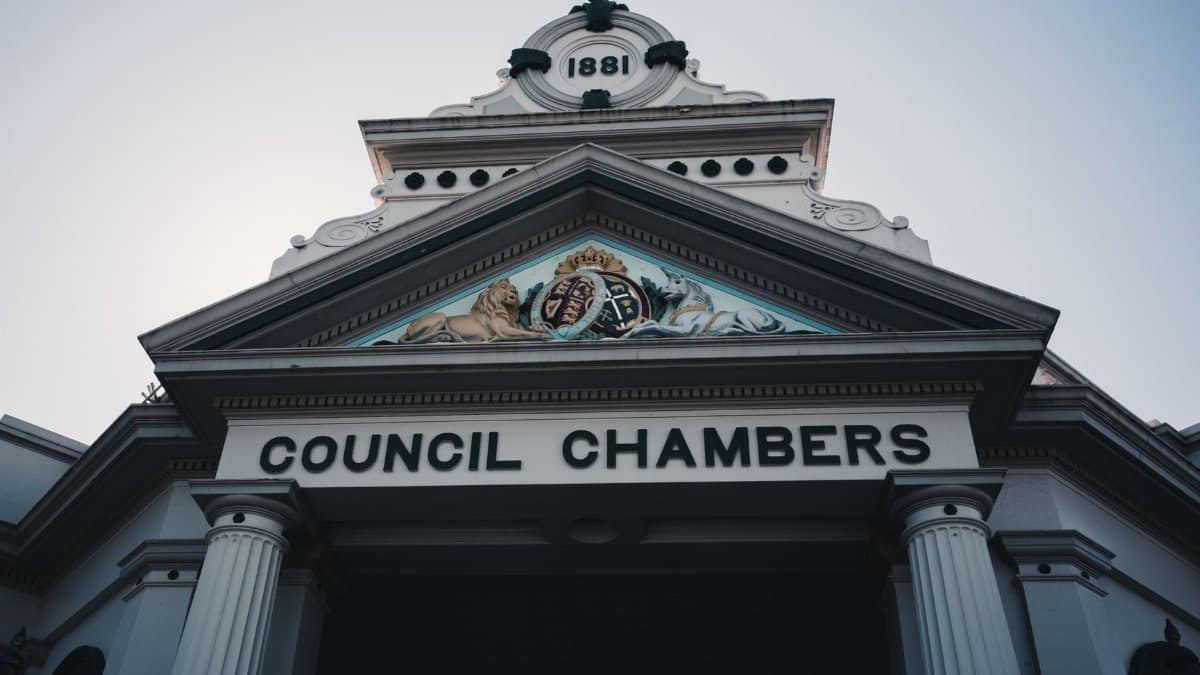
The headline number is easy to repeat and hard to picture. A plan of roughly six billion dollars covers a full year of city operations, debt service, and capital work, not a single pile of cash waiting in a vault. Council members approved that framework and, in the same political moment, put library staffing back into the plan. Seventy two positions is a small slice of a municipal workforce, yet it is large enough to decide whether a neighborhood branch can keep evening hours, answer reference questions, and run programs for children after school.
Readers should treat the figure as a ceiling and a promise at once. Departments still have to hire, schedule, and spend within the lines the council drew. A restoration on paper becomes service only when a person is on the desk and the doors are unlocked. That gap between adoption and daily life is where residents will judge the Dallas 6 billion budget, not in the chamber on the night of the vote.
Why libraries carried the argument

Libraries rarely dominate a budget fight until someone proposes to shrink them. Then they become a proxy for a larger argument about what a city owes people who do not have private alternatives. A family that can buy every book still uses the branch for quiet, for computers, for a safe place after work. A student without broadband at home uses it as a classroom. Cutting hours looks efficient on a ledger and costly on a bus route home.
Restoring those jobs does not erase every strain. Buildings age. Collections need money. Staff still cover desks, story time, and security concerns in the same shift. The political win is real, though. Council members heard that closing or thinning branches would be noticed in a way that a trimmed consultant contract would not. In a year of record spending, the library vote was the detail people could explain to a neighbor.
How money of this scale is actually divided

A municipal budget is a stack of funds with different rules. General operations pay police, fire, libraries, parks, code enforcement, and the clerks who answer the phone. Enterprise funds, fed by fees, often run water, wastewater, and aviation. Capital programs borrow for streets, facilities, and flood control, then repay that debt over many years. Mixing those pots in a single sentence makes six billion sound like discretionary spending. It is not.
Much of the total is spoken for before a council member stands up to amend a line. Pension obligations, debt payments, and contracts signed in earlier years leave a narrower field for new choices. That is why fights concentrate on visible services. The Dallas 6 billion budget can grow because the city is large, because construction costs rose, and because prior commitments compound. Growth in the total does not automatically mean growth in the service a resident notices on a Tuesday.
Public safety and the streets people use

In most large American cities, public safety is the largest share of the general fund that council members truly argue over. Dallas is no exception in structure, even when the precise percentages shift from year to year. Residents ask for faster response, more visible patrols, and firehouses that are staffed when a call comes in. They also ask for streets that do not destroy a tire, signals that work, and sidewalks that a person with a walker can use.
Those demands compete inside the same plan that saved the library jobs. A dollar assigned to one priority is a dollar not assigned to another, unless new revenue appears. Officials often describe this as balance. Residents experience it as a sequence of disappointments and reliefs. The honest civic question is not whether safety or books matter more. It is whether the adopted plan funds both at a level the city can sustain after October 1, when slogans give way to payroll.
Taxes, fees, and the household bill

A record budget invites a simple suspicion: someone is about to pay more. Sometimes that someone is a property owner facing a higher bill even if the tax rate holds steady, because appraised values moved. Sometimes it is a renter whose landlord passes costs through. Sometimes it is a driver paying fees that never appear on a tax statement. Responsible coverage separates the rate, the value, and the total bill. Conflating them produces heat without clarity.
The Dallas Morning News account of the approval is the place to start for the official outline. Households should still read their own notices. Citywide averages hide a block where values jumped and a block where they did not. A budget can be called record setting and still leave some taxpayers convinced they received less service than they funded. That tension is not a scandal by itself. It is the ordinary friction of a growing city with uneven wealth.
What changes on October 1

Fiscal years are administrative lines, but they have practical effects. Hiring freezes lift or harden. Contracts renew. Departments learn which vacancies they may fill. For libraries, the restored positions have to move from a line item to a schedule. Recruitment in a tight labor market is not instant. Training takes weeks. A patron may not see a fuller staff on the first morning of the new year.
Other departments face the same lag. Street projects depend on weather, bids, and utility conflicts. Public safety hiring depends on academies and background checks. The council vote authorizes. It does not conjure workers. Watching implementation is less dramatic than watching a hearing, and it is the part that decides whether the Dallas 6 billion budget was a political document or an operating one.
The politics of a record figure

Record is a word that flatters and alarms at the same time. Supporters hear investment. Critics hear bloat. Both can be partly right, because a larger city with higher prices will post larger totals even if service per resident is flat. Inflation in construction and wages can lift a budget without a single new program. So can population, tourism, and the cost of keeping old systems from failing.
Council politics in Dallas, as in peer cities, often split less by party label than by geography and by which complaint is loudest in a district. One member hears about library hours. Another hears about response times. Another hears about a drainage ditch. The adopted plan is a compromise among those voices, not a unified theory of government. Calling it historic does not settle whether the compromise was wise. It only marks the size.
A quieter test of civic health

There is a habit, in budget season, of treating every dollar as a moral verdict. Some dollars are maintenance. Replacing a roof, funding a pension payment already promised, keeping a branch open so a child can finish a paper: these are not innovations. They are the minimum a competent city does if it intends to remain one. The restoration of library jobs fits that category more than it fits a culture war.
Spiritual language sometimes sneaks into civic arguments, as if a budget could save a soul. It cannot. What it can do is leave room for the ordinary goods people already practice: reading, gathering, asking for help without shame. A city that funds those rooms is not holy. It is functional. Function is underrated. When the lights stay on past dusk, the argument about six billion dollars becomes specific enough to trust or to challenge.
Questions residents can still ask
Approval is not the end of oversight. Residents can ask which branches gain hours, which stay thin, and how long hiring will take. They can ask how much of the total is debt, how much is fee supported, and how much is truly flexible. They can ask what happens if revenue comes in soft. A responsible council should be able to answer without hiding behind the size of the number.
They can also ask what was not restored. Every visible win implies a quieter loss somewhere else in the document. Advocacy that stops at the library door will miss the next cut, which may land on a service with fewer eloquent defenders. The Dallas 6 billion budget will be judged by the services that remain easy to use a year from now, not by the adjectives attached to it this week.
Keeping the promise in plain sight

Dallas has adopted a record plan and chosen, at least on libraries, not to shrink a public room that people still use. That choice is concrete. It can be checked. Count the jobs filled. Count the hours posted on the door. Compare them with what the council said it funded. If the numbers match, the vote meant what it sounded like. If they do not, the record figure was a headline in search of a follow through.
Big city finance will always be partly opaque. Funds, restrictions, and multi year projects resist a single sentence. Clarity is still possible on the points officials chose to highlight. A roughly six billion dollar plan begins October 1. Seventy two library jobs are supposed to come back. The rest is administration, politics, and the daily test of whether a public promise survives contact with a payroll. That is a modest standard. It is also the one that matters.