
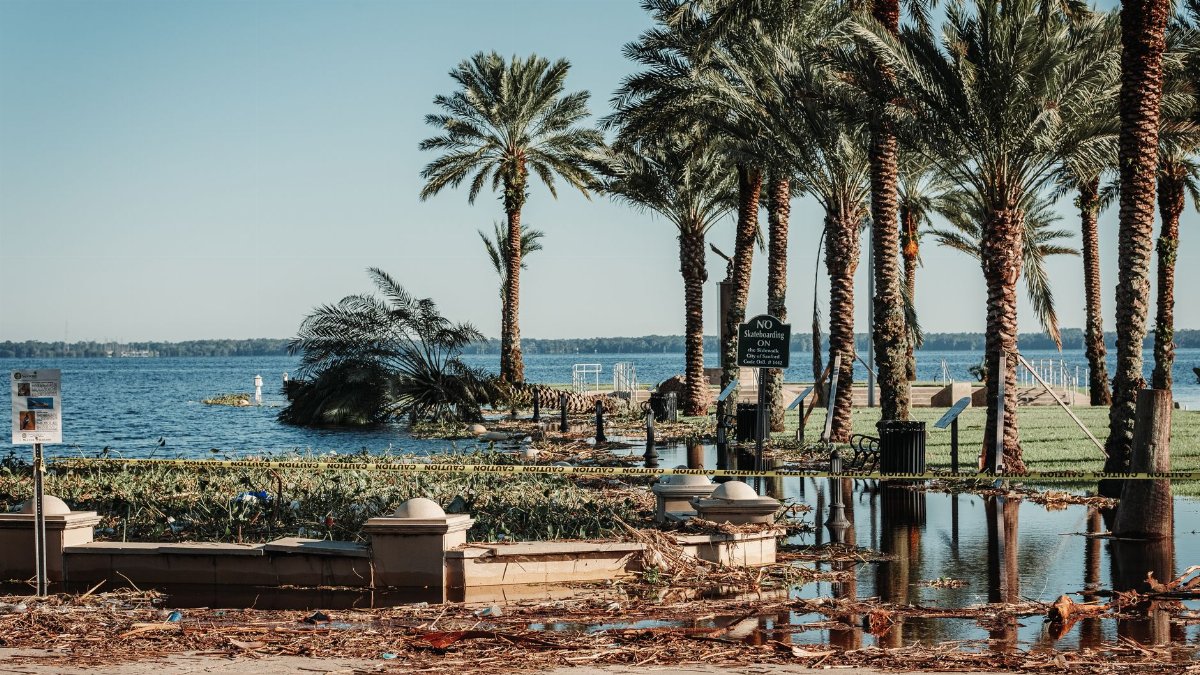
On a morning with no rain in the forecast, salt water still found the white edge line of a coastal street and kept going. Neighbors who have learned the calendar did not wait for a siren. A South Florida king tide, the stretch of the year when ordinary high tides run higher than the charts most people memorize, brought moderate coastal flooding to Miami Dade, Broward, Palm Beach, and Monroe, with the wet pavement expected to persist through Sept. 29. The scene was familiar and still disruptive: slowed cars, damp entryways, and a tide that arrived under a bright sky.
Water without a storm name

The absence of a tropical name is part of what makes this flooding hard to explain to anyone who equates danger with a cone on a map. Moderate coastal flooding means water on roads in low lying spots, some closures, and property at the edge of the shore getting wet. It does not usually mean roofs torn away or a county under evacuation orders. That milder label can hide the inconvenience. A person who cannot leave a driveway for two hours still loses the morning. A shop that mops salt water off the floor three mornings in a row still loses inventory and time. The South Florida king tide does its work in daylight, often with little wind, which is why photos from these days look almost calm and why the damage is easy to underestimate from a highway a mile inland.
How the moon stacks the tide
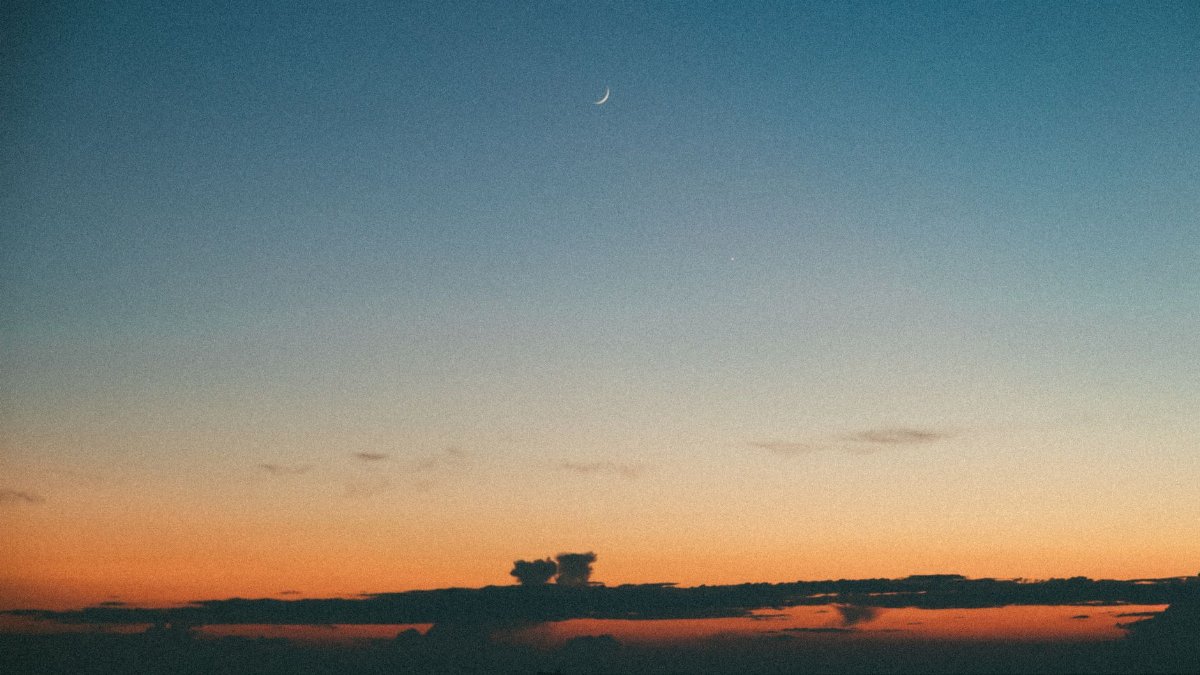
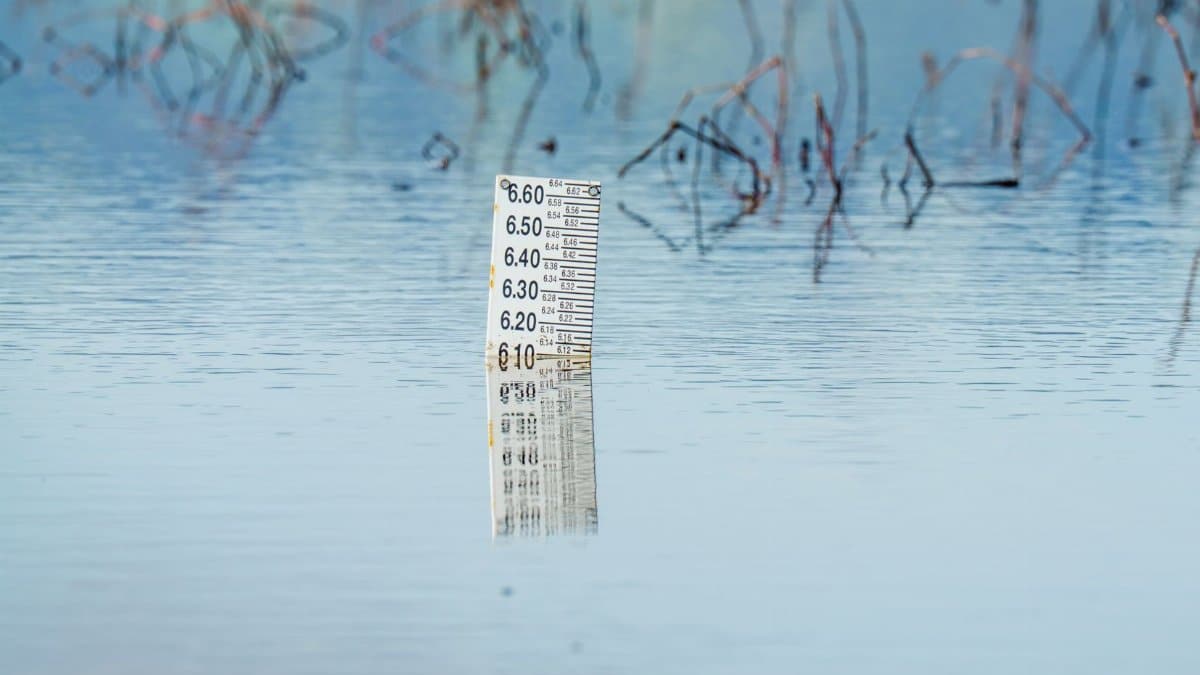
King tides are not a separate kind of tide. They are the highest predicted high tides of the year, produced when the gravitational pull of the moon and the sun line up and the moon sits closer to Earth in its orbit. The National Oceanic and Atmospheric Administration describes them as a regular, predictable part of the tidal cycle rather than a storm surge. Along the Atlantic coast, those peaks often cluster in the fall. Add a seasonal lift in sea level tied to warmer water and shifting currents, and the same astronomical tide reaches farther onto land than it did a generation ago. No special gear is required to see it. A marked pole at the end of a street will do.
Four counties on the same calendar
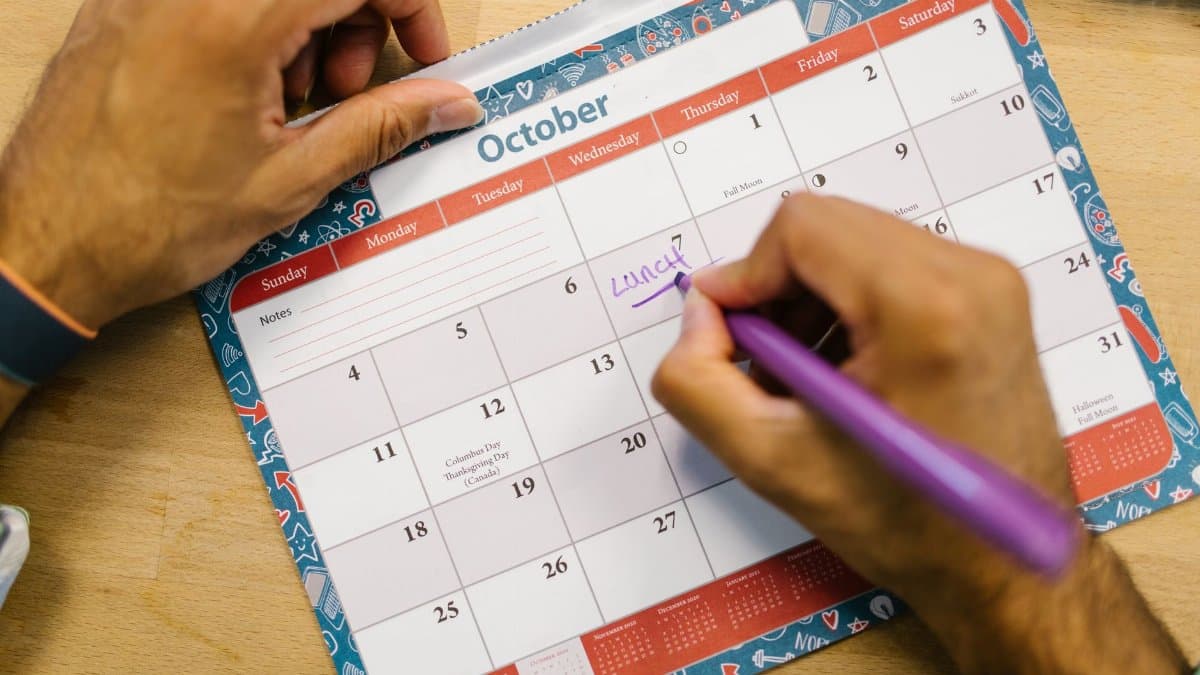
Miami Dade, Broward, Palm Beach, and Monroe do not share one skyline, but they share a tide table close enough that a high cycle can wet all four in the same week. Monroe, strung along the islands, feels it as water against yards and low roads with almost no hill for retreat. Miami Dade sees it in neighborhoods where canals sit a few feet from front doors. Broward and Palm Beach get the same pulse along barrier islands and intracoastal edges, where a few extra inches decide whether a street drains or holds a sheet of water until the tide turns. Calling the event a South Florida king tide is regional shorthand. The water does not stop at a county line. It finds every place where land was built close to the average high water mark.
The morning commute on wet pavement
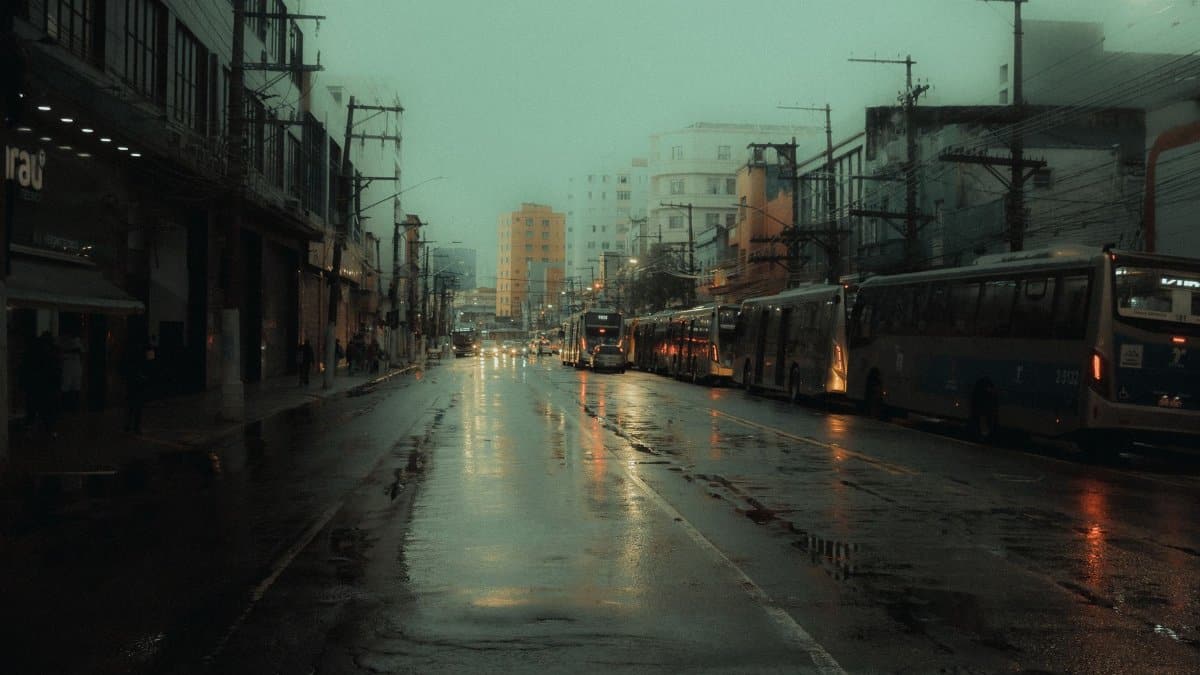
Transportation crews know the corners. So do school bus drivers and people who deliver groceries before noon. When the tide peaks near the start of the workday, the trouble is routing rather than spectacle. Drivers turn around at a flooded intersection and add ten minutes, then twenty. Salt water is harder on brakes and undercarriages than a rain puddle, so some residents park on higher ground the night before and walk. Others learn which lanes stay passable if they keep to the crown of the road. None of that appears in a dramatic alert. It appears in text messages and in small decisions made before coffee. For visitors, the sight can look like a broken drain. For locals, it is the calendar doing what the calendar does.
Why early fall lifts the Atlantic

September is not a random month for high water on this coast. Tidal ranges grow when the moon is new or full and nearer Earth, and those alignments often fall in early autumn on the Atlantic side of the country. Warmer seawater expands, adding a fraction of a foot that would not be there in the middle of winter. Onshore wind can add more, even without a tropical system, by holding water against the coast so it cannot drain as fast as the tide table expects. A calm forecast does not cancel that stack. It only removes rain from the list of reasons the street is wet. People who track the South Florida king tide on a phone are often more accurate about the next six hours than a glance at the radar.
Garages, seawalls, and the first floor
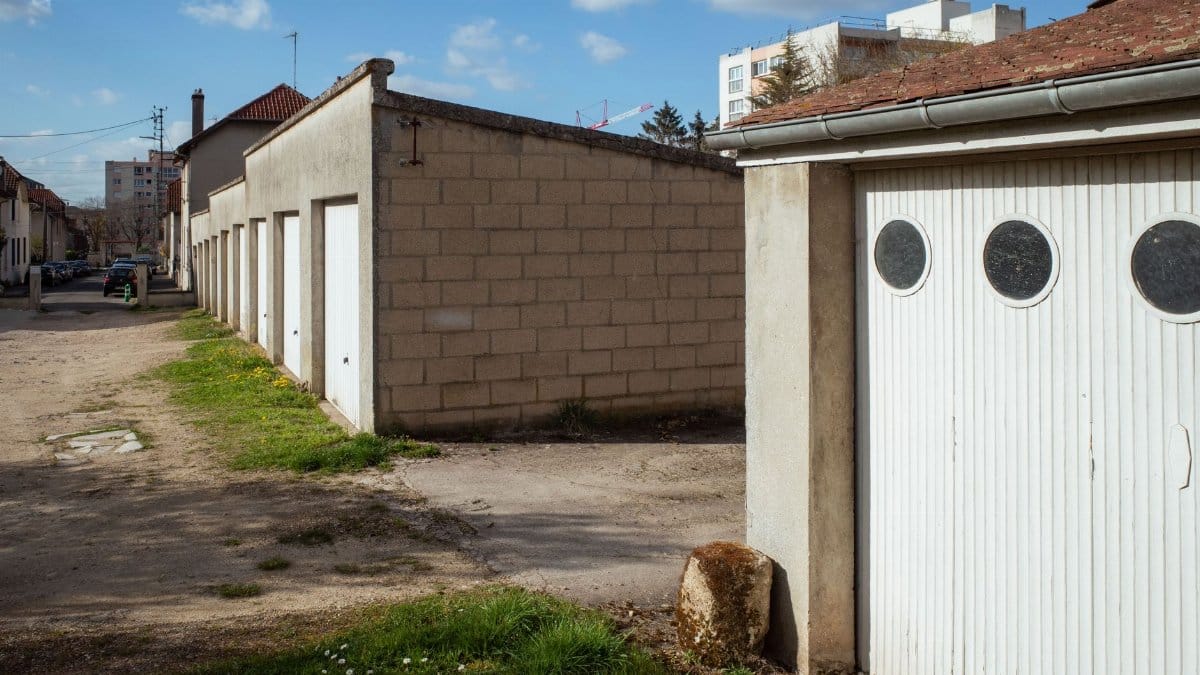
The costly part of a moderate tide is rarely the water in the travel lane. It is what happens at the property line. Garage floors sit lower than living rooms in a great many coastal houses. A few inches over the apron can wet stored boxes, tools, and the base of a water heater. Seawalls that were adequate when they were poured can be overtopped for an hour without failing as structures and still let water through joints and weep holes. Elevators in older condominium buildings near canals are sometimes shut as a precaution. Plants take a salt bath that does not show for a week. Little of this makes a broadcast unless a car stalls in a photogenic spot. It does fill the message thread of a building association.
What gauges catch and what they miss

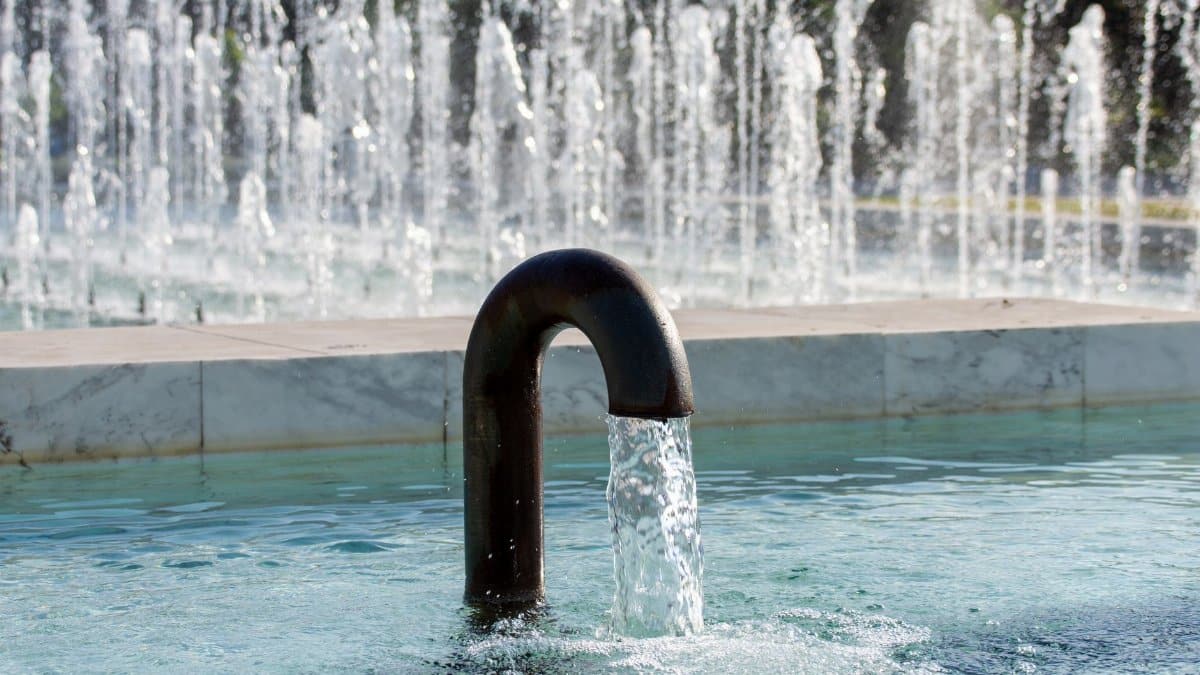
Tide gauges along the coast record the rise and fall in fine increments. Forecasters compare those readings with predictions and issue coastal flood statements when water is likely to cover roads or enter structures. What they cannot do is name every alley that will pond. Local slopes, clogged drains, and a mat of seaweed in a grate change the outcome on a single block. Residents remain the sensors for that last stretch. Cities publish tide outlooks and sometimes close gates or run pumps. Pumps help where they exist and where the outfall is not itself under tide. When the canal beyond the pump sits as high as the street, machinery has less to offer. That limit is physical, not a failure of attention.
Paperwork after a flood in sunshine
Flood insurance is a separate policy from a standard homeowner policy, a distinction many people meet only after a claim. Water from a high tide can fall into an argument about whether it came from the overflow of a tidal body, from a drain that backed up, or from both at once. Records matter: photos with a time stamp, a note of the tide height, a list of what sat on the floor. Moderate flooding rarely produces the total loss images associated with hurricanes, which can lead adjusters and neighbors to treat the loss as small. For a retiree on a fixed income, replacing a ruined washer is not small. County emergency pages tend to share one first instruction with anyone who has filed before. Write down what you see while the water is still there.
The arithmetic of water that returns
One South Florida king tide week does not rewrite a mortgage. A run of them can. Repeated salt exposure corrodes metal, weakens concrete near the waterline, and pulls maintenance forward of any schedule a roof inspector assumed. Buyers ask about flood history in the same tone they once reserved for roof age. Sellers who have lived through these weeks sometimes call them manageable, which can be true and still incomplete. Manageable for a person who can move a car is different from manageable for a person who uses a wheelchair and finds the sidewalk under water at the hour of a medical visit. The pattern is now part of how people talk about staying, selling, or lifting a first floor, even when nobody in the conversation says the words sea level rise.
When the street looks ordinary again
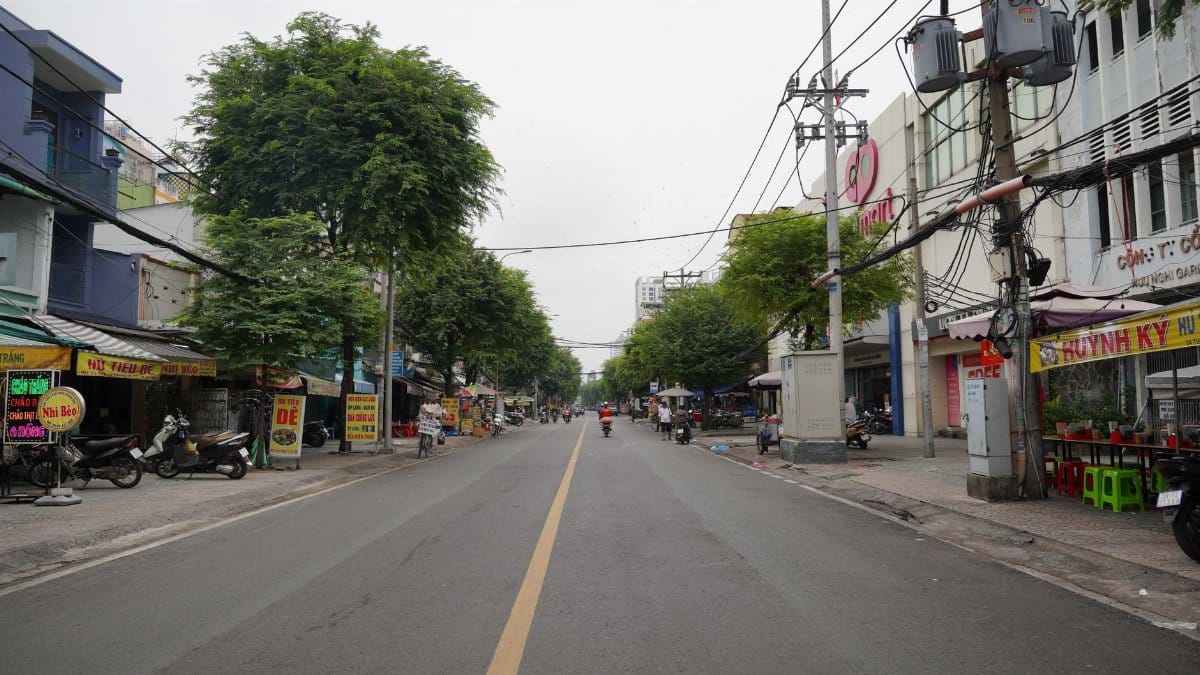
When the tide falls, the pavement can look routine by lunch. That visual reset is why these floods leave the wider conversation so quickly. The salt does not depart with the sheen on the asphalt. It stays in soil, in vehicle frames, and in the memory of which corner failed. Cities that treat the week as a drill, rather than as an oddity, tend to return with clearer detour signs and fewer stalled cars on the next cycle. Residents who treat it as a drill move the bins, the car, and the important papers before the peak, not after a photo spreads. The ocean is not bargaining. It is keeping a schedule anyone with a tide table can read. The useful reply is just as plain. Know the hours, know the low spots, and do not wait for rain before you take the water seriously.