
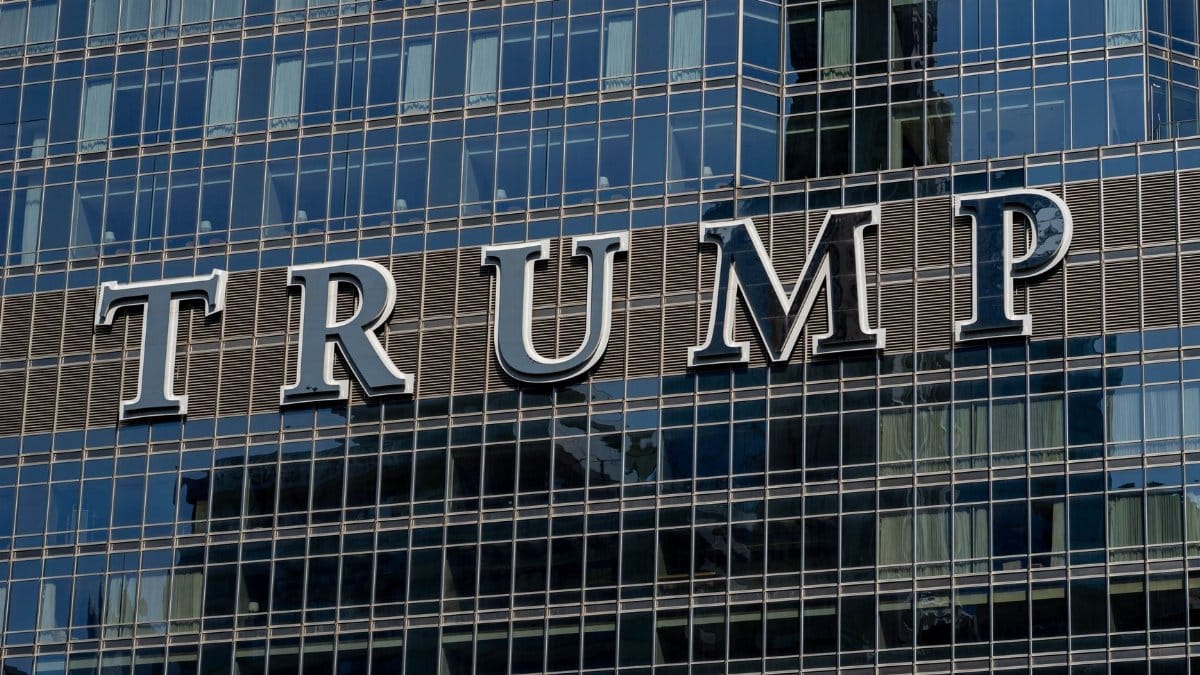
On a humid afternoon when the causeways shimmer and the cruise ships sit like white walls against the bay, a diplomatic sentence landed harder than the weather. Secretary of State Marco Rubio said the White House had asked Russia’s president to come to a December gathering of major economies at Trump National Doral. The Putin G20 Miami invite turned a resort fairway into a possible stage for the hardest conversation in world politics, and it forced Miami to imagine motorcades where golf carts usually roll.
What Rubio Put On The Record
Rubio’s account is the spine of the story. He said the administration extended an invitation for Vladimir Putin to attend the summit planned for December at the Doral property in Miami Dade. That is not a rumor passed through a back channel and then denied. It is a cabinet officer describing a White House request in plain language.
The distinction matters. Summits live and die on protocol. Who is asked, who is merely tolerated, and who is left off the list tells allies as much as any communique. By Rubio’s telling, Moscow was not an afterthought. The ask was deliberate, and it was attached to a specific place and a specific month.
A Resort As A Summit Site
Trump National Doral is not a convention center built for translators and motor pools. It is a private golf resort with ballrooms, fairways, and a brand tied to the president who would host. Choosing it collapses the distance between personal property and public diplomacy in a way few host cities ever attempt.
Miami has hosted hemispheric meetings, trade forums, and the restless traffic of a city that already speaks in several languages before breakfast. It has not, in living memory, been asked to absorb a G20 with this guest at the center of the argument. Hotels along the Biscayne corridor would fill. Security perimeters would redraw ordinary errands. Residents who measure the season by cruise departures would measure December by closed lanes.
Why The Putin G20 Miami Invite Landed Now
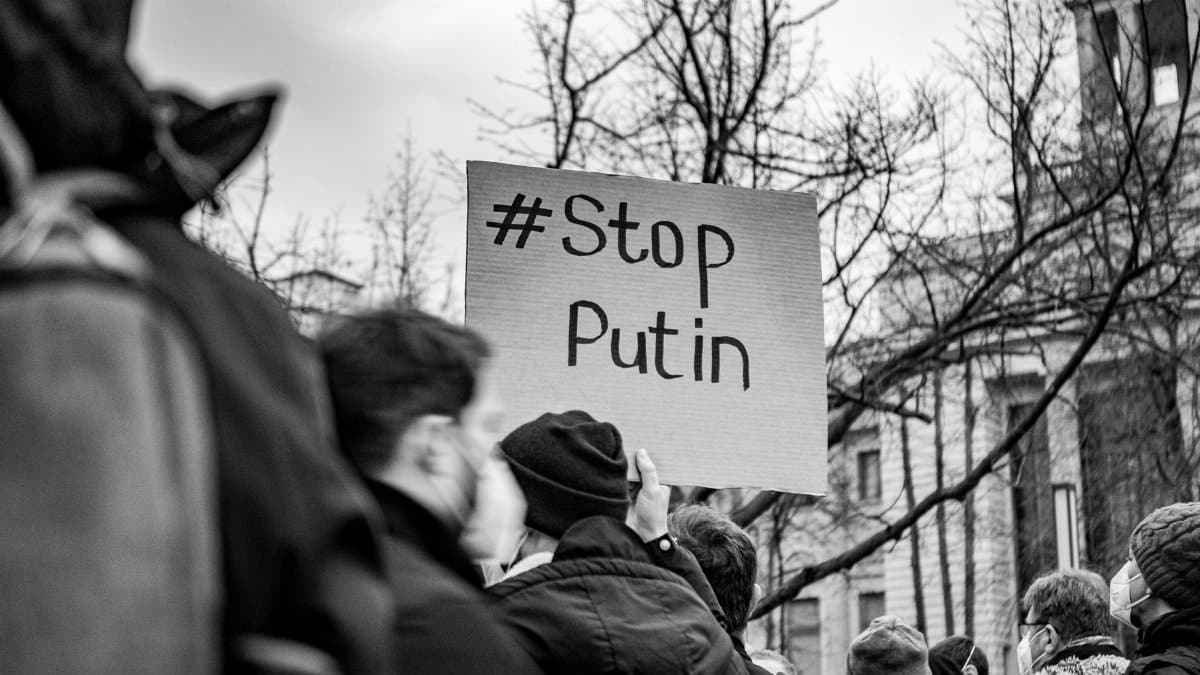
The timing is the second fact, and it is as loaded as the venue. December is late in a political year and early enough that a photograph can still shape the next one. A Putin G20 Miami invite, if accepted, would put the Russian leader on American soil at a moment when the war in Ukraine remains unresolved and when European capitals still argue over weapons, reconstruction, and the price of energy.
Washington has spent years treating Putin’s travel as a signal. An invitation is not a verdict on the war. It is a choice about whether talking in person is worth the picture that talking produces. Rubio’s disclosure forces that choice into public view before any bilateral meeting is even scheduled.
Allies Will Read The Seating Chart

Partners in Europe and Asia do not need a briefing book to understand the optics. If Putin walks into a Miami ballroom under an American invitation, governments that have spent treasure and political capital isolating Moscow will ask what changed and who decided it. Some will come anyway, because the G20 is a ledger of the world economy and absence has its own cost. Others will weigh a boycott, a downgraded delegation, or a statement that tries to separate attendance from endorsement.
None of that is settled by one sentence from a secretary of state. It is set in motion. Foreign ministries plan around possibilities, and a possibility this large rearranges calendars in Paris, Berlin, Tokyo, and Kyiv as surely as it rearranges them in Moscow.
Florida As More Than A Backdrop
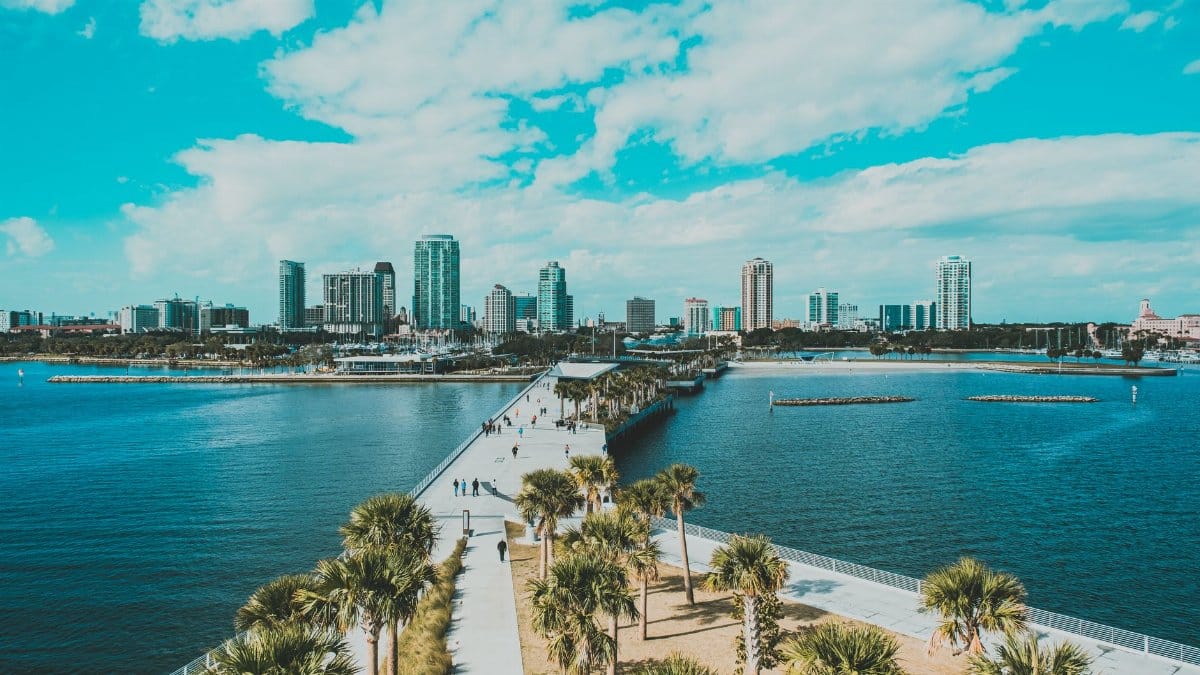
The state is not a neutral stage. Florida’s politics, its Cuban and Venezuelan exile communities, its Ukrainian churches, and its Russian speaking neighborhoods will all hear the same news differently. For some families, a presidential visit from Moscow is a security story. For others it is a moral one. For business owners near the resort it is a week of receipts and roadblocks.
Local officials have not been handed a finished security plan in public view. What they have is a headline that turns Doral from a familiar name on a highway sign into a possible capital for a few days. County emergency managers know how to move a hurricane. Moving a summit with a sanctioned leader is a different craft, and it will be learned in public if the visit proceeds.
What An Invitation Does And Does Not Do
An invitation is not a peace deal. It does not lift sanctions, redraw a border, or return a prisoner. It opens a door and dares the recipient to walk through it. Putin can accept, decline, or answer with conditions that make acceptance impossible. Each reply is a message, and silence is a message too.
American hosts will say, if the meeting happens, that talk is not surrender. Critics will say the photograph is the concession, because photographs outlast footnotes. Both claims can be true at once. That is why the Putin G20 Miami invite is already larger than logistics. It is an argument about whether proximity clarifies or launders.
The Economic Table Still Has To Be Set
The G20 exists to argue about growth, debt, trade, and the plumbing of the global economy. Those files do not pause because one guest is controversial. Finance ministers will still want language on inflation, development lending, and supply chains. If the summit becomes only a referendum on Putin, the economic work either gets done in side rooms or it does not get done at all.
Host governments usually try to protect a core agenda from the drama of one bilateral. That protection is harder when the drama is the reason cameras arrived. Expect communiques that sound technical and hallways that sound nothing like the communiques. The gap between those two registers is where this kind of summit is actually decided.
Security, Law, And The Practical Barriers
Even a willing guest faces a thicket. Airspace permissions, legal exposure, and the mechanics of moving a head of state through a dense American city are not solved by a press remark. Russian aircraft and Russian officials have lived for years inside a web of restrictions. Any visit would require waivers, routes, and a security bubble that federal agencies would have to build from scratch on short notice.
Doral’s layout, with roads, water, and residential edges, is manageable for a tournament and punishing for a head of state whom many governments treat as a threat. None of those problems is a reason the invitation could not have been made. They are reasons acceptance would be only the start of the work.
How The Phrase Traveled

News of the ask moved faster than any official paper. The Putin G20 Miami invite became shorthand in headlines and group chats, a compressed way of saying that the White House had put Putin on a December list in South Florida. Shorthand loses nuance. It does not lose force. Once a phrase like that sticks, officials spend the next weeks explaining what they did and did not mean.
Rubio’s words remain the clearest public account. Until the Kremlin answers, and until the White House publishes a guest list that matches the secretary’s description, the public is left with a confirmed request and an unconfirmed journey.
December As A Test Of Attention

If the month arrives and the visit does not, the episode will still have revealed a preference. Governments show their instincts in the invitations they are willing to defend. If the month arrives and the motorcade does appear, Miami will host a picture that no economic paragraph can bury.
Readers far from Florida have a stake either way. The G20 is one of the few rooms where rivals still sit under the same roof and pretend the roof is the point. Putting Putin in that room, on a golf resort owned by the American president, tests whether the roof can hold. The Putin G20 Miami invite is the test, stated early, in Rubio’s voice, with Doral on the map and December on the calendar.