
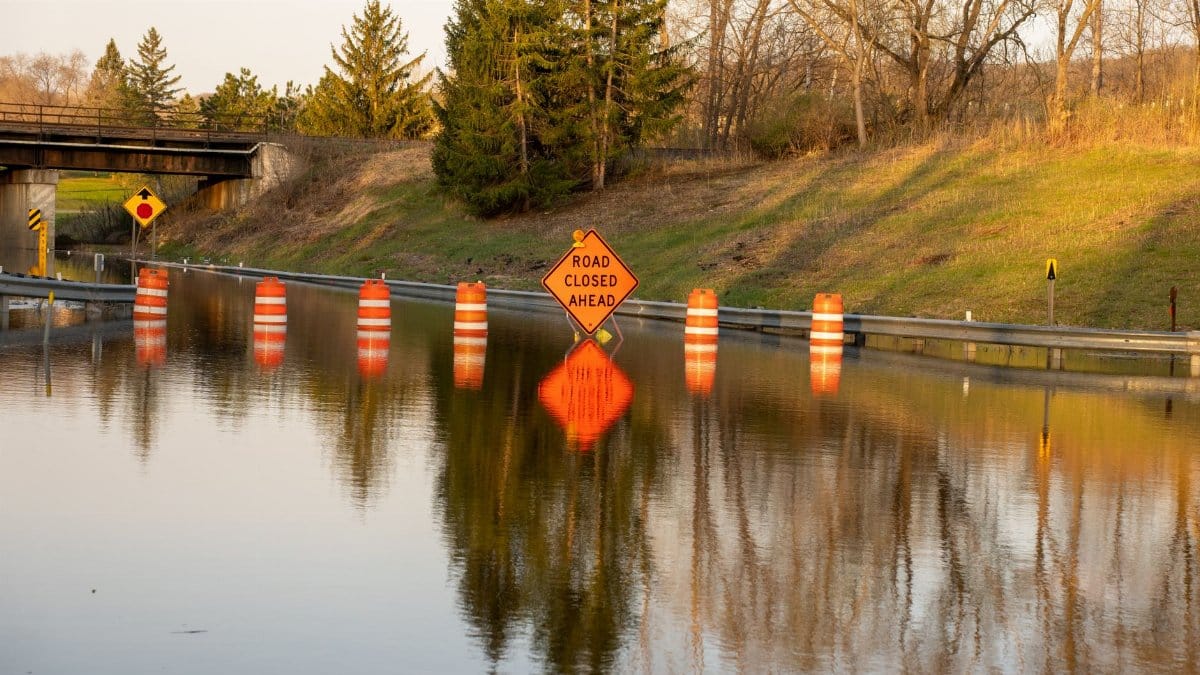
Before the first church bells along the Delaware, the county will already be rearranging itself. Cones will sit where turn lanes usually breathe, and volunteers in bright vests will take the place of the casual wave that lets a neighbor pull out of a driveway. The Delco 10 Miler road closures are the visible cost of a race that sends as many as 2,500 runners from Upper Providence to a finish at Subaru Park in Chester on Sunday, October 4. For anyone who only knows the route as a way to work, worship, or the grocery store, the morning is less a sports calendar item than a temporary rewrite of how Delaware County moves.
A county Sunday with a different clock
Race mornings have their own hour. It arrives earlier than brunch and later than the overnight shift, in that thin band when porch lights are still on and the river looks unfinished. Organizers have built the Delco 10 Miler around that hour for years, and this edition returns with a new course that still begins inland and still ends at the stadium by the water. The promise is simple enough to print on a bib: a measured ten miles, a crowd large enough to feel like an event, and a finish line that already knows how to hold a celebration.
The complication is equally simple. A course is a line drawn across other people’s plans. A new line does not erase the old habits of drivers who use those same streets for church, for a shift at the port, for a visit to a parent, or for the quiet errand that cannot wait until Monday. The race can be joyful and still be an interruption. Both things are true at once, which is why the closures deserve as much attention as the winning time.
What a new course actually changes
A familiar race with a revised map is a particular kind of local news. Runners study elevation and turns. Residents study whether their block is on the line this year or merely near it. The start in Upper Providence and the finish at Subaru Park in Chester fix the two ends. Everything between them is where memory and the new course may disagree. People who avoided a certain intersection last time may discover that the trouble has moved a few blocks, or that a street they assumed was clear is now part of the spectacle.
That uncertainty is not a reason to invent a street by street timetable. Official notices, not secondhand recollection, are what a driver should trust on the morning itself. What can be said without pretending to hold the clipboard is that a point to point race of this length cannot stay on park paths alone. It has to borrow public roads, and borrowing public roads means intervals when through traffic yields to feet.
Upper Providence at the start
Start lines are crowded in a way finish lines are not. Runners arrive in waves, with families, gear bags, and the particular anxiety of people who have trained for months and now have nothing left to do but wait. Upper Providence becomes a temporary village of porta potties, loudspeakers, and the shuffle of shoes on asphalt. Neighbors hear the gathering before they see it. Dogs object. Someone always tries to leave for a diner and finds the usual turn already spoken for.
A civil start depends on more than enthusiasm. It depends on parking that does not block fire lanes, on shuttle plans that actually move, and on a clear understanding that the first mile is not a parade route for casual cars. If you live near the gun, the kindest plan is often the dullest one: leave earlier than pride suggests, or stay home until the pack has gone.
The long middle, where patience lives

The romantic photographs of a road race are rarely taken in mile four. That is where the field strings out, where a volunteer holds a corner with a bored kind of devotion, and where a driver in a line of three cars wonders whether the detour sign is a suggestion or a law. It is a law, in the practical sense that ignoring it puts a runner, a cyclist marshal, or another driver at risk. The middle of the course is also where small businesses feel the morning most sharply. A coffee shop may gain a rush of spectators and lose the regulars who cannot reach the door. A pharmacy may stay open and still watch its parking lot sit strangely empty.
None of that cancels the economic lift a regional race can bring, especially near a finish that already draws people to Chester. It does argue for plain notice. Shop owners plan staffing when they know the street will be slow. Congregations plan overflow parking when they know the usual route to the sanctuary is compromised. The race is a guest. Guests announce themselves.
Chester and the pull of Subaru Park
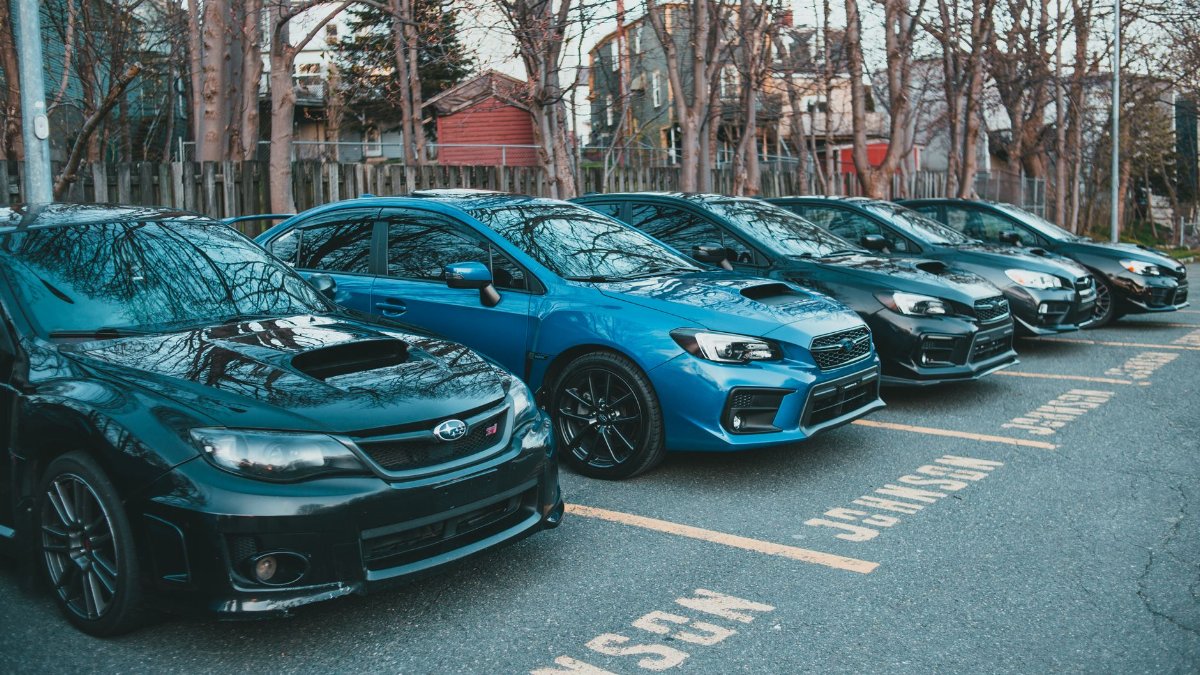
Subaru Park gives the Delco 10 Miler a finish with architecture. The stadium is already a landmark, a place people can picture even if they have never stood on its concourse. Ending there turns a county road race into something with a skyline and a gathering place, which matters for spectators who do not want to chase athletes from corner to corner. It also concentrates arrival. Cars, families, and tired runners all want the same patch of ground at roughly the same time.
Chester has hosted big crowds before, on match days and on other civic occasions. Those days teach a useful lesson. The last half mile is not only a racing problem. It is a pedestrian problem, a transit problem, and a neighborhood problem. People on foot will cross where they should not if the official crossing is a long walk away. Clear barriers and visible staff do more good than another social media reminder posted at dawn.
How many bodies change a road
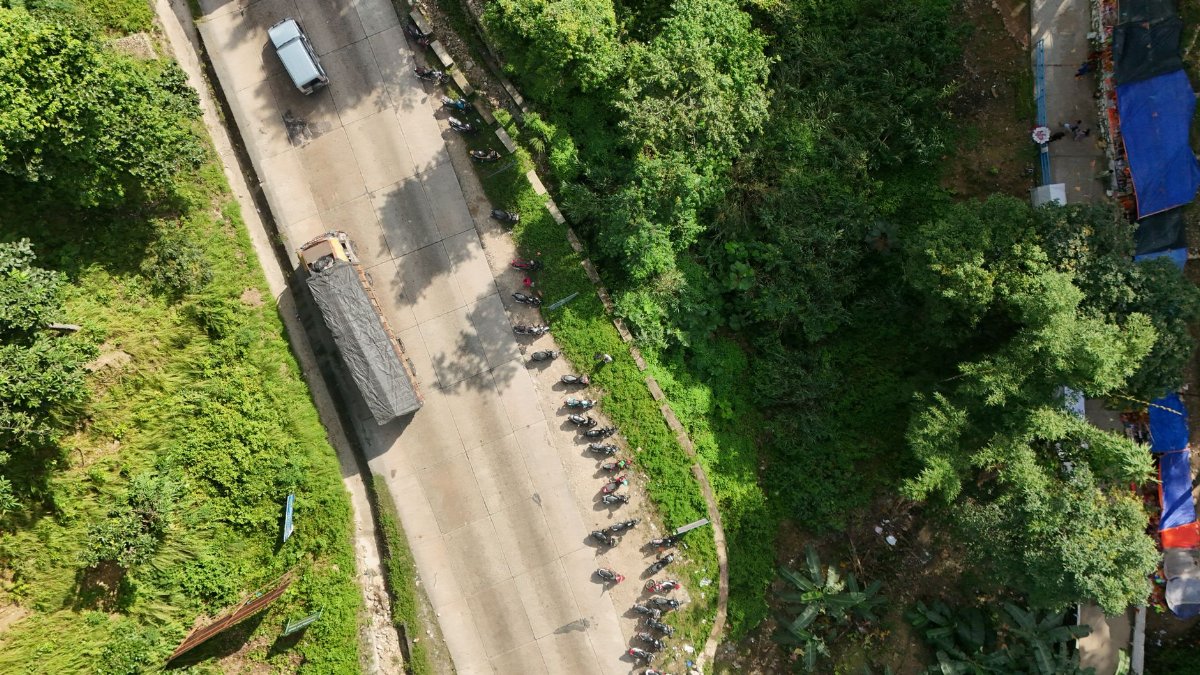
Up to 2,500 runners is not a marathon field, and it is not a fun run of forty friends. It is large enough to own a lane and small enough that local logistics still matter more than national television trucks. Each runner implies other people: a driver, a child with a sign, a friend holding a jacket. Multiply quietly and the county is moving several thousand extra bodies through a corridor that was designed for ordinary Sunday traffic.
That scale is why the Delco 10 Miler road closures cannot be treated as a courtesy cone on an empty street. Even a well managed field needs width, time, and a buffer for medical carts. The runners in the back matter as much as the runners in front. A road that reopens for the leaders and snaps shut on the people still racing is not a finished plan. Residents deserve to know that the closure lasts for the whole field, not for the photograph at the tape.
Faith, routine, and the Sunday collision
October Sundays in Delaware County are already spoken for. Sanctuaries hold services. Youth groups meet. Some families treat the late morning as the one unhurried meal of the week. A road race laid across that calendar does not have to be hostile to it, but it does have to admit the overlap. People of faith are not a side note in a county where church parking lots function as informal town squares. If a closure bends the path to a service, the race and the congregation are sharing a public good, and sharing requires notice that arrives before Saturday night.
There is also a quieter spiritual fact inside the sport itself, if one is willing to use the word without costume. A long run asks for attention, humility, and the willingness to be passed. Those are not sermons. They are habits. On a closed road, strangers cheer for people they will never meet again. The county briefly agrees that speed is not the only thing a street is for. That agreement is fragile, and it frays the moment a driver feels trapped without explanation.
What drivers can reasonably do
The useful posture is neither outrage nor oblivion. Check the official race and municipal notices before leaving. Assume that a street near the course may be slow even if it is not fully closed. Build extra time into any trip that must happen between the start window and the last finishers. If a marshal waves you off a turn, take the wave as information, not as an insult. The person in the vest is trying to keep a runner from meeting a bumper.
Rideshare drivers and delivery workers feel these mornings in their earnings. A detour that looks minor on a map can add enough minutes to sour a shift. Dispatchers who know the corridor can warn customers. Customers who know the corridor can wait. None of that requires a hero. It requires the same boring foresight that keeps a snow day from becoming a pileup.
Runners, residents, and the shared edge
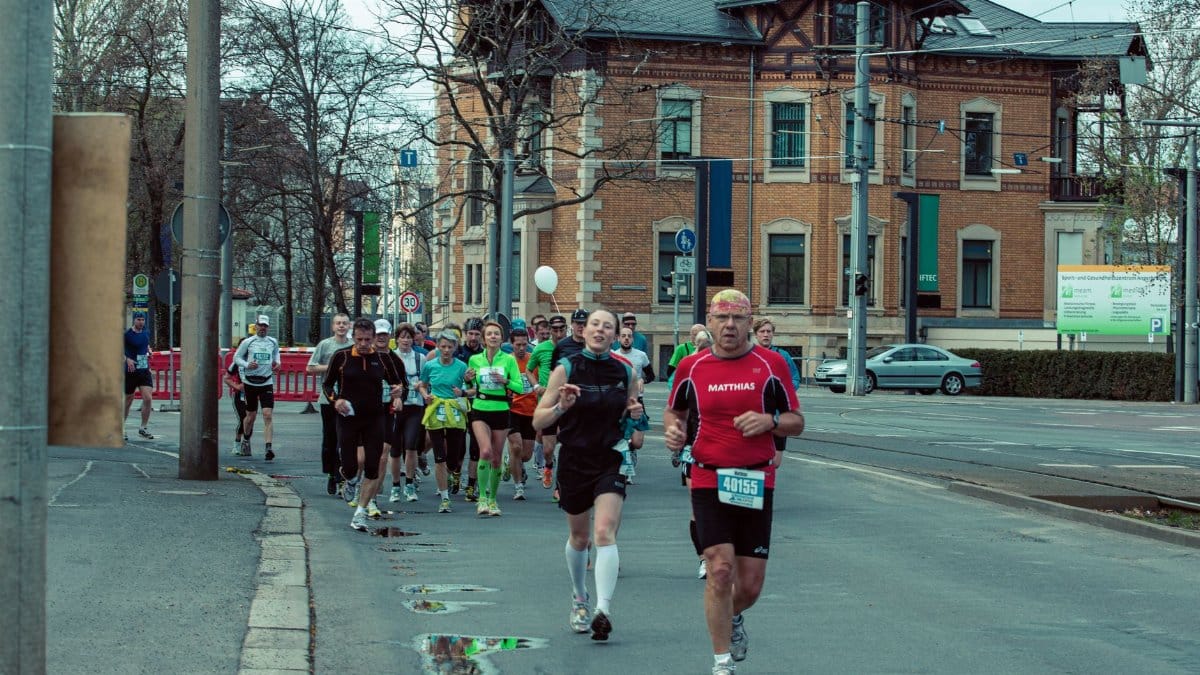
Runners sometimes talk as if the road has been granted to them by destiny. Residents sometimes talk as if a foot race is a vanity project imposed by people who do not pay local taxes. Both speeches miss the actual arrangement. The road belongs to the public, and for a few hours the public has agreed, through permits and police plans, to let a race use it. That agreement includes trash pickup, medical coverage, and a promise to reopen. It also includes the right of a person in a wheelchair, or a parent with a stroller, not to be stranded on the wrong side of a barrier with no crossing.
The new course is a chance to get those edges right. A revised map can fix a dangerous crossing or it can create one. It can spare a narrow residential block or discover it. The test is not whether the course looks elegant on a poster. The test is whether the person who did not register still gets to live Sunday without fear.
Spectators who want the finish without the fuss
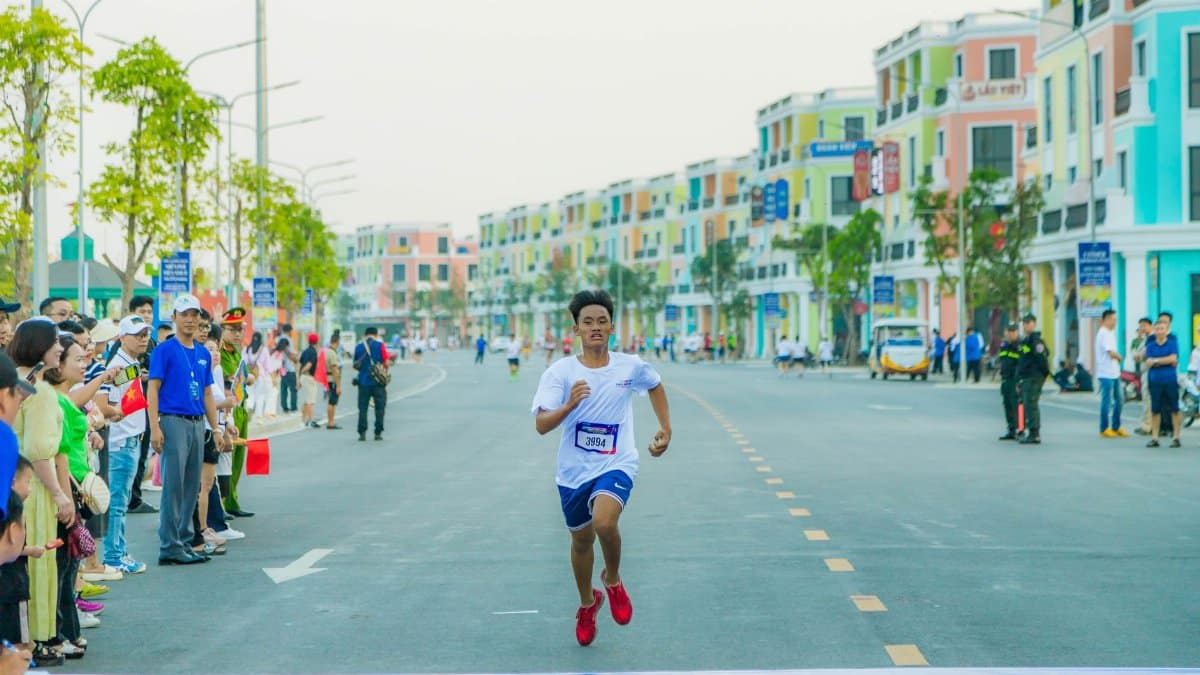
Subaru Park rewards people who arrive with a plan. Public transit, when it is running on a normal Sunday pattern, may be kinder than a car that has to invent a parking space. Walking in from a street the race does not own is often faster than circling a lot that the race does own. Bring less than you think. A folding chair is a liability in a crowd that is trying to see a clock.
If you are meeting a runner, pick a landmark that will still make sense when phones die and voices blur. The finish chute is a poor meeting place. It is designed to move exhausted people forward, not to host reunions. A short walk away, on a corner that stays open, is a better promise. Say the corner out loud the night before. Write it down if your household runs on optimism.
The businesses that absorb the morning

A race spends money, and it also displaces money. Hotels and restaurants near a stadium finish can see a lift from out of town runners who stay for the night and leave on Monday. Corner stores in the middle miles may see a different ledger: a burst of water and bananas, then a lull when regular customers cannot park. Honest coverage holds both columns. Delaware County does not need a fairy tale in which every cone is free advertising.
Owners who have lived through previous editions already know the drill. They tape a note to the door. They tell staff to come from the side street. They decide whether to open late rather than pay a full crew to watch an empty counter. New owners deserve the same briefing the veterans already carry in their heads. A new course is, among other things, a communications job.
Safety is the unglamorous headline

The story that should lead, if newspapers still led with duty, is not the course record. It is whether an ambulance can move, whether a runner who falters is seen, and whether a child on a bike is kept off the racing line. Closed roads reduce one set of risks and create another. Drivers who squeeze past barriers, spectators who step into the lane for a photo, and runners who wear headphones loud enough to miss a shout all reopen the danger the closure was meant to shut.
Weather will edit the plan, as it always does in early October. A mild morning is a gift. A cold rain turns cheer into endurance and makes painted road markings slick. Organizers who have run this event before know the difference between a delay and a cancellation. Spectators should know it too, and should not treat a volunteer’s instruction as optional because the sky looks manageable from a warm car.
Why the closures are the story

It is tempting to file the Delco 10 Miler road closures under inconvenience and move on to the athletic narrative. That filing is how people get stuck, and how trust erodes. The closures are the mechanism that makes the race possible. They are also the mechanism that asks the most from people who did not buy an entry. Treating them as a footnote is how a good county tradition starts to feel like a private party on a public street.
A better frame is contractual. The county lends its roads. The race returns them clean, on time, and with thanks that sound like logistics rather than slogans. Runners get a fair course. Residents get a morning they can plan around. When either side treats the other as scenery, the contract thins. When both sides can say what the morning will actually feel like, the contract holds.
A morning that ends, and a county that resumes
By early afternoon the cones should be gone, or going. Subaru Park will still hold the afterglow: foil blankets, slow walks, the particular quiet of people who have spent what they trained. Upper Providence will sound like itself again. The new course will become, quickly, the course people argue about until the next revision. Someone will have run a personal best. Someone else will have missed a service, or a shift, or a child’s game, because a sign went up too late or a detour was poorly marked.
Those two outcomes can share a Sunday without one erasing the other. The Delco 10 Miler is back, with a start inland, a finish at the water, and a field that may reach 2,500. The Delco 10 Miler road closures are the part of that return that belongs to everyone else. Read the official notice. Leave time. Wave if you can. And remember that the road, once the last runner has passed, is yours again, which was the point of borrowing it in the first place.