
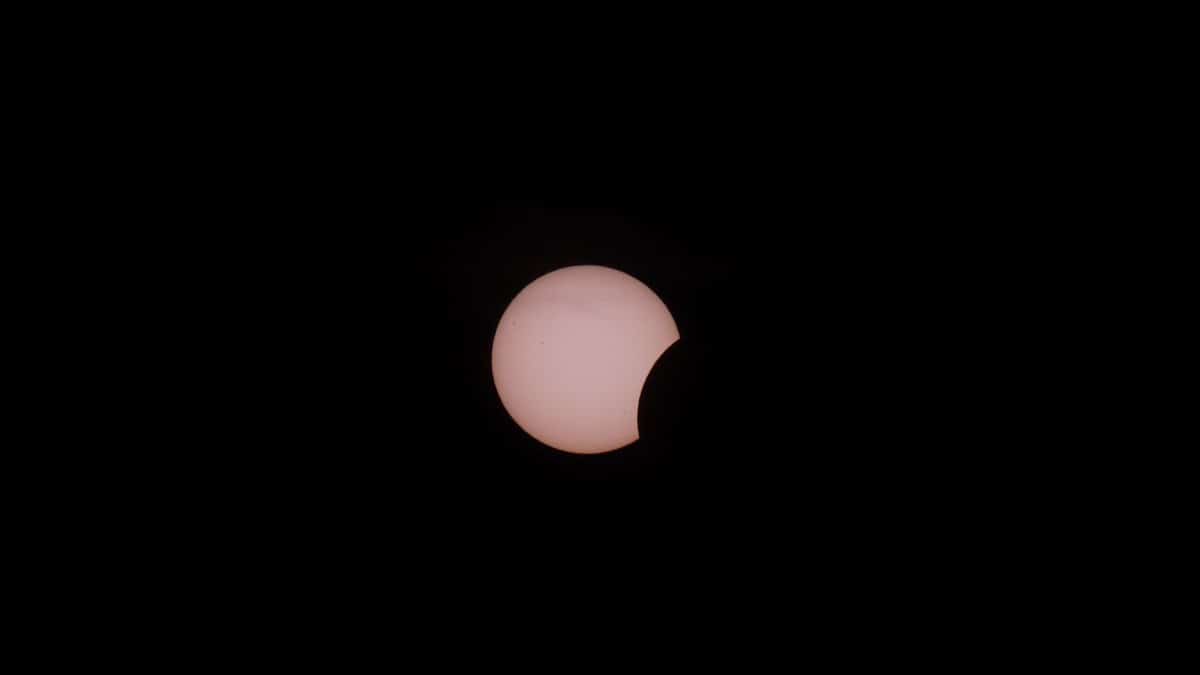
On a clear August afternoon in 2026 many residents of the Great Lakes region may pause to glance skyward in hopes of glimpsing a rare astronomical moment. That occasion centers on solar eclipse Michigan yet the effect will prove far more modest than some anticipate with the moon blocking only a small fraction of the sun. Observers can expect the daylight to dim ever so slightly if at all depending on exact location within the state. This limited display arrives as part of a broader cycle of celestial alignments that have fascinated people for generations. While total eclipses draw crowds to narrow paths of darkness partial ones like the one forecast for Michigan offer a quieter reminder of our place in the solar system. Preparation remains simple and safety always comes first when looking up at the sun.
Background on Eclipse Cycles
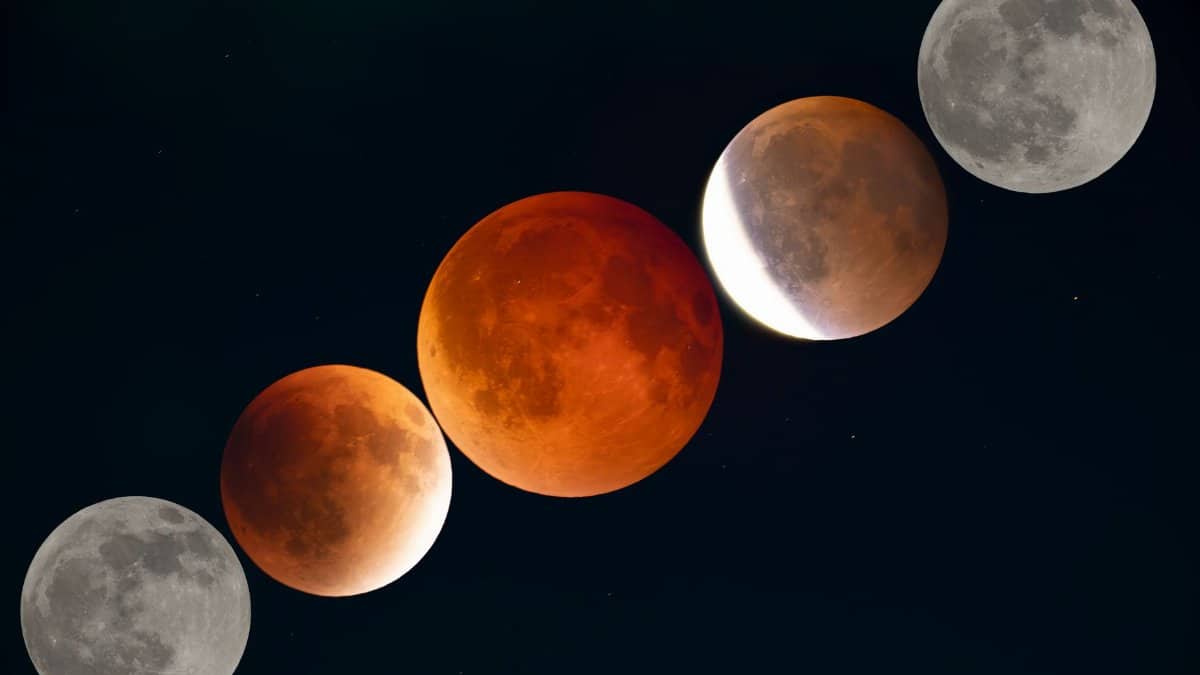
Celestial events unfold according to predictable patterns set by the orbits of Earth and its moon. These cycles repeat over decades and allow scientists to forecast appearances years ahead. Michigan falls outside the path of totality for this particular alignment meaning the moon will cover only a modest portion of the solar disk. Such partial views still provide opportunities for reflection on larger cosmic rhythms that shape seasons and tides alike.
Expected Conditions Across the State
Detroit and surrounding areas stand to see the sun covered at the lower end of the range while locations farther north such as Sault Ste Marie may notice a bit more obscuration. Skies will remain bright overall with no dramatic drop into darkness. Weather patterns in mid August often include scattered clouds that could interfere with views so checking forecasts the day before proves wise.
Timing and Local Observations
The peak moment arrives in the afternoon hours when the sun sits high overhead. Exact minutes vary by a few ticks from one city to another yet the entire episode lasts less than two hours from start to finish. People in urban parks or rural fields alike can step outside briefly to note the subtle change without special equipment beyond proper eye protection.
Safety Measures for Viewers

Direct sunlight even when partly blocked demands certified solar filters or eclipse glasses to prevent eye damage. Regular sunglasses fall short of the needed protection and should never substitute. Groups planning gatherings benefit from distributing approved viewers ahead of time so everyone can participate safely and comfortably.
Scientific Interest in the Event
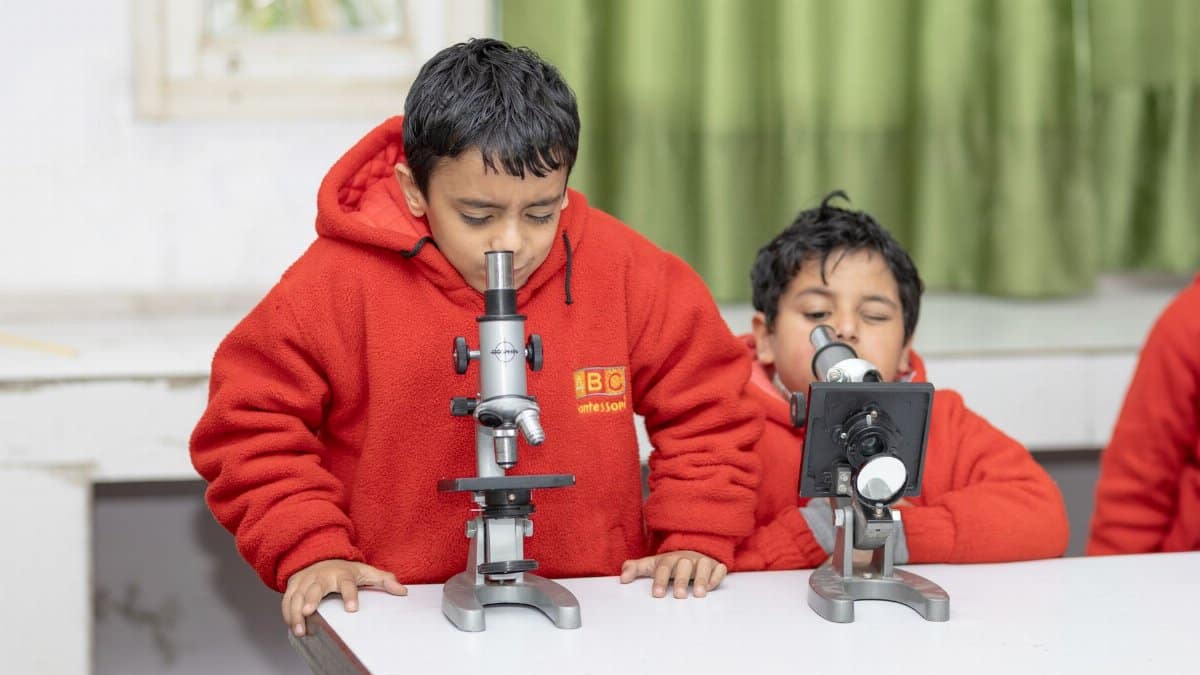
Researchers track these alignments to refine models of lunar motion and solar output. Data collected during even partial eclipses adds to long term records that help predict future occurrences. Universities across the Midwest often organize small observation teams to gather measurements and share findings with the public through open lectures.
Public Reaction and Gatherings
Community centers and planetariums typically host viewing sessions that combine education with a sense of shared wonder. Families bring children to learn basic astronomy while seniors recall earlier eclipses they witnessed decades ago. These gatherings foster conversations that extend beyond the sky itself into topics of science history and natural beauty.
Comparison with Past Michigan Events
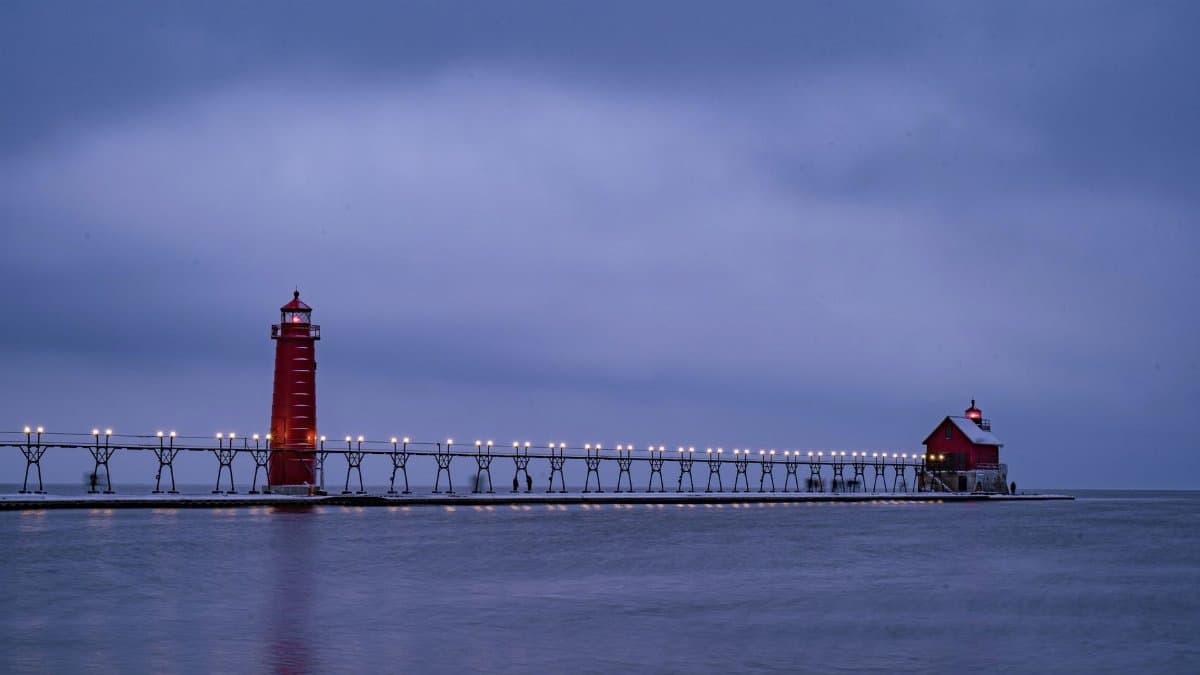
Earlier partial eclipses visible from the state offered similar modest coverage and left many residents surprised by how little the light changed. Memories of those days highlight the value of realistic expectations rather than overhyped promises. Each new alignment builds on that collective experience and encourages better planning for the next one.
Broader Cultural Meanings

Throughout history societies have attached spiritual or symbolic weight to solar disappearances. In modern times the focus tends toward appreciation of natural order and the rarity of precise alignments. Michigan residents may find personal meaning in pausing amid busy routines to acknowledge forces larger than daily concerns.
Practical Viewing Advice

Choose an open spot with a clear southern view since the sun travels across that portion of the sky. Bring a blanket or chair for comfort during the wait and pack water for warm weather. Simple pinhole projectors made from household items allow indirect observation that complements direct looks through filters.
Future Eclipse Prospects
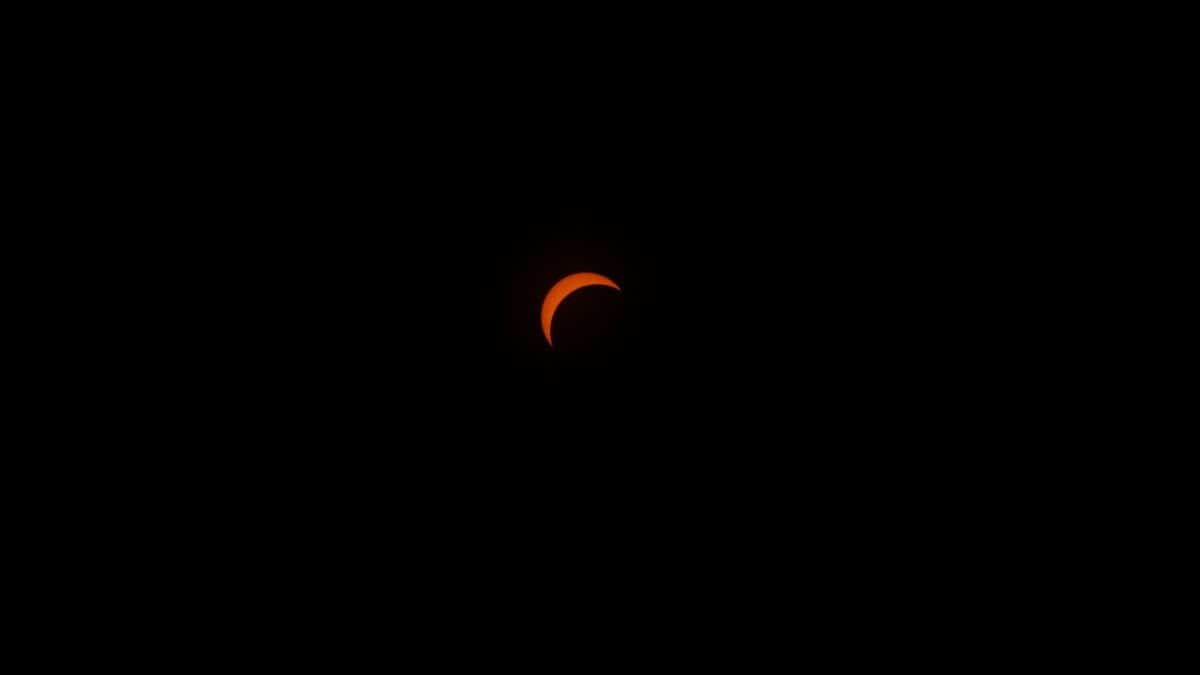
Subsequent events will follow similar paths with varying degrees of visibility for northern states. Tracking these cycles helps communities prepare educational programs and public safety campaigns well in advance. Continued interest ensures that each appearance adds to a growing body of shared knowledge about the sky above.