
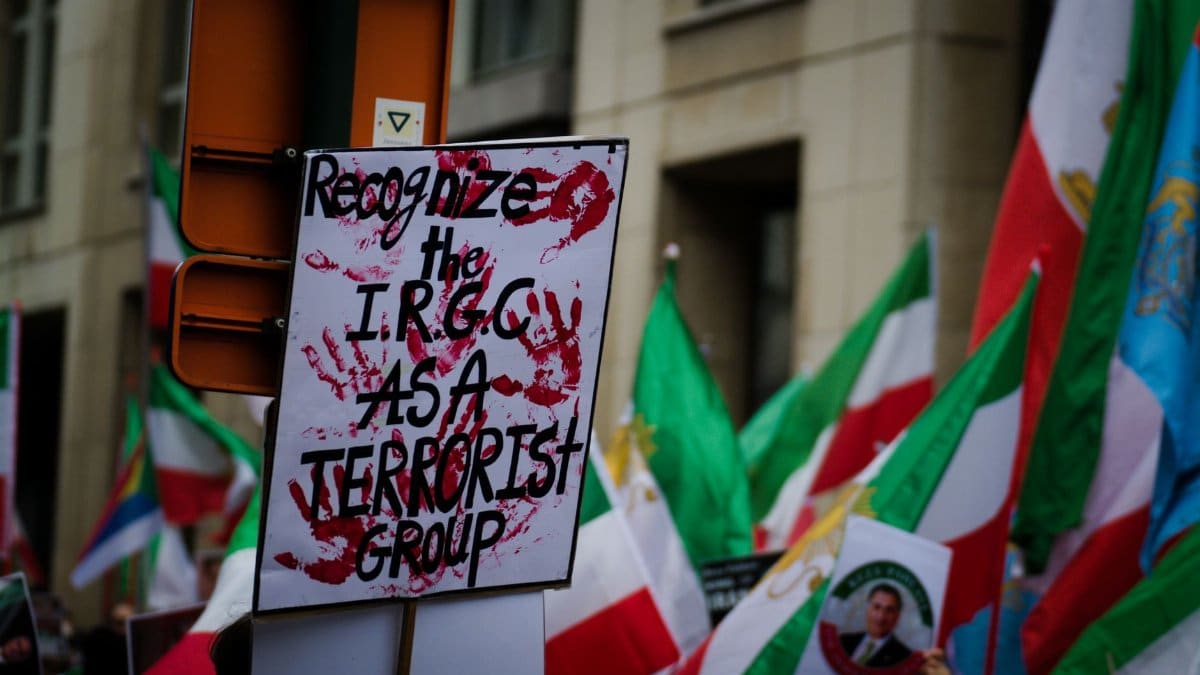
In a Tallahassee hearing room better known for budgets and land deals, Florida’s elected Cabinet attached a terrorism label to a roster long enough to fill several pages. Reporting on the vote describes Florida terrorist designations that reach past familiar foreign actors and into organizations with offices, donors, and worship communities inside the United States. The list, as summarized in state political coverage and echoed in the governor’s own framing, runs past 90 names. It includes drug cartels, Iran’s Revolutionary Guard, the Muslim Brotherhood, and CAIR. For residents who never follow Cabinet agendas, the question is no longer abstract. A state government has decided that some groups are not merely controversial. They are, in Florida’s official language, terrorist organizations.
A vote that treats labels as policy
Governor Ron DeSantis and the Cabinet did not invent the idea of naming enemies of the public order. Washington has maintained foreign terrorist lists for decades, and banks, airlines, and charities already live inside that federal architecture. What changed in Florida is the author of the list and the mix of names on it. A state cabinet, not the State Department, is now telling agencies, contractors, and the public which organizations deserve the harshest political category available in American civic life.
Supporters describe the move as clarity. They argue that Florida should not wait on Washington when cartels kill, when Iranian forces target Americans, or when officials believe a group’s ideology shades into violence. Critics hear something else: a political document dressed as a security finding, issued by officials who face voters rather than by intelligence analysts bound to classified standards. Both readings can be true at once. A label can be sincere and still be too blunt for the institutions it will touch.
Names that mix cartels, militias, and advocacy groups

The public summary of the action does not read like a single category. Cartels sit beside Iran’s Revolutionary Guard. Networks associated with foreign militant movements sit beside the Muslim Brotherhood and CAIR, a civil rights group that has spent years in American courtrooms and newsrooms. That mix is the story. A designation aimed at a trafficking syndicate and a designation aimed at a domestic advocacy organization do not carry the same moral weight, even if they share a heading on a state document.
Readers should notice what a shared heading conceals. A cartel’s business is violence and contraband. The Revolutionary Guard is an arm of a foreign state already treated as a grave threat by successive American administrations. CAIR presents itself as a defender of Muslim civil rights, and its leaders reject any tie to terrorism. Placing those actors in one rhetorical frame invites the public to treat disagreement, foreign policy, and organized crime as variations of the same fact. They are not.
CAIR, the Brotherhood, and a fight over identity

The inclusion of CAIR and the Muslim Brotherhood will dominate sermons, group chats, and law school panels long after the cartels fade into the background of the announcement. For many Muslim Floridians, the names are not abstractions. They are the organizations relatives donate to, the speakers who appear at interfaith dinners, and the lawyers who take discrimination cases when a student is harassed at school. A terrorism label, even one issued by a state rather than by federal prosecutors, lands in that intimate space.
Officials who back the listing argue that ideology matters, and that the Brotherhood’s history abroad cannot be waved away because an American affiliate uses the language of rights. Opponents answer that guilt by association is not evidence, and that American law already has tools for material support, fraud, and violence when facts exist. The argument is old. What is new is a state seal on one side of it. Faith leaders who have spent years asking neighbors not to confuse a mosque with a militia now have to explain a Cabinet document that, to a hurried reader, seems to do exactly that.
What Florida can enforce on its own
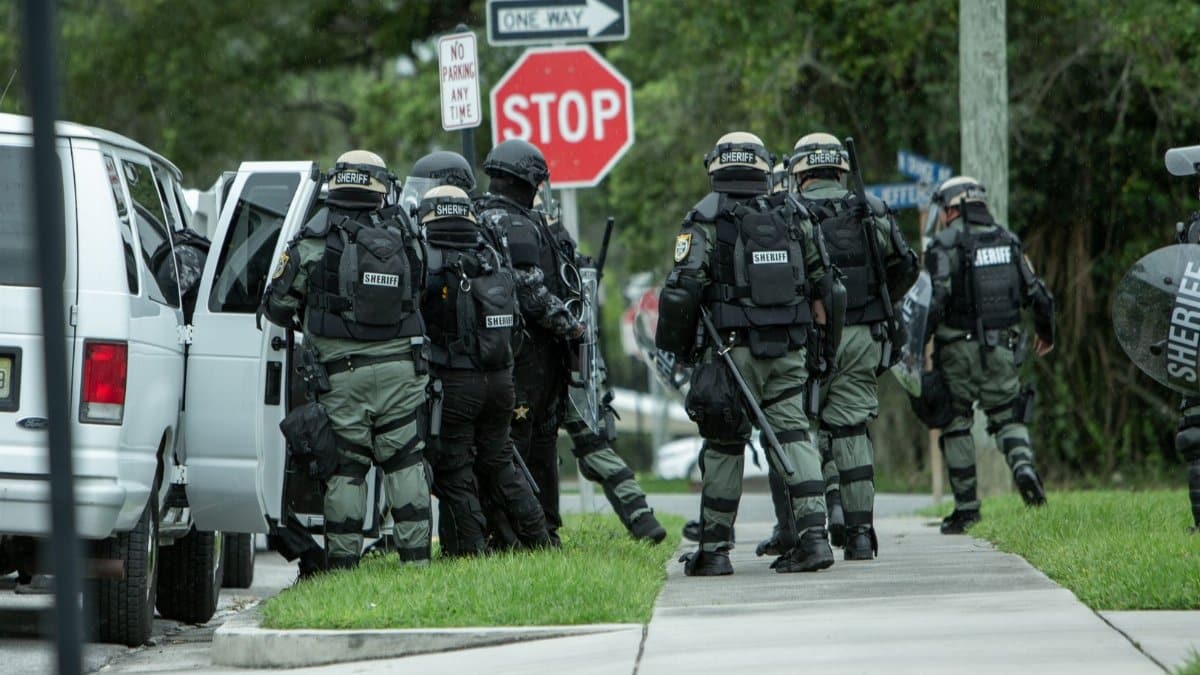
A state designation is not a federal indictment. Florida cannot, by itself, freeze overseas bank accounts, ground international flights, or rewrite the State Department’s formal lists. What it can do is narrower and still serious. Contracting rules, grant eligibility, university partnerships, and the tone of law enforcement briefings all sit inside state power. A name on a Cabinet list can become a reason a public college declines a speaker, a reason a charity loses a local partner, or a reason an officer treats a routine inquiry as something darker.
That is why procedure matters as much as rhetoric. If the list is a political resolution with few binding consequences, it is still a megaphone. If agencies treat it as operational guidance, it becomes policy without the hearings, discovery, and appeals that criminal cases require. Residents deserve a plain account of which door the label actually opens. Vague warnings about vigilance are not a substitute for that account.
The federal list and the state list do not match

Washington’s terrorism designations follow statutes, interagency review, and, in many cases, public notices that groups can contest. Those processes are imperfect. They have been accused of secrecy, delay, and political pressure. They are still a different animal from a state cabinet vote built for a news cycle and a governing agenda. When Florida terrorist designations diverge from the federal inventory, banks and employers face a practical puzzle. Which list governs a wire transfer, a campus club, or a background check for a public job?
Divergence is not automatically wrong. States often move faster than Congress, and Florida has argued for years that cartels should be treated with the seriousness reserved for foreign terrorist groups. The harder problem is selectivity. A list that is tough on some adversaries and expansive toward domestic religious advocacy will be read, fairly or not, as a statement about who belongs. National security language loses force when it is asked to carry cultural grievance at the same time.
Civil liberties lawyers read the fine print

Expect lawsuits, and expect them to focus less on foreign militaries than on speech and association. American courts have been wary of punishing people for membership in unpopular groups absent a clear tie to criminal conduct. A formal state label does not erase the First Amendment. It does create a record that plaintiffs can cite when they claim stigma, lost contracts, or chilled donations. Defense lawyers will ask who compiled the names, what evidence standard was used, and whether targets had any chance to respond before the vote.
Those questions are not technical quibbles. They are the difference between a government that accuses in public and a government that convicts in court. If the Cabinet relied on public reports, prior federal findings, and political judgment, it should say so. If it relied on classified assertions that cannot be tested, a state designation starts to look like a shadow process. Transparency will not satisfy every critic. Silence will satisfy almost none of the ones who litigate.
Mosques, donors, and the chill on faith life
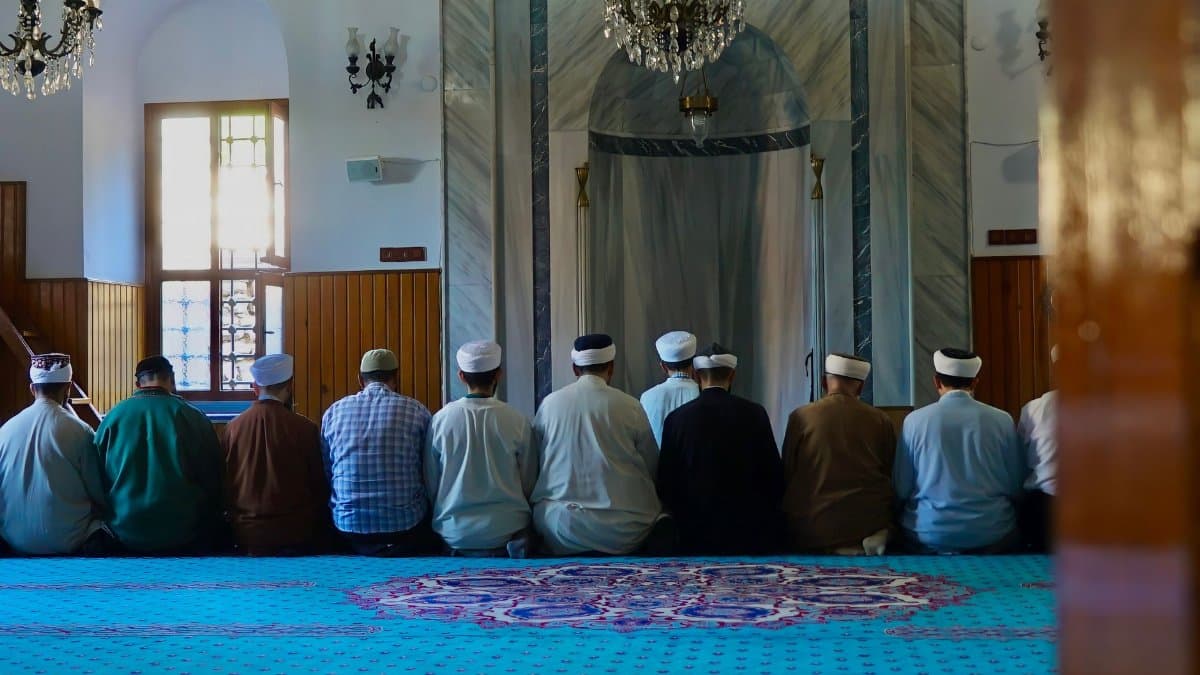
This fight will not stay in Tallahassee. It will show up in congregational budgets and in the small decisions families make about visibility. A donor who already worries about being misunderstood may skip a gift. A student group may soften its name. An imam may decline a panel on foreign policy because the downside now includes a sentence in a state document. None of that requires a raid or a prosecution. Stigma does the work quietly, which is why people of faith notice labels even when lawyers insist the labels lack teeth.
There is a counterweight worth stating plainly. Religious communities are not exempt from scrutiny when members commit crimes, and no sermon should be used to launder violence. The adult task is to hold both thoughts without collapsing them. Scrutiny of conduct is law enforcement. Scrutiny of identity, applied through a terrorism heading to groups that operate openly in American civic life, is something closer to a political theology. Florida terrorist designations that sweep advocacy organizations into that heading ask churches, synagogues, and mosques to decide whether solidarity is now a risk.
Politics in an election climate
DeSantis has built a national profile on culture fights and on a promise of muscular executive government. A Cabinet list of more than 90 terrorist organizations fits that profile. It is legible on a campaign stage. It signals alignment with voters who want cartels treated as wartime enemies and who distrust Muslim political organizations after years of argument about the Brotherhood. Opponents will call it theater. Theater can still reorganize institutions. School boards, state vendors, and local sheriffs take cues from the capital even when the legal effect is disputed.
The electoral reading does not erase the security reading. Floridians bury people killed by fentanyl and by gang conflict tied to transnational supply chains. A governor who talks only about civil liberties and never about those deaths will sound detached. A governor who talks only about designations and never about due process will sound reckless. The grown version of this debate admits both bodies and both rights. It does not pretend that a single list settles either ledger.
Courts will test the outer edge

Judges are unlikely to rewrite foreign policy from a Florida courtroom, and they are unlikely to order the Cabinet to praise groups it condemns. They may, however, limit how the list can be used. A ban on state contracts, a threat to professional licenses, or a directive that treats association as suspicion could draw constitutional lines. Groups that are already designated by Washington will have a weaker story. Groups that are not, and that function as domestic advocates, will have a stronger one. The outer edge of the list is where the case law will be made.
Until those cases ripen, ambiguity is the policy. Agencies will guess. Activists will fundraise. Partisan media will flatten every name into a single villain or a single martyr. That flattening is a civic loss. A careful reader can oppose cartel violence, regard the Revolutionary Guard as a hostile arm of a hostile state, and still demand evidence before a civil rights nonprofit is spoken of in the same breath. Those positions are compatible. The Cabinet document, as presented to the public, does not make the compatibility obvious.
What residents should demand next

The useful response is not a slogan. It is a set of questions any administration, of either party, should have to answer in ordinary language. Which entries rest on federal findings already tested in public? Which entries rest on ideology, foreign affiliation, or political judgment? What may a state university, a county, or a charity do differently on Monday because of the vote? Who can petition to be removed, and on what timeline? If those answers are thin, the list is a message. Messages can be honest. They should not be mistaken for trials.
Florida terrorist designations will be cited in sermons, in campaign ads, and in lawsuits that outlast this news cycle. The serious test is whether the state can distinguish a trafficking empire from a congregation’s legal advocate without pretending the distinction is naive. Security policy that cannot make that distinction teaches the public to fear categories of people rather than acts. That lesson is costly, and it is not required by any honest account of the threats Florida actually faces.