

On a humid evening along Interstate 10, the glow from a furniture showroom already competes with brake lights. City leaders in Katy are deciding whether that glow should be allowed to change, scroll, and sell after dark. The debate began with a business request and has widened to school marquees, church boards, and the commercial strip that defines the western approach to Houston. Residents who want a calmer night sky are meeting merchants who say a static panel cannot compete with neighboring cities. The Katy digital sign ordinance sits at the center of that argument, a local rule with consequences for safety, commerce, and the look of a fast growing suburb.
A furniture request opened a wider fight

The immediate spark was commercial, not civic. A furniture retailer wanted more freedom to use an electronic board, the kind of screen that can swap a sale price for a financing offer without a crew and a ladder. In a corridor where shoppers decide in a few seconds whether to exit, that flexibility is not a small convenience. It is the difference between a message that matches inventory and a panel that goes stale.
Once the request reached city hall, it stopped being only about sofas. Schools asked why a store could press for motion and color while a campus marquee still had to behave like a printed poster. Churches asked the same question about service times, storm closures, and food drives. Officials found themselves holding a rule written for one kind of sign and a community full of institutions that all want to speak in light.
What the current rules are trying to protect

Sign rules rarely begin as aesthetic essays. They begin as attempts to keep a street readable. A city limits height so a board does not tower over a house. It limits brightness so a bedroom does not glow at midnight. It limits motion so a driver is not pulled from the lane ahead toward a flashing price.
Katy grew up against a freeway that already shouts. The local code has tried, with mixed success, to keep the shout from spilling onto side streets and into neighborhoods that were quiet when the lots were still fields. Static signs, modest electronic boards, and stricter treatment of large digital faces have been the tools. Any rewrite of the Katy digital sign ordinance has to say which of those tools still fit a city that is no longer a small town on the edge of Houston.
Brightness, motion, and the person behind the wheel
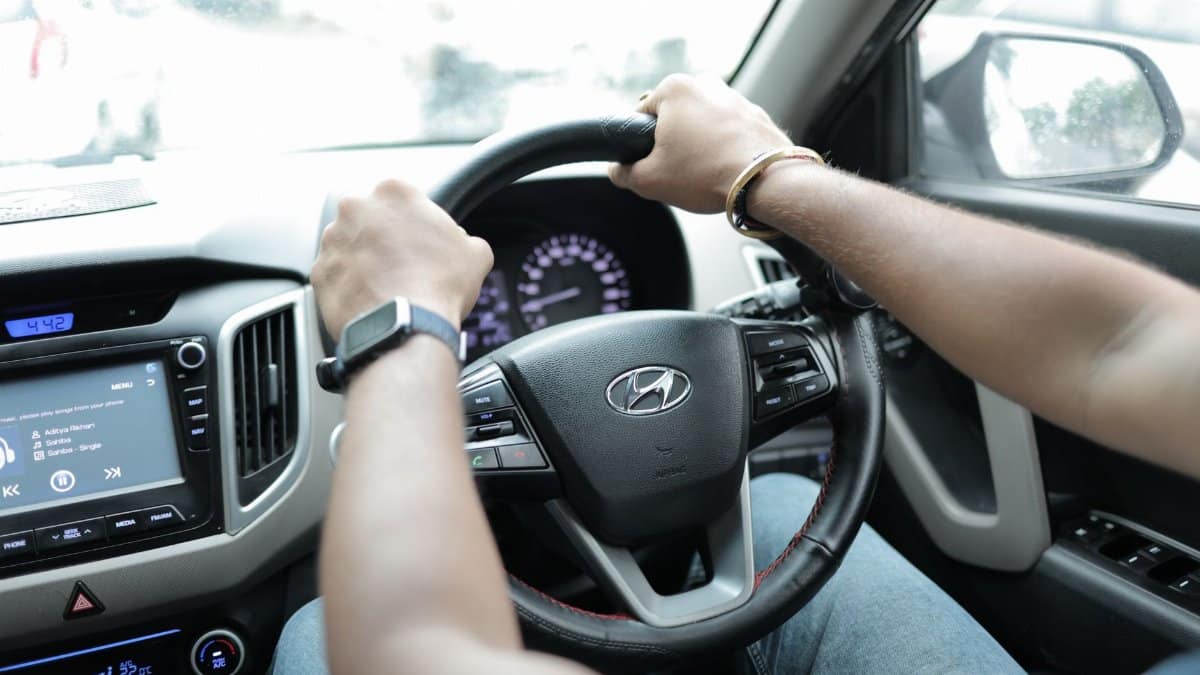
The safety argument is the one that slows the room. A digital face can be dimmed. It can also be set too bright, left on a harsh white, or programmed to change often enough that the eye treats it as movement. Transportation officials across the country have spent years arguing about how much of that movement a driver can ignore. Local residents do not need a national study to describe the feeling. They know when a board seems to leap out of the dark beside an exit ramp.
Looser rules do not have to mean a free for all. A city can allow a message to change and still cap how often it changes. It can allow color and still require the light to drop after a set hour. It can treat a school marquee on a local street differently from a towering face aimed at freeway traffic. The hard part is writing those differences clearly enough that an inspector, a business owner, and a neighbor can all tell what is allowed on a Tuesday night.
School marquees and the case for a louder bulletin
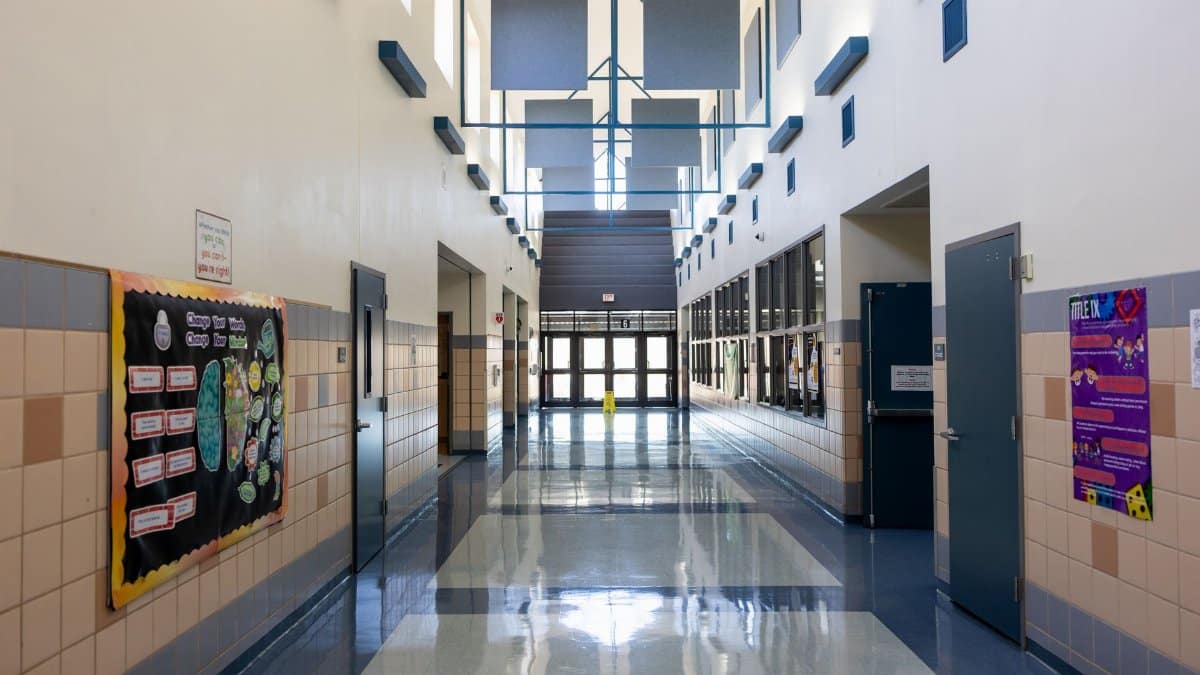
Campus signs occupy an awkward middle. They are not billboards, and they are not purely private advertising. A principal wants parents to see a game time, a weather delay, or a reminder about enrollment without printing a new banner every week. Under the Katy digital sign ordinance, that practical need collides with rules designed to restrain commercial spectacle.
Parents tend to sympathize. A marquee that cannot update feels like a locked bulletin board in an age when every other notice arrives on a phone. Critics answer that a school still sits beside homes, and a bright board does not become gentle because the message is about band practice. The fair question is whether the city can grant campuses a wider set of messages while keeping the same limits on glare, hours, and the speed of change that it would impose on a retailer.
Congregations and the weekend message

Faith communities have a similar plea, and in Katy it is not a side note. Churches, temples, and mosques use roadside boards to announce worship, funerals, blood drives, and the ordinary invitations that hold a congregation together. Many of those buildings sit on arterials where a static panel is easy to miss at fifty miles an hour. A digital face lets a small staff post a new line without a workday on a ladder.
That does not settle the light. A scripture verse can glare as harshly as a mattress sale. Neighbors who support the mission still want the board dark, or at least dim, when the service is over and the street is trying to sleep. A looser ordinance that treats congregations as a special class will need a reason that is about the message and the hours, not only about the goodwill of the institution. Goodwill does not measure lumens.
The Interstate 10 strip and the pressure to match the neighbors
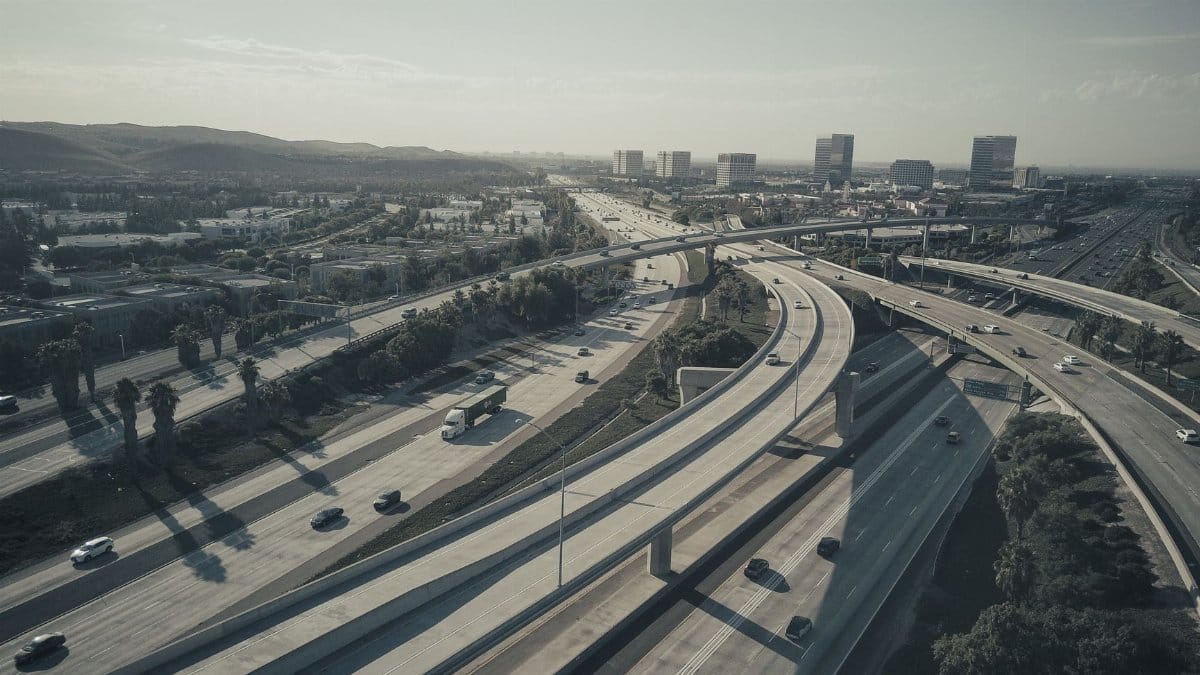
West of Houston, the freeway is a marketplace as much as a road. Furniture, cars, medical clinics, and chain restaurants line the frontage, each trying to be the thing a driver remembers at the next exit. Merchants in Katy look east and west and see cities that have already allowed larger or livelier electronic boards. They argue that a stricter local rule does not preserve character so much as it sends the customer one exit farther.
I drove that frontage at dusk and the competition was obvious even without a sales pitch. Lit logos, window displays, and the occasional electronic face already form a second horizon above the traffic. Critics of the Katy digital sign ordinance, or of loosening it, say that horizon is exactly why the city should not add more motion. Supporters say the horizon is already there, and a rule that pretends otherwise only punishes the businesses that followed the old code.
People who live with the light

The people missing from a chamber hearing are often the ones whose windows face the board. A sign that looks modest from the freeway can fill a backyard. Children notice the color. Adults notice that the street never quite goes dark. In a suburb where new subdivisions press against older commercial lots, that complaint is not nostalgia. It is a zoning problem that arrived in the form of a screen.
Cities sometimes answer with setbacks, shields, and automatic dimming tied to ambient light. Those tools work when they are inspected. They fail when a permit is granted and nobody returns after the first month, when the setting has been nudged brighter because the owner liked the way it looked from the highway. Enforcement is the unglamorous half of any promise that looser rules will still be careful rules.
What other suburbs learned the hard way

Katy is not inventing this argument. Suburbs around Houston and across the Sun Belt have rewritten sign codes as electronic boards became cheap enough for a single storefront, not only for a national advertiser. Some cities opened the door and then spent years chasing brightness complaints. Others wrote narrow allowances for schools and civic buildings and left commercial faces on a shorter leash. A few tried to freeze the corridor and watched businesses test every exception.
The lesson is less about taste than about specificity. Vague phrases such as reasonable brightness invite a fight at every permit. Clear numbers, clear hours, and a clear difference between a campus bulletin and a freeway advertisement give staff something to apply. They also give an applicant a reason to design the sign before buying it, instead of buying it and then asking the city to catch up.
What looser rules would actually change

Looser does not have to mean larger. The change on the table, as residents understand it, is mainly about what a digital face may do once it is already allowed to exist. How often may the image change. May it show a short animation or only a still frame. May a furniture store and a high school follow the same schedule. May a board stay lit after the business closes if the message is a public notice.
Each answer redraws the street. A still frame that changes once a minute is a poster with a remote control. A face that cycles every few seconds is closer to a television aimed at traffic. Officials can prefer the first without banning the technology. They can also decide that Interstate 10, where speeds are high and exits are abrupt, deserves a stricter standard than a school driveway on a local road.
Commerce, character, and a suburb that is no longer small

Katy’s identity is part of the hearing even when nobody uses the word. Longtime residents remember a town whose signs were paint and plastic. Newer arrivals know a suburb of master planned neighborhoods, youth sports, and a retail strip that functions as a regional draw. Both groups shop at the furniture store. Both groups drive past the school. The ordinance is one of the few documents that has to serve both memories at once.
Character is a weak argument if it only means keeping things as they were. It is a stronger argument if it means deciding which streets are for selling and which streets are for living, and then lighting them accordingly. A digital board on a commercial lot, dimmed at night and barred from rapid motion, can coexist with a darker residential block a few hundred yards away. That coexistence fails when every institution demands the brightest version of the privilege granted to the loudest applicant.
The hearing room and the people who do not attend
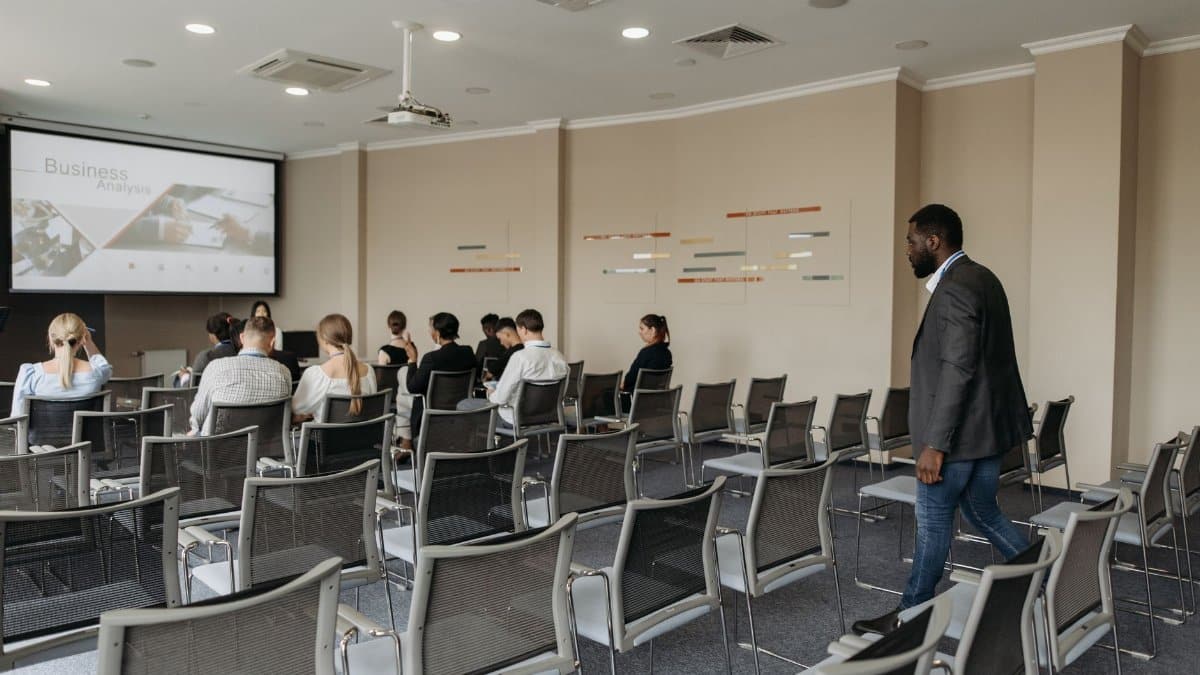
Sign ordinances draw a particular crowd. Business owners come with site plans. School administrators come with calendars. A few neighbors come with photos taken from a bedroom window. Most drivers, who will live with the result every evening on the way home, will never see the agenda. That absence does not make their stake smaller. It makes the written rule more important than the passion in the room.
A good hearing will separate the furniture request from the precedent it sets. Granting one retailer a custom exception, and then discovering that every campus and congregation wants the same exception, is how codes become a stack of variances. Writing the exception into the ordinance, with limits that apply to the next applicant as well as the first, is slower. It is also the only way the city can say yes without saying yes to everything.
A decision that will show up after dark
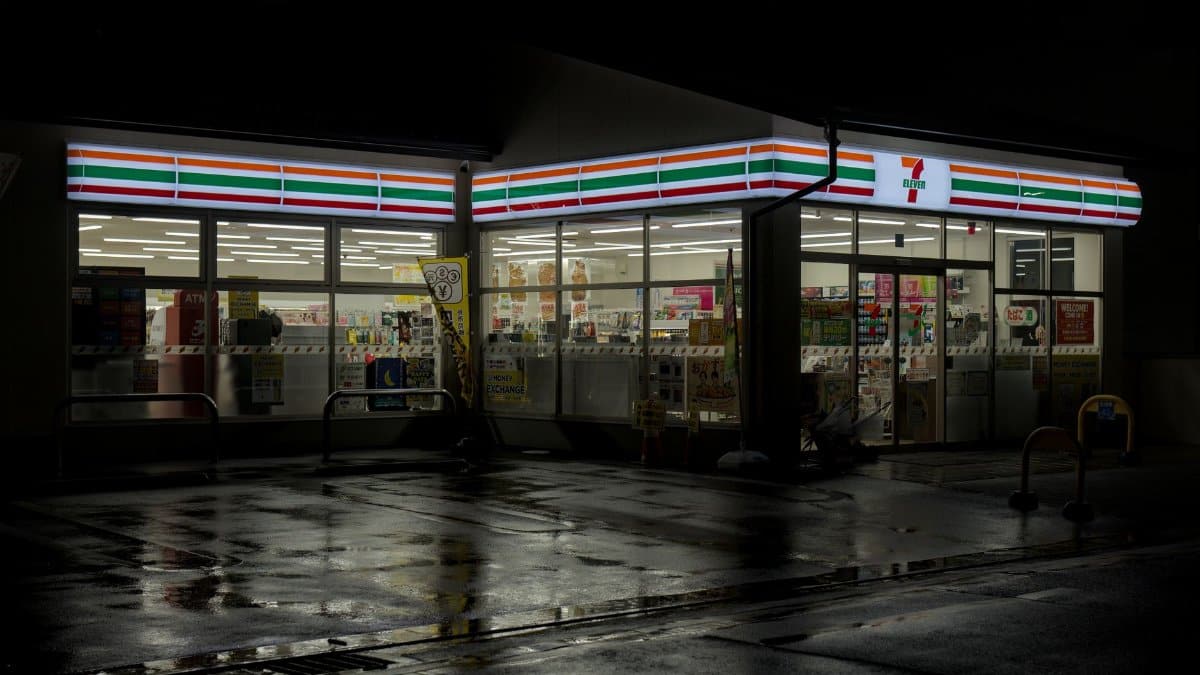
Whatever becomes of the Katy digital sign ordinance, the test will not be the language in the packet. It will be the drive home. If the furniture board can update a price without turning the frontage into a carnival, merchants will have a case that the city listened. If school and church messages can change without flooding a side street, families will have a case that the city distinguished a bulletin from an advertisement. If the light still pours into bedrooms, the rewrite will have failed the people who do not own the sign.
Katy can loosen a rule without surrendering the night. That requires numbers, hours, and the will to enforce them after the hearing adjourns and the showroom lights stay on. The furniture request started the conversation. The street, not the showroom, should finish it.