
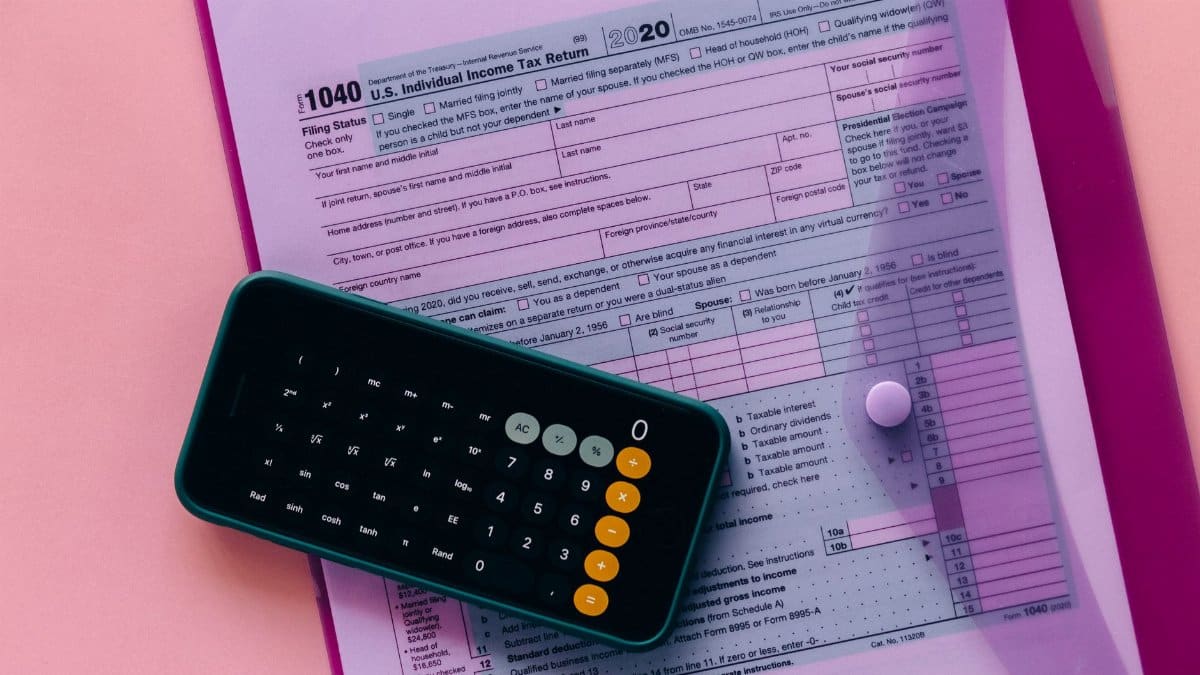
On a quiet weeknight in south Minneapolis, a homeowner spreads a city notice across the kitchen table and does the arithmetic twice. The paper does not set the final bill. It sets a ceiling. Across the metro, councils and county boards have been posting the highest amount they might collect next year and inviting residents to argue before December locks the number in. For many households, Twin Cities property tax levies are no longer a background line on a closing statement. They are a fall argument about what local government costs, and about who can still afford to stay.
The ceiling is not the bill

Minnesota law requires local governments to announce a preliminary property tax levy before they adopt a final one. The preliminary figure is a maximum. A city or county may come in lower. It may not go higher without restarting the public process. That rule is easy to miss when a headline treats the September vote as the tax increase itself. Residents who read the notice closely will see proposed amounts for the city, the county, the school district, and sometimes a watershed district or a housing authority. Each body sets its own levy. The county auditor later combines them into one statement. Treating one council vote as the whole story is how a complicated bill gets blamed on the nearest politician.
Why the fall notices feel larger

Wages, construction, and insurance have not paused for municipal budgets. Public safety contracts, shelter costs, and road work all bid for the same limited revenue. Property tax remains the workhorse local tax in Minnesota because cities cannot lean on a local sales tax unless the Legislature has granted one, and the income tax is a state tool. When assessments rise, some owners assume the city raised their rate. Often the taxable value moved, the levy moved, or both. The notice is meant to show the proposed change on that parcel, which is why two neighbors on the same block can describe very different years and both be telling the truth.
Cities carry more than streets

Minneapolis and St. Paul carry downtown commercial values that have been softer since the pandemic, along with neighborhoods where home values climbed. A weaker commercial base can shift more of a city levy onto houses even when the citywide total rises only modestly. That shift is one reason a double digit jump can appear on a homestead statement while officials describe a smaller increase in the overall levy. Parks, libraries, and housing programs sit inside or beside the city levy depending on how the government is organized. Voters who approved dedicated amounts in earlier years are now living with those choices as the rest of the budget tightens. The dedication felt like a promise then. It feels like a floor now.
Counties sit on the same statement

Hennepin and Ramsey collect for courts, jails, public health, and human services that the state has pushed downward over decades. Suburban counties face their own mix of growth, new schools, and highway pressure. A homeowner who fixates on the city council can miss a county increase that is just as large in dollars. Metro counties also help fund regional agencies. Those lines rarely dominate a campaign mailer. They show up anyway when the treasurer prints the statement. Comparing only the city percentage across Twin Cities property tax levies misses the county share that often decides whether the total feels manageable. The stack, not the slogan, is the bill.
Schools and smaller districts add their own lines

School boards set levies too, within limits the state writes into the education formulas. Voter approved operating and building levies remain a major reason two similar houses in neighboring districts can carry different bills. Watershed districts, regional rail authorities, and housing and redevelopment authorities add smaller amounts that still matter at the margin. None of these boards is required to coordinate its ceiling with the city. They share a calendar more than a strategy. A resident who wants a full picture has to read more than one agenda. The inconvenience is real. So is the cost of ignoring the smaller lines until they have already been adopted.
From levy to kitchen table

The levy is the total dollars a jurisdiction intends to collect. The bill is that total spread across taxable value after exclusions and credits. The homestead market value exclusion reduces taxable value for many owner occupied homes, with a larger break at modest values. Fiscal disparities programs in the metro share some commercial tax base so that job rich cities do not keep every dollar of office value. Those formulas are obscure because they are complex, not because they are secret, and they shape who pays. A rising levy spread over a rising base can produce a mild bill. A rising levy spread over a shrinking commercial base can produce a sharp one. Rate and levy are not the same sentence, and confusing them is how bad explanations spread.
Renters feel the number too
Property tax does not stop at the owner occupant. Landlords treat it as an operating cost. In a tight rental market, more of that cost moves into monthly rent. In a soft market, it squeezes the owner or delays maintenance. Neither outcome is printed on the proposed levy notice, which is addressed to the taxpayer of record. Tenant advocates have argued for years that a debate framed only around homeowners leaves out people who pay the tax indirectly and receive no homestead exclusion. That argument belongs in the hearing as a description of how the bill travels, not as a slogan. A city that talks only to people who receive the envelope is talking to part of the public.
The politics of a maximum

Setting the preliminary levy high preserves options. Cutting it later looks like restraint. Leaving it high looks like a warning. Both readings can be true in the same week. Council members facing police staffing, shelter overflow, and a skeptical public will say the ceiling is prudence. Critics will say it is an opening bid that treats residents as a revenue source of last resort. The useful question is narrower. Which costs are driving the increase, which are one time, and which will return next September even larger? A maximum that is never explained line by line is just a number with a microphone. Residents can accept a hard choice. They should not have to accept a vague one.
What December still can change

Final levies are adopted in December after truth in taxation hearings. Those hearings are often sparsely attended, which is a loss, because this is the window when a lower number is still legal. Residents can ask what happens if the levy comes in flat, not as a dare, as a request for the tradeoff. Officials should be able to name the positions, contracts, or projects that move. If they cannot, the ceiling is doing rhetorical work rather than budgetary work. People who cannot attend can still write. A short note about a parcel and a program lands better than a general complaint about government. Specificity is not politeness. It is how a hearing produces a different vote.
Pressure that will not vanish in one budget

The structural issues sit underneath this year’s notices. Commercial values in the cores remain uncertain. State aid has not reliably replaced every duty shifted to counties. Infrastructure built in growth decades is aging into replacement cost. Public safety and homelessness spending resist easy annual cuts. None of that obliges a double digit homestead increase. It does explain why Twin Cities property tax levies keep returning as the default answer when other revenues disappoint. Households on fixed incomes feel that default first. So do first time buyers who qualified on a mortgage payment that did not include a surprise tax jump. A one year trim, if it comes, will not retire the underlying mismatch.
A practical way to read the notice

Ignore the loudest percentage until you know which jurisdiction produced it. Look at the dollar change, not only the rate. Check whether estimated market value jumped. Ask whether a new assessment, not a new levy, explains the pain. Then look at the proposed city, county, and school amounts separately. If one line dominates, that is where the question belongs. If all three climb, the problem is regional, and scolding a single mayor will not fix it. I have sat through enough of these hearings to know that specificity changes the conversation. Vague anger fills the room and leaves the spreadsheet untouched. Bring the parcel number. Ask for the dollar figure. Leave with a name and a date.
What residents should watch next

Watch whether December finals land materially below the September ceilings. Watch whether commercial appeals, still working through the system, shift more burden onto houses next year. Watch school ballot questions that arrive looking small and compound for a decade. And watch state debates over aid, local sales taxes, and levy limits, because the Legislature still writes much of the rulebook that cities must live inside. Twin Cities property tax levies will keep rising or easing according to those choices, not according to the mood of a single news cycle. The notice on the kitchen table is a forecast with a deadline. It is not yet a fate. Between now and the final vote, the only useless posture is assuming the ceiling has already become the bill.