
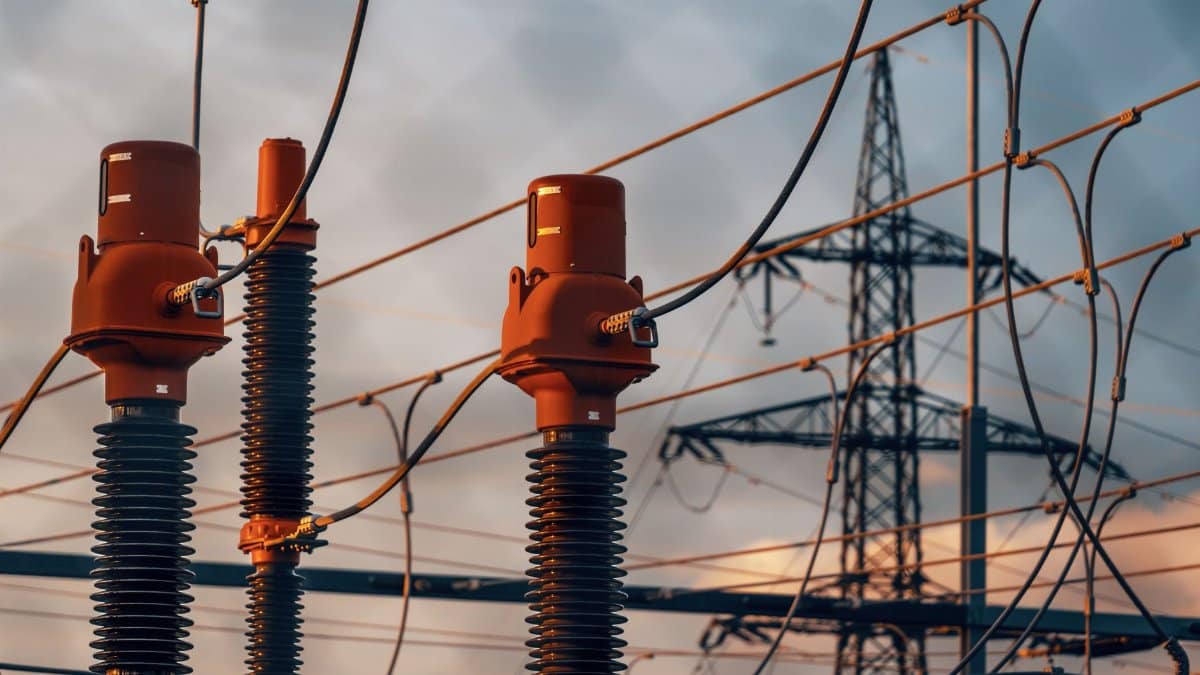
San Francisco supervisors have drawn a bright line around a document that most residents will never read. They rejected a Pacific Gas and Electric challenge to an environmental study of a possible city takeover of local electric service, and they did it unanimously. The decision does not switch a single meter. It does, however, keep intact the record the city says it needs before any SF PG&E public power vote can be fairly framed. In a dispute this old, control of the study is control of the story that reaches the ballot.
A unanimous no with a long memory

Unanimity at the Board of Supervisors is rare enough to notice, especially on a fight that touches rates, unions, neighborhood politics, and a utility that still sends a bill to nearly every address in the city. The vote did not authorize a purchase. It refused to let the company knock down, or indefinitely stall, an environmental report the city commissioned to describe what municipal electric service might look like. Supporters of the study called the appeal a delay tactic. The utility has long argued that the city is marching toward a takeover on incomplete facts. The board sided with the idea that the facts should be finished in public, not litigated into silence.
That choice fits a pattern. San Francisco officials have spent years accusing the company of slow repairs, opaque planning, and a corporate structure that answers to shareholders far from the neighborhoods where outages land. The company answers that it operates under state rules, invests billions in a grid scorched by wildfire risk, and should not be judged by a city that has not yet proved it can run the system better. Neither speech is new. What changed on this day was procedural. The study stays on the table.
What the study is meant to settle

An environmental report is a poor campaign poster and a necessary map. Under state environmental law, a large public project has to describe physical consequences before officials commit money and political capital. For a possible municipal electric system, that means wires, substations, maintenance yards, construction noise, traffic, and the less visible question of how power would be bought and delivered if the city, rather than the investor owned utility, stood behind the meter.
Readers who expect the document to declare a winner will be disappointed. Environmental review is not a rate case and not a referendum. It asks what would change on the ground if the city acquired distribution assets and operated them. It also forces agencies to list alternatives, including doing nothing. In a city this dense, doing nothing is not a neutral picture. Poles age. Load grows with electric vehicles and new housing. Someone has to plan the next decade of capacity. The study is the city’s attempt to put its version of that plan where critics can mark it up.
The appeal and why it mattered

Pacific Gas and Electric challenged the study on grounds that will sound technical to anyone outside the hearing room and strategic to anyone inside it. If the environmental record is incomplete, later approvals can be attacked. If the record is allowed to stand, the city gains a document it can cite when it talks to regulators, bond counsel, and eventually voters. Blocking the appeal does not end those arguments. It refuses to reset the clock at the company’s request.
City attorneys have treated the challenge as an attempt to relitigate policy disagreements in the costume of procedure. Utility lawyers have treated the study as advocacy dressed as science. Both descriptions can be partly true. Large environmental documents are written by consultants, edited by agencies, and read by opponents looking for omissions. The board’s job was narrower than the rhetoric around it. Supervisors were asked whether the appeal justified throwing the work out. They said no, together.
A century of frustration with the private grid
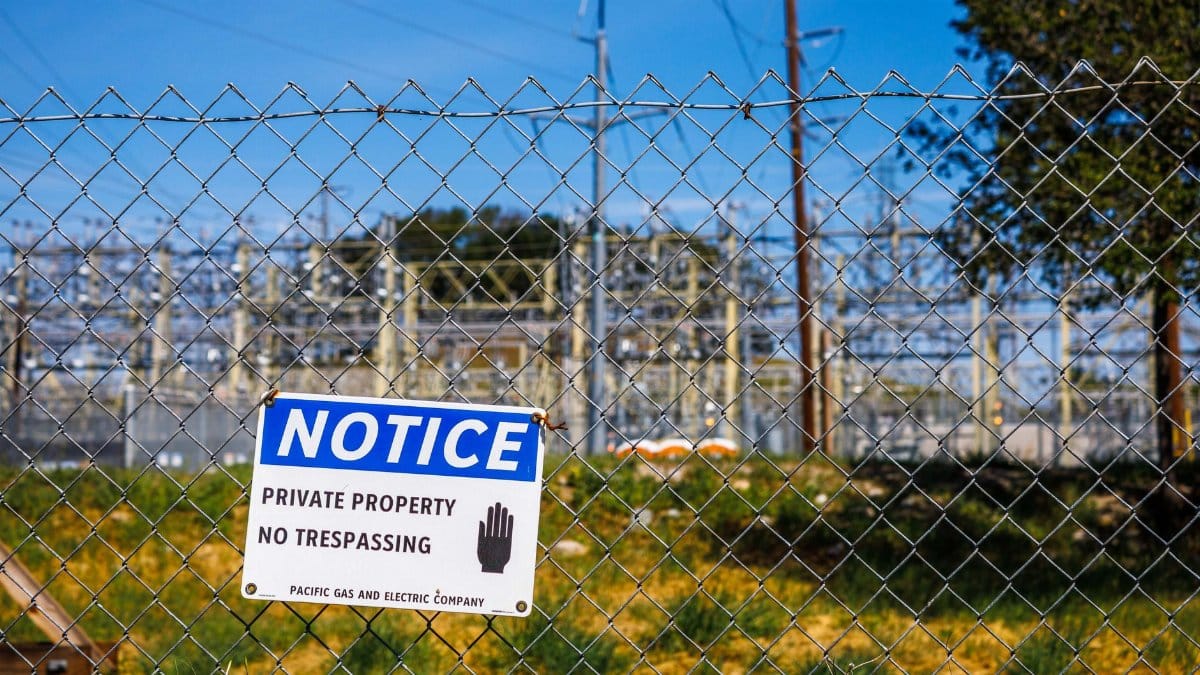
Public power in San Francisco is not a sudden fashion. The city already generates electricity at Hetch Hetchy and serves some public facilities and, through various arrangements, parts of the retail load. What it does not control is the full local distribution network that reaches houses, shops, and corner clinics. That split, city generation beside a private delivery system, has fueled arguments since the early twentieth century. Each blackout, each rate shock, each wildfire season revives the same question. If the city can own water, transit, and an airport, why not the wires?
The answer has never been only ideological. Buying a working grid means valuing assets the current owner does not want to sell, separating a urban network from a vast northern and central California system, and convincing lenders that the new enterprise can collect bills through storms and recessions. The SF PG&E public power vote, whenever it is finally put to residents in binding form, will inherit all of that unfinished arithmetic. A study cannot solve it. A study can stop officials from pretending the arithmetic is optional.
Bills, trust, and the promise of local control

For households, the argument collapses quickly to a number on a bill and a phone number that picks up when the lights fail. Advocates of municipal service say a city utility would not ship profits out of town, could design rates with local housing and climate goals in mind, and would be answerable at the ballot box rather than in a shareholder meeting. Skeptics reply that public agencies have their own inefficiencies, that San Francisco government is not famous for speedy capital projects, and that a takeover premium could land on the same customers the reformers want to protect.
Honest accounting has to hold both thoughts. Local control is not free control. A municipal utility can still raise rates when poles must be replaced or when wholesale power spikes. The difference is who explains the increase, who audits it, and who can be turned out of office if the explanation fails. That is a democratic difference, not a guarantee of cheaper electricity. Residents who have watched other city departments struggle with basics will bring that memory to any hearing about wires.
Reliability when the lights fail

Reliability is the ground where slogans go to die. San Francisco’s grid sits at the edge of a region where wind, heat, and aging equipment have made shutoffs a seasonal fact of life. A city owned system would not repeal weather. It might change how vegetation is managed, how quickly crews are staged in dense neighborhoods, and how outage maps are explained to people who cannot work from home. It might also discover that some constraints, including transmission limits far outside the county line, do not move when the logo on the truck changes.
The environmental study is one place those limits can be named without a campaign microphone. If the city plans new maintenance yards, residents near those yards deserve to know. If acquisition requires years of construction while two organizations touch the same circuits, small businesses deserve a plain description of that overlap. Rejecting the utility appeal keeps those descriptions in the record. It does not make them flattering.
Workers who would change employers

Any serious takeover talk is also a labor story. Line workers, clerks, and engineers now employed by the utility would face a different boss, different pension rules, and a different political weather. Unions have reasons to fear a sloppy transition and reasons to welcome a public employer that cannot decamp to another state. The board’s vote does not rewrite a single contract. It does signal that officials intend to keep building the case in which those contracts would eventually be negotiated.
Public power campaigns sometimes speak as if the grid were a machine without a workforce. San Francisco cannot afford that habit. The people who climb poles in rain will judge a municipal plan by training, staffing, and whether anyone intends to honor the skills already on the system. A study that ignores them is incomplete in a human sense even if every substation is mapped.
Lawyers, regulators, and the slow calendar

Even with the environmental report intact, the path to municipal service runs through institutions that do not answer to the Board of Supervisors. State utility regulators, courts asked to value assets, and bond markets will each take a turn. Pacific Gas and Electric has every legal tool a regulated monopoly usually has, and a history of using them. The city has patience, outside counsel, and a political coalition that flares after each scandal and cools when the bills arrive.
That slow calendar is easy to mock and hard to skip. A rushed condemnation fight can produce a price the public did not understand. A delayed one can exhaust the officials who started it. The unanimous rejection of the appeal is best read as a refusal to lose a year to procedure, not as a promise that the remaining years will be short. Residents should expect more hearings with titles that sound like paperwork and consequences that are not.
Lessons from cities that already own their wires
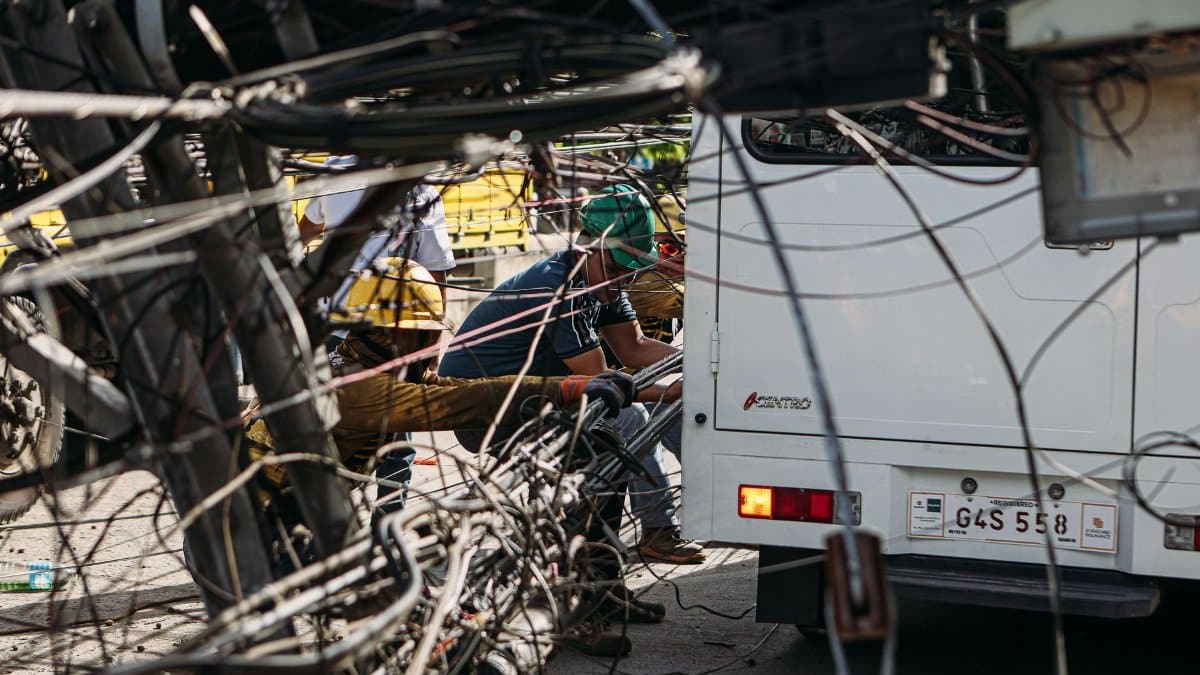
Other American cities have lived with municipal electric systems for generations. Los Angeles, Sacramento, and Seattle are often cited in San Francisco hearings, sometimes as proof that public power can be competent, sometimes as warnings that public power can still anger its customers. The comparisons are useful only when they stay humble. Those cities did not buy their grids out from under a hostile investor owned utility in the middle of a wildfire liability era. Their debts, their climates, and their politics differ.
What travels is the governance lesson. A public utility needs a board that can say no to pet projects, a rate process people can follow, and engineers who are not treated as an afterthought to communications staff. If San Francisco wants the SF PG&E public power vote to be more than a protest against a disliked company, it will have to show that kind of institution on paper before it asks for a yes. The environmental study is not that institution. It is one piece of evidence that officials are willing to be specific.
What a future ballot would actually ask

People hear public power and imagine a single dramatic choice. The legal reality is a sequence. Voters might be asked to authorize a bond, to endorse a policy, or to do nothing until a court sets a price. Wording will matter more than rally signs. A measure that hides acquisition cost will deserve defeat. A measure that pretends reliability is automatic will deserve the same. The board’s decision this week keeps the preparatory document alive so that later ballot language, if it comes, has something sturdier than a press release underneath it.
There is also a choice not to vote at all. The city could continue with partial public service, community choice purchasing, and pressure on the private utility through permits and politics. That path is less cinematic and, for some officials, less satisfying. It remains available. Rejecting an appeal does not lock the city into a purchase. It locks in a record so that if leaders do seek an SF PG&E public power vote, opponents cannot claim the environmental work was waved through in the dark.
Unanimity is not the same as neighborhood consensus

Eleven supervisors, or however the chamber was counted on this item, can agree and still leave the city divided. Homeowners worried about construction, renters worried about bills, climate advocates impatient for electrification, and business owners worried about another layer of city hall will not experience the study as a shared victory. Some will never read it. They will feel the outcome later, in a hearing notice or a line on a tax bill.
Journalists should resist treating a procedural win as a moral verdict on the utility or on city government. Both have failed people in documented ways. Both employ serious professionals who keep complicated systems from falling apart. The useful question is whether this study, now harder for the company to discard, describes tradeoffs without euphemism. If it does, the unanimous vote will have earned its drama. If it does not, opponents will have a better exhibit than the appeal they just lost.
The quieter stakes beneath the slogan

Electricity policy in California is already a tangle of clean energy targets, wildfire mitigation, and customers who are tired of being told that transformation will be painless. San Francisco’s bid to study a takeover sits inside that tangle. A city that wants more heat pumps and charging stations needs a grid that can carry the load. A city that wants trust needs fewer surprises. Ownership is one lever. Competence is the one that determines whether ownership was worth the fight.
The supervisors did not settle ownership. They told a powerful company that an inconvenient environmental record would not be appealed into oblivion. For a public that has learned to distrust both corporate assurances and municipal promises, that is a modest form of respect. It says the argument should proceed with documents, not just with ads. Whether that respect survives contact with a real SF PG&E public power vote depends on what the study shows, what the price becomes, and whether officials are willing to lose if the numbers do not hold. The lights will not wait for the politics to grow up. The politics, at least for one afternoon, refused to dim the paperwork.