

On a quiet week when Springfield is not in session, the fight over who gets to build the next warehouse of servers has not gone quiet at all. Gov. JB Pritzker has rejected a pause on new projects and instead asked lawmakers to write binding standards, a package his office has framed as the Pritzker data center rules. The choice is less dramatic than a freeze and more demanding than a press release. It asks a state that wants the jobs, the construction, and the tax base to decide, in public, what those buildings may take from the grid, the water, and the neighbors who will live beside them.
A governor who chose rules over a stop sign

A moratorium has a simple political music. It says wait. It satisfies people who believe the industry has outrun the statutes that were written for factories, malls, and office parks. Pritzker declined that path. He told the General Assembly to legislate after November rather than halt projects while the calendar turns. That is a bet that delay without a statute only pushes decisions into local hearings, utility filings, and closed door incentive talks.
Supporters of a pause argue that the state cannot regulate what it has not yet measured. Critics answer that a freeze would punish communities that have already planned around construction payrolls and would hand competing states a recruitment slogan. The governor landed with the second camp, but not with a blank check. His message is that growth continues only if the legislature supplies the missing guardrails.
What lawmakers are being asked to pass

The vehicle he has named is the POWER Act. In plain terms, the request is for a statewide framework rather than a patchwork of village ordinances and county zoning fights. Details will be written in committee, and anyone who pretends the bill text is already settled is guessing. What is clear from the governor’s posture is the intended direction: disclosure, siting standards, and a clearer account of how these facilities draw power and water.
That is the heart of the Pritzker data center rules as a political project. They are not a single regulation already on the books. They are a demand that the General Assembly stop treating server campuses as ordinary industrial tenants. A campus that can rival a small city in electricity use is not an ordinary tenant, even if the building looks like a windowless warehouse from the road.
Why November matters more than the headline

The timing is the tell. Asking for action after November puts the fight on the other side of an election calendar and into a session when members can trade amendments without the daily drum of campaign ads. It also leaves months in which projects already in the pipeline can keep moving. Opponents of new campuses read that gap as a gift to developers. Allies read it as the only way to get a durable statute instead of a symbolic timeout that expires and solves nothing.
Illinois has done this kind of sequencing before. Big environmental and energy bills rarely pass on the first emotional week. They pass when the governor, the utilities, labor, and a handful of suburban members find language they can defend at home. The data center debate will follow that pattern or it will stall. There is no third option in a part time legislature.
The grid is the real zoning board
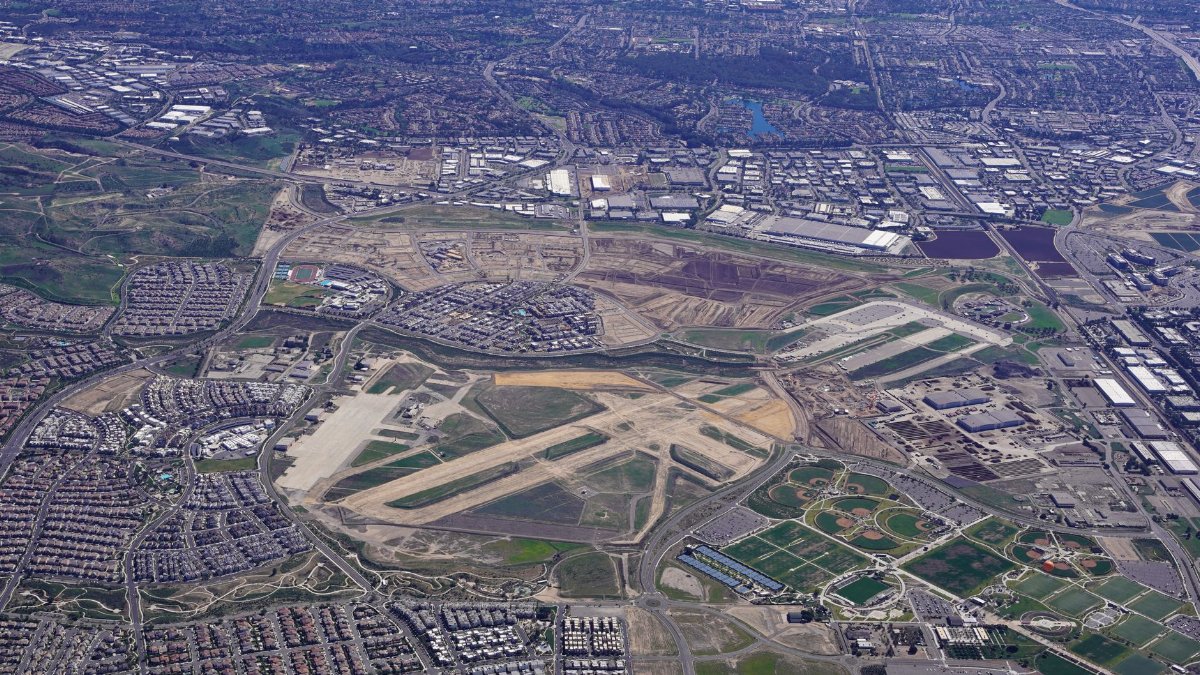
Land use hearings get the cameras. The grid decides the outcome. A large computing campus does not merely occupy acres. It asks a utility to deliver a volume of electricity that can force new lines, new substations, and, in a tight market, new generation. Those costs do not stay inside the fence. They show up, eventually, in rates paid by households that will never set foot in the building.
Illinois has spent years trying to shift its power mix toward cleaner sources while keeping the lights on for factories and homes. A surge of always on computing load tests that plan. If the new demand is met with gas plants rushed into service, the climate books look worse. If it waits on transmission and cleaner generation that are not yet built, the projects either leave or lean on the existing system harder than planners expected. Regulation cannot invent spare megawatts. It can force the accounting into the open before the incentive package is signed.
Water is the argument neighbors actually feel

Electricity is abstract until the bill arrives. Water is concrete. Cooling systems, especially in designs that rely on evaporation, pull from municipal supplies or from wells that also serve farms and subdivisions. In a wet year the draw looks manageable. In a dry summer it becomes the fact that organizes a town meeting.
Communities along the outer ring of the Chicago region, and towns downstate that have courted any large employer they can find, are learning to ask a question that older industrial codes did not emphasize. How many gallons, in which season, and who is first in line if the supply tightens? A serious statute would make that question mandatory, not optional, and would give local officials a number they can explain without hiring a consultant to translate a developer’s brochure.
The towns that want the payroll and fear the footprint

It is a mistake to cast this as tech companies against the public. Plenty of mayors want the construction jobs, the property tax base, and the chance to say their town is part of the digital economy. Union trades see years of work in concrete, steel, and electrical gear. School districts see a taxpayer that does not send many children into the classrooms.
Residents who live near a proposed site see truck traffic, diesel generators for backup power, nighttime lighting, and a building that employs far fewer people per acre than the ribbon cutting implies. Both descriptions can be true. The political failure is pretending one of them cancels the other. A workable law would let a town say yes and still cap the burdens that yes is allowed to impose.
Incentives without a receipt

Illinois, like much of the country, has used tax breaks to recruit these campuses. The theory is familiar. Forgive some obligation now, collect payroll and property value later. The theory collapses when the public never sees a clear comparison between the forgiven revenue and the public costs of power and water upgrades.
That comparison is not anti business. It is the minimum a legislature owes the people who fund the incentive. If a project needs a substation the utility will socialize across a rate class, the subsidy is larger than the line item in the tax code. The Pritzker data center rules, if they are worthy of the name, have to count that larger subsidy. Otherwise the General Assembly will be regulating the brochure and not the deal.
What the POWER Act has to settle
Lawmakers do not need a poem about innovation. They need thresholds. At what size does a project trigger a state review rather than a routine local permit? What must an applicant disclose about peak demand, backup generation, and water use before a hearing, not after? Who pays for the wires and the pipes, and on what schedule? What happens if the operator later expands in a way that blows past the original filing?
Those are drafting questions, and they are where lobbyists earn their fees. Environmental groups will want hard caps and a preference for designs that recycle water and buy cleaner power. Developers will want speed, predictability, and a single desk that can say yes. Labor will want construction standards and a seat at the table. Utilities will want clarity on who can be required to build, and who can be required to pay. A bill that pleases all four on the first draft does not exist. A bill that ignores any of them will not survive a full session.
The case against waiting for the market to behave

Some members will argue that utilities and local zoning already have the tools. That claim is half true and fully convenient. Zoning can shape a site. It cannot see the regional effect of five sites approved in five counties that all lean on the same transmission corridor. A utility rate case can allocate costs after the fact. It is a poor substitute for a rule that tells an applicant, before the groundbreaking, what the public will and will not subsidize.
Waiting also favors whoever can hire the most land use lawyers. Towns with small staffs sign agreements they do not fully understand. Towns with sharp counsel extract concessions. The result is not a market. It is a lottery based on municipal capacity. Statewide rules exist to shrink that lottery.
Climate goals meet a load that does not sleep

Illinois has told its residents that the power sector will keep getting cleaner. That promise was easier when demand growth looked modest. Computing campuses are a different customer. They run through the night. They sign long contracts. They can anchor a new power plant or a new renewable deal, depending on what the contract requires.
If the legislature is serious, it will not treat clean power as a press release attached to a tax credit. It will ask whether the megawatts are additional, whether they arrive on a timetable that matches the load, and whether the backup generators that sit behind the fence are a rare emergency tool or a quiet second power plant. None of that requires hostility to the industry. It requires the same skepticism the state already applies, at least on paper, to other large energy users.
Labor, locals, and the politics of a yes vote

Any member who votes for a regulatory bill will be accused of slowing jobs. Any member who votes against it will be accused of selling out a neighborhood. The governor has tried to step out of that binary by rejecting a moratorium and demanding a statute. That move only works if the statute is specific enough to campaign on. A vague study commission would confirm the fear that Springfield talks while the concrete pours.
The coalition that can pass something real is visible even before the text is final. Building trades want the work. Suburban and downstate members want protection from rate shock and well disputes. Clean energy advocates want the load tied to generation that does not erase a decade of progress. The governor wants a national story in which Illinois is open for this industry and not naive about it. Those interests overlap more than the hearing testimony will admit.
What residents should watch when the session returns

The useful test is not whether a bill has an impressive name. It is whether a neighbor can read the filing and learn three things: how much power, how much water, and who pays for the upgrades. If those answers are optional, the law is a pamphlet. If they are enforceable, with a consequence for filing one set of numbers and building another, the law is a government.
Residents should also watch the exemptions. Every large regulatory bill grows a list of projects that are already too far along to be covered. Some grandfathering is fair. A grandfather clause wide enough to swallow the next five years is a moratorium in reverse. It freezes the public out while the industry proceeds under the old, thinner rules.
A standard other states will read

Illinois is not the only state discovering that the digital economy has a physical appetite. Whatever Springfield writes will be read in capitals that are having the same argument. A sloppy statute becomes a warning. A clear one becomes a template. Pritzker has put his name on the idea that the answer is regulation rather than refusal. That idea will be judged by the text, not by the announcement.
There is room here for ambition without fantasy. The state can welcome buildings that process the world’s data and still refuse to let them treat the grid and the aquifer as unpriced commons. That is an old civic bargain dressed in new concrete. It does not require a pause that pretends the demand will vanish. It requires lawmakers willing to write numbers into a bill and defend them when the amendments start to fly.
The measure of the Pritzker data center rules

By the time the General Assembly takes this up after November, the rhetoric will be familiar. Jobs on one side, resources on the other, and a stack of local fights waiting for a statewide answer. The governor has already made his structural choice. He will not lead with a moratorium. He will lead with a request that legislators pass the POWER Act and, through it, give the Pritzker data center rules a statutory shape.
Whether that shape is worthy depends on ordinary legislative work: thresholds, disclosure, cost allocation, water accounting, and a limit on exemptions. If those pieces land, Illinois will have done something more adult than either a ban or a welcome mat. If they do not, the state will have spent a session announcing standards it was unwilling to define. The server halls will keep rising either way. The question is whether the public rules rise with them, or whether the public finds out what it agreed to only after the meters are already spinning.