
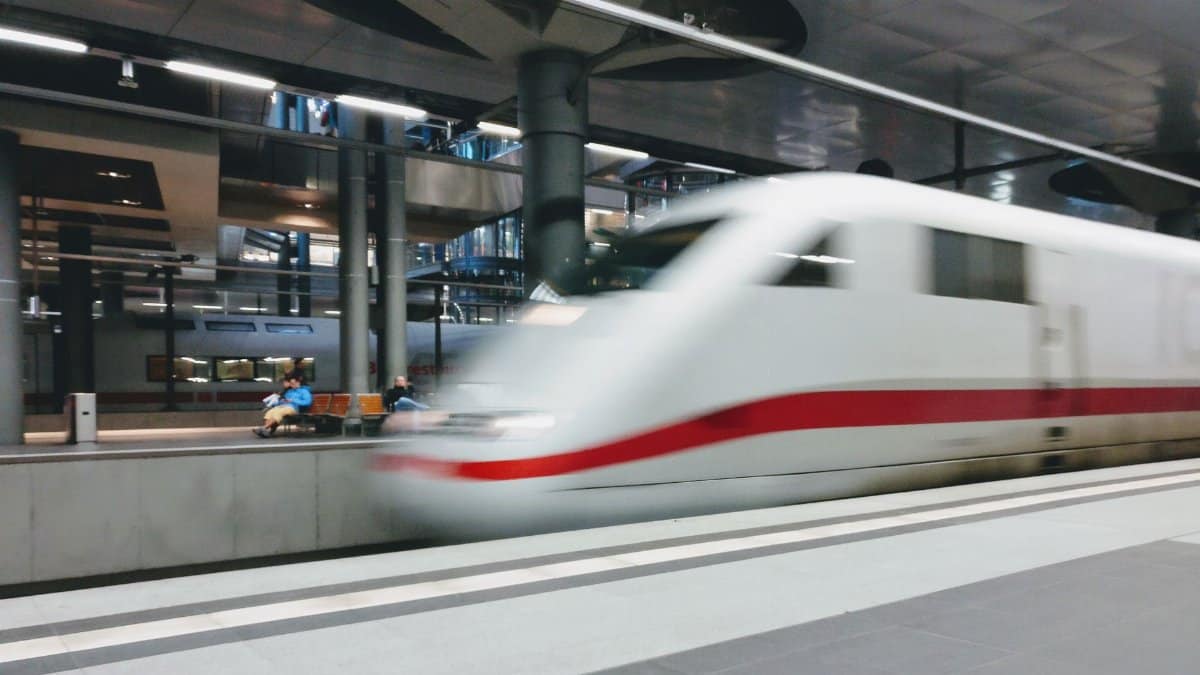
On a bright afternoon along Main Street, the talk in downtown Merced turns, as it often does now, to trains. Shopkeepers, students, and county workers already know the broad outline of California’s long rail project. What they do not know is whether the trains will stop in the middle of town or somewhere easier for engineers and harder for walkers. State rail officials say the Merced high-speed rail station downtown remains an option, even after a local cease and desist letter sought to halt parts of the planning conversation. The letter made headlines. It did not, by itself, close the map.
A letter that changed the volume, not the map

Cease and desist letters are blunt instruments. They signal that someone believes a process has gone too far, too fast, or outside the rules. In Merced, the letter landed in a debate that was already crowded with maps, cost estimates, and neighborhood worries. Reporting in the San Francisco Chronicle described state officials treating a downtown site as still alive after that legal warning: the Chronicle account of the Merced station dispute. Readers outside the valley may see a paperwork fight. Residents see a choice about where the city will face the rest of California for the next half century.
A letter can freeze a contract, slow a survey, or force lawyers into a room. It cannot erase the reasons downtown was studied in the first place. Those reasons are ordinary and stubborn: existing streets, bus routes, a walkable core, and a desire not to build a new edge of town that only cars can reach. Officials can keep an option open while they answer the legal complaint. That is a narrower claim than a promise to build, and it is the claim now in circulation.
Why the core of the city still pulls planners back
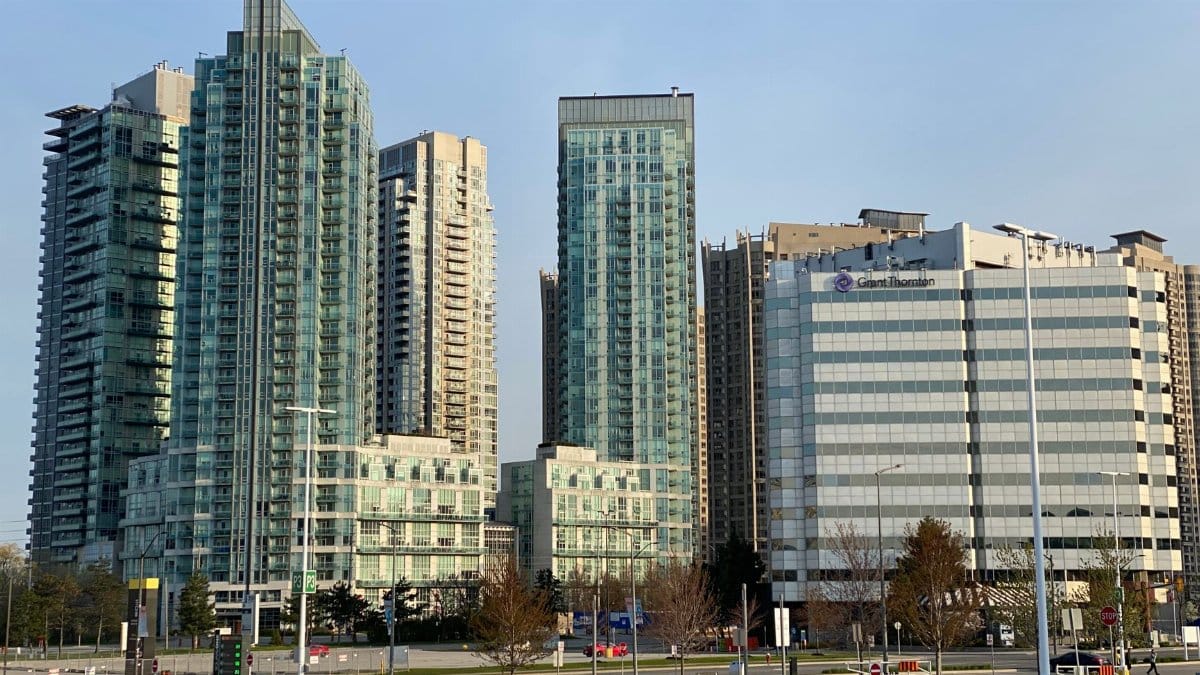
Merced is not a suburb looking for an identity. It is a county seat with a university, a downtown grid, and a long memory of being a place people pass through on the way to Yosemite or the Bay Area. A station in the core would put arrivals within a short walk of courts, shops, housing, and campus connections. That is the classic argument for a central stop, and it has not grown weaker because construction farther south has been slow and expensive.
Critics answer with a different set of facts. Downtown parcels are smaller. Construction would disturb streets that already carry local life. Parking, drop off lanes, and bus bays need space that a historic grid does not gladly give. Both arguments can be true at once. The planning task is to say which costs the city is willing to bear, and which costs it would rather push to a site with more dirt and fewer neighbors.
What state rail leaders have been willing to say
The California High Speed Rail Authority has spent years describing Merced as a northern anchor for early valley service, with connections onward toward Sacramento and the Bay Area through other trains. Its public materials, collected at the authority’s website, still treat the valley corridor as the place where the first electric service is meant to prove itself. Within that frame, station location in Merced is a local argument nested inside a statewide one.
Keeping the Merced high-speed rail station downtown on the list of options is not the same as selecting it. Environmental documents, funding gates, and agreements with the city and the county all sit between a talking point and a platform. Officials who say an option remains open are protecting flexibility. Flexibility is useful in a project this large. It is also frustrating for people who want a yes or a no before they invest in a block, a lease, or a house near the tracks.
Riders care about the walk after the train stops
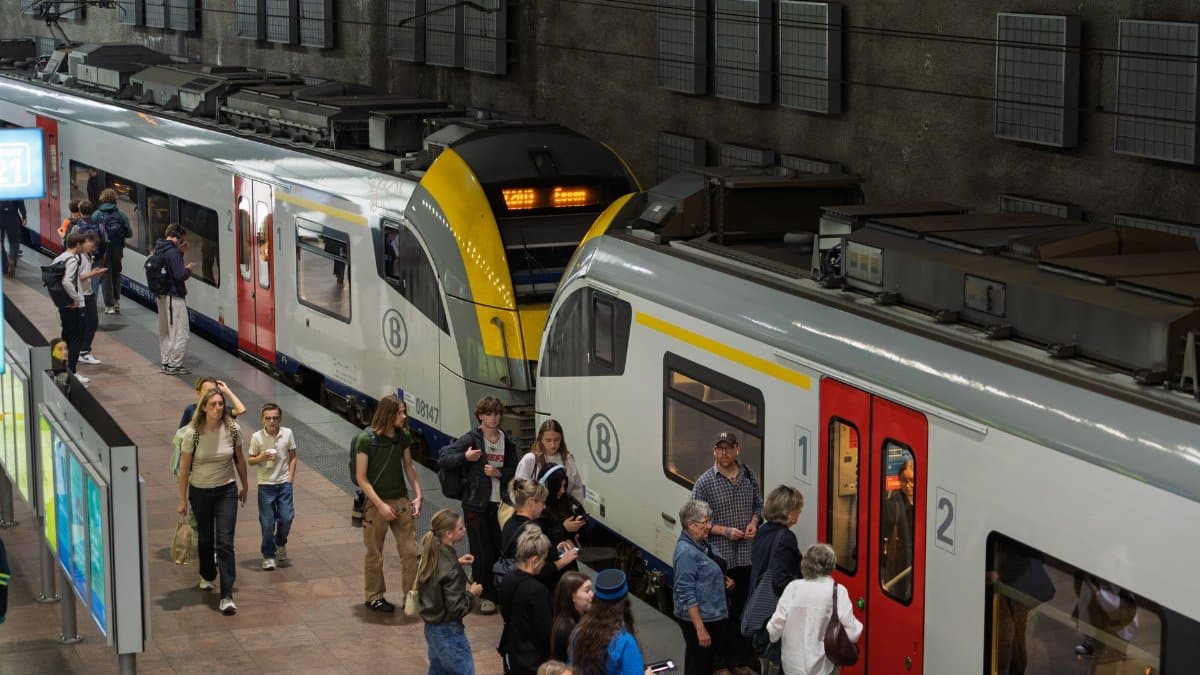
For passengers, the romance of speed ends at the platform. The next question is how long it takes to reach a job, a class, or a connecting bus. A station stranded beside a highway can be simple to build and miserable to use if the only reliable exit is a car. A station in town can be harder to build and easier to love if the sidewalks, lighting, and schedules are treated as part of the project rather than as someone else’s problem.
Merced already has regional rail ambitions tied to the San Joaquins and to plans for more frequent valley service. A fast train that does not meet those other services in a coherent place will waste the very connectivity the project advertises. Planners talk about timed transfers. Riders experience them as a missed bus or a long wait in the heat. Station location is the physical decision that makes those transfers either obvious or absurd.
Streets, parcels, and the unglamorous work of fitting a station
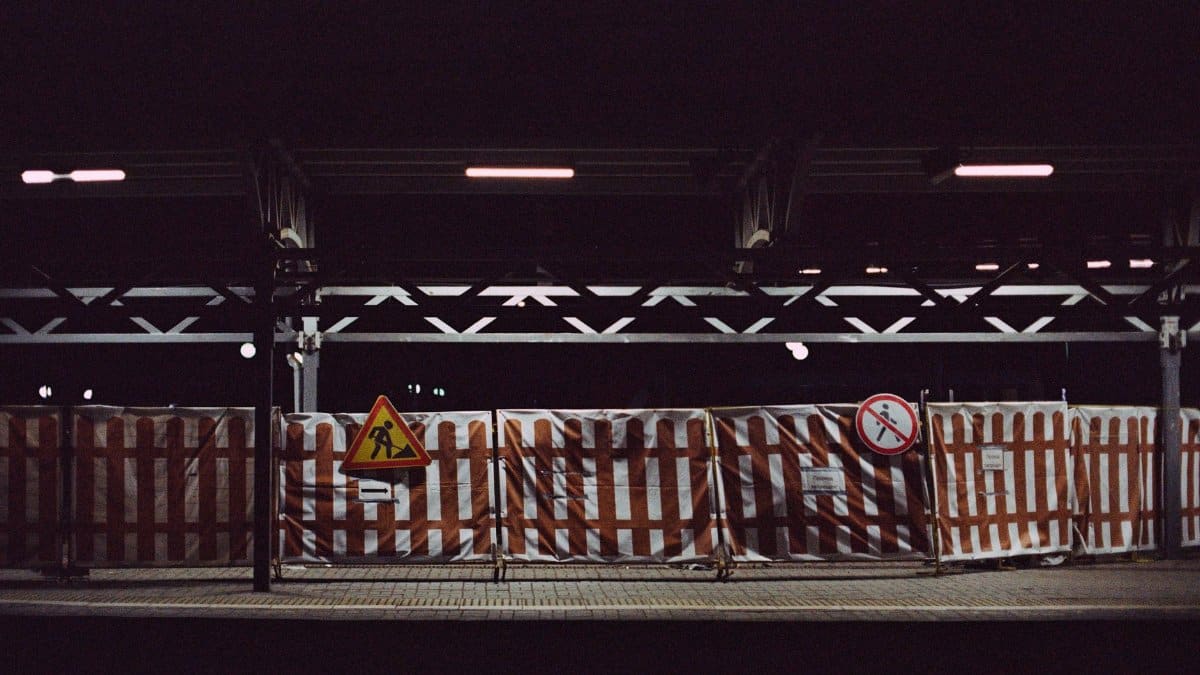
Any downtown scheme has to answer mundane questions that renderings skip. Where do taxis queue? Where do buses turn? How does a person in a wheelchair cross from the platform to a shaded street? Who maintains the plaza after the ribbon cutting? These are not obstacles invented by opponents. They are the daily life of a station, and they belong in the same conversation as track geometry.
An outlying site answers some of those questions with acreage. It creates others. A large parking field can fill before local transit does. Land that looks empty on a map may sit on soils, flood paths, or farmland that state and federal rules treat with care. The city of Merced publishes planning and meeting materials that show how local government already juggles growth, housing, and infrastructure: the city’s public site. A rail station will land inside that existing workload, not beside it.
Money, delay, and the patience of a valley city
California’s rail project has taught every city on the map a hard lesson about time. Budgets move. Segments slip. Political support rises and falls with elections in Sacramento and Washington. Merced has watched that cycle while still being asked to plan as if a station were imminent. That double vision is exhausting. It also explains why a legal letter can feel, to some residents, like the first firm sentence in a fog of maybes.
Cost is not a side issue. A downtown alignment that requires more structures, more utility moves, or more property acquisition will be judged against a cheaper footprint elsewhere. Yet the cheapest footprint is not always the cheapest city. If riders must drive to the train, the public has merely moved expense from the rail budget to household budgets and to local roads. Honest accounting would put those costs on the same page. Few official spreadsheets do.
Business owners hear both a boom and a blockade

Downtown merchants have heard promises before. A station could bring foot traffic on days when the university is quiet and the courts are closed. It could also mean years of closed lanes, dust, and customers who decide the hassle is not worth a lunch. Small businesses do not have the balance sheets of a state authority. A season of disruption can erase a shop that a rendering once pictured as thriving beside the new plaza.
That is why process matters as much as location. Clear timelines, compensation rules, and a construction plan that keeps at least some access open are not gifts. They are the minimum price of asking a commercial street to host a megaproject. When those details are vague, suspicion fills the gap. A cease and desist letter is one expression of that suspicion. Quiet decisions to invest elsewhere are another, and they do not make the newspaper.
Environmental review is where the option must earn its place

Under California law, a preferred station does not get to skip the comparison. Reviewers are supposed to look at alternatives, noise, traffic, historic buildings, and the ways a project might push development into farmland or into neighborhoods least able to absorb it. Keeping downtown in the study is a way of saying the comparison is not finished. Dropping it early would invite a different legal fight, from people who believe the core of the city was dismissed for convenience.
Public comment periods often feel ceremonial. In a dispute this sharp, they are one of the few moments when a resident can put a specific fear into the record: a crossing that already feels dangerous, a block of older housing, a bus line that does not run late enough for a returning train. Officials are not required to grant every wish. They are required to show they heard the record. A letter from a lawyer does not replace that record. It sits beside it.
What neighboring cities already learned the hard way
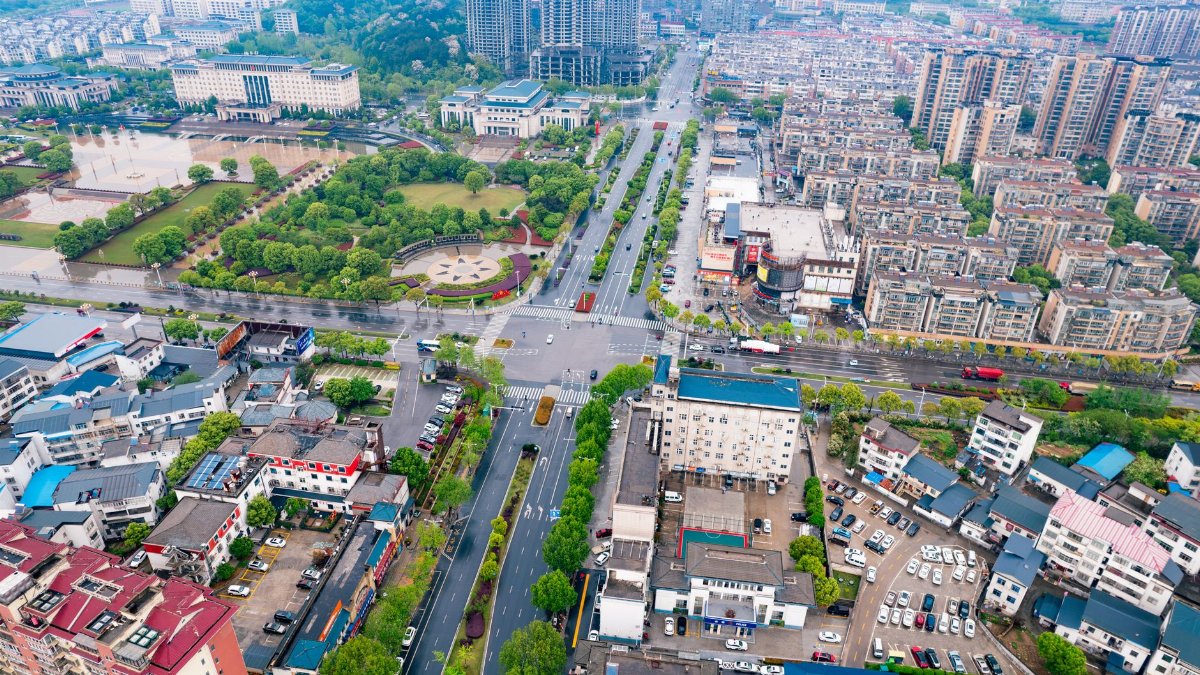
Other valley communities have argued over whether a station should sit in town or on the fringe. The pattern is familiar. Early maps favor the place that looks simplest from a train cab. Later maps bend toward the place where people already are, once local leaders decide that a remote platform would brand the city as a parking lot with a schedule. Merced is late enough in the statewide story to see those arguments, and early enough that its own choice is not poured in concrete.
There is no template that removes politics. A university town weighs student housing and game day crowds. A farm county weighs the loss of productive land. A downtown with older buildings weighs character against the need for modern platforms. Merced holds all three pressures. Pretending the choice is only technical is how trust erodes. Pretending it is only political is how engineering failures get waved through.
Housing, campus life, and the people who would actually ride

The University of California campus north of downtown is part of the station math whether or not a platform sits on campus land. Students and staff already move between Merced and larger cities for family, internships, and medical care. A reliable train could turn some of those car trips into planned rides. That benefit depends on frequency, price, and the last mile, not on slogans about the future of mobility.
Housing advocates watch the same maps for a different reason. A station can lift land values on nearby blocks. That can help owners and hurt renters if the city does not pair the project with serious attention to affordability. Merced does not need a rail station to have a housing problem. A station can make the problem sharper in a small radius. Planning that ignores that radius is planning for a postcard, not for a city.
The legal warning and the practical calendar

Lawyers will parse the cease and desist letter for jurisdiction, standing, and whether any ongoing contract actually violates it. The public calendar will not wait for a perfect ruling. Survey seasons, grant deadlines, and coordination with freight and regional railroads all have dates. If downtown stays in play, someone must still fund the studies that keep it real. An option that is never staffed, never surveyed, and never compared in fresh numbers is an option in name only.
Residents can watch for a few plain signals. Is the downtown site still drawn in official alternatives, or only mentioned in speeches? Are city council agendas posting station items with documents attached, or only with vague updates? Is there a public meeting in Merced, at an hour when workers can attend, or only a webinar aimed at Sacramento? Those signals tell more than a single headline about a letter.
A station is a civic choice dressed as engineering
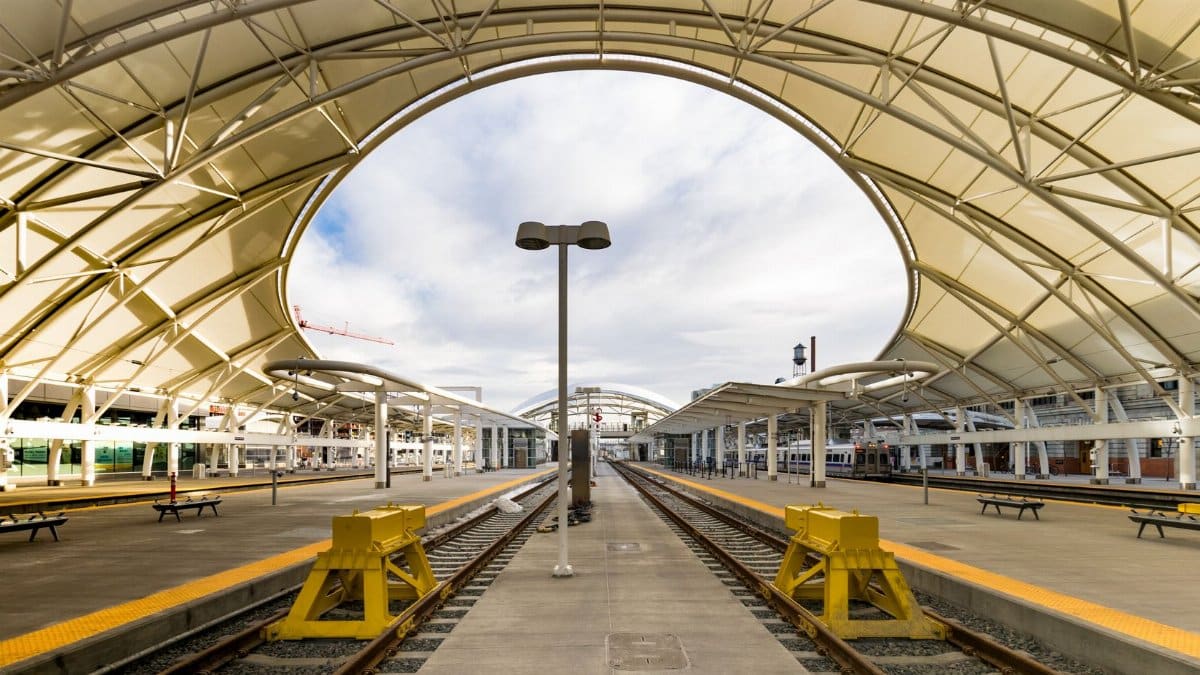
None of this requires faith in megaprojects as such. California’s rail effort has earned skepticism on cost and schedule. Skepticism is not the same as indifference to where a station would sit if the trains do come. Merced can doubt the timeline and still insist that the location, if built, serve the people who live here rather than the people who draw the easiest line.
The Merced high-speed rail station, if it is downtown, will be judged by small things: a safe crossing, a bench in the shade, a bus that meets the train, a shop that survives construction. If it is not downtown, it will be judged by whether the city built a real path from the platform back to the streets where life already happens. Officials say that downtown choice is still open. The harder work is deciding, in public, what open means, and how long a city should wait for a map to become a place.