

On a cool September night in the Bronx, the Boston Red Sox watched a season close under lights that have judged this rivalry for generations. The final was not a thriller. It was a verdict. The Red Sox Yankees sweep ended Boston’s run in the American League wild card series, with a nine to two loss in Game 2 and an eighteen to two deficit across the two games. Fans who had traveled south for a short series left with the particular silence that follows a result too plain to argue. October, for this club, would belong to someone else.
A scoreboard that ended the argument
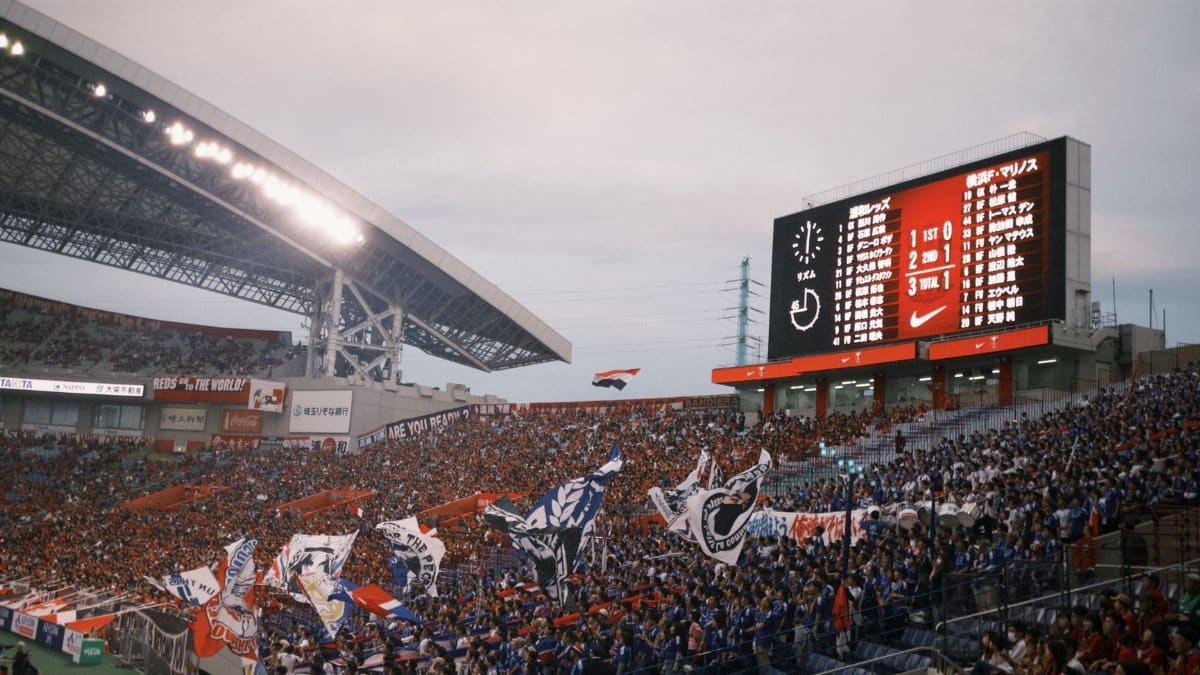
The number that will travel is simple. Boston lost Game 2 by a score of nine to two, and the series stood at an eighteen to two deficit when the last out was recorded. In a short wild card format, a margin like that does not invite a speech about bad luck. It describes a gap in execution that appeared often enough to decide both nights. The Yankees did not need a miracle inning or a disputed call at the plate. They needed pitching that limited damage, contact that moved runners, and a calm that the home crowd could feel. They collected those things in a ballpark that already leans toward the home club when the fans sense control.
A sweep in October is different from a sweep in June. June can be filed away as a scheduling quirk or a tired bullpen on a random weeknight. October attaches the result to a club’s identity for the winter. Boston now enters that winter with a loss New York will remember as proof and Boston will remember as a result still open in memory. Neither memory is entirely fair. Both are inevitable.
What the Bronx asked of a visiting club

Yankee Stadium in a postseason series is not a neutral room. The crowd arrives early, the rituals are loud, and the visiting team is asked to play as if the noise were weather rather than a participant. Boston has lived inside that weather for decades. Players who have never worn either uniform still understand the assignment. Do not give the park a reason to roar in the first inning. Do not let a deficit become a story the crowd can tell back to you between pitches.
On this night the story formed quickly enough that the later innings felt like administration. A nine to two final does not always mean the game was settled in the first half hour, but it does mean the trailing club spent most of the evening trying to shrink a number rather than protect one. That is a different mental task. It asks hitters to hunt pitches they might otherwise take, and it asks pitchers to work without the comfort of a lead. New York, holding the advantage, could afford patience. Boston could not.
How a short series becomes a long winter

A series this brief leaves little film for revisionism. There is no seventh game to complicate the picture and no extra inning to turn a blowout into a parable about resilience. The Red Sox Yankees sweep is the fact. Everything else is interpretation. Did Boston’s pitching plan fail to account for New York’s patience at the plate? Did the lineup press once the deficit grew? Those are fair questions for a front office and a coaching staff, and they will be asked in rooms that do not leak easily to the public. What the public has is the margin, and the margin is wide enough to survive most excuses.
An eighteen to two series deficit is not a moral judgment. It is a description of run production and run prevention over two nights. Still, fans hear morality in numbers because baseball trains them to. A close loss can be worn as honor. A wide loss asks for a different kind of honesty. Boston’s players will say the right things about effort. Effort was likely present. Effort did not close the gap, and pretending otherwise would insult the people who watched both games through to the end.
Rivalry without the usual romance

It is tempting, especially from a distance, to treat every meeting between these clubs as theater. The uniforms are famous. The history is thick. The arguments in bars from Bangor to the Battery have a script older than most of the players. None of that helps a pitcher who cannot land a fastball, or a hitter who expands the zone with two outs and the game leaning away. Romance is what spectators add after the fact. The players, while the ball is in play, are counting outs.
I have sat in enough ordinary seats, over enough seasons, to know that the romance returns the next morning anyway. People need a story larger than a line score. They will talk about 2004, about the years when the power in this matchup flipped, and about nights when one swing seemed to rewrite a decade. Those memories are real. They are also a poor guide to what happened on this particular field, where the visiting club was beaten cleanly and sent home before the argument could even pretend to be close.
Loyalty as a public ritual
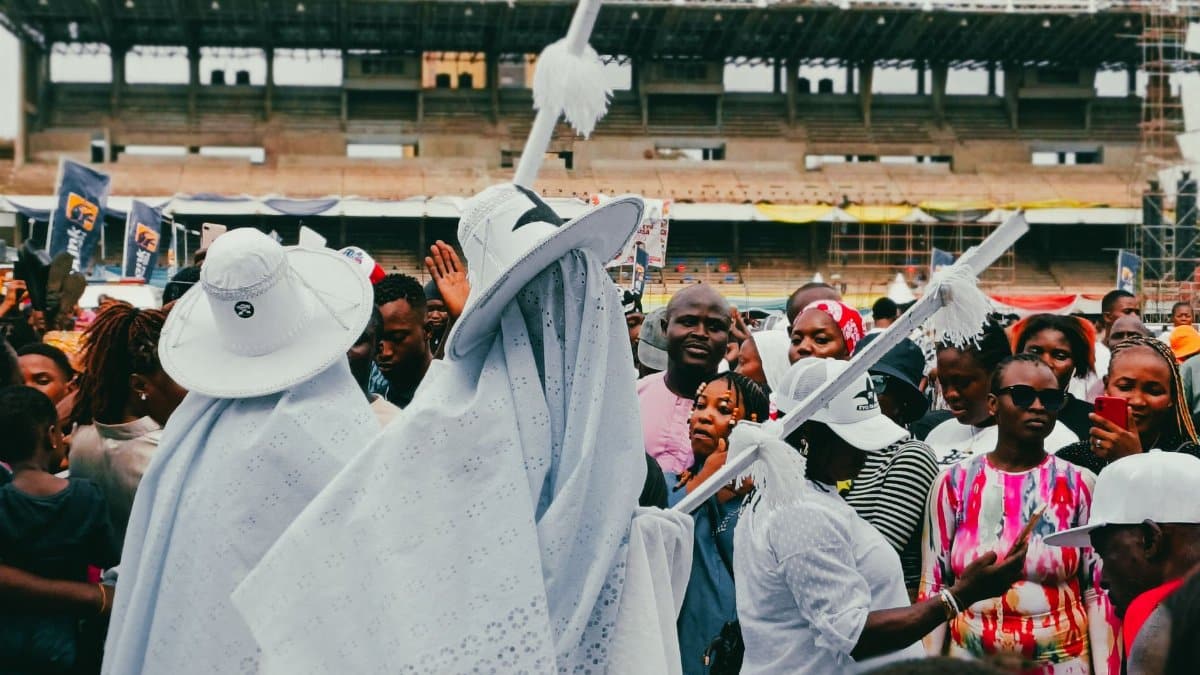
For many fans the ballpark is the closest thing they have to a congregation, a place where strangers agree to care about the same outcome at the same hour. That devotion is not theology, and it should not be dressed up as one. It is still a public ritual with its own calendar, its own songs, and its own way of teaching children that showing up matters even when the result is ugly. People arrange weeks around first pitch. They travel into a hostile park because absence would feel like a small betrayal.
When the ritual ends in a sweep, the ride home becomes part of the service. Radios go quiet. Group texts fill with jokes that are not quite jokes. Someone says it was only two games. Someone else answers that two games were the whole assignment. Loyalty of this kind is not always wise. It can excuse poor decisions and sour into contempt for the other side. It remains one of the few habits that still asks strangers to share a feeling in real time. On this night the feeling was loss, and it was widely shared.
A format that punishes a slow start

The wild card series is built for speed. In a best of three, a club can be finished before its season has fully announced itself to the country. Boston entered that format with the burden every lower seed carries: win on the road, or at least take one game, and keep the opponent from turning the ballpark into a celebration. The club did not take one. The Yankees won both, and the second of them, a nine to two decision, made the ending official.
There is a cruelty in that design, and also a clarity that longer series sometimes blur. A longer set of games might have let Boston find a starter who could shorten an evening, or a stretch of at bats that changed the mood of the park. A short series asks whether a team is ready on the nights it is given, not on the nights it wishes it had. New York was ready. Boston was not ready enough. The margin says so.
What the clubhouse owes the public

In the minutes after a season ends, the camera wants a face and a sentence. Managers talk about pride. Stars talk about next year. Younger players look as if they have been asked to summarize a year in a language they do not yet trust. None of this is false, and none of it is complete. The public is owed something plainer: an account of where the games were lost, and a winter plan that does not hide behind vague words about culture.
The Red Sox Yankees sweep will force that accounting faster than a split series would have. Boston’s front office will see the pitching usage, the swing decisions, and the health of arms that may have been managed toward this exact week long before fans do. Outsiders should be careful about diagnosing injuries they cannot see. What outsiders can say, without pretending to hold a private scouting report, is that the results on the field were lopsided. A club that finishes a series on the wrong side of an eighteen to two deficit has a baseball problem, not only a story to manage.
What New York earned

The Yankees did what a favored home club is supposed to do when the schedule is short. They won the games in front of them, and they won them by enough runs that the opponent could not call the ending a matter of inches. Praise for that should stay specific. They scored. They kept Boston to two runs in Game 2. They let the crowd do some of the psychological work without needing the crowd to do all of it. None of this requires a myth about destiny. It requires the simpler admission that one team played the cleaner baseball when there was no tomorrow left to borrow. For Boston, that admission is the start of a useful winter, and the only honest way to remember how the Red Sox Yankees sweep actually felt.