

On the first morning of October, a line in a federal statute stops being an abstraction and becomes a denied claim at the pharmacy window. About 15,000 people in the region who came here through lawful channels are expected to lose the fuller coverage that has paid for specialist visits, hospital care, and many prescriptions. New England Medicaid cuts, taking effect on October 1, will strip refugees and other documented immigrants of comprehensive benefits and leave them with a thinner form of help, or with none at all for ordinary illness.
A number that is really a set of households

Fifteen thousand is large enough to move a state budget and small enough to vanish inside a national fight over spending. It is not a crowd in one city. It is scattered across apartments in Lawrence and Portland, triple deckers in Worcester, and rented rooms near hospitals that already treat a heavy share of new arrivals. Many of the people in that count are refugees, asylees, and other immigrants who hold legal status and who have been enrolled in full Medicaid, including MassHealth in Massachusetts. They are not the population usually invoked when politicians speak of unlawful presence. They are people the government itself admitted, often after years of vetting, and then placed on the same public insurance that covers other low income residents.
That distinction matters for the politics and for the medicine. A person who has status can work, can be summoned to immigration interviews, and can be told, correctly, that a missed appointment has consequences. The same person can still be one infection or one pregnancy complication away from a bill that a warehouse wage cannot absorb. When coverage narrows, the first losses are rarely dramatic. They are the refill that waits, the blood pressure visit that slides, the specialist who will not book a patient whose card no longer clears.
What changes on October 1

The shift is the product of a federal law, not a quiet administrative tweak by a state Medicaid director. Comprehensive coverage for this group ends on a fixed date. Emergency treatment can remain available under longstanding rules that pay hospitals for care that cannot wait, but emergency coverage was never designed to manage diabetes, prenatal visits, cancer follow up, or the drugs that keep a transplanted organ alive. Readers who have used insurance know the difference in their own lives. An emergency department can stabilize a crisis. It cannot be a medical home.
Reporting in The Boston Globe has framed the regional total near 15,000 and has centered the Massachusetts story on MassHealth, the program that combines Medicaid and related coverage for residents with low incomes. Neighboring states run their own versions of the same federal partnership. The eligibility rule is national. The waiting rooms are local. That is why a statute written in Washington shows up as a staffing problem in a community health center in New England.
Why legal status does not guarantee a full benefit

Americans often assume that lawful presence and public benefits travel together. They do not. Congress has, for decades, drawn lines inside the immigrant population: some statuses qualify quickly, others face waiting periods, and still others are limited to emergency services. Refugees have historically been treated more generously than many other newcomers, on the theory that the United States invited them out of danger and owes them a practical start. The October change pulls back that generosity for a defined group and does so by statute, which means a governor cannot simply decline to enforce it.
States still administer the programs. They still process renewals, print cards, and contract with health plans. They do not, however, get to invent federal eligibility when Congress has withdrawn it. Any replacement coverage would have to be built with state dollars, under state law, and inside a budget that already strains to pay for nursing homes, disability services, and the ordinary Medicaid caseload. That is a political choice, not a hidden technical fix.
How New England Medicaid cuts land in exam rooms

New England Medicaid cuts will not arrive as a single announcement over a loudspeaker. They will arrive as eligibility workers reclassifying cases, as managed care plans ending enrollments, and as pharmacists seeing a rejection code they have learned to dread. Clinicians in safety net practices already spend hours on prior authorization. After October 1 they will spend more hours explaining that a legal resident can still be uninsured for the care that actually keeps people out of the hospital.
Primary care doctors describe a familiar sequence, even when they cannot yet count its local toll. Patients ration insulin. They split blood pressure pills. They postpone imaging until pain becomes an emergency, at which point the public still pays, only later and at a higher price. Hospitals will not turn away a person in respiratory failure because a card expired. They will, however, send that person home without a reliable way to pay for the inhaler that might have prevented the next visit. The cruelty is bureaucratic. The invoice is not.
Work, caregiving, and the myth of an easy private plan
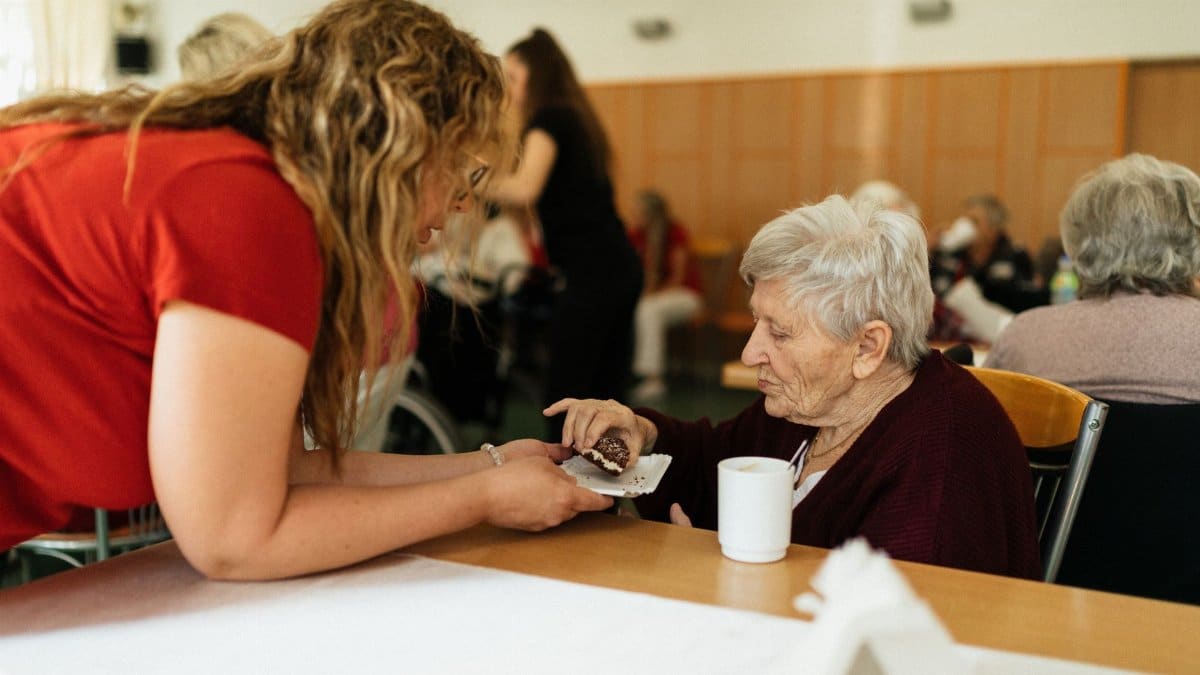
A common reply is that adults should buy coverage through an employer or on the individual market. Some will. Many of the jobs open to recent arrivals do not offer insurance, or they offer plans with premiums that consume the margin between rent and food. Seasonal work, home care, kitchen work, and warehouse shifts are common in this region. They are also the jobs least likely to include a family policy worth having.
Caregiving complicates the picture further. A refugee household may include an older parent, a child with asthma, and an adult who is the only English speaker at medical appointments. When the adult loses full coverage, the child may remain eligible under separate rules for minors. Families then learn a grim literacy: one member can see a pediatrician, another cannot see a cardiologist. The household budget does not split so neatly. Money spent on one uncovered prescription is money not spent on heat.
What states can still choose

Federal preemption is not the same thing as state helplessness. Legislatures can appropriate funds for a state financed benefit that mimics Medicaid for people the federal government will no longer match. A few states have done versions of this for other immigrant groups, usually after long debate and usually at a scale smaller than advocates wanted. New England’s politics are not uniform. Massachusetts has a deeper tradition of state funded coverage experiments than some of its neighbors. Even there, a new line item competes with housing, transit, and the rest of the health budget.
There is also the question of timing. A law that hits on October 1 does not leave a leisurely session for design. Eligibility systems take months to rebuild. Providers need contracts. Patients need notices they can read. A state that wants to cushion the fall has to move before the date, not after the first wave of unpaid bills. Delay is itself a policy. It shifts the cost from a public program, where it is visible, to households and hospital uncompensated care, where it is easier to ignore until the next rate hearing.
Community institutions fill gaps they cannot close

In the weeks before a cutoff, the institutions that notice first are often not the statehouse. They are parish nurses, mosque clinics, synagogue volunteer networks, and storefront churches that already drive people to appointments. This region has a thick layer of congregations that treat accompaniment as a duty: translation, a ride, a grocery card, a call to a legislator. Those networks will absorb some of the shock. They cannot replace a formulary.
That limit is worth stating plainly, because charity is sometimes offered as a substitute for insurance. A congregation can buy a month of antibiotics. It cannot underwrite dialysis. Mutual aid is a moral response. It is not an actuarial one. When public coverage retreats, private mercy becomes more visible and less adequate at the same time. People of faith who have sponsored refugee families will recognize the whiplash. The welcome included a health card. The statute now takes the comprehensive version back.
The argument underneath the statute

Supporters of the federal change tend to argue from budget and from principle. Medicaid is a program for citizens and for a narrow set of qualified immigrants, they say, and Congress is entitled to tighten that set when costs rise. They note that emergency care remains, and that states may spend their own money if they wish. In that telling, October 1 is a restoration of a boundary, not an attack on people who followed the rules.
Opponents answer that the boundary is being moved under people who already crossed it lawfully. Refugees did not choose a loophole. They were selected. Cutting their full coverage saves federal dollars in the near term and may increase unpaid hospital care, delayed treatment, and avoidable disability later. It also sends a signal that legal admission is not a stable promise. That signal has consequences for employers who hired these workers and for cities that planned housing around the assumption that basic medical care would be there.
Both arguments can be stated without caricature. What cannot be waved away is the operational fact. A comprehensive benefit and an emergency benefit are not interchangeable, and 15,000 legal residents losing the former will feel the difference in their bodies before they feel it in a floor speech.
What patients and clinics can do before the date
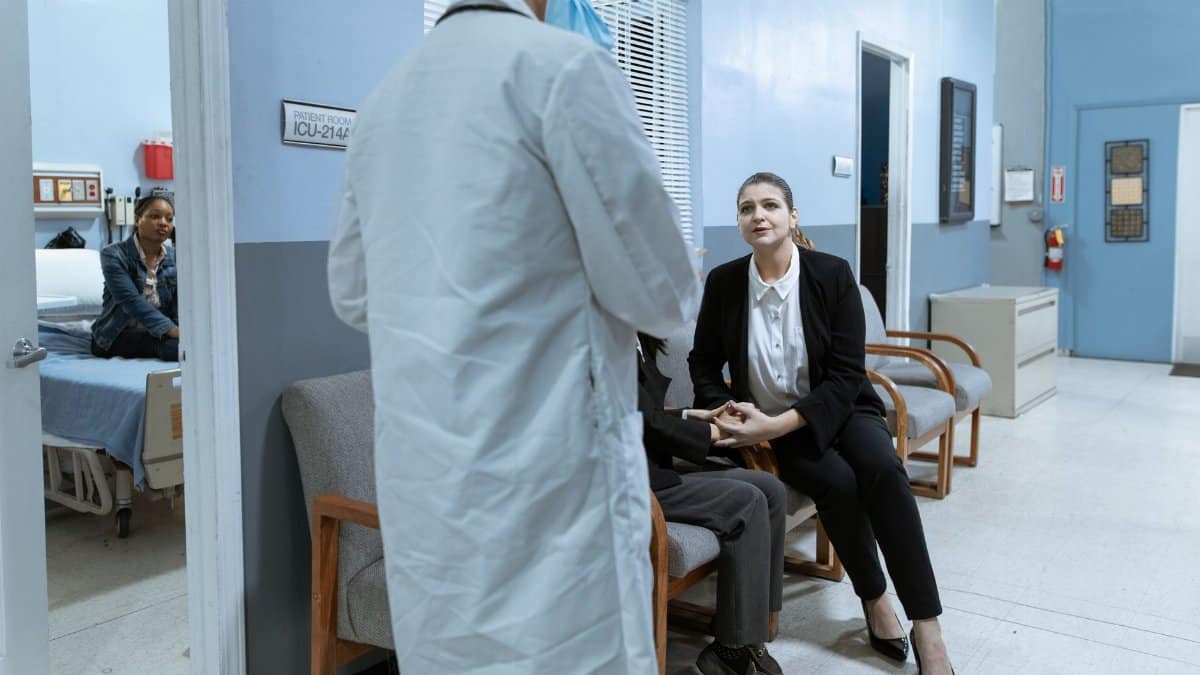
People at risk should not wait for a denial to learn their status. Renewal notices, plan letters, and caseworker messages are easy to miss when mail is unstable or when English is a second language. Community health centers, legal aid offices, and immigrant service agencies can often explain whether a person is in the affected group and whether a child or a pregnant household member has a separate path. Asking early does not guarantee a remedy. It does prevent the worst version of the surprise, which is a pharmacy counter on a Friday evening.
Clinics can prepare in equally practical ways. They can flag charts, schedule overdue labs while coverage still exists, and write longer prescriptions where that is clinically sound and legally allowed. They can train front desk staff to distinguish an emergency only benefit from a full plan, so that a patient is not told, wrongly, that no care of any kind remains. Hospitals can revisit charity care policies, knowing that charity care is a backstop with its own paperwork and its own limits. None of this reverses the statute. All of it reduces needless harm in the first months.
A region that will argue this in public

New England has spent years presenting itself as a place that receives refugees and then builds services around them. The October cutoff tests that presentation. If legislatures fund a substitute, they will have to defend the cost to voters who are also worried about premiums and nursing home waits. If they do not, they will have to defend emergency rooms filling with conditions that primary care could have managed. Either way, the debate will be local even though the trigger is federal.
I have watched versions of this argument for years, and the pattern is stubborn. The people who lose coverage are asked to be patient while systems adjust. The systems adjust slowly, because slow adjustment is cheaper on paper. Meanwhile a legal immigrant with a job and a diagnosis learns that status was not the same thing as security. New England Medicaid cuts make that lesson specific, dated, and hard to euphemize. October 1 is not a metaphor. It is the day the fuller card stops working, and the day the region has to decide what, if anything, it will put in its place.