
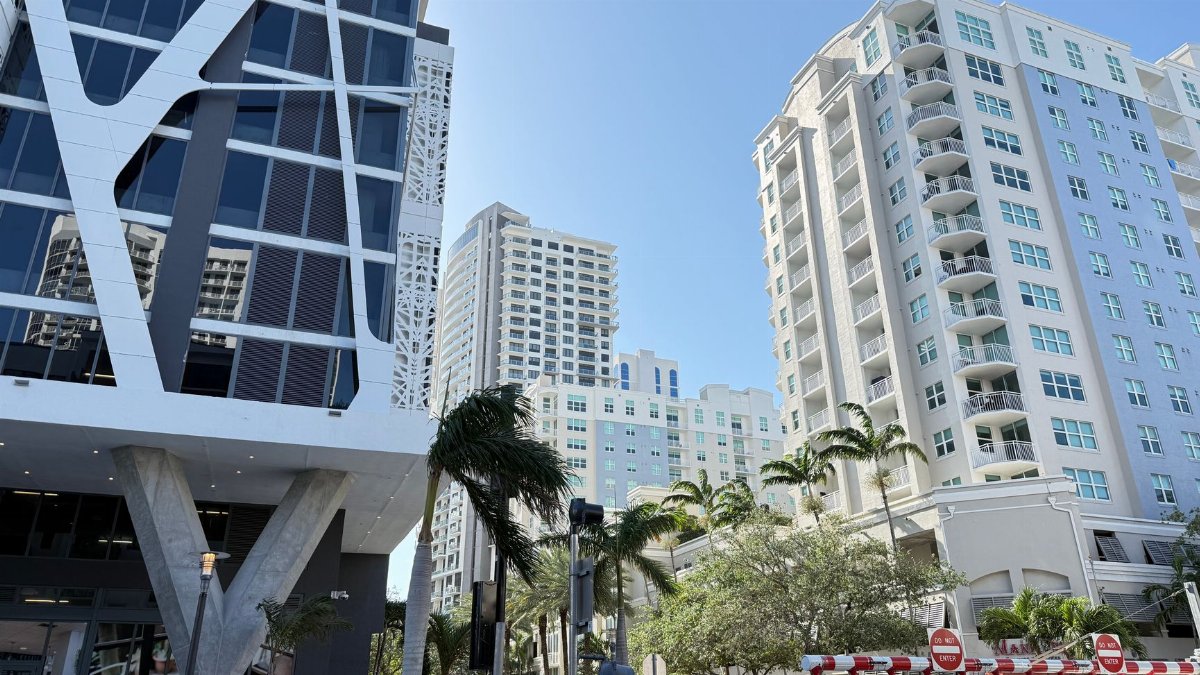
On a humid evening in Little Havana, folders thick with property maps and ministry charts sat between cafecito cups while lawyers, pastors, and former political prisoners argued over sequence rather than slogans. The conversation had a name that has circulated for years in South Florida and is now being written down with unusual care: Miami Cuba transition plans. What once lived in radio monologues and family kitchens is being treated, at least by a determined circle of exiles, as a briefing book for a government that does not yet exist.
Who sits at the table

The drafters are not a single committee with a seal. They are overlapping circles: attorneys who have spent decades on claims, economists who model fuel and food imports, physicians who remember hospital wards, and civic groups that already run voter drives in Miami Dade. Some participants held office on the island before they left. Others were born in Hialeah and know Cuba through grandparents and parish halls. What they share is a belief that chaos loves a vacuum, and that a sudden opening in Havana would punish the unprepared.
Meetings tend to be small and argumentative. One faction wants a rapid election calendar. Another wants a caretaker authority long enough to count ballots without intimidation. A third worries less about constitutions than about whether ports can unload rice. The papers that emerge are less manifesto than checklist.
The price of starting over
Ask what reconstruction would cost and the answers arrive in a wide band rather than a single figure. Cuban American leaders now speak of sums in the tens of billions of dollars at the low end and in the hundreds of billions if housing, power, ports, and a broken payments system are rebuilt together. Those ranges are political as much as technical. They signal to Washington and to donors that a transition is not a weekend of flags. They also warn exiles that nostalgia does not pay for turbines.
Inside the Miami Cuba transition plans, the spending logic is staged. First come fuel, medicine, and payroll for people who keep water running. Later come courts, land registries, and schools that can operate without party loyalty tests. Skeptics note that no exile spreadsheet can see the real condition of plants and grids until inspectors walk them. Supporters answer that a rough order of magnitude is still better than silence.
Property, memory, and the courthouse
Few issues cut deeper than confiscated homes and businesses. Families in Coral Gables keep deeds, photographs, and stories of houses now occupied by strangers or by the state. Any serious plan has to say whether old titles return, whether occupants who lived there for generations are protected, and whether compensation replaces restitution when both claims are morally loud.
Lawyers in these circles tend to favor mixed remedies: return where a property sits empty or clearly state held, compensation where a family has built a life inside walls taken long ago, and a public registry so fights do not depend on who shouts loudest on the radio. None of that is simple. Records are incomplete. Some titles were murky even before the revolution. A transition that begins with mass evictions would trade one injustice for another, and several drafters say so out loud.
Parties that do not yet govern
South Florida already contains the skeletons of Cuban parties: Christian democrats, social democrats, liberals, and conservatives who disagree about markets, abortion, and how hard to press Havana today. The draft plans try to imagine those tendencies competing on the island rather than only in Miami precincts. They sketch rules for parties, campaign money, and a press that is not an arm of the state.
The harder confession is about exile politics itself. Personal rivalries are old. Some leaders are trusted in one parish and dismissed in the next. A document can call for unity and still be read as a bid for influence. Younger Cuban Americans, less defined by the voyage their parents made, often want a say that is not filtered through legendary names. If Miami Cuba transition plans ignore that generation, they will read as a closed club.
Faith and the civic calendar

Churches are not a side note in this city. Catholic parishes, Protestant congregations, and Afro Cuban religious communities already function as mutual aid societies. In several draft outlines, the first weeks of a transition lean on those networks for food lines, message boards, and quiet mediation when rumors turn dangerous. Clergy who have visited the island speak of a population that is exhausted, devout in uneven ways, and allergic to lectures from abroad.
The spiritual tone in these papers is mostly practical. Protect worship. Do not let any denomination capture the state. Use parish halls as neutral ground when official buildings are distrusted. That is not a theology of nationhood. It is a recognition that in Cuba, as in the diaspora, people still gather where they trust the person at the door.
What Washington will and will not promise
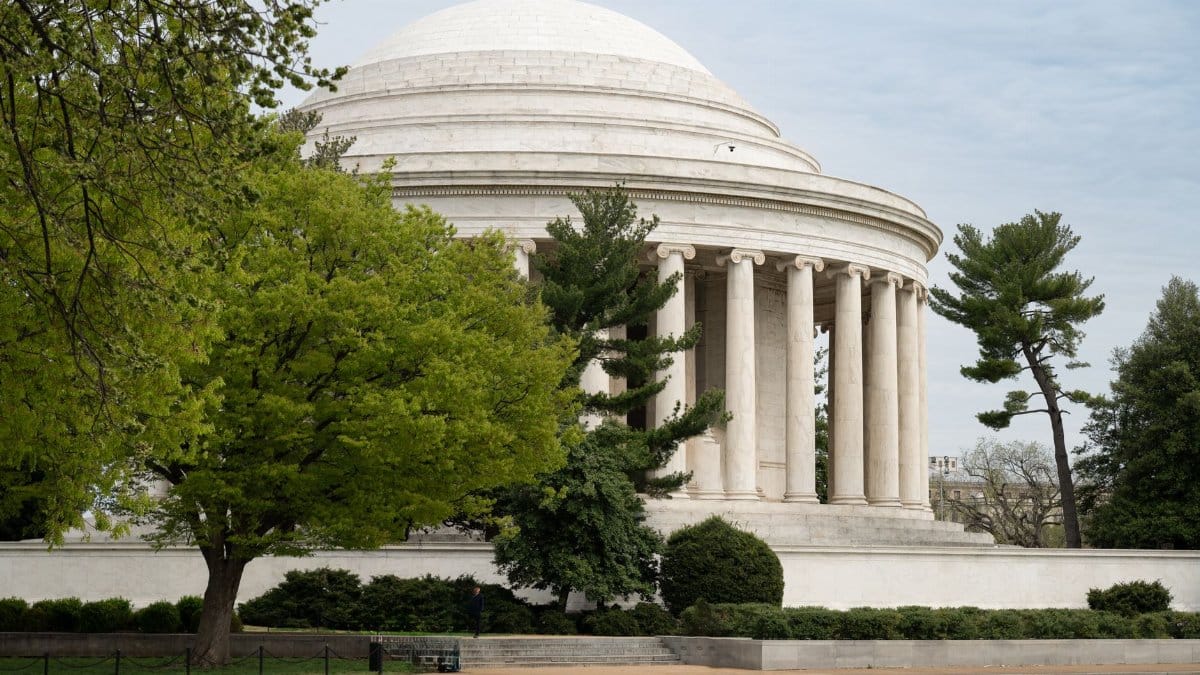
Exile drafters want American help with sanctions relief timed to concrete steps, with technical teams for elections and customs, and with credit that does not become a new dependency. They also know Congress is distracted and that Florida politics can turn any Cuba memo into a campaign prop. Career diplomats, when they speak carefully, tend to emphasize humanitarian channels and the limits of what an outside capital can install.
The Miami Cuba transition plans therefore include a chapter that is really a plea for restraint: no occupation fantasy, no promise that Marines or contractors will run ministries, no assumption that a White House of either party will adopt an exile text as policy. Influence, if it comes, will be narrower. Visas. Remittances. Conditional finance. Training for judges and accountants. The glamour is low. The usefulness could be high.
Lessons filed from other countries

Comparisons travel through these meetings like cautionary tales. Eastern Europe after 1989 showed how fast a party state can hollow out and how slowly honest courts arrive. Spain after Franco is cited for a pact that traded perfect justice for a stable vote. Iraq is mentioned, usually briefly, as a warning against dissolving every institution at once and discovering that nobody left can keep the lights on.
None of those histories is Cuba. The island has its own security apparatus, its own diaspora scale, and its own proximity to a superpower that has argued about it for more than sixty years. Drafters who have done their reading tend to steal methods, not costumes: publish the rules early, pay soldiers and police who stay loyal to a new civilian command, and do not let property shocks empty the cities.
Food, power, and the first hundred days

Romantic language fades when the subject is calories and megawatts. Cuba already lives with shortages, blackouts, and a currency maze that punishes wage earners. A political break that coincides with a deeper economic stall could produce lines, flight, and score settling. The more sober pages of the exile drafts therefore read like emergency management. Who controls the ports. How fuel is rationed without party privilege. How a temporary currency board, or a dual rate that is at least honest, keeps trade moving.
Hospitals sit near the top of every list. So do prisons. A transition that cannot account for detainees will not be believed by the people who have relatives inside. Several lawyers argue for immediate access by independent monitors and for a published roster, not a quiet amnesty negotiated in a back room.
The case against exile blueprints

Not everyone in Miami thinks the exercise is wise. Critics say plans written in air conditioning in South Florida will feel like an imposition to people who endured the wait. They note that the government in Havana still holds the guns, the payrolls, and the microphones, and that betting on its collapse has embarrassed predictors before. They worry that public talk of a day after hardens the very officials a negotiation might need.
There is also a moral critique. A diaspora with money and microphones can drown out island voices that are harder to reach. Responsible drafters try to answer by building contact lists of independent journalists, small business owners, and clergy still on the island, and by marking large sections of their texts as provisional. Whether that humility survives the first press conference is another question.
Families who want a phone call
Strip away the charts and many households want something smaller than a state. They want to bury parents on the island without a bribe. They want a cousin to visit Miami without a year of paperwork. They want a school that teaches history without a required hymn to the party. Those desires do not fit neatly into a reconstruction total, yet they explain why the folders keep circulating.
The Miami Cuba transition plans will not govern unless people on the island decide they should, and unless events create an opening nobody can schedule. Until then they function as a record of what a portion of the diaspora thinks it owes the future: a price tag said aloud, a warning against revenge dressed up as law, and a reminder that hope without logistics is only another speech.