

On a gray morning near Boston Common, a cluster of scientists, city inspectors, and pest managers stood over a grate and argued, politely, about bait. The gathering was the Boston urban rat summit, a two day meeting that treated the city’s rats not as a punch line but as a public problem with maps, budgets, and neighborhoods attached. People who spend their careers chasing rodents had flown in from other cities, notebooks already full, to compare what actually works when trash, construction, and old brick sewers all favor the same animal.
Why the experts came to Boston

Boston did not invent the urban rat, and no one at the summit pretended otherwise. What the city offered was a dense mix of conditions that other places recognize: narrow alleys, restaurants stacked above basements, parks where people feed birds, and housing where a single hole in a foundation can feed a colony. Officials framed the meeting as a working session rather than a celebration. The point was to leave with tactics that inspectors can explain to landlords and that residents can follow without a biology degree.
Attendance mixed municipal staff with university researchers and private operators who service restaurants and housing authorities. Several speakers said they were tired of advice that sounds clever in a conference hall and fails on a loading dock at dawn. The tone stayed practical. Rats, everyone agreed, respond to food, water, and shelter, not to slogans.
What the animals actually need

A brown rat can live its whole life within a few blocks if the calories keep coming. Speakers walked through that fact slowly, because it changes the job. Killing animals in one alley does little if the dumpster next door still overflows after midnight. The more durable work is cutting access to food and closing the routes rats use to move between buildings.
That sounds simple until you stand on a commercial street at closing time. Grease, bread ends, and produce scraps accumulate faster than any single crew can haul them. Summit panels spent long stretches on container design, pickup schedules, and the small failures that undo a good plan: a lid that does not latch, a bag left beside rather than inside a bin, a grate that was meant to be temporary and became permanent.
Maps, complaints, and the limits of counting

Cities often know where people complain, which is not always where rats are thickest. A quiet block with poor reporting can hide a worse problem than a loud one near a park. Participants compared how they log sightings, how they weight repeat calls, and how they avoid chasing the same noisy corner while a warehouse district goes unexamined.
Several inspectors described walking routes with tablets, marking burrows, gnaw marks, and droppings rather than relying on a single app screenshot. Others warned that data can create a false sense of control. A clean map on Monday can be outdated by Friday if a demolition site opens new ground. The shared lesson was modest: count what you can, then go look.
Trash as the main lever

If the summit had a refrain, it was trash. Not trash as a moral failing of city life, but trash as a reliable food supply. Panelists from housing agencies described pilot programs that swap open dumpsters for containers with tighter lids and scheduled collection that matches restaurant hours rather than a generic morning route.
Residents in the audience, a smaller group than the professionals, asked why their blocks still see bags on the curb overnight. Speakers answered without pretending the fix is free. More frequent pickup costs money. Enforcement against repeat violators takes staff time. Container upgrades take procurement cycles that move slower than a breeding season. Still, nearly every veteran in the room ranked waste control above poison as the intervention that lasts.
Buildings, basements, and the quiet repairs
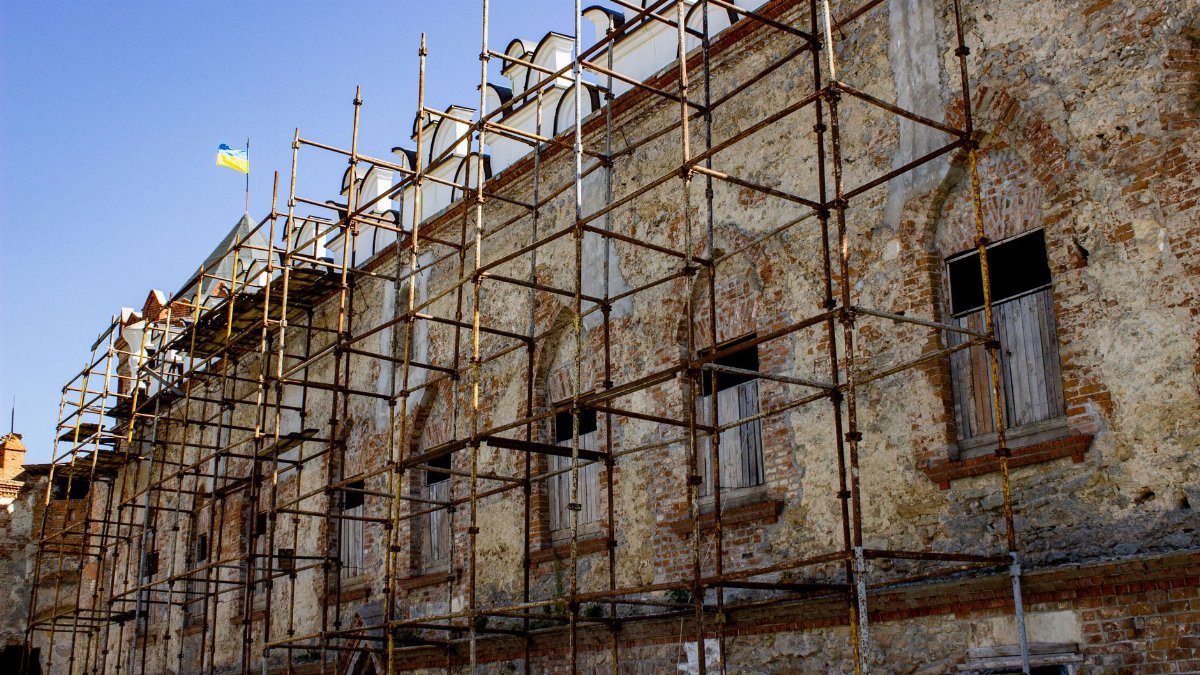
Rats do not need an invitation if a building offers a gap the width of a thumb. Facilities managers traded notes on door sweeps, vent screens, and the places crews forget: pipe penetrations, deteriorated mortar, and bulkhead doors that no longer sit flush. One housing official said the most effective week her team had last year was not a baiting blitz but a punch list of seals completed before winter.
Construction sites drew special attention. Excavation disturbs colonies and pushes animals into neighboring blocks. Speakers urged cities to require rodent plans before permits, not after neighbors start calling. The plans, they said, should name who checks bait stations, who covers debris, and who is accountable when a fence line becomes a runway.
Poisons, traps, and the argument over tools

Chemical control remains part of the toolkit, and the room did not pretend otherwise. What changed in the discussion was the ranking. Several researchers described second generation anticoagulant products as a last resort because residues can move through the food web when predators eat weakened rodents. Others noted that poorly placed bait educates surviving rats and wastes money.
Traps, tracking powders used by licensed applicators, and targeted baiting in secured stations all had defenders. The consensus, such as it was, favored integrated work: sanitation and exclusion first, then precise control where activity is confirmed. Blanket treatments across a whole neighborhood drew skepticism from people who have watched that approach fail twice.
Public health without panic

Rats can carry pathogens and contaminate food stores. They also trigger anxiety that outruns the evidence on any single block. Public health speakers urged clear language. Report burrows and bites. Do not assume every scratch in a yard is an outbreak. Do seal food in apartments, especially in buildings with shared trash rooms.
Clinicians in the audience asked how to talk with patients who are ashamed to admit an infestation. The answer from several city staffers was procedural as much as medical: inspections should not feel like punishment if the goal is access for repairs. Shame keeps doors closed. Closed doors keep colonies fed.
What other cities brought to the table

Delegates compared notes from dense downtowns and from mid sized cities that only recently saw rats expand beyond the port. Some described 311 systems that route complaints to the same crew that writes citations. Others rely on contracted vendors and struggle to see what those vendors actually did last month. Transparency, more than any single gadget, separated the programs people respected from the ones they doubted.
A recurring theme was political patience. Rat work rarely produces a photo that looks like victory. A street can look the same after a successful season of sealing and schedule changes. Leaders who need a visible crackdown sometimes fund the wrong thing. Participants urged colleagues to brief mayors with before and after complaint trends and with photos of infrastructure, not only with tallies of animals removed.
Neighborhood trust and who gets heard

Complaints cluster where people know how to file them. Blocks with fewer English speakers, more renters, and less time for meetings can be undercounted. Community organizers who joined one afternoon session asked the professionals to hold office hours in libraries and clinics, not only in downtown conference rooms. Several city staffers said they already do that and still miss people who work nights.
Language access came up more than once. A flyer that explains how to bag trash is useless if nobody on the block can read it. Translation, inspectors said, is not a courtesy layered on at the end. It is part of whether the tactic spreads beyond the people who already attend hearings.
Restaurants, parks, and the shared curb

Food businesses carry a disproportionate share of the calories rats seek, and owners at the summit said they feel blamed for a system they do not fully control. Late pickups, shared alleys, and neighboring vacancies all affect a clean kitchen. Park managers described a different pressure: visitors who toss scraps for squirrels and, without meaning to, provision rats.
Signage alone does little. Staff who empty bins before dusk, and rules that are enforced with some consistency, matter more. One parks official said her most effective change was moving a set of cans away from a bench where people lingered with takeout. Small geography, repeated, beats a poster.
Research questions still open

Scientists at the meeting were careful not to oversell new technology. Genetic studies can show how colonies move between neighborhoods, which helps target barriers, but they do not replace a sealed door. Cameras and sensors can confirm activity in hard to reach voids. They also fail in weather, get stolen, or produce more footage than a small staff can review.
Fertility control products, discussed in cautious terms, remain uneven in real streets where rats can choose other food. Participants asked for trials with clear endpoints: fewer complaints, fewer confirmed burrows, lower bait use, not just a press release. The researchers in the room seemed glad for that skepticism.
What Boston hopes to do next

Local officials sketched follow up that sounded deliberately unglamorous. More coordinated pickup on commercial corridors. A shared checklist for construction permits. Training so new inspectors describe the same signs of activity. A public dashboard that shows trends without pretending every block is solved.
None of that erases rats from a waterfront city. The ambition stated at the close was narrower and more honest: fewer blocks where residents feel they have been left alone with a problem the city only notices after a headline. Whether that ambition survives budget season is the test the summit cannot take for them.
A craft that resists easy wins

People who work this problem for a living tend to distrust miracle products. They have seen too many. What they trust, when they trust anything, is repetition: lids that close, holes that stay closed, routes that get walked, complaints that get answered by someone who has been on that block before. The Boston urban rat summit did not crown a single method. It put practitioners in the same rooms long enough to argue about sequence, cost, and proof.
Walking back toward the Common after the last session, a few attendees stopped again at the grate from the morning. The argument had softened into a checklist. Someone would log the site. Someone would talk to the business on the corner. Someone would return after the weekend. That is how this work actually moves, one sealed gap and one cleaner night at a time, long after the nameplates are packed away.