

When the Chicago Bulls open training camp, the noise of a new season has not yet drowned out the unfinished business from the last one. Coaches will talk about habits. Players will talk about opportunity. The front office will watch both. Bulls camp questions hang over the gym before a single scrimmage is decided, because the roster still looks like a negotiation rather than a finished argument. Minutes are not locked. Roles are not settled. A contender does not get built on hope alone, and a rebuilding club does not get patience forever. What happens in these weeks will tell fans whether this group has a clear identity or only a collection of interesting parts.
Who actually closes the game

Camp is full of speeches about competition, but closing lineups are where the speech ends. A coach can rotate eight or nine players through the first three quarters and still reveal a hierarchy in the last five minutes. The Bulls have to decide which ball handler keeps the offense calm when the floor shrinks, which wing can guard the opponent’s best scorer without fouling, and which big can protect the rim without giving up the glass.
Those choices are not cosmetic. They shape practice groups, late clock sets, and the trust a bench player is asked to carry. If two players can do similar things, the one who defends without gambling will usually win the fourth quarter. If nobody separates, the rotation will look generous in October and confused in January. Fans should watch who stays on the floor after a timeout, not who scores in a loose scrimmage.
Whether the new pieces change the math

Every camp arrives with names that sound better on a roster sheet than they look in a half court set. A shooter needs a creator. A creator needs a screen that arrives on time. A defender needs a scheme that does not ask him to cover two mistakes at once. Fit is not a press release. It is spacing, timing, and the willingness to take a smaller role when the possession demands it.
Bulls camp questions about new pieces should stay practical. Can this player hit an open three when the defense loads up on the paint. Can that player pass out of a trap without turning the ball over. Does the group get better when two newcomers share the floor, or does the offense stall because both want the same pocket of space. Early chemistry is noisy. Repeated actions over a week of practice are clearer.
How thin the rotation really is

Minutes are the currency of camp, and they are finite. A team that promises opportunity to everyone usually delivers disappointment to someone. The Bulls can carry depth on paper and still have only six or seven players who belong in a tight game. The rest are insurance, development projects, or specialists who help only in particular matchups.
That does not make the end of the bench irrelevant. It makes the boundary honest. A young player who defends, rebounds, and avoids empty possessions can steal minutes from a veteran who needs the ball to matter. A veteran who sets the defense and makes the simple pass can keep a prospect on the bench until the game slows down. Coaches rarely say this out loud in September. The substitution pattern says it anyway.
What kind of defense this roster can play
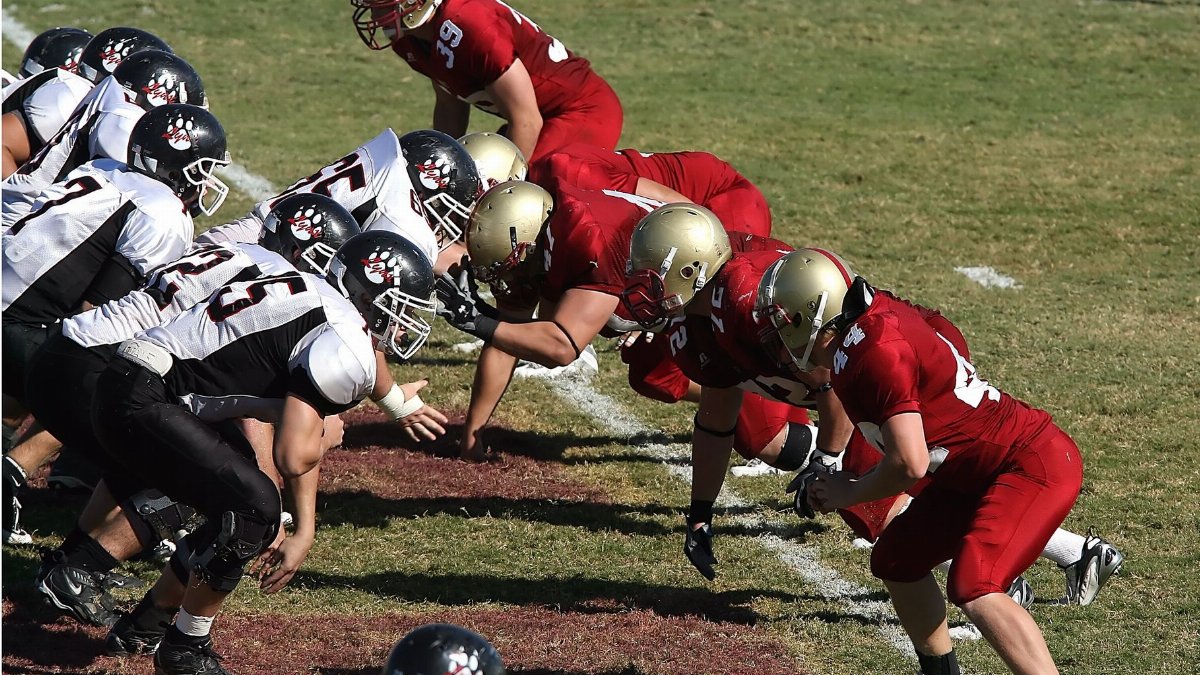
Offense draws the highlights. Defense decides whether a middling roster can bother good teams. The Bulls need a clear rule for ball pressure, a clear rule for help at the rim, and a clear rule for who rotates to the corner when the first defender is beaten. Without those rules, effort looks busy and still gives up clean looks.
Scheme has to match personnel. A switching group needs wings who can hold up against bigger players and bigs who can move their feet. A drop coverage group needs a rim protector who is content to stay home. Mixing those ideas without teaching them is how leads disappear. Among the Bulls camp questions that matter most, defensive identity is the one that shows up in every film session, even when the scoring comes easy in practice.
Which young players force a real decision
Development is a patient word until the standings make it urgent. Camp is where a prospect either demands a role or confirms that he still needs a narrower job. The useful signs are small. Does he know where to be before the coach points. Does he talk on defense. Does he take the open shot instead of hunting a harder one. Does he recover after a mistake without pouting through the next possession.
A franchise can like a player’s future and still be right to limit his present. The mistake is pretending those two judgments are the same. If a young player earns minutes, the veterans around him have to adjust. If he does not, the organization should say so with playing time rather than with vague praise. Clarity is kinder than a rotation built on guilt.
Health as the variable nobody can script

Availability is not a moral quality, but it changes every plan. A team that expects a starter to carry a certain load has to know what the next option looks like if that starter sits. Camp is the last quiet stretch to test those options before the schedule does it in public. Load management talk often hides a simpler fact. Some bodies can handle back to back nights. Some cannot. The training staff sees the difference before the box score does.
The Bulls do not need drama around every sore knee. They need a hierarchy of caution. Who must be protected in meaningless preseason minutes. Who needs live reps because rust is the greater risk. Who can slide up a position if an injury opens a hole. Those are Bulls camp questions with medical answers, and ignoring them is how a thin rotation becomes a crisis by November.
Pace, shots, and the argument over style

Style is not a slogan on a wall. It is the shot diet a team accepts when the game is tied. Some groups want to run, attack early, and live with turnovers. Others want to grind, hunt post ups, and trust half court execution. The Bulls have to pick a bias, because a roster that tries to be everything usually becomes nothing in particular.
Watch the first side of the floor in transition and the last side in the half court. If the same two players touch the ball on nearly every possession, the offense is simpler than the roster suggests. If open shooters keep passing up shots, the identity is still theoretical. Camp cannot settle every tactical argument. It can show whether the players believe the same version of the offense the coaches are drawing.
What the front office is really watching

Executives do not need camp to fall in love with a player they already signed. They need camp to test the assumptions behind the signing. Does the contract match the role. Does the role match the skill. Is there a trade or a roster cut that becomes obvious once the group is on the floor together. Those judgments are colder than a coach’s public comments, and they should be.
A patient front office is not the same as a passive one. Patience means refusing to panic after two bad scrimmages. It does not mean refusing to notice that a pairing fails every time it is tried. The best organizations leave camp with a shorter list of doubts, not a longer list of excuses. If the same problems from last spring are still sitting in the same places, the calendar has changed and the basketball has not.
The standard for a useful camp

A useful camp does not require a perfect record in exhibitions. It requires fewer mysteries. Players should know their jobs. Coaches should know their closing groups in at least two common lineup shapes. The front office should know which experiments failed quickly enough to stop spending practice time on them.
That standard is stricter than optimism and fairer than cynicism. Chicago can be competitive without pretending the West or the East will wait. The path runs through repeatable habits, not through a single viral practice clip. If the Bulls leave camp still arguing about basic roles, the season will argue back.
What fans should ignore

September invites overreading. A player who scores twenty in a ragged preseason game has not rewritten his career. A starter who looks heavy on the second day of practice has not lost his job. Noise is part of the month. The useful filter is repetition. If a weakness shows up against different lineups, on different days, in different drills, it is probably real. If a strength appears once and vanishes, treat it as a note, not a conclusion.
It also helps to separate personality from production. Leadership quotes travel well. Defensive rotations do not. A calm voice in the locker room matters, and it still does not replace a player who can stay in front of his man. Fans who want a serious read of this team should care more about who guards, who passes, and who keeps the offense from stalling than about who sounds confident at the podium.
Four answers the month has to provide

Strip the camp down and four answers matter. First, who closes. Second, which newcomers raise the level of the players already here. Third, what the defense is when the opponent attacks with purpose. Fourth, how many trustworthy minutes the roster actually contains once health and fouls enter the picture.
Those are the Bulls camp questions that survive the first road trip. Everything else is color. A team can be likable and still be unfinished. Chicago has spent enough seasons asking the public to wait for clarity. The gym is open now. The whiteboard is not a metaphor. By the time the games count, the Bulls ought to know which version of themselves they intend to defend.