
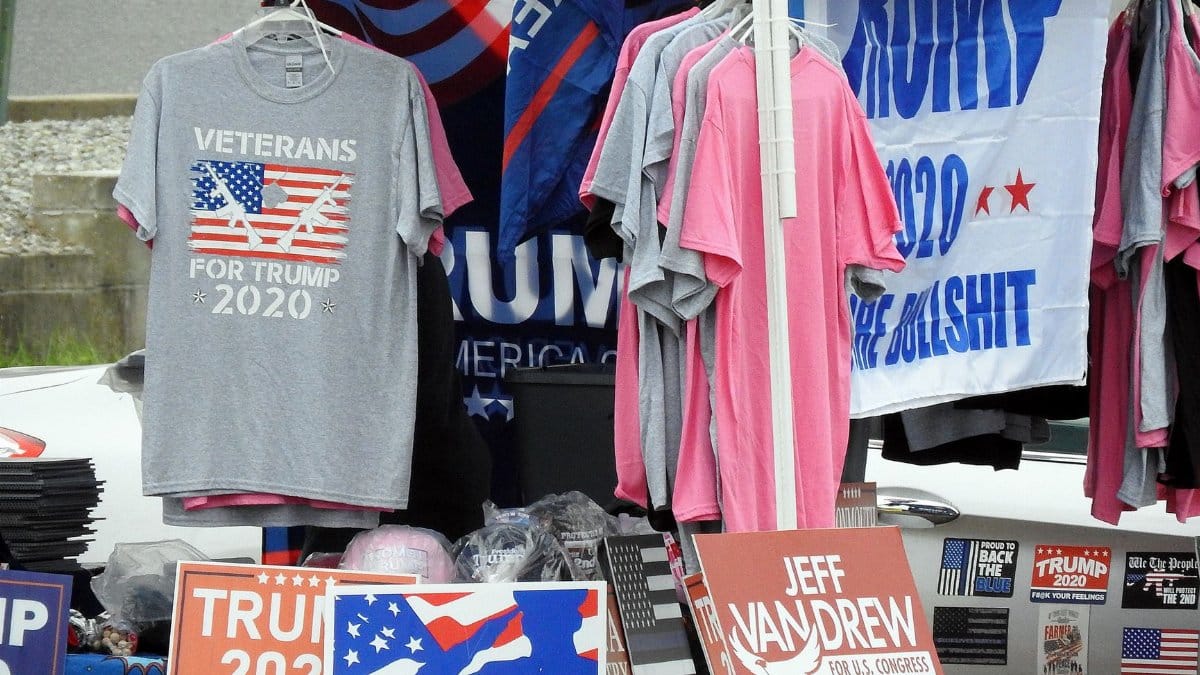
In church halls and small restaurants from Hialeah to Kissimmee, the talk has turned from loyalty to fatigue. Prices, insurance bills, and a sense that Washington hears slogans more clearly than grocery lists have cooled some of the warmth that once greeted Republican visits. That change of temperature is what Florida Hispanic voters 2026 now describes for strategists who spent the last decade treating the state as settled.
A sour mood is not the same as a new coalition
Frustration is easy to hear and hard to count. A voter can dislike a president and still distrust the party that wants that dislike to become a ballot. Florida Democrats have spent years learning that lesson in public. Nationally, many Hispanic voters remain open to Democrats. In this state, memory, migration, and local party brands pull in more than one direction. Cuban and Venezuelan communities in Miami Dade often hear left wing government as a lived warning, not a campus argument. Puerto Rican families in Central Florida often arrive with different party habits and different arguments about status, wages, and storms.
The useful question is narrower than a national headline. Can irritation with Donald Trump, especially over the cost of living, move enough people in enough places to matter in a midterm, or will it remain a private complaint that does not survive a ballot?
Why this state keeps breaking the national script
Florida is not a smaller version of Arizona or Nevada. Its Hispanic population is large, urban, and internally divided by country of origin, year of arrival, and the politics people fled or inherited. Spanish is common. So is English. A pitch that treats those voters as one bloc sounds careless the moment it leaves a conference room.
Republicans built an advantage here by talking about socialism, crime, small business, and faith in a register many families already used at the kitchen table. Democrats often answered with national messages about identity that did not match how people in Doral or Poinciana described themselves. The result was not mystery. It was repetition. Trump carried the state, and Republican candidates learned they could win Hispanic heavy precincts without softening every edge.
The bill on the table
The Democratic test this cycle is deliberately ordinary. Housing, property insurance, and the weekly cost of food are the sentences they want repeated. Florida homeowners know the insurance market as a civic emergency, not a white paper. Renters know a raise that disappears into a lease. Parents know a school fee, a car repair, and a medical bill can arrive in the same month.
That pitch has a chance because it does not require a voter to rewrite a family story about Cuba or Venezuela. It asks a simpler thing. Did the last few years make the household more secure? If the answer is no, party loyalty has to work harder. Republicans will answer that inflation cooled, that wages rose for some workers, and that Democratic governments in other cities did not deliver cheaper lives. Both sides can tell a true fragment. The voter lives with the whole bill.
Immigration, told in more than one tense
Immigration will not sit quietly while campaigns talk about premiums. Many Hispanic voters in Florida want an orderly border and also want relatives treated as neighbors rather than props. They can support enforcement and still flinch at spectacle. They can resent chaotic crossings and still resent a politics that speaks about their communities as a threat.
Democrats who treat every enforcement argument as moral failure will lose rooms they need. Republicans who treat every family with mixed status as a talking point will create the very sourness they now have to manage. The voters in the middle are not confused. They are holding two duties at once, order and dignity, and they notice which party mocks one of them.
What Democrats are willing to say out loud

The newer Democratic approach, at least in the version being tested around Florida Hispanic voters 2026, sounds less like a lecture and more like a ledger. It spends time on insurance reform, housing supply, wages in tourism and construction, and the dull work of local government. It spends less time asking people to adopt a national style of speech.
That is a correction, not a miracle. Trust is local. It is built by candidates who show up in the off year, by organizers who know which radio station a neighborhood actually hears, and by a party that can criticize its own past without apologizing for wanting to win. A single polished ad will not undo a decade of drift. A repeated, specific offer might start to.
Republican confidence, and the risk inside it
Republicans are not starting from fear. They hold the governorship, they have dominated recent statewide races, and they still own a story about communism that lands with force among exiles. Trump remains a strong brand for many of those voters, admired for toughness even when a particular policy pinches.
Confidence can get lazy. A party that assumes gratitude will outlast high premiums is making a bet, not reading a guarantee. Younger voters who did not leave Havana or Caracas themselves may respect their parents and still rank rent above ideology. Small business owners can like a tax cut and hate an insurance quote. If Republican campaigns answer every complaint with a reminder of 2024, they will sound as if they stopped listening. Listening is not the same as surrender. It is how a majority stays a majority.
Faith, family, and the words people already trust
Much of this electorate does its political thinking near a parish, a storefront church, or a Friday meal that begins with a blessing. Pastors rarely function as precinct captains, and it is a mistake to treat them that way. Still, moral language travels. People weigh a candidate by whether he seems to honor work, protect children, tell the truth about power, and leave room for mercy.
A spiritual vocabulary does not belong to one party. Democrats who speak only in programmatic nouns will sound thin in rooms where sacrifice and family are the ordinary measure of a good life. Republicans who wrap every policy in piety will sound false when the policy harms the neighbor sitting in the next pew. The voters who sour on Trump are not necessarily sour on faith. They are asking whether power still has a conscience.
The map is a set of arguments, not a color
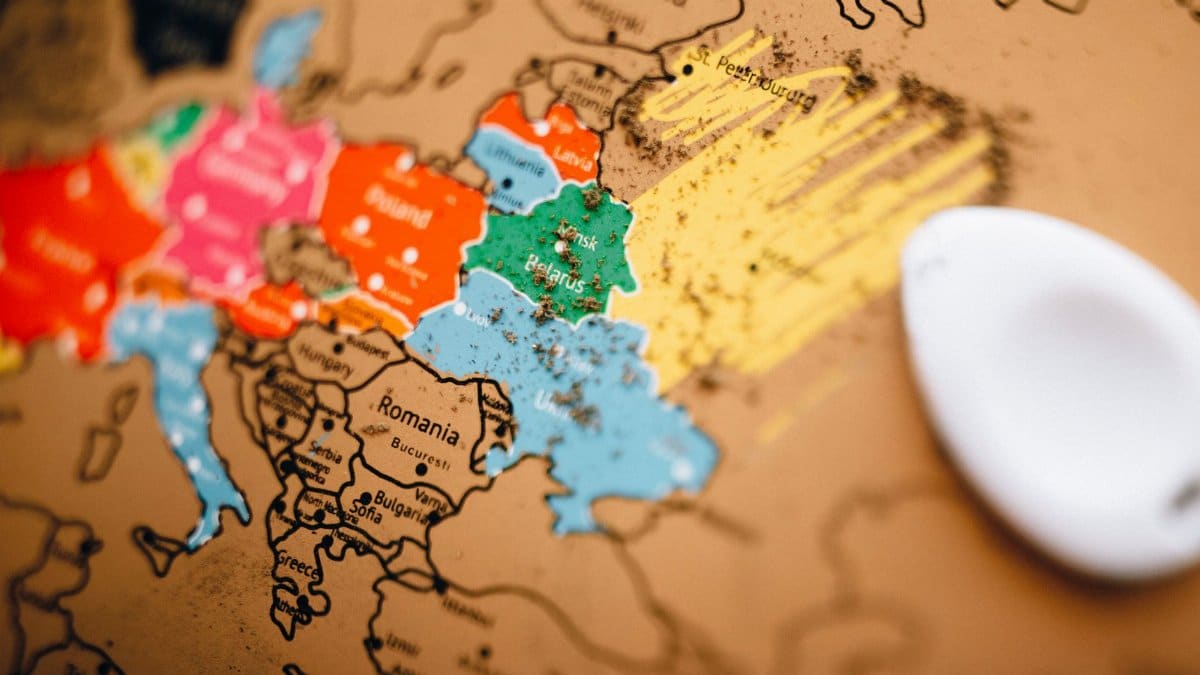
Miami Dade can move without matching Osceola. Broward is not Collier. A Cuban American precinct in Hialeah and a Puerto Rican precinct near Kissimmee can share a language and not share a conclusion. Campaigns that buy one Spanish language ad and call the work done are buying comfort.
The places that will decide whether frustration becomes seats are the ones where margins are human sized. A few thousand voters who stay home, a few thousand who split a ticket, a few thousand who decide the Democrat on the local ballot is not the caricature they were sold. Florida Hispanic voters 2026 will be misread if analysts hunt for a single swing and ignore that patchwork. The state rewards candidates who can hold two conversations without insulting either room.
Children of the realignment
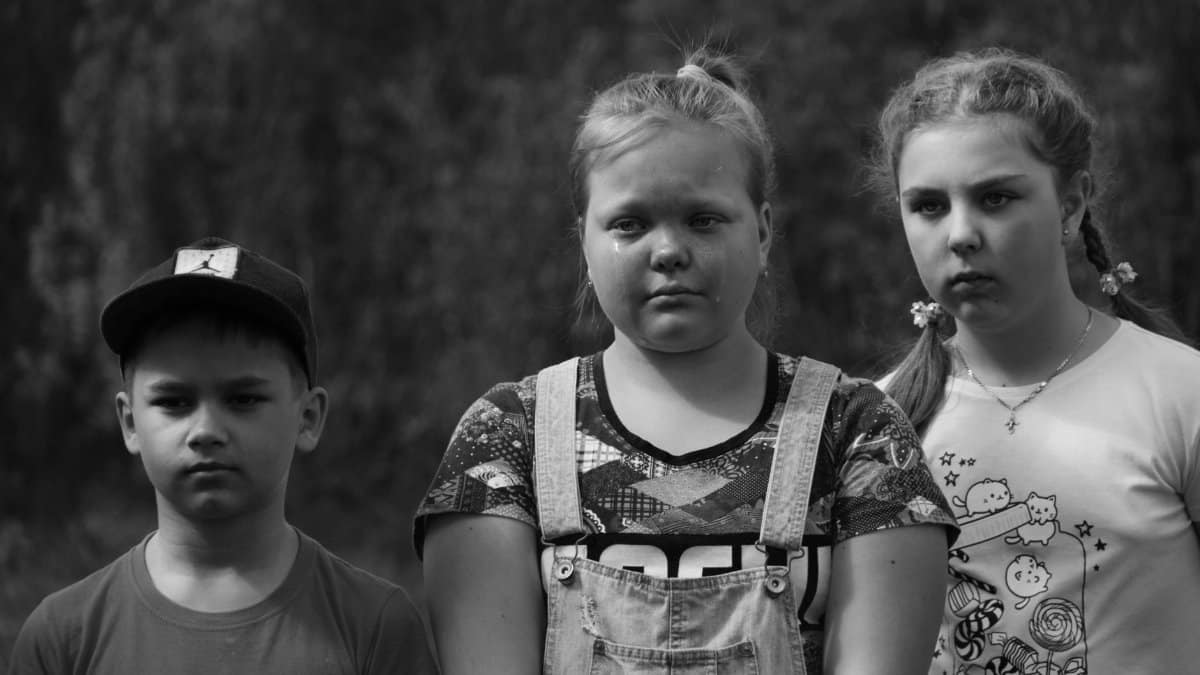
Parents who shifted right often did so with reasons their children can repeat and still decline to copy. Those younger voters grew up in Florida schools, took jobs in a state with high rents, and watched national politics as performance. Some are more secular. Some are devout and impatient with elders who equate disagreement with betrayal. Many are simply busy.
Youth is not a Democratic endowment. It is an audience that has not finished choosing. If Democrats speak to them only as a demographic rescue, they will hear the condescension. If Republicans speak to them only as heirs of a parental vote, they will hear the assumption. The pitch that works will be adult. It will name costs, name tradeoffs, and refuse the fantasy that one election erases the last one.
What a midterm can honestly prove
Midterms punish the party in power when daily life feels worse than the speeches. They also disappoint oppositions that mistake anger for agreement. A better Democratic year would not mean Florida has become a different state. It would mean a portion of Hispanic voters decided that prices, insurance, and respect outweighed habit, at least for now.
A strong Republican year would not mean those complaints were imaginary. It would mean the alternative still failed the trust test. Either result deserves a modest reading. Florida Hispanic voters 2026 is a test of whether a sour mood can be organized, not a prophecy about the next generation. The families in question have already shown they will change parties when the argument earns it. They have also shown they will not do it as a favor.