

On a cold morning in the northern suburbs of Minneapolis, physicians who had spent four days outside hospital doors walked back into corridors carrying a tentative agreement and a list of unfinished arguments. The Mercy Allina doctor contract, still subject to a vote by union members, would restart scheduled care at the Coon Rapids and Fridley campuses while leaving one of the strike’s sharpest demands unresolved. For patients who had moved appointments, and for doctors who had weighed loyalty to colleagues against loyalty to the bedside, the paper on the table was less a celebration than a pause. What follows is a look at what that pause may mean for a health system, a workforce, and a community that depends on both.
A short walkout with a long shadow

The strike lasted four days, a brief interruption by the standards of industrial labor and a startling one in a profession that has long treated walking away from patients as nearly unthinkable. Hospital medicine does not stop for a contract dispute in the way a factory line can stop. Emergency rooms stayed open. Nurses, technicians, and remaining physicians absorbed the strain. Elective procedures and clinic visits bent around the absence. The brevity of the walkout did not shrink its meaning. It showed that employed doctors at two Mercy campuses were willing to use the strongest tool a union has, and that Allina Health was willing to keep talking rather than let the dispute harden into weeks.
Four days is also long enough to reveal what a hospital actually runs on. Schedules, cross coverage, and the quiet knowledge of who handles which complication do not live only in a staffing grid. They live in people. When those people step outside, administrators discover which services can be deferred and which cannot. Patients discover how fragile a familiar appointment can feel. That discovery will outlast the picket signs.
What the campuses actually are
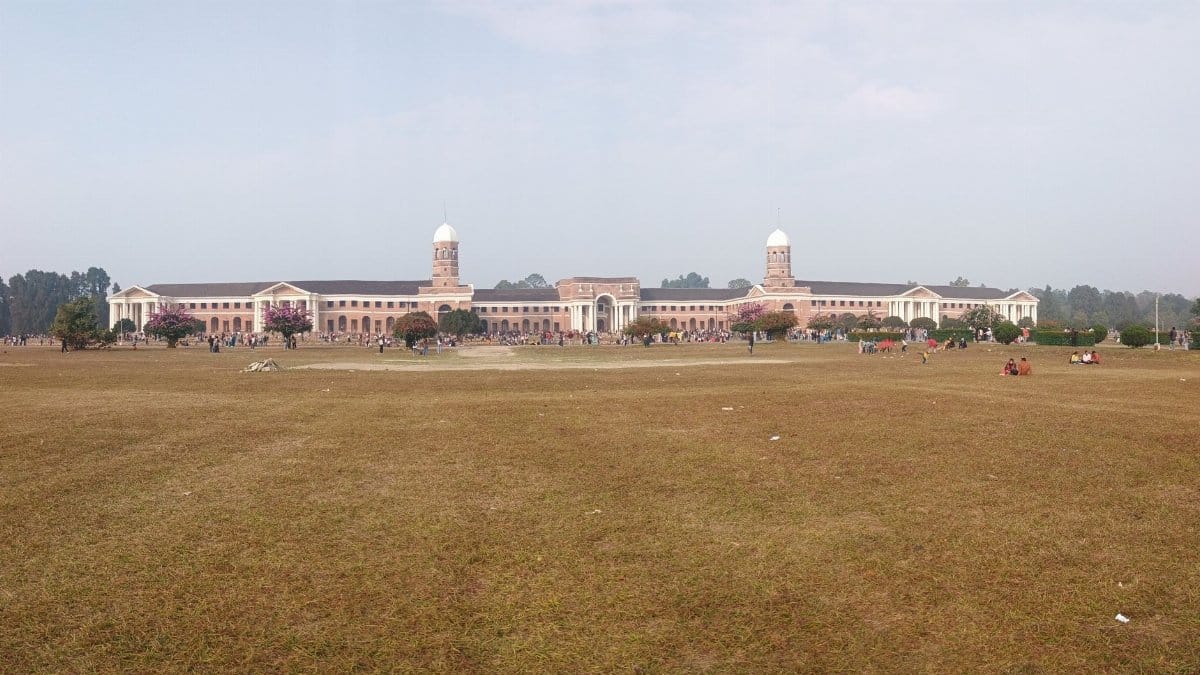
Mercy Hospital in Coon Rapids and the Fridley campus, once known as Unity, sit in suburbs that have grown faster than many residents expected. They are not flagship towers in a downtown medical district. They are the places where a parent takes a feverish child at midnight, where an older neighbor goes for a knee replacement, where a heart attack arrives by ambulance from a highway exit. Allina Health ties those campuses to a larger network of clinics and hospitals across Minnesota and western Wisconsin. A contract fight at two sites therefore echoes beyond two parking lots. It tests how a system treats physicians who are employees rather than independent owners of a practice.
That employment model is now ordinary in American medicine, and it changes the moral weather of a strike. A doctor who bills under a personal practice can argue with an insurer. A doctor on a health system payroll argues with an employer who also controls the operating room, the electronic record, and the call schedule. The Mercy dispute sat inside that newer arrangement.
Autonomy language and why it mattered

According to reporting on the tentative settlement, union physicians secured language on clinical autonomy and did not secure sick pay. Those two outcomes are not equal in the public imagination, and they should not be treated as equal in the hospital either. Autonomy language is an attempt to write into a contract something physicians have always claimed as a professional duty: the right to make care decisions without improper pressure from productivity targets, staffing shortcuts, or administrative scripts. Sick pay is concrete money and time. Autonomy is a boundary. Both shape whether a doctor can practice in a way that feels honest.
Readers should be careful about what contract language can and cannot do. A clause does not by itself stop a crowded emergency department or hire another hospitalist for the night shift. It can, if it is specific and enforceable, give doctors a documented basis to refuse orders that compromise judgment, and a process for challenging them. Vague promises about respect tend to dissolve the first time census spikes. Precise promises about who decides a discharge, who sets a panel size, and how disagreements are reviewed can survive a bad month. Whether the Mercy Allina doctor contract contains that kind of precision will be clear only when members read the full text and, later, when someone tries to use it.
The sick pay demand that did not land

The absence of sick pay is the part of the deal most likely to sting on a ratification ballot. Physicians are often assumed to be well paid enough that a sick day is a private inconvenience rather than a household crisis. That assumption flattens a workforce that includes early career doctors with loans, parents covering child care, and clinicians whose income depends on shifts they cannot miss. It also ignores infection control. A doctor who comes to work febrile because lost wages feel unacceptable is a risk to patients, not a model of dedication.
Hospitals have long relied on a culture that treats illness in the healer as a personal failure of stamina. Contract talks are one of the few places that culture can be priced and refused. In this round, the refusal held. Union members will have to decide whether autonomy language is enough compensation for a benefit they did not win, or whether the four day strike bought a foothold they can return to in the next negotiation. Neither reading is obviously cynical. Both are rational.
Patients who were not at the table
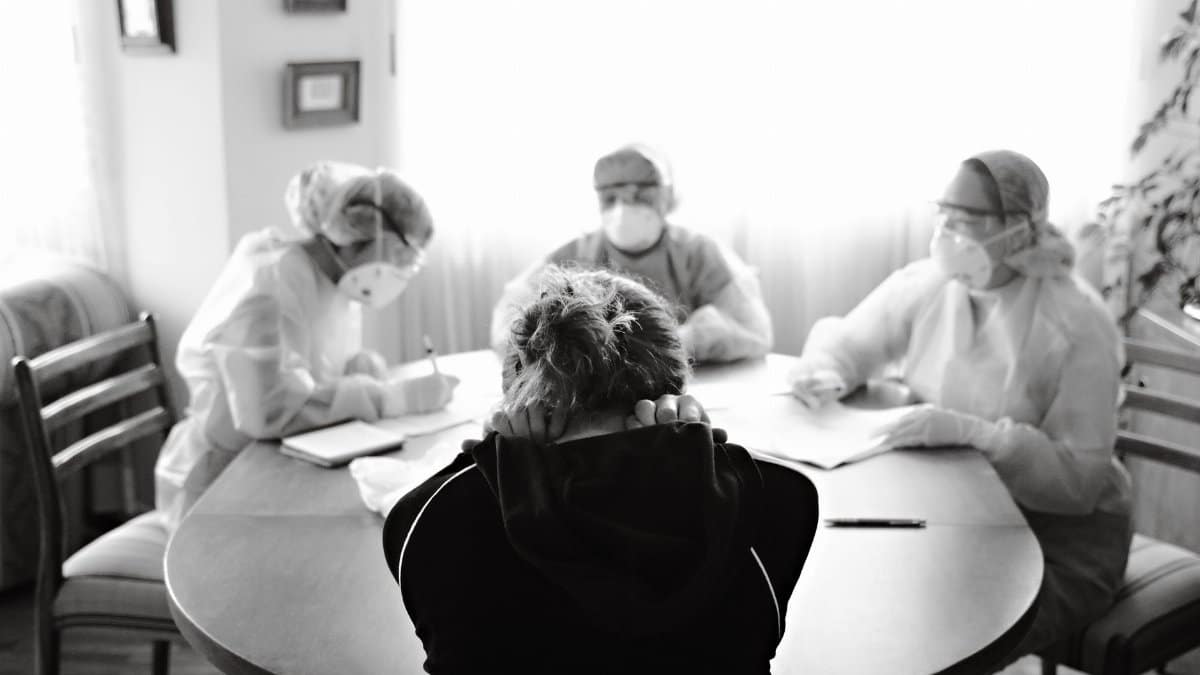
No contract is only a document between an employer and a union. At Mercy, the third party is everyone who needed a bed, a scan, or a familiar physician during those four days and in the weeks of scheduling repair that follow. Delayed colonoscopies and moved prenatal visits do not make headlines, yet they are how a labor dispute enters a kitchen conversation. Health systems tend to say that patient safety was never compromised. Unions tend to say that safety was the reason they struck. Both claims can be partly true. Emergency capacity can hold while routine care frays, and frayed routine care is not a minor thing for the person living inside it.
Trust, once bent, does not snap back because a tentative agreement is announced. Patients will watch whether the doctors they know return, whether wait times ease, and whether anyone explains what changed. Silence from the institution, or triumphal language from either side, will land poorly with people who simply wanted their Thursday appointment kept.
How employed doctors came to a picket line

For most of the last century, American physicians organized through professional societies, not bargaining units. The shift toward employment by large systems altered that habit. When a doctor cannot set fees, hire staff, or walk away from a contract without leaving a community, collective bargaining starts to look less like a betrayal of the white coat and more like the only lever left. Minnesota has seen that shift in nursing for decades. Physician unionization is newer, smaller, and still surprising to many patients who meet their doctor as an individual rather than as a member of a workforce.
The Mercy action belongs to that newer chapter. It does not prove that every employed doctor in the country is ready to strike. It does show that the taboo has a crack in it, at least in one suburban system, and that a short, disciplined walkout can produce a tentative deal rather than a collapse of talks. Other medical groups will study the sequence: what was asked, what was written down, what was left on the table, and whether the public turned away.
Allina and the weight of a system

Allina Health is not a single building with a single mood. It is a nonprofit system with a board, a bond rating, a brand, and a public expectation that mission language means something when money is tight. Systems of that scale negotiate with an eye on precedent. A concession on sick pay at Mercy could be cited at the next table. A concession on autonomy could be cited the same way. Management’s job, as management sees it, is to keep those precedents from multiplying faster than the budget. Labor’s job is to make the precedent anyway, because a right that exists at one campus and not another becomes a rumor rather than a standard.
That structural tension explains why a four day strike can end without either side getting a clean win. Allina can say care resumed and costs were contained. The union can say doctors forced a conversation about judgment into writing. Both statements can be issued on the same afternoon and both can be incomplete. The Mercy Allina doctor contract, if ratified, will be read in other Allina conference rooms as a map of what this employer will accept under pressure.
Ratification is not a formality
Tentative means the bargainers agreed and the members have not. In a physician unit, that vote is intimate. People who share call schedules and complications will mark ballots knowing they must work beside one another the next morning either way. A narrow approval can leave a minority convinced they were sold short on sick pay. A rejection would send negotiators back with less mystery about what the rank and file will tolerate, and with more risk that the next action lasts longer than four days. Leaders on both sides have an interest in a clear result. Clarity is not the same as enthusiasm.
Members will look for answers that press releases rarely give. How is autonomy enforced, and by whom? What happens if a physician invokes the language and an administrator disagrees? Are there timelines, or only aspirations? Does anything in the text address staffing levels, or is staffing left to side letters and good will? A contract that cannot be explained in plain speech to a night shift will not feel like protection when the night shift is short.
Money, mission, and the language of calling

Medicine still attracts people who describe the work as a calling, a word with a spiritual residue even in secular hospitals. That residue is useful and dangerous. It is useful because patients want clinicians who feel answerable to something beyond a shift differential. It is dangerous when institutions treat vocation as a substitute for rest, pay when ill, or the freedom to say no. A doctor can believe the work is sacred and still insist on a contract that does not punish illness or outsource judgment to a dashboard. Those positions are not in conflict. Pretending they are is how hospitals burn through the very devotion they praise in recruitment brochures.
The Fridley and Coon Rapids physicians did not frame their strike as a sermon, and it should not be rewritten as one. Still, the argument underneath the Mercy Allina doctor contract is moral as well as financial. Who is allowed to decide what good care looks like in a given room, at a given hour, with a given patient? If the answer is only the person who controls the budget, the calling becomes a slogan. If the answer includes the person at the bedside, with rules that can be invoked without retaliation, the calling has a structure. Structure is less romantic than sacrifice. It lasts longer.
What the public record does and does not show

Local coverage, including the Star Tribune account of the tentative deal, is the right place to start for readers who want the sequence of the strike and the outline of the settlement. That reporting is here: Mercy doctors reach tentative deal with Allina after strike. It is not a substitute for the contract itself. Journalists summarize. Members ratify. Patients live with the result. Anyone claiming a precise wage figure, a vote margin, or a secret side agreement that has not been published is ahead of the documents. This account stays with what has been publicly described: a short strike, a tentative pact, autonomy language gained, sick pay not gained.
That restraint is not indifference. It is how a reader stays oriented when both parties have incentives to shade the story. Allina will emphasize continuity of care. The union will emphasize what was won against a large employer. The honest middle is that care was disrupted on purpose for four days, then a bargain was reached that settles some questions and postpones others.
A workforce watching from other cities

Physician groups elsewhere will not copy Mercy line for line. State labor law, union density, and the personality of a given system all change the math. What travels is the demonstration that a strike measured in days, not months, can move a nonprofit health system to write autonomy into a tentative agreement. What also travels is the warning that benefits with a clear dollar cost, such as sick pay, may be the hill an employer chooses to hold. Organizers who promise members everything in a first contract will have to explain that trade. Employers who assume doctors will never again walk out will have to explain the picket line that just happened north of Minneapolis.
Nursing unions, already seasoned in this region, will watch whether physician bargaining helps or complicates their own tables. Sometimes crafts inside one hospital lift one another. Sometimes they compete for the same constrained dollar. Mercy does not settle that question. It puts it in the room.
The days after the signs come down

When a strike ends, the practical work is dull and decisive. Schedules must be rebuilt. Charts must be caught up. Colleagues who covered extra shifts will want acknowledgment that is more than a thank you email. Physicians who struck will want to know they are not quietly marked for worse assignments. Administrators will want volume to return so that the financial dent of four days does not become a story they have to tell a board. None of that labor appears in a headline about a tentative deal. All of it determines whether the deal feels real by the end of the month.
Patients can help themselves in small ways while that resettling happens. Confirm appointments rather than assuming the old time survived. Ask who is covering if a familiar physician is off the schedule. Bring a written list of medicines, because handoffs fail more often after a disruption than during a quiet week. These are ordinary precautions. They matter more when a hospital has just been through an extraordinary one.
What would count as success a year from now

A year is a fair test of contract language. If physicians at Coon Rapids and Fridley can point to moments when the autonomy clause changed a decision, or at least gave them a hearing they would not otherwise have had, the strike purchased something durable. If the clause sits unread in a PDF while staffing and throughput pressures continue unchanged, the language was ceremonial. If sick calls are still treated as personal failures, the lost demand will keep its sting. If the next round of talks opens with sick pay still on the table and with both sides less shocked by the idea of a walkout, the four days will have done the quieter work of resetting expectations.
Success for Allina would look different and should be stated honestly. A ratified Mercy Allina doctor contract that physicians will actually live under, without an immediate return to crisis bargaining, is a management outcome as well as a union outcome. A system that cannot keep doctors is not a system that can keep its mission statement. Retention, not rhetoric, will be the number worth watching, along with whether suburban patients still feel they can get in the door without a saga.
A pause, not a conclusion

The tents and signs are down. The tentative agreement is a bridge between a strike and a vote, not the end of the argument about how employed physicians should be governed. Coon Rapids and Fridley will go back to the ordinary emergencies that never cared about bargaining calendars. Somewhere in those buildings, a doctor will get sick, or will be asked to move faster than judgment allows, and will discover whether the new words on paper have any weight. That discovery, more than the press statements, is the real text of the Mercy Allina doctor contract. Until members vote, even that text is still a draft. The community that depends on these hospitals has every reason to read the next chapter closely, and no reason to mistake a pause for peace.