
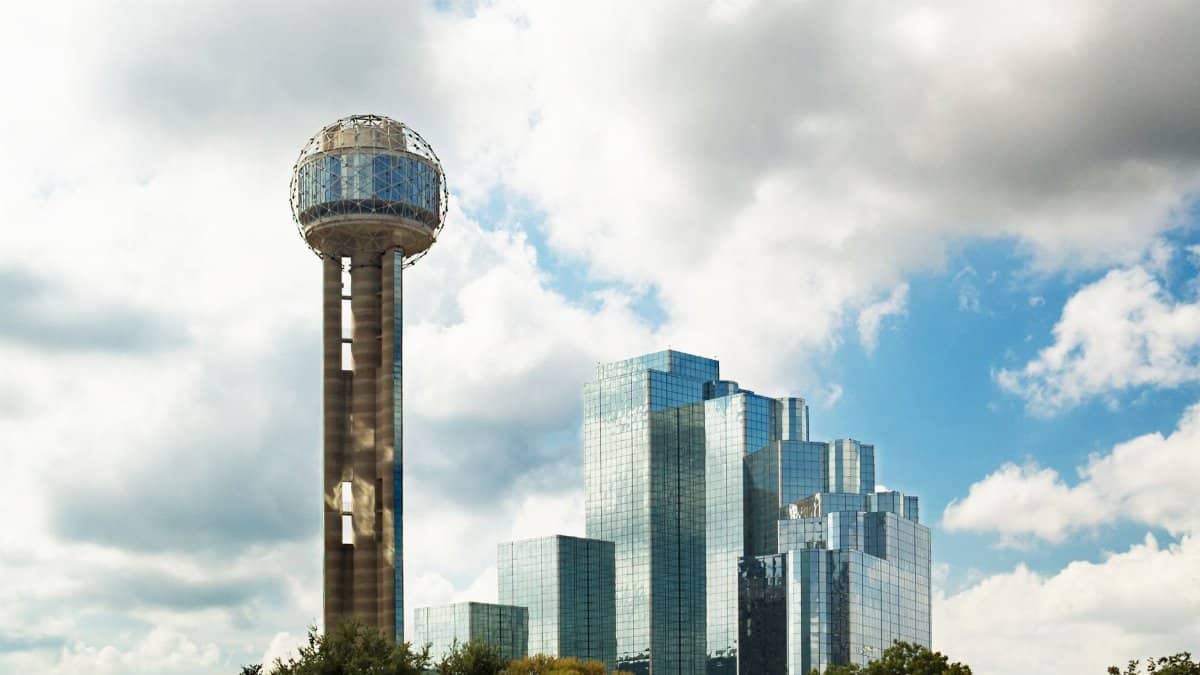
On a stretch of Ross Avenue where glass towers still advertise the ambition of an earlier office boom, a large downtown building is moving toward a public reckoning with its debt. The 2100 Ross foreclosure has become a concise label for a longer story about unpaid principal, a softer market for workspace, and the question of who will own a prominent address when the auction work is done. County filings and local business reporting describe a loan of about $79 million that has not been kept current. For readers who remember when downtown towers stood for corporate permanence, the episode is less a surprise than a reminder that concrete and glass do not retire a mortgage.
A tower with a long downtown history
2100 Ross Avenue sits in the core of downtown Dallas, among towers that once drew law firms, banks, and energy companies into the same few blocks. The property has been known as a substantial office building rather than a small boutique conversion. That scale matters when a lender studies replacement tenants and the cost of elevators, lobbies, and mechanical systems. Owners of buildings like this have spent years adjusting to shorter leases and to companies that need less space per employee. None of that history erases the mortgage. It does explain why a foreclosure notice can feel abrupt to people who still see the tower as a fixed part of the skyline, a place that has outlasted several leasing cycles and more than one fashion in corporate interiors.
The address also sits inside a district that city leaders have tried to thicken with residents, parks, and evening life. An office tower does not become a neighborhood by itself, yet it shapes the block around it. Ground floor activity, lobby traffic, and the simple fact of lights in upper windows tell pedestrians whether the district is holding together. A distress sale does not demolish that role. It puts the role under new ownership, with a balance sheet that may be less patient than the one that financed the building in a stronger year.
The unpaid loan behind the auction
Public accounts of the case center on a loan of roughly $79 million. When payments stop, the lender or the special servicer that handles a troubled commercial mortgage can move the file from negotiation into enforcement. That shift is what places the property on a path toward auction. The phrase 2100 Ross foreclosure captures that legal turn, not a judgment about the architecture or the people who work inside. Borrowers sometimes seek extensions, new equity, or a discounted payoff. Lenders weigh those offers against the chance of a cleaner title after a sale. If talks fail, the calendar of the foreclosure posting becomes the schedule that matters more than any private memo.
Large office loans are underwritten on a stack of assumptions: occupancy, rent growth, expenses, and the price a buyer might pay years later. When several of those assumptions weaken at once, the cushion disappears. The unpaid balance then sits above what many buyers will offer in a private sale. Foreclosure is one way to force that gap into the open. It is blunt, and it is public, which is why a single tower can draw more attention than a quiet deed in lieu that never reaches the courthouse calendar.
How a Texas foreclosure sale usually unfolds
Texas commercial foreclosures often proceed through a nonjudicial process when the deed of trust allows it. The lender posts notice, the property is offered at a designated place and time, and a bidder, frequently the lender itself through a credit bid, can take title if no higher cash bid appears. A posted auction is not proof that the doors will lock the next morning. Many postings are delayed, worked out, or bought in by the lender. Still, the posting is a real legal event. It tells the market that the debt is in default and that ownership may change without a privately negotiated sale.
For people following the 2100 Ross foreclosure, the useful question is practical. Who is willing to write a check, and on what assumptions about future rent? Cash bidders must also think about closing costs, immediate repairs, and the time required to learn every lease. A credit bid can look large on paper while transferring little new money into the building. Readers should watch the outcome, not the theater of the announcement, and should remember that a postponed date is common when lawyers are still trading term sheets.
Tenants and the daily life inside the building
Foreclosure is a title event. Leases do not vanish because a loan is unpaid, though the wording of each lease and the result of the sale can change who collects rent and who approves improvements. Tenants tend to care about air conditioning, security, and whether a new owner will invest or simply hold the asset. Employees who commute to Ross Avenue will not see the capital stack on the way through the lobby. They will notice if common areas dim, if vendors are paid late, or if a new owner arrives with a renovation plan.
Responsible coverage separates those operational questions from rumor. Until a sale closes and a manager speaks plainly, the daily routine is the surest fact. Brokers who represent tenants in distress situations usually advise clients to read default clauses, confirm where rent should be sent, and keep records of service requests. None of that advice is unique to this tower. It is the ordinary discipline of occupying space whose owner is under pressure, and it matters more to a law firm or a consulting shop than any headline about the loan balance.
A downtown office market still searching for footing
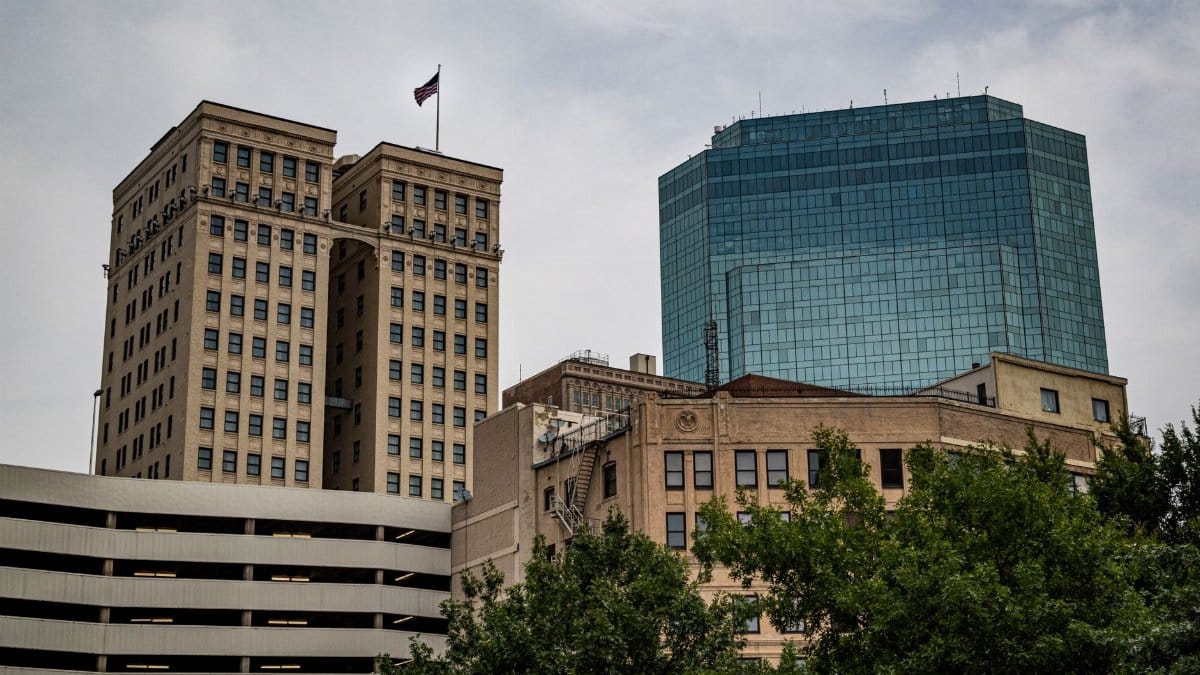
Dallas has added residents downtown and has celebrated new restaurants, parks, and transit links. The office side of that story is harder. Vacancy in the urban core has stayed elevated as firms consolidated floors and as some employers kept hybrid schedules. Buildings with older systems compete against newer towers and against suburban campuses with parking at the door. A foreclosure in that setting is not an isolated morality tale. It is one way a market reprices space that no longer supports the debt written in a stronger leasing cycle.
Analysts who track the metro area have described a split market. Well leased buildings with credit tenants sit on one side. Underused floors sit on the other. 2100 Ross belongs to the class of assets where the gap between loan balance and likely value is the whole dispute. That split also explains why some downtown blocks feel busy at lunch while upper floors stay dark. The city can be gaining residents and still be losing the kind of daytime office demand that once filled these towers from the second floor to the roof.
Lenders, servicers, and the pressure to resolve debt

Commercial mortgages on large offices are often placed into securities and watched by a special servicer once they default. That structure can slow decisions, because the servicer must follow a servicing agreement and consider bondholders who do not sit in Dallas. A borrower who wants time must offer a plan that beats foreclosure on the numbers. A lender that forecloses may prefer control of the building to a long discount negotiation. Neither side is required to narrate the talks. What the public sees is the posting, the auction date, and later a deed.
In the 2100 Ross foreclosure, that visible layer is the unpaid debt of about $79 million and the move toward a sale. The invisible layer is the spreadsheet of rents, expenses, and capital needs that will decide whether a third party bids or the lender takes the keys. Servicers also face timing rules and appraisal updates that can make a workout look worse on paper than a borrower expects. Those mechanics are dull. They are also why seemingly promising talks can end with a notice on a courthouse board rather than a revised loan.
What an auction price would signal
An auction price is a data point with limits. A credit bid by the lender can set a number that reflects the debt more than an open contest among many buyers. A cash bid from an investor signals that someone believes the tower can be leased, recapitalized, or held until downtown demand improves. Either result tells neighboring owners something about where bids clear. It does not prove that every older tower is impaired, or that downtown is finished as an office district. The signal is local first: this address, this loan, this moment in the cycle.
If the price lands far below the unpaid balance, the loss sits with the lender and, behind the lender, with investors in the mortgage. If a buyer stretches, the signal is that the location still has believers. Reporters and readers should resist turning one clearing price into a verdict on the whole city. Comparable sales, vacancy, and the cost of bringing systems up to date all belong in that reading. A single morning at auction cannot carry the full weight of the downtown office market, even when the building is large enough to be noticed from several blocks away.
Taxes, streets, and the civic stake

A tower in foreclosure still sits on a tax roll. Dallas and other local governments depend on commercial property for a large share of revenue that supports streets, courts, and schools. A lower assessed value, if it follows a distress sale, does not collapse a city budget overnight. It does add one more property to a list of downtown offices whose taxable value is under pressure. Neighbors have a stake as well. An empty or poorly kept tower can dull a block even when the legal owner is current on every filing.
A new owner with capital can do the opposite, funding repairs that make the sidewalk feel tended. Civic interest here is practical, not sentimental. The building should remain safe, occupied to the extent the market allows, and clear about who is responsible for it. City officials rarely control a private foreclosure, yet they feel its side effects in permitting questions, police calls, and the optics of a dark lobby on a major avenue. Keeping those side effects small is a modest goal, and it is the right one.
After the gavel, the harder work begins

Taking title is the start of an operating job. The new owner must learn the leases, the mechanical condition, and the expectations of remaining tenants. Insurance, property taxes, and vendor contracts need a clean handoff. If the lender is the buyer, it may hire a broker and a manager while it looks for a later sale. If a private firm wins, it may arrive with a plan already written: renew the strongest tenants, spend on the lobby, and wait for rents to firm. None of that is guaranteed by the auction itself.
The 2100 Ross foreclosure will be remembered less for the morning of the sale than for what the next owner does with the floors that do not yet pay their way. That is the unglamorous part of real estate, and it is the part that determines whether the tower returns to the ordinary category of a downtown workplace. Capital for elevators, facades, and tenant buildouts will matter as much as the winning bid. Without that spending, a new deed is only a change of name on a problem the market has already priced.
Why the address still matters

Ross Avenue has carried downtown Dallas through several eras of growth and retreat. One foreclosure does not rewrite that avenue. It does show how quickly a celebrated office bet can become a legal notice when leasing lags the loan. Readers in other industries can recognize the pattern. Debt assumes a future. When the future arrives thinner than the model, the contract has a remedy, and that remedy is public enough to make the newspaper. The fair way to watch is to track filings, auction results, and later leasing, not to treat the tower as a symbol of civic failure or of inevitable revival.
For now the facts are plain enough. A large office building at 2100 Ross Avenue is headed toward auction after unpaid debt on a loan of about $79 million. Whether the sale resets the owner or merely pauses the argument, the skyline will still show the same glass. The question worth following is who will be accountable for the building when the posting period ends, and whether that owner has the patience to lease space in a downtown market that is still finding its next steady use.