
On a late September evening, when the heat over southeast Houston finally loosens its grip, a stadium built for football will trade yard lines for a different kind of roar. Karol G Reliant Stadium is the pairing now circled on local calendars, a Colombian star whose songs move through group chats and car speakers, booked into a venue many Houstonians still name the way they did years ago. The show is set for September 27. It sits near the top of a week that also brings a classic rock return a few nights later, a reminder that this city does not settle on a single soundtrack.
A week when the city listens in public
Houston rarely lacks for something to do. What changes from one week to the next is which rooms fill, and with whom. This stretch of the calendar puts a global pop act in a football stadium and, days later, adds a date for Rush on October 1. The two bookings do not compete so much as they sketch the range of a metro area that can hold both. One crowd will sing in Spanish and English under open sky and steel. Another will chase guitar lines that have lived in American radio for decades. Together they make a simple point: live events here are not a niche. They are how a sprawling city briefly agrees to be in the same place.
Listings editors tend to treat such weeks as a service, a short map of what is worth leaving the house for. Readers treat them as permission. A name on a page becomes a group text, a babysitter, a rideshare, a decision about whether the week still has room for joy.
Why the old stadium name still travels
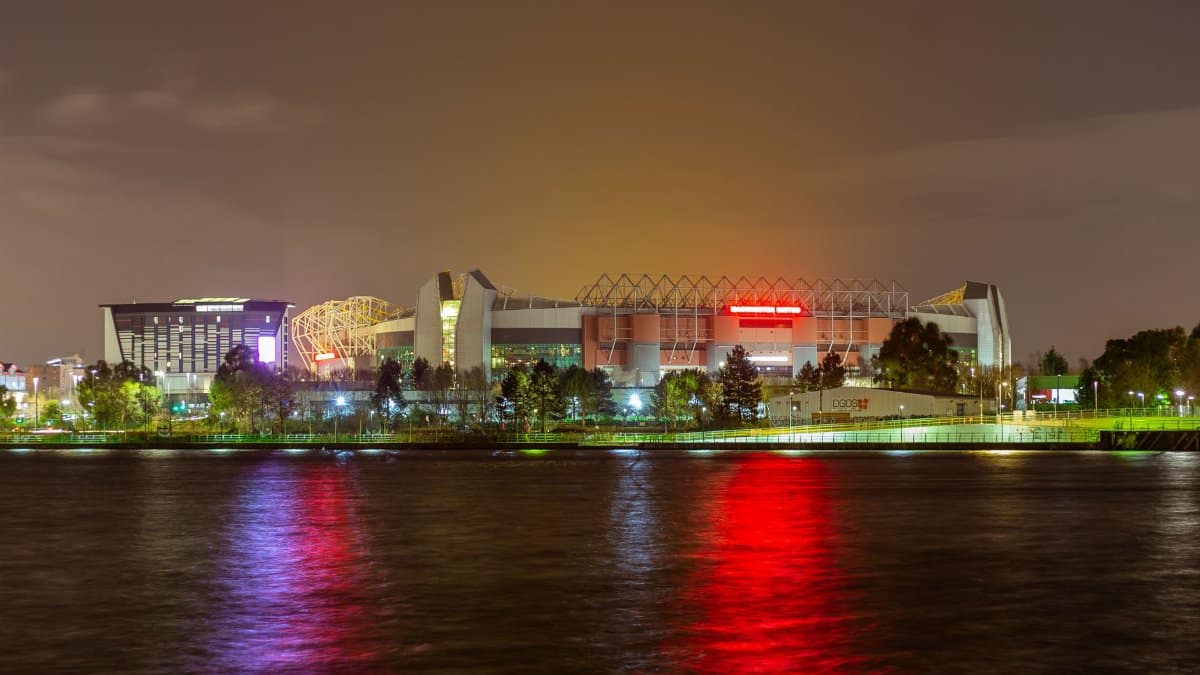
Ask for directions to the show and you will hear two names for one building. The venue on Kirby Drive opened in 2002 as Reliant Stadium, tied to an energy company whose brand later changed. Since 2014 the official name has been NRG Stadium, part of the larger NRG Park complex that also holds the rodeo, conventions, and the occasional spectacle that does not fit indoors. Memory is slower than branding. People who watched Texans games, Super Bowls, and livestock shows under the old sign still say Reliant without thinking they are wrong. Search interest follows that habit.
That is why Karol G Reliant Stadium reads, to many locals, less like an error than like a dialect. The phrase points to a real gate, a real field, and a real night, even if the letters on the facade have changed. Journalists can note the update without scolding the audience for the name it kept.
The artist walking into that building
Karol G, born Carolina Giraldo Navarro in Medellín, built an audience the long way: singles, collaborations, and a stage presence that treats a chorus like a conversation. Albums such as KG0516 and Mañana Será Bonito pushed her from Latin charts into stadiums across the Americas and Europe. Reggaeton, pop, and the occasional ballad sit side by side in her sets. The through line is not a genre label. It is the sense that the listener is being let in on something personal that somehow also belongs to a crowd of thousands.
Her rise matters in Houston for reasons that are demographic and simply musical. The region has one of the country’s largest Hispanic populations, with deep Colombian, Mexican, Central American, and Caribbean communities that do not share one taste but do share a habit of showing up when the songs feel like theirs. Plenty of fans who grew up on English language radio will be in those seats too. A stadium date is where those circles overlap.
What a field show asks of a city
A club can absorb a surprise sellout with a longer line. A stadium cannot. Tens of thousands of people, the football configuration at NRG holds a little over 72,000, though a concert stage changes the count, have to arrive, park, clear security, and leave without the night turning into its own traffic story. NRG Park sits south of downtown, near the light rail’s southern end, which gives some fans a way around the lots. Others will come from Katy, Pasadena, The Woodlands, and points farther out, timing dinner against a kickoff that is not a kickoff.
The building itself was engineered for spectacle: a retractable roof, a field that can be covered, sightlines meant for a ball in the air. Pop production uses that scale differently. Screens do the work that proximity used to do. Pyrotechnics and bass have to read in the upper deck as well as on the floor. When it works, the distance becomes part of the thrill. When it does not, people remember the walk more than the bridge.
Rush, and the other temperature of the week
Four nights after Karol G, Rush has an added Houston date on October 1. The pairing is accidental in the way calendars often are, and still instructive. One act represents a present tense Latin pop moment that streaming made borderless. The other represents a catalog that fans have defended, diagrammed, and loved across generations. Houston has room for both without forcing a moral about taste. A city that refines oil, ships cargo, treats patients, and writes code is not required to have one cultural identity on a Thursday and another on a Monday. It can have several, loudly, in the same week.
For anyone planning a household schedule, the practical difference is age mix, volume, and how late the parking lots empty. The cultural difference is smaller than marketing likes to claim. Both nights are about people who decided a recording was not enough.
Language, memory, and the people in the seats
Walk the concourse before a Karol G show and the soundtrack starts early. People trade lyrics they already know. Parents bring teenagers who discovered her on a phone. Couples treat the date like an anniversary they did not have to invent. Spanish carries a lot of the night, but Houston crowds are used to more than one language in a single sentence, and the hooks are built to survive that mix. You do not need a translation to understand a chorus that keeps promising that tomorrow can be kinder than today.
That promise is not theology, and it should not be dressed up as one. It is still a kind of public hope. In a category of news that watches how people gather and what they reach for, a stadium singalong counts. Karol G Reliant Stadium will function, for a few hours, as a temporary parish of strangers who know the same words. They will go home to different neighborhoods. The shared part is the point.
Getting there without turning the night into a project
Veterans of Texans games already know the drill, and it transfers. Arrive earlier than optimism suggests. Decide on rail or a lot before you leave the house. Screenshot the ticket, because cell service in a full bowl is a rumor until it is not. Water, patience, and a clear meeting spot for the group will do more than any last minute hack. Rideshare pickup zones after stadium events are their own sport. If someone in the party cannot stand for three hours, the seating map matters more than the view from a social post.
None of this is glamorous, which is why it belongs in a preview. The show people remember is often the one where the logistics did not become the story. Houston has hosted enough mega events, from the rodeo to the Super Bowl, to know the difference between a crowd and a crush. Organizers, transit, and police will carry most of that weight. Fans carry the rest by not treating arrival time as a suggestion.
Hotels, shifts, and the money around the music
A single concert does not remake a regional economy. It does move money in a visible way: hotel rooms near the Medical Center and downtown, extra covers at restaurants on Kirby and in Midtown, wages for stagehands, security, and concessions, parking fees that irritate everyone and still get paid. Workers on evening shifts adjust. Bars within a short ride staff up. The effect is local and brief, which does not make it trivial for the people whose Friday depends on it.
There is a quieter ledger too. Tickets at stadium prices sort the audience. Not everyone who loves the songs can afford the floor, or the night off, or the babysitter. A honest preview says the date is a civic event without pretending it is equally open to every fan. Resale markets will test that further. The music remains available to anyone with a speaker. The room, on this particular night, is not.
How a listing becomes a plan

Most readers will meet this show the way they meet half the culture now: a recommendation in a newspaper roundup, a friend’s photo, an alert from a ticket app. The Houston Chronicle’s entertainment listings are built for that glance, a week’s worth of reasons to leave the couch. Karol G Reliant Stadium earns the glance because the scale is unusual and the name is already in the air. Rush earns it because an added date is a second chance for people who missed the first announcement. Neither item needs hype to be useful. They need a date, a place, and enough context to decide.
I have sat in enough Houston venues, from small rooms on Washington Avenue to the loud bowls on the south side, to know that the decision is rarely only about the headliner. It is about who you want beside you when the lights drop, and whether the week still has an empty square on the calendar. This one does, if you move.
What the night is for
Strip away the production and a stadium concert is an old idea. People gather, someone sings, everyone else answers. The technology is new. The need is not. Karol G has written a career on the feeling that private disappointment can be said out loud and, once said, can turn into something closer to company. Putting that feeling in a building designed for athletic combat is a little absurd and completely Houston. The city likes big rooms. It likes emotion that does not apologize for being large.
On September 27 the roof may be open or shut depending on weather and design, and the set list will belong to the artist, not to the preview. What can be said now is simpler. A major voice in global pop is using one of Houston’s largest stages, under a name residents still recognize, in a week that also makes space for Rush. If you are going, go early. If you are not, you will still hear about it, from a coworker’s voice gone hoarse or a video that cannot quite capture the low end. That, too, is how a live calendar works. It marks the city, briefly, as a place where strangers agreed to sing.