

On a humid July morning in Delaware County, the green carts at the curb looked ordinary, almost forgettable, until the scale tickets came back. Township crews had hauled away mountains of melon rinds, coffee grounds, and grass clippings that once would have ridden with the garbage. The Haverford compost program, as reported in July collections, turned 162 tons of organics into compost and trimmed trash by 141 tons, a cut of more than 140 tons in a single summer month. For a suburb that still argues about leaf piles and parking, that is not a slogan. It is a measurable change in what leaves the township and what stays behind as soil.
What the July scale tickets recorded

The headline number is easy to repeat and harder to picture. One hundred sixty two tons of organics is not an abstract climate unit. It is the weight of kitchen scraps and yard trimmings that residents set out instead of bagging with the rest of the refuse. The companion figure, 141 tons less trash, is the part that matters to a public works budget. Fewer tons in the garbage stream means fewer loads, less tipping, and a cleaner account of what the township actually throws away.
Journalists should be careful with a one month snapshot. July is a heavy month for grass, weeds, and fruit. A winter reading would look different. Still, a cut of that size in peak season is large enough to notice on a route sheet. It suggests the program is not a pilot that exists mostly on a flyer. People are using it.
How scraps leave the kitchen and become soil

Municipal composting is a logistics story dressed up as an environmental one. Residents separate organics. Haulers collect them on a set day. A processor grinds, mixes, and manages the pile so heat, air, and microbes do the slow work of decay. Finished compost is not trash that has been renamed. It is a soil amendment, useful in gardens, parks, and restoration plantings, provided the incoming material stays clean.
The Haverford compost program sits inside that familiar chain. What changes from town to town is the container, the accepted list, and the patience of the people doing the sorting. Meat, plastic bags, and glossy cardboard can spoil a batch. A program lives or dies on whether households learn the list and stick to it when they are tired.
Why the garbage trucks grew lighter

Trash weight falls when organic weight is diverted, but the relationship is not a perfect mirror. Moisture, contamination, and what people still toss in the regular cart all blur the math. That is why 162 tons collected and 141 tons avoided are close without being identical. Both numbers can be true. One measures what arrived at the composting end. The other measures what no longer showed up as refuse.
For readers who think in household terms, picture a week of vegetable peels, coffee filters, and the grass from a modest lawn. Multiply that habit across thousands of homes and the July total stops looking miraculous. It looks like repetition. The civic achievement is not a single heroic cleanup. It is a route that ran, carts that were set out, and a scale that recorded the difference.
The small ritual at the sink

There is a reason this story fits a season of reflection as well as a public works brief. Composting asks for a pause before the trash can. Someone stands at the sink, decides the onion skin belongs in one bin and the plastic window from a berry box belongs in another, and repeats that choice until it becomes ordinary. Spiritual traditions have long treated care for ordinary things as a form of attention. You do not need a sermon to notice the parallel. A township program simply makes the attention collective.
Residents who stick with it often describe less guilt and more clarity. The bag under the sink smells less sour. The weekly trash feels lighter in the hand. Those are private gains. They add up to the public number only if enough households keep the habit when the novelty fades.
Neighbors, schools, and the social glue

A compost cart is also a visible signal. On collection morning, a street either looks committed or it does not. Children notice which houses participate. Schools that already teach the food cycle can point to a local example instead of a worksheet about a distant landfill. Faith communities and civic groups, which already organize meal trains and garden plots, have a natural role here: explaining the accepted list, sharing extra bins, and treating contamination as a teaching problem rather than a moral failure.
That social layer matters because enforcement alone is a blunt tool. A program that scolds will lose the cautious middle. A program that shows the July result, explains the rules, and answers the smell question will keep more households than a lecture ever could.
What finished compost gives back
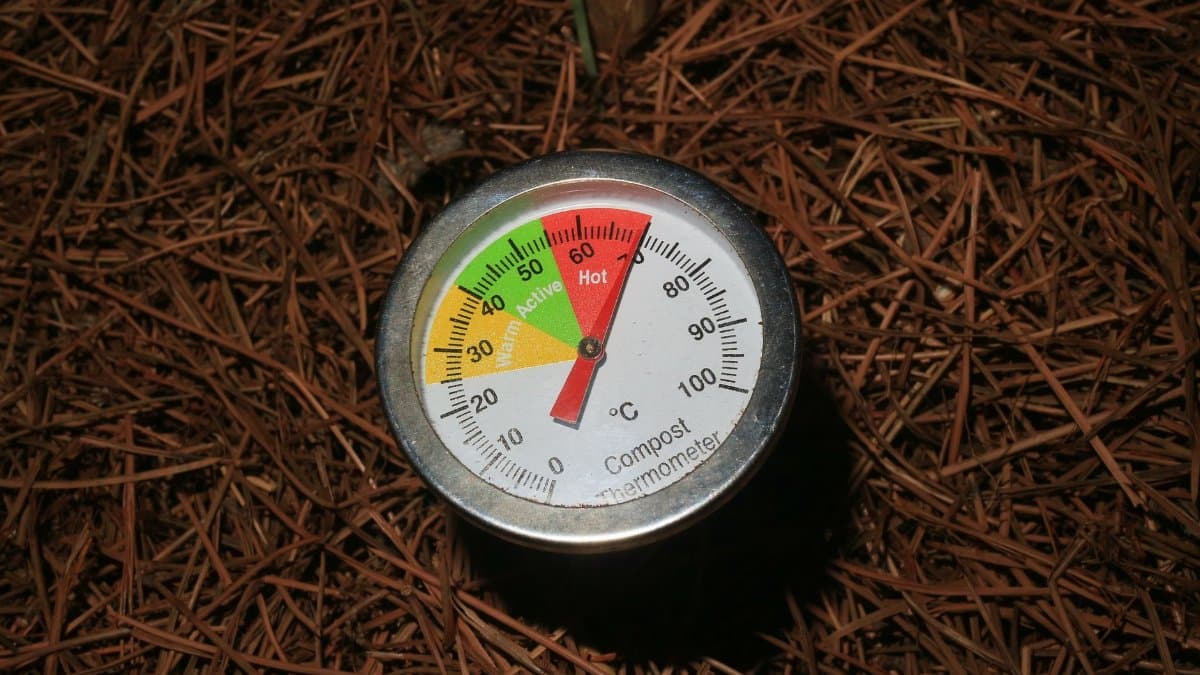
The environmental case is well established in public guidance, not only in local press. The U.S. Environmental Protection Agency notes that composting food scraps and yard trimmings reduces the volume sent to landfills and incinerators and returns organic matter to soil. Its overview is here: EPA composting guidance. Healthier soil holds water better, which matters in a region of summer storms and dry spells. Gardens that take finished compost often need less bagged fertilizer.
None of that erases the energy used by collection trucks. Honesty requires that caveat. The gain comes from replacing a worse destination, the landfill, with a managed biological process, and from building soil that would otherwise be imported in plastic bags from far away. The July diversion is a local piece of that larger swap.
Limits, smells, and fair objections

Not every resident is convinced, and pretending otherwise insults the audience. Carts can smell in heat. Wildlife notices poorly latched lids. Apartment buildings and small lots have less room for another container. Some households worry that a successful program will become a mandate, or that fees will rise once participation is high enough to count on. Those are political questions, not reasons to ignore the scale tickets.
Contamination is the operational risk. A few bags of plastic can downgrade a load. Townships that publish clear rejection rules, and that report contamination as plainly as they report tons, tend to keep trust. The Haverford compost program will be judged over seasons, not over one flattering July, on whether the material stays clean and the trash reduction holds when the grass stops growing.
A suburb inside a regional pattern
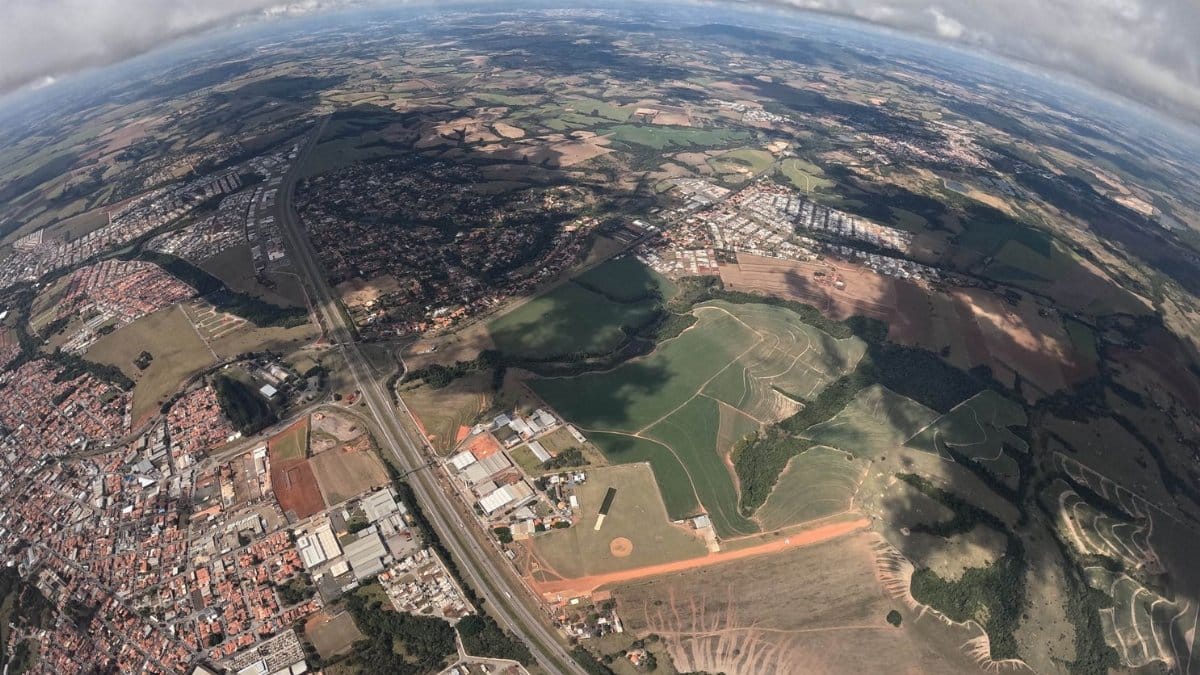
Haverford is not inventing organics recovery. Cities and townships across Pennsylvania and the mid Atlantic have tested drop off sites, subscription haulers, and municipal carts. What distinguishes a durable effort is boring: a processor with capacity, a contract that survives a budget cycle, and communication that does not vanish after the launch photo. The Philadelphia Inquirer account of the July result, linked from local coverage at this report, puts a suburban number into that regional conversation.
Readers outside the township can still use the figure as a benchmark. If a peer community collects far less per household in a comparable July, the gap is worth a question. If it collects more, Haverford has a model to study rather than a trophy to polish.
Stewardship without a sermon

Calling waste a spiritual issue can sound precious. The better frame is responsibility for what we set in motion. Food that fed a family should not become methane in a buried cell if a nearer, cleaner path exists. The religious and secular languages differ. One speaks of creation. Another speaks of systems. Both can land on the same curb on a Thursday morning.
Middle aged readers, many of whom already keep a garden bed or a church supper schedule, do not need to be told they are saving the planet with a banana peel. They need a straight account: here is the weight, here is the method, here is what can go wrong. The Haverford compost program offers that account in tons, which is a more trustworthy dialect than inspiration.
What to watch after the summer peak

The next test is autumn leaves, then the quiet months when carts hold mostly coffee grounds and plate scrapings. If diversion stays meaningful when yard waste drops, the program has a year round base, not only a seasonal bulge. Residents should watch for published totals, not only launch announcements. They should also watch whether finished compost returns to local parks and gardens in a way people can see.
A cut of more than 140 tons of trash in July is already a fact worth printing. Whether it becomes a habit is the story still being written, one lid, one list, and one collection day at a time. The Haverford compost program has shown that a suburb can move serious weight out of the garbage stream. The harder work is keeping that weight moving when nobody is counting headlines.