
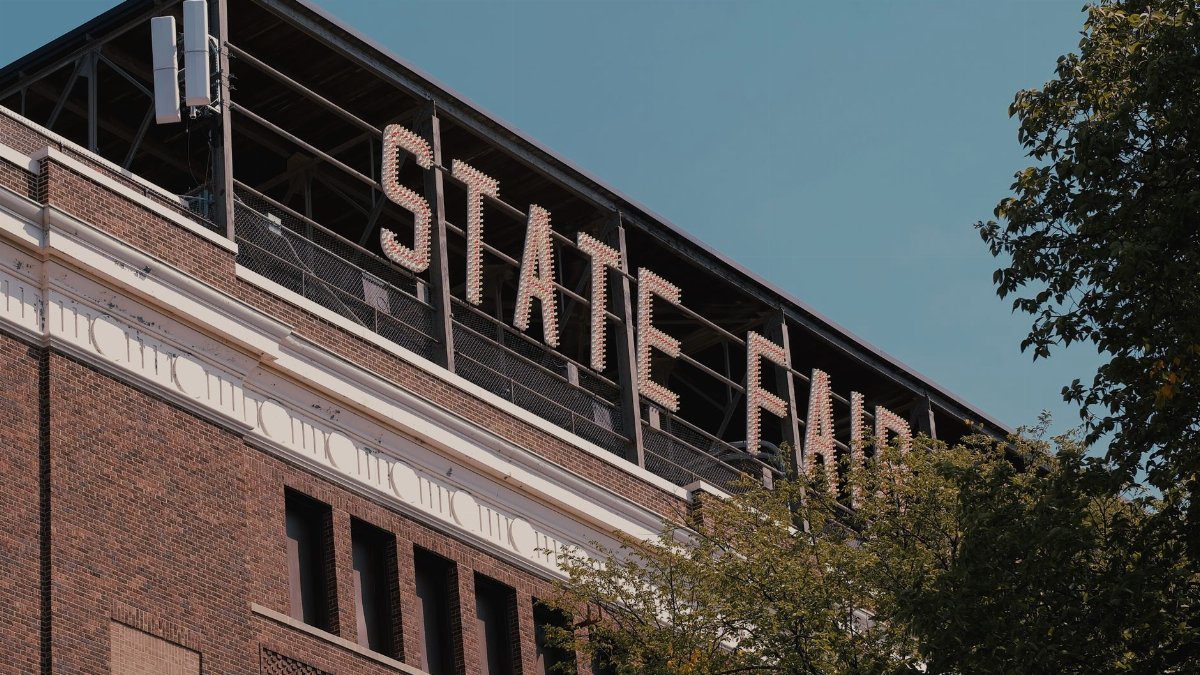
On a warm Friday in late September, the smell of fried food and cut grass reaches the parking lots before the gates do. Families in matching shirts walk toward a skyline of rides, while a recorded voice from a loudspeaker reminds them that the day is long and the lines will move. The State Fair of Texas 2026 opens September 25 and runs through October 18 at Fair Park in Dallas, the 139th edition of a gathering that still functions as a civic calendar for North Texas. For people who grew up with it, the dates are less a schedule than a signal that autumn has officially arrived, football is in full voice, and the city is about to spend three weeks talking about the same place.
A season that still begins at the gate
Dallas has no shortage of festivals, stadium nights, and food events that promise a taste of Texas in a single evening. Few of them hold the calendar the way this one does. Offices plan around it. Churches move potlucks. High school bands rehearse for a parade route that parents can describe from memory. The fair is not subtle, and it does not pretend to be. It is large, loud, commercial, and sentimental at the same time, which is exactly why it survives.
What changes from year to year is the billing. What does not change is the feeling that the city has agreed, for a few weeks, to meet in one park. That agreement is practical as much as emotional. Buses fill. Neighbors compare which day has the shorter line. Someone always swears that a Tuesday morning is the only civilized hour to go, and someone else always ignores that advice and arrives on a Saturday at noon.
Big Tex and the first look up
Before the food and before the games, there is the figure people come to see. Big Tex stands over the grounds as both mascot and landmark, a cowboy tall enough to orient a lost group and familiar enough to turn a photograph into proof that the visit happened. Children who have seen him only in pictures tend to go quiet for a second when the real scale arrives. Adults who have stood under those boots for decades tend to do the opposite. They talk.
They talk about the year the voice came back, about a jacket, about a pose, about which entrance puts you in front of him with the least walking. The statue is marketing, of course. It is also a shared reference point in a metro area that otherwise splits its loyalties among neighborhoods, teams, and highways. You can dislike the crowds and still understand why people want the picture. In a city that rebuilds itself often, a figure that stays put has a kind of authority.
Clint Black and the nightly draw
Music has always been one of the ways the fair keeps people on the grounds after the sun drops and the rides look brighter than they did at noon. This year the name at the front of that conversation is Clint Black, a country singer whose catalog still lives in truck radios and in the memory of listeners who bought tickets long before streaming playlists decided what a night should sound like. His presence fits the fair’s habit of booking artists who do not need an introduction in this state.
A concert here is not a sealed arena show. Sound leaks toward the midway. People wander in halfway through a song they know and wander out when a child needs a rest. That looseness is part of the appeal and part of the frustration, depending on the hour and the ticket in your pocket. For the State Fair of Texas 2026, the music billing matters because it gives the middle of the run a reason to feel like an event rather than a repeat of yesterday’s corn dogs and carnival games. It also reminds older visitors that the fair has always sold nostalgia alongside whatever is new on the lot.
Two football names that still fill the talk
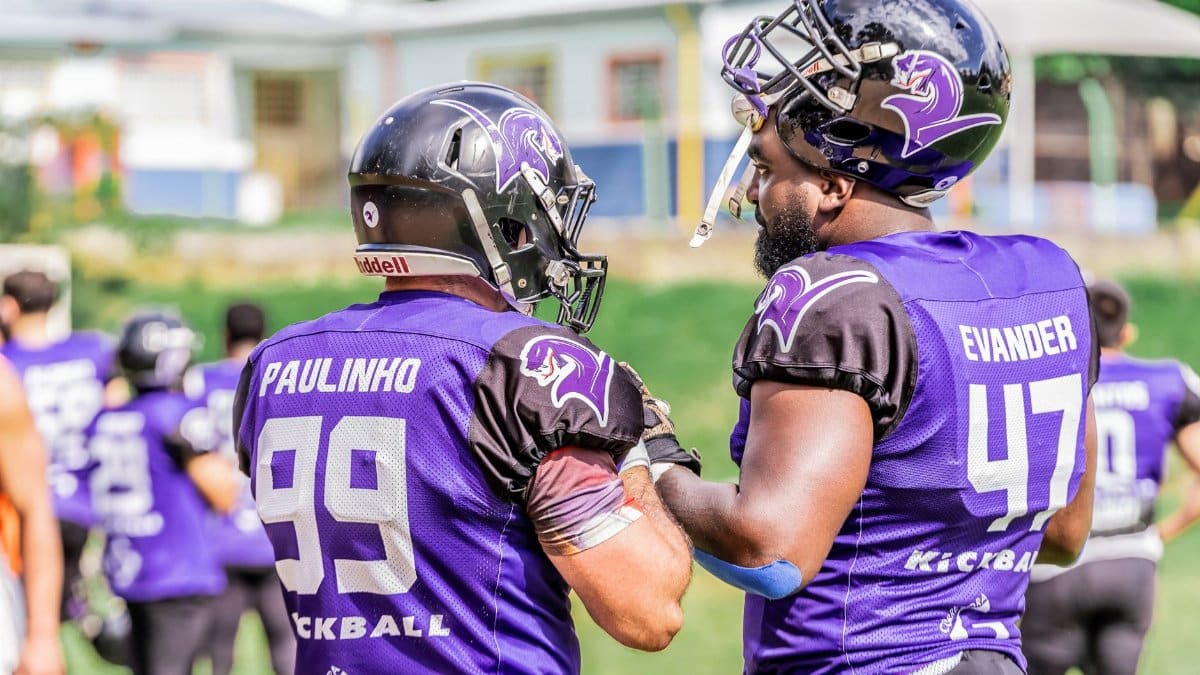
No honest account of these weeks can skip the games. Local listings put the Classic and the Red River Rivalry beside Big Tex and Clint Black as the headlines of the 139th fair, and that pairing tells you how Dallas still reads the season. The Classic, the long running meeting of Prairie View A&M and Grambling State, carries a history that is about more than a score. It is a Black college football tradition with bands, alumni, and a social calendar that spills well beyond the kickoff. Fans dress for it. They plan reunions around it. They treat the day as a homecoming that happens to sit inside a state fair.
The Red River Rivalry pulls a different crowd and a different temperature. Texas and Oklahoma have argued about this game for generations, and even people who do not watch every Saturday still know the colors and the stakes. When that rivalry shares a news cycle with the fair, Fair Park becomes a shorthand for the whole weekend, whether a given visitor is there for a ticket or only for the atmosphere leaking into the parking lots. Together the two games keep the fair from being only a food story. They make it a sports story, a campus story, and a family story at once.
Food as the dialect everyone speaks
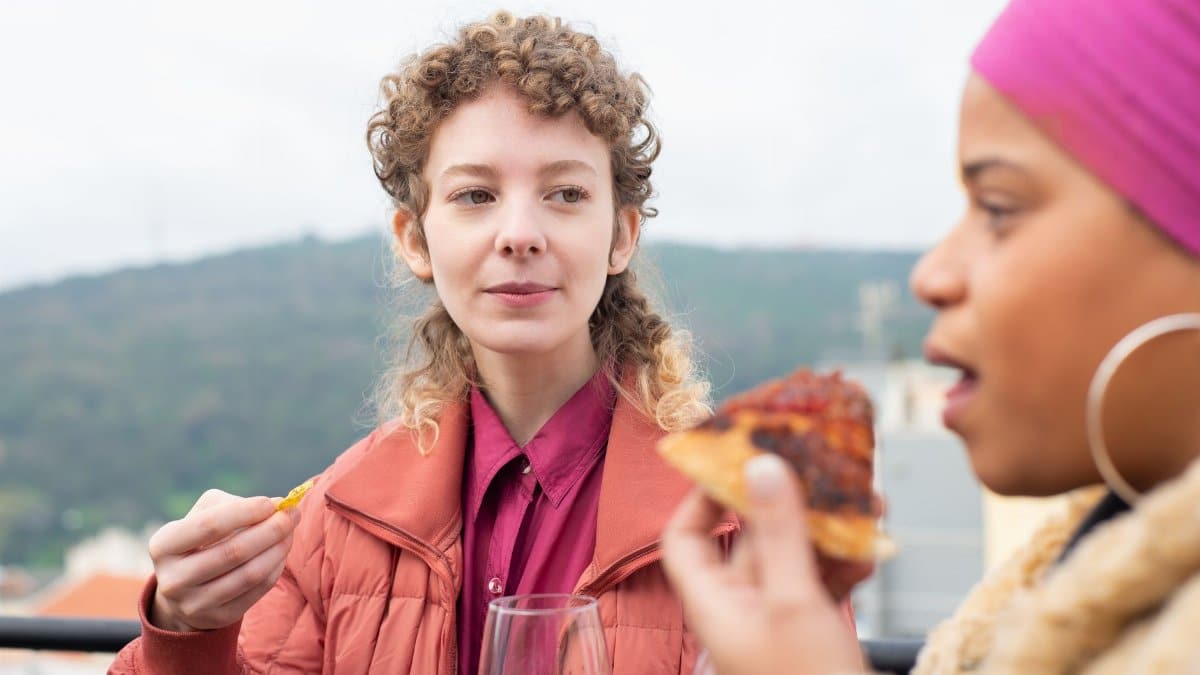
Ask ten people what they remember from a fair day and at least seven will answer with something they ate. That is not a failure of imagination. It is how the place communicates. Fried everything has become a joke and a tradition, and the joke has not killed the tradition. A corny dog still does the work it did for parents who are now grandparents. New vendors still try to invent a combination that will earn a line and a photograph. Butter, sugar, smoke, and salt are the house style.
There is a class reading available if you want one. A day at the fair can get expensive in small bites, and a family that buys a ride wristband, a few meals, and a drink for everyone can leave with a lighter wallet than they planned. Regulars know the tactics: split plates, skip the newest fried spectacle, eat before you arrive, pick one ridiculous item and let that be the story. None of that advice makes the food less central. It only admits that pleasure here is priced, and that people keep paying because the taste is tied to the date on the calendar.
Fair Park when the morning is still quiet
The grounds reward anyone willing to arrive before the heat and the full crowd. Fair Park is not a blank midway dropped onto a field. It is a historic campus of buildings, art, and open space that spends most of the year in a quieter register and then, for these weeks, becomes the busiest room in Dallas. Morning light on the older facades makes a different fair than the one that appears after dark. You can hear individual conversations. You can see the work of setting up, which is its own kind of show: grills lighting, prize ribbons straightened, workers moving with the efficiency of people who have done this run before.
That morning version is also when the agricultural halls make the most sense. Livestock, student exhibits, and competitions that will never trend as fast as a new fried dessert are still the reason a state fair can claim the first word in its name. Urban visitors sometimes treat those halls as a detour. People who raise the animals do not. For them the fair is a deadline, a judging, and a public proof of months of work. Both readings can be true in the same building.
The crowd as a civic argument
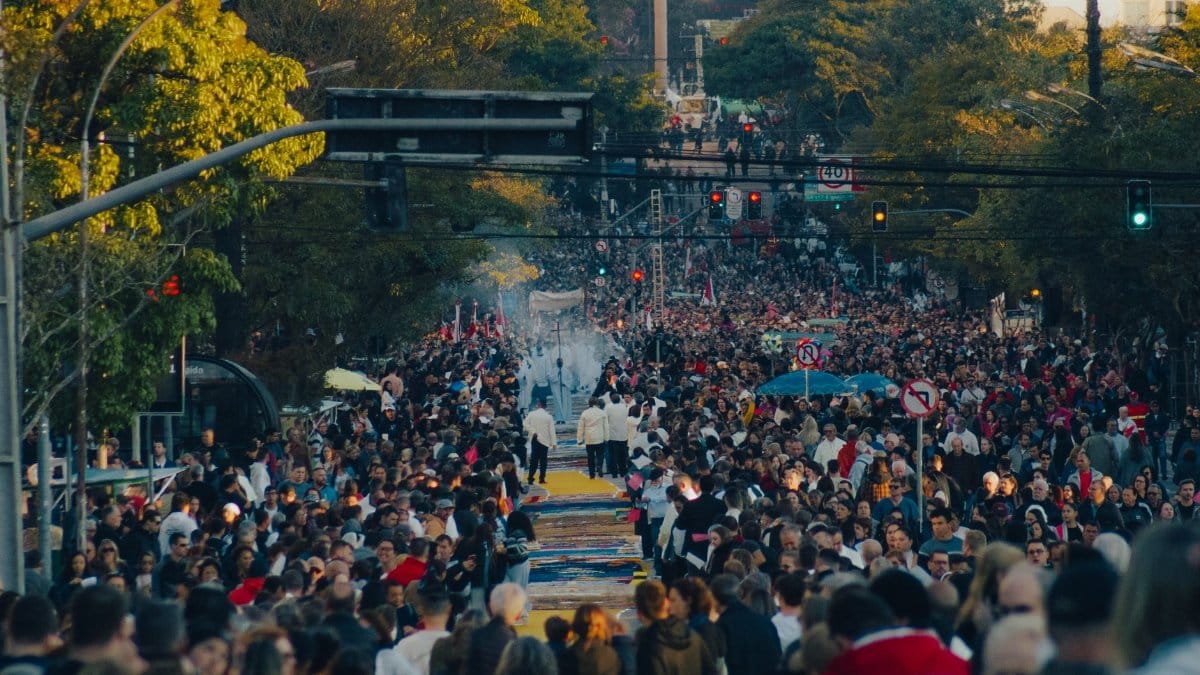
A fair this size is never only entertainment. It is a test of how a city handles density, price, transit, and the simple question of who feels welcome. Some visitors come because the trip is an inheritance. Others come once, decide the lines and the cost are not for them, and do not return. Both reactions are reasonable. The grounds can feel generous and exhausting in the same hour. A stroller is a strategy and a burden. A first visit with out of town relatives can be a triumph or a mistake, depending on the heat and the plan.
What the State Fair of Texas 2026 cannot escape, and should not try to escape, is that it sits in a city still arguing about equity, neighborhood investment, and who Fair Park belongs to when the lights are off. The fair does not settle that argument. It concentrates it. For three weeks the park is full of people who may not share a zip code and who are, for a few hours, sharing a path. That is not reconciliation. It is proximity. Proximity is not nothing.
Ritual without a sermon
There is a reason a gathering like this keeps pulling people who say they are done with it. The fair offers a ritual that does not require a creed. You go at the same time of year. You look for the same figure on the skyline. You eat the same improbable food. You watch a band or a game that older relatives can narrate. You leave tired, which is part of the proof that the day counted. In a culture that often treats tradition as either sacred or embarrassing, the fair is comfortably neither. It is repetitive on purpose.
That repetition is what younger visitors sometimes mock and later recognize. A teenager who spends the day performing boredom may, a decade on, be the person insisting on a particular entrance. The State Fair of Texas 2026 will create those future memories without announcing them. Most of what people keep is small: a song heard from too far away, a win by a team they do not usually follow, the moment Big Tex came into view above a row of hats. Journalism can list the headliners. It cannot fully inventory what a family will still be quoting in November.
How to spend the day without spending the day
Visitors who enjoy the fair most tend to choose a lane and refuse the fantasy of seeing everything. One good approach is to pick a single anchor, whether that is Clint Black, a football afternoon, a livestock show, or a slow walk that ends at Big Tex, and then let the rest of the grounds be accidental. Another is to set a leaving time before you arrive and treat it as seriously as a reservation. The fair is designed to keep you. That is the business model and also the pleasure. You do not have to accept every offer.
Comfort is not a small subject when the dates run from late September into the middle of October. Early evenings can be mild. Afternoons can still feel like summer. Shoes matter more than outfits. A full water bottle matters more than a perfect plan. People who live nearby have an advantage they sometimes forget to use: they can come twice, briefly, instead of once in a state of siege. Out of town guests deserve a shorter menu and a clearer promise. Tell them what the day is for. Then stop adding attractions.
What the 139th edition is really selling
Strip away the posters and the fair is selling continuity. Clint Black supplies a familiar voice. Big Tex supplies a familiar face. The Classic and the Red River Rivalry supply familiar arguments, loyalties, and reasons to wear a color in public. Around those poles, vendors and ride operators sell novelty, because novelty is how a repeat visit justifies itself. The mix is old. It still works because North Texas has not outgrown the desire to gather in one imperfect, crowded, fragrant place and call that gathering the season.
None of this requires pretending the fair is pure. It is a business, a tradition, a traffic problem, and a photo opportunity. It leaves some people out by price and wears other people out by scale. It also gives Dallas a shared reference that does not belong to a single team, church, or neighborhood. From September 25 through October 18, that reference has a name, a park, and a cowboy tall enough to see from farther away than seems reasonable. The State Fair of Texas 2026 will be judged, as always, in small verdicts: worth the drive, too crowded, better on a weekday, same as ever. Same as ever, in this case, is not an insult. It is the product.