
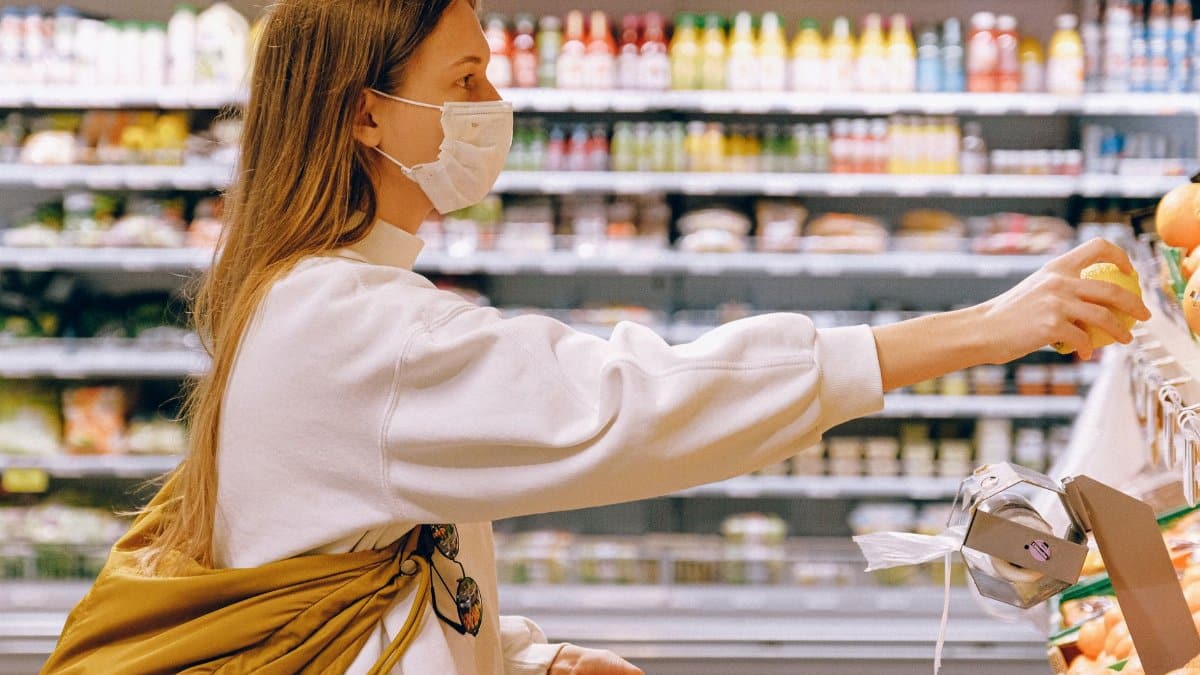
On a humid Tuesday in a Tampa grocery aisle, a shopper paused over a bag of salad and pulled out a phone before the cart moved again. The pause was not about price. It was about whether that brand had landed on a list that week. After a run of Florida food safety recalls, that small hesitation has become a habit for people who cook for children, older parents, and crowded weekend tables. Notices arrive for leafy greens, deli meat, ice cream, and snacks that looked ordinary the day before. None of this means every kitchen is unsafe. It does mean the year has asked households to treat labels, dates, and temperatures as part of the meal, not as fine print for someone else.
A year when the list felt longer than the shopping trip

State and federal notices do not arrive as a single story. They arrive as product names, lot codes, and store banners that change from week to week. In 2026 the volume has been high enough that public health officials in Florida have urged residents to pair recall checks with basic kitchen habits: a working thermometer, separate cutting boards, and a short weekly look at official alerts. One hundred sixty two recalls is a large number for a single state year, and it covers very different problems. Some involve germs that can cause severe illness. Others involve undeclared allergens that are dangerous only to people with a specific sensitivity. Mixing those categories in one anxious scroll makes every package look suspect. Sorting them is the first act of calm.
A recall is not a verdict on an entire food group. It is a notice that a defined lot should leave the food supply. The useful response is narrow: match the brand, the size, and the code, then decide whether that item is in the house. Broad fear wastes food and attention. Narrow attention protects people.
What the notices actually say

A useful alert names the company, the product, the reason, and the places where it was sold. It may mention Listeria, Salmonella, E. coli, or an allergen such as peanut, milk, or sesame that was left off the label. It may say the item was sold in Florida, or shipped through a distributor that serves Florida stores. If the notice does not match what is in the fridge, the item stays. If it matches, the item should not be tasted to check whether it seems fine. Germs and missing allergen statements are not visible.
Readers who want a standing source can use the Food and Drug Administration recall page and the Department of Agriculture list for meat and poultry, along with state health updates. Those pages are dull on purpose. Dull is a virtue when the alternative is a forwarded screenshot with no lot code.
Habit one: match the code before you clear the shelf

The first habit is slower than panic and faster than illness. Keep a photo of the package if you are unsure, including the lot line and the best by date. Compare it with the notice word for word. Similar branding is not a match. A different size is not a match. When the match is real, seal the food so no one else in the house eats it, and follow the notice on return or disposal. Do not rinse a recalled item and put it back. Washing does not undo a processing failure.
Households that shop for several people can assign one person to the weekly check. Five minutes on a Sunday covers more risk than a vague sense that something was recalled somewhere. Write the product name on a notepad by the fridge if more than one adult cooks. Memory is a poor filing system when the week is full.
Habit two: trust a thermometer more than color

Officials keep returning to the thermometer because color, juice, and cooking time on a familiar pan are unreliable guides. Poultry should reach 165 degrees Fahrenheit in the thickest part. Ground meat should reach 160. Steaks and roasts can be lower if the surface is fully cooked and the cut is intact, but ground products need the higher mark because bacteria can be mixed through the meat. Leftovers should be reheated to 165 as well.
A thermometer costs less than a single urgent care visit and removes the argument at the table. Place it early enough that you are not guessing at the end. Clean the probe between foods. If the dial is old and sticky, replace it. This habit matters even in a quiet recall year, and it matters more when ready to eat foods have been in the news, because people sometimes overcorrect by scorching safe food and undercooking the dish that actually needs heat.
Habit three: give raw food its own board
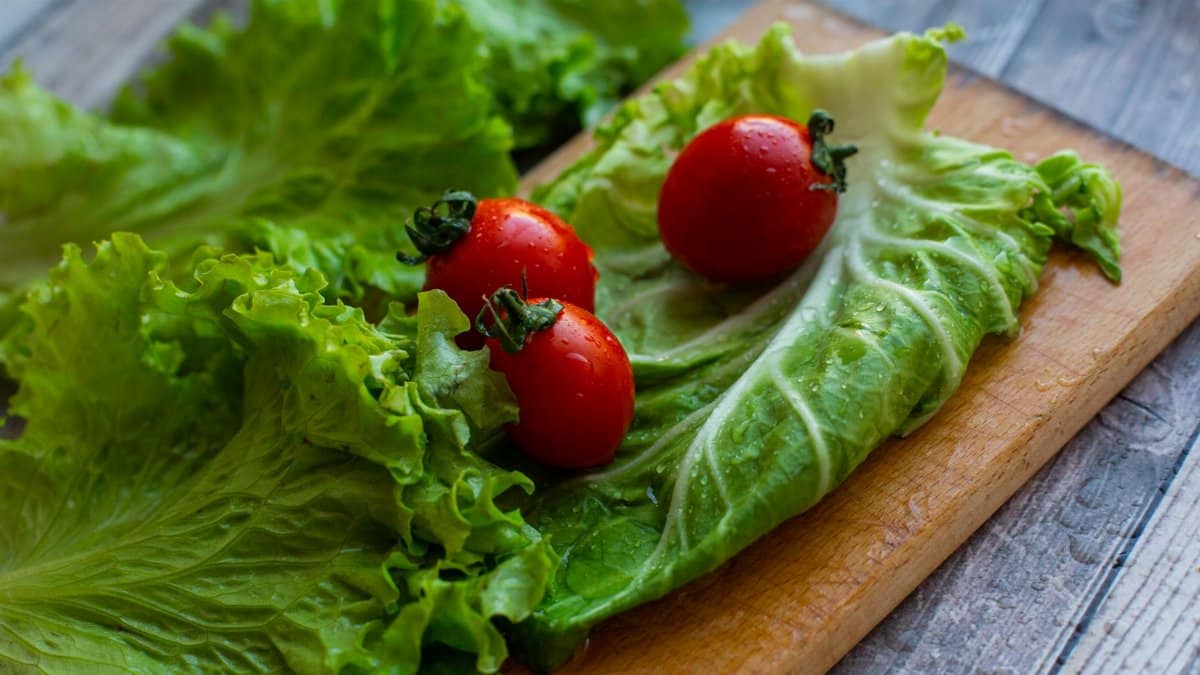
Separate boards are the least glamorous tool in a Florida kitchen and one of the most effective. Raw poultry, raw meat, and raw seafood should not share a board with salad, fruit, or bread. A plastic board that can go through a hot dishwasher is easier to keep clean than a scarred wooden one used for everything. If the household owns only one board, wash it with hot soapy water, then sanitize, before it touches anything that will be eaten raw.
The same rule applies to hands, knives, and the plate that carried raw meat to the grill. Cooks often remember the board and forget the plate. Bring a clean plate to the grill for the finished food. In a state where outdoor cooking runs for much of the year, that swap prevents a common path for cross contamination that no recall notice will mention, because the failure happened after purchase.
Habit four: treat the refrigerator as a timed room
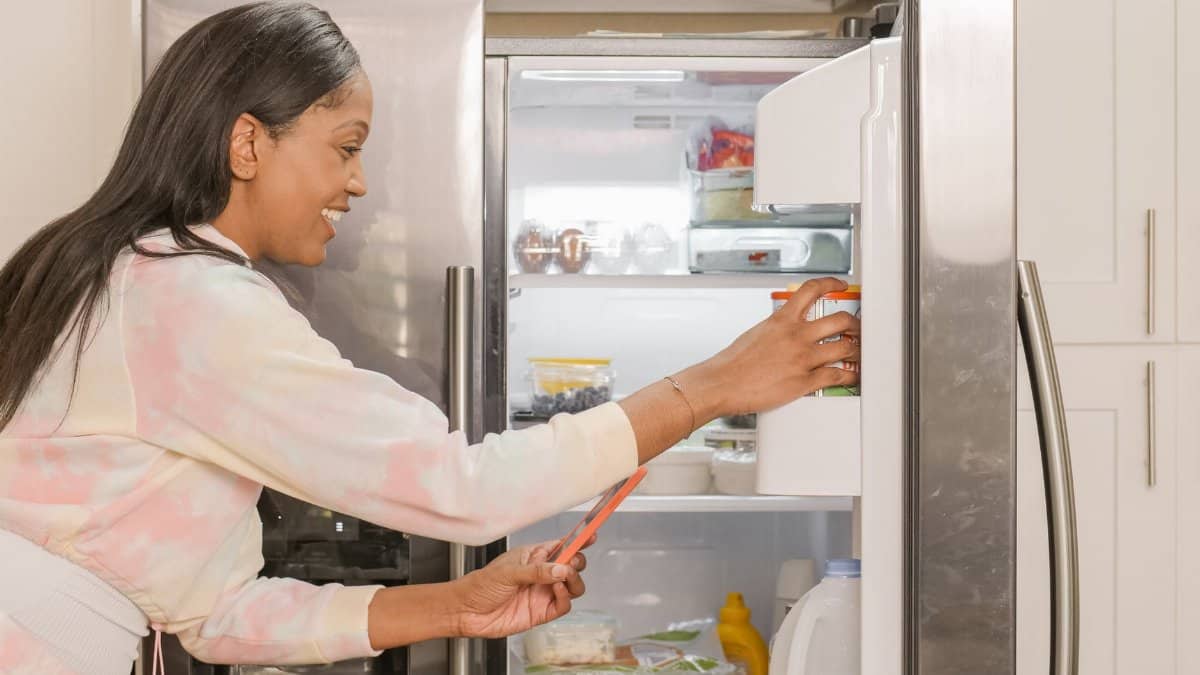
Cold slows germs. It does not stop the clock. Keep the fridge at or below 40 degrees Fahrenheit and the freezer at 0. A cheap appliance thermometer tells you whether the dial is honest, which matters after a power flicker in storm season. Leftovers should be cooled in shallow containers and eaten within three to four days. Deli meat is a special case in recall heavy years: buy smaller amounts, keep it cold on the drive home, and do not let it sit on a counter while other groceries are put away.
When a storm warning empties the power grid, a full freezer stays cold longer than a half empty one. Group items together. Keep the door shut. If perishable food has been above 40 degrees for more than two hours, or one hour in extreme heat, discard it. That rule feels wasteful until you remember that Florida summers do not negotiate.
Habit five: wash hands as if the recipe required it
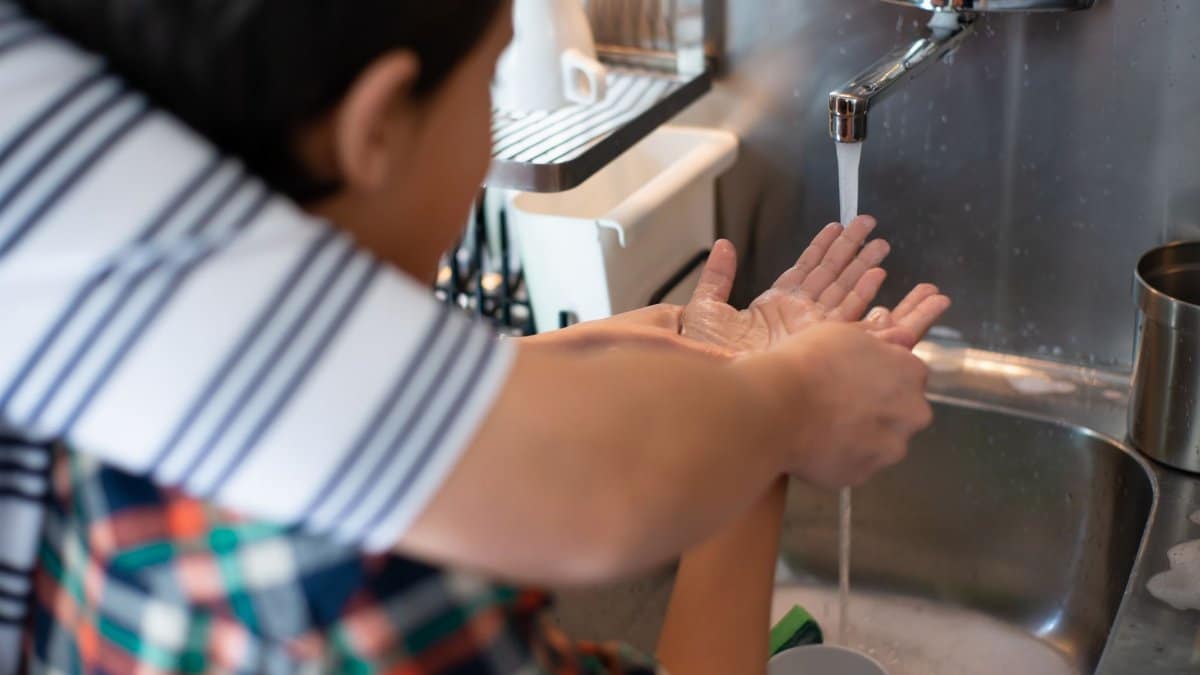
Hand washing is so familiar that cooks skip it between tasks. Twenty seconds with soap, after raw meat and after the bathroom and before handling food others will eat, still outperforms most gadgets sold for kitchen peace of mind. Dry with a clean towel. A damp towel used all afternoon spreads more than it removes.
This fifth habit closes the set that health officials have been stressing alongside Florida food safety recalls: check the notice, measure the heat, separate the boards, respect the clock in the fridge, and wash hands between jobs. None of these steps requires a new identity as a nervous shopper. They require a short routine that survives a busy week.
Who carries more risk when a notice is missed
Most healthy adults recover from common foodborne illness, though the days are miserable. The stakes rise for pregnant people, adults over 65, young children, and anyone with a weakened immune system. For those households, ready to eat foods that have appeared in Listeria notices deserve extra care: soft cheeses made with unpasteurized milk, deli salads kept too long, and smoked fish left warm. Pasteurized products are the safer default. Heating deli meat until steaming is a reasonable extra step when a pregnancy or a transplant is part of the household story.
Allergens are a different map. A recall for undeclared milk does not threaten a person without that allergy, and it can threaten a child who does. Read those notices with the same care you would give a germ alert. The harm is not theoretical if the wrong package reaches the lunchbox.
Why Florida kitchens feel the notices so directly

Florida eats from a long supply chain: winter produce trucked in, seafood landed nearby, and national brands stocked in every county. Tourism adds restaurant volume. Hurricanes interrupt power and deliveries. Those facts do not make local food uniquely dangerous. They do mean a national recall often has a Florida footprint, and a local power outage can spoil food that was perfectly safe at purchase. Shoppers in Miami, Jacksonville, and smaller inland towns are reading the same federal language against very different kitchens.
Retailers usually pull recalled lots quickly. The gap is the food already home. That is why Florida food safety recalls become a household story rather than only a store story. The package in the crisper is outside the retail scanner.
Labels help, and they also mislead
Sell by dates are quality cues for the store, not safety guarantees. A product can be inside its date and still be part of a recall. A product past its peak can be safe if it was handled cold and shows no spoilage, though quality suffers. Smell is a clue for spoilage, not for Listeria or Salmonella, which do not announce themselves. Use dates to plan meals. Use recall codes and temperatures to judge safety.
Front of pack claims about natural ingredients say nothing about whether a lot was later pulled. Marketing language is not a safety system. The lot code on the back is.
When symptoms mean a call, not a wait

Diarrhea, vomiting, and fever after a suspect meal can be ordinary and brief. Seek care quickly for bloody stool, high fever, signs of dehydration, or illness in a pregnant person, an infant, or an older adult. Tell the clinician what was eaten and whether a recalled product was in the house. If a public notice asks people who ate a product to contact a health department, do that even if you feel well. Early reporting helps officials see whether a cluster is growing.
Do not start antibiotics on a guess, and do not rely on social media dosing advice. Care belongs with a clinician who can see the person in front of them.
A shopping rhythm that does not become a ritual of fear

Fear is a poor meal planner. It leads people to discard safe food, trust rumor, or avoid entire aisles that fed the family well for years. A better rhythm is ordinary. Check one official list each week. Photograph lot codes only when a product is on that list or when you are feeding someone at higher risk and want a record. Cook to temperature. Keep boards separate. Chill food fast. Those steps answer the year without turning dinner into an investigation.
Restaurants and deli counters have their own duties: cold holding, date marks, and staff who stay home when ill. Diners can still ask simple questions about how long sliced meat has been out, and they can skip a buffet that looks tired in the heat. Courtesy and caution can share a sentence.
What agencies can see, and what they cannot

Inspectors, lab tests, and company reports catch many failures before they reach a wide public. They do not catch every failure in real time. A recall is evidence that the system noticed something and is trying to pull it back. Silence is not proof that every lot is perfect. That is an argument for routine habits, not for cynicism. Companies that move fast, say clearly what failed, and name the lots deserve more trust than companies that bury the notice in vague language.
Readers can also report an illness or a mislabeled product through official consumer complaint lines. A single report may not prove a pattern. Many reports can. The public role is not to run the lab. It is to notice, record, and pass along facts.
The point of five habits in a loud year

Florida food safety recalls will keep arriving, some serious and some narrow, because a large food system finds problems in public. The response that holds is not a new fear each Friday. It is five habits that already belong in a careful kitchen: match the recall code, use a thermometer, separate boards and plates, honor fridge time and temperature, and wash hands between tasks. Officials have spent this busy 2026 season asking for exactly that kind of attention.
I keep a thermometer in the drawer by the stove and a short list of lot checks on the fridge, not because the state is unsafe, but because attention is cheaper than regret. The meal can still be generous. It just should not be careless.